

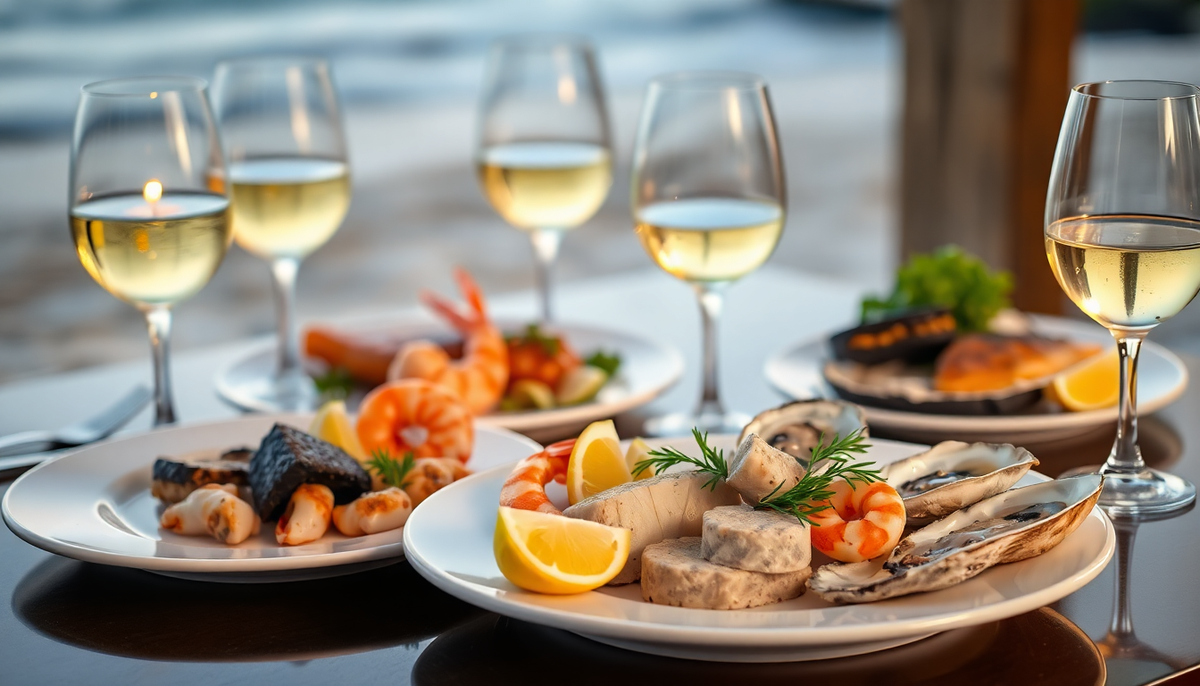
Wine and seafood represent one of the most harmonious culinary partnerships in the world of gastronomy. The delicate flavors of fresh fish, shellfish, and other oceanic delicacies can be elevated to extraordinary heights when paired with the right wine. At Curtis Family Vineyards, we believe that understanding the principles of wine and seafood pairing is essential for anyone who wants to enhance their dining experience and impress their guests. This comprehensive guide will walk you through everything you need to know about creating perfect wine and seafood combinations.
Understanding the Basics of Wine and Seafood Pairing
The foundation of successful wine and seafood pairing lies in understanding how flavors interact with one another. Wine contains tannins, acidity, alcohol, and various flavor compounds that can either complement or clash with the characteristics of seafood. Seafood, on the other hand, offers delicate proteins, briny notes, and subtle umami flavors that require careful consideration when selecting an accompanying wine.
The Role of Acidity in Wine Selection
Acidity is perhaps the most important factor when pairing wine with seafood. High-acid wines cut through the richness of fatty fish and cleanse the palate between bites, making them ideal companions for seafood dishes. The acidity in wine also helps to brighten the flavors of lighter fish preparations and prevents the wine from tasting flat or dull alongside delicate seafood.
When you taste a wine with high acidity, you'll notice a crisp, refreshing sensation on your palate. This quality is particularly valuable when paired with oysters, clams, and other briny shellfish. The acidity mirrors the mineral and salty characteristics of these foods, creating a natural affinity that wine enthusiasts have appreciated for centuries.
Understanding Wine Tannins and Seafood
Tannins are compounds found primarily in red wines that create a drying sensation in your mouth. While tannins are generally considered less suitable for seafood pairing than white wines, certain lighter red wines with lower tannin levels can work beautifully with specific seafood preparations. The key is to avoid heavily tannic wines that might overpower delicate fish flavors.
Tannins can actually clash with seafood because they can create a metallic taste when combined with certain proteins. This is why traditional wine pairing wisdom suggests avoiding full-bodied red wines with most seafood. However, as we'll explore later in this guide, there are exceptions to this rule, particularly when seafood is prepared with rich sauces or grilled preparations.
White Wines: The Classic Seafood Pairing
White wines are the traditional choice for seafood pairing, and for good reason. Their lighter body, higher acidity, and absence of tannins make them naturally compatible with the delicate flavors of fish and shellfish. Let's explore the various white wine options available to you.
Sauvignon Blanc: The Versatile Seafood Wine
Sauvignon Blanc is arguably the most versatile white wine for seafood pairing. This wine is characterized by its bright acidity, herbaceous notes, and citrus flavors that complement a wide range of seafood preparations. The grassy and mineral characteristics of Sauvignon Blanc make it particularly well-suited to oysters, clams, and other raw shellfish.
When you pair Sauvignon Blanc with grilled fish, the wine's acidity cuts through any charred flavors while its citrus notes enhance the natural sweetness of the fish. For seafood preparations with herbs like dill, tarragon, or basil, Sauvignon Blanc's herbaceous qualities create a seamless flavor integration. At Curtis Family Vineyards, we recommend seeking out Sauvignon Blancs from cooler climate regions, as they tend to have more pronounced acidity and mineral characteristics.
The beauty of Sauvignon Blanc lies in its ability to work with both simple preparations and more complex seafood dishes. A raw oyster with a squeeze of lemon and a glass of crisp Sauvignon Blanc is a timeless combination, while a more elaborate seafood pasta with white wine sauce also benefits from this wine's bright acidity.
Pinot Grigio: Light and Refreshing
Pinot Grigio offers a lighter, more delicate approach to white wine pairing. This Italian varietal is known for its pale color, subtle flavors, and crisp acidity. Pinot Grigio works exceptionally well with lighter fish preparations, particularly those featuring white fish like sole, flounder, or halibut.
The wine's mineral qualities and subtle stone fruit flavors make it an excellent choice for seafood dishes prepared with minimal seasoning. If you're enjoying a simple grilled white fish with just salt, pepper, and a drizzle of olive oil, Pinot Grigio provides the perfect accompaniment without overwhelming the delicate fish flavors.
One of the advantages of Pinot Grigio is its approachability and food-friendliness. It's an excellent choice for casual seafood meals and pairs well with a variety of preparations. The wine's light body ensures that it won't compete with the subtle flavors of delicate white fish.
Albariño: The Spanish Seafood Champion
Albariño is a Spanish white wine that has gained significant popularity among seafood enthusiasts. This wine is produced primarily in the Rías Baixas region of Galicia, a coastal area known for its exceptional seafood. The wine's high acidity, citrus flavors, and mineral characteristics make it an outstanding choice for virtually any seafood preparation.
Albariño's salinity and briny notes create a natural affinity with shellfish, particularly scallops and shrimp. The wine's stone fruit flavors complement grilled fish beautifully, while its crisp acidity cuts through richer seafood preparations. If you're looking for a white wine that truly understands seafood, Albariño is an excellent choice.
The wine's versatility extends to various seafood cuisines. Whether you're enjoying Spanish seafood paella, Portuguese grilled fish, or Mediterranean seafood preparations, Albariño provides an authentic and delicious pairing option.
Chablis: The Unoaked Chardonnay Option
Chablis is a French white wine made from Chardonnay grapes grown in the Chablis region of Burgundy. Unlike many Chardonnays that are aged in oak, Chablis is typically unoaked, which preserves the wine's crisp acidity and mineral characteristics. This makes Chablis an excellent choice for seafood pairing.
The wine's high acidity and citrus flavors work beautifully with oysters, particularly the famous oysters from the Chablis region itself. Chablis also pairs well with grilled white fish and seafood preparations featuring cream sauces. The wine's mineral qualities add complexity to the pairing without overwhelming delicate seafood flavors.
Chablis represents a more sophisticated approach to seafood pairing and is particularly appreciated by wine enthusiasts who value the interplay between wine and food. The wine's elegance and refinement make it an excellent choice for special occasions and fine dining experiences.
Muscadet: The Loire Valley Treasure
Muscadet is a white wine produced in the Loire Valley region of France, made from the Melon de Bourgogne grape variety. This wine is known for its crisp acidity, citrus flavors, and subtle mineral notes. Muscadet has a long tradition of pairing with seafood, particularly in the coastal regions where it's produced.
The wine's light body and refreshing character make it an excellent choice for lighter seafood preparations. Muscadet pairs particularly well with fish and chips, grilled shrimp, and other casual seafood dishes. The wine's affordability also makes it an excellent option for everyday seafood meals.
One of the unique characteristics of Muscadet is its ability to pair with a wide range of seafood preparations without requiring significant investment. This wine demonstrates that excellent seafood pairings don't always require expensive bottles.
Exploring Aromatic White Wines
Aromatic white wines offer a different approach to seafood pairing, bringing floral and fruity characteristics that can enhance certain seafood preparations. These wines are characterized by their pronounced aromas and flavors, which come from specific grape varieties.
Riesling: Sweet and Dry Options
Riesling is a versatile white wine that comes in various styles, from bone-dry to sweet. The wine's characteristic floral aromas and stone fruit flavors make it an interesting choice for seafood pairing. Dry Rieslings, in particular, offer excellent acidity and mineral characteristics that work well with seafood.
Riesling's slight sweetness can complement spicy seafood preparations beautifully. If you're enjoying Asian-inspired seafood dishes with chili peppers or other spicy elements, a dry Riesling can provide a pleasant counterbalance. The wine's acidity ensures that it doesn't become cloying when paired with rich seafood preparations.
The floral characteristics of Riesling also work well with seafood preparations featuring delicate herbs and light sauces. A grilled white fish with a light herb butter sauce and a glass of dry Riesling creates a harmonious and elegant pairing.
Gewürztraminer: Bold and Aromatic
Gewürztraminer is an aromatic white wine known for its pronounced floral and fruity characteristics. This wine offers higher alcohol content and lower acidity compared to other white wines, which means it requires careful pairing consideration. However, when matched correctly, Gewürztraminer can create spectacular seafood pairings.
Gewürztraminer works particularly well with Asian seafood preparations, especially those featuring ginger, lemongrass, or other aromatic spices. The wine's floral characteristics complement seafood dishes with coconut-based sauces or other rich, aromatic preparations. The wine's slight sweetness balances spicy elements in seafood dishes.
If you're exploring more adventurous seafood pairings, Gewürztraminer offers an exciting option that moves beyond traditional white wine choices. The wine's boldness requires confident seafood preparations that can stand up to its pronounced characteristics.
Viognier: Peachy and Floral
Viognier is a white wine known for its peach and apricot flavors, along with floral aromatics. This wine offers moderate acidity and a fuller body compared to many other white wines. Viognier works well with richer seafood preparations, particularly those featuring cream sauces or butter-based preparations.
The wine's stone fruit flavors complement grilled fish beautifully, while its floral characteristics add complexity to the pairing. Viognier is an excellent choice for seafood preparations featuring delicate white fish with rich sauces. The wine's body ensures that it won't be overwhelmed by richer seafood dishes.
Viognier represents a bridge between lighter white wines and fuller-bodied options, making it an excellent choice for seafood dishes that fall somewhere in the middle of the richness spectrum.
Sparkling Wines and Seafood
Sparkling wines offer a unique and often underappreciated option for seafood pairing. The bubbles in sparkling wine create a refreshing sensation on the palate, while the wine's acidity and complexity make it suitable for a wide range of seafood preparations.
Champagne: The Ultimate Celebration Wine
Champagne is perhaps the most prestigious sparkling wine, produced in the Champagne region of France. The wine's complexity, acidity, and subtle flavors make it an excellent choice for seafood pairing. The bubbles in Champagne create a refreshing sensation that cleanses the palate between bites, making it particularly suitable for multi-course seafood meals.
Champagne pairs beautifully with oysters, caviar, and other luxurious seafood preparations. The wine's acidity cuts through the richness of these foods, while its complexity adds depth to the pairing. For special occasions and celebrations, Champagne and seafood represent a timeless combination.
The wine's versatility extends to various seafood preparations. Whether you're enjoying simple grilled fish or elaborate seafood dishes, Champagne provides an elegant and sophisticated pairing option.
Prosecco: The Accessible Sparkling Option
Prosecco is an Italian sparkling wine that offers a more affordable alternative to Champagne. The wine's fruity characteristics and refreshing bubbles make it an excellent choice for casual seafood meals. Prosecco's lighter body and subtle flavors work well with lighter seafood preparations.
Prosecco is particularly suitable for seafood appetizers and lighter seafood courses. The wine's refreshing nature makes it an excellent aperitif before a seafood meal, and it also works well as an accompaniment to lighter seafood dishes.
The wine's affordability makes it an excellent option for entertaining and casual gatherings where seafood is served. Prosecco demonstrates that excellent sparkling wine and seafood pairings don't require significant investment.
Cava: The Spanish Sparkling Wine
Cava is a Spanish sparkling wine produced using the same traditional method as Champagne. The wine's acidity and complexity make it an excellent choice for seafood pairing, while its lower price point compared to Champagne makes it an accessible option for everyday enjoyment.
Cava pairs well with Spanish seafood preparations, particularly paella and other traditional dishes. The wine's acidity and subtle flavors work well with a wide range of seafood preparations, making it a versatile choice for various occasions.
Light Red Wines for Seafood
While white wines dominate seafood pairing, certain light red wines can work beautifully with specific seafood preparations. These wines typically have lower tannin levels and higher acidity, making them more suitable for seafood than their fuller-bodied counterparts.
Pinot Noir: The Elegant Red Option
Pinot Noir is a light to medium-bodied red wine known for its elegant character and lower tannin levels. Certain Pinot Noirs, particularly those from cooler climate regions, can work exceptionally well with seafood, especially when the fish is prepared with richer sauces or grilled preparations.
Pinot Noir pairs particularly well with salmon, which has a richer flavor and higher fat content compared to white fish. The wine's acidity and subtle red fruit flavors complement the salmon's richness without overwhelming it. Pinot Noir also works well with grilled tuna and other meaty fish preparations.
The wine's versatility extends to various seafood preparations. If you're looking for a red wine option for seafood, Pinot Noir is an excellent choice that offers elegance and sophistication.
Beaujolais: The Fruity Red Wine
Beaujolais is a light red wine from the Beaujolais region of France, known for its fruity characteristics and low tannin levels. The wine's refreshing nature and bright acidity make it suitable for certain seafood preparations, particularly those featuring lighter fish or seafood with tomato-based sauces.
Beaujolais works particularly well with seafood preparations featuring Mediterranean flavors. The wine's fruity characteristics complement seafood dishes with herbs, garlic, and tomato-based sauces. The wine's light body ensures that it won't overpower delicate seafood flavors.
Beaujolais represents an accessible and affordable option for those interested in exploring red wine and seafood pairings. The wine's approachability makes it an excellent choice for casual seafood meals.
Grenache: The Mediterranean Red
Grenache is a red wine known for its fruity characteristics and lower tannin levels. Certain Grenaches, particularly those from cooler climate regions, can work well with seafood preparations featuring Mediterranean flavors. The wine's acidity and subtle spice characteristics complement seafood dishes with herbs and garlic.
Grenache pairs well with grilled fish and seafood preparations featuring olive oil-based sauces. The wine's fruity characteristics add complexity to the pairing without overwhelming delicate seafood flavors.
Rosé Wine: The Versatile Middle Ground
Rosé wine occupies a unique position in the wine world, offering characteristics of both red and white wines. The wine's light color, refreshing nature, and versatility make it an excellent choice for seafood pairing.
Understanding Rosé Wine Characteristics
Rosé wine is produced by allowing red grape skins to contact the juice for a short period, creating the wine's characteristic pink color. The wine's flavor profile typically includes red fruit notes, along with the acidity and freshness associated with white wines. This combination makes rosé an excellent choice for a wide range of seafood preparations.
The wine's acidity works well with briny shellfish, while its fruity characteristics complement grilled fish and other seafood preparations. Rosé's versatility makes it an excellent choice for casual seafood meals where the specific preparation might vary.
Provence Rosé: The Gold Standard
Provence rosé is considered the gold standard of rosé wines, produced in the Provence region of southern France. The wine's dry character, crisp acidity, and subtle flavors make it an excellent choice for seafood pairing. Provence rosé's pale color and elegant character have made it increasingly popular among wine enthusiasts.
The wine's versatility extends to various seafood preparations. Whether you're enjoying oysters, grilled fish, or seafood salads, Provence rosé provides an excellent pairing option. The wine's refreshing nature makes it particularly suitable for warm weather seafood meals.
Pairing Specific Seafood with Wine
Understanding the characteristics of different seafood varieties is essential for creating successful pair

Leave a comment
This site is protected by hCaptcha and the hCaptcha Privacy Policy and Terms of Service apply.