

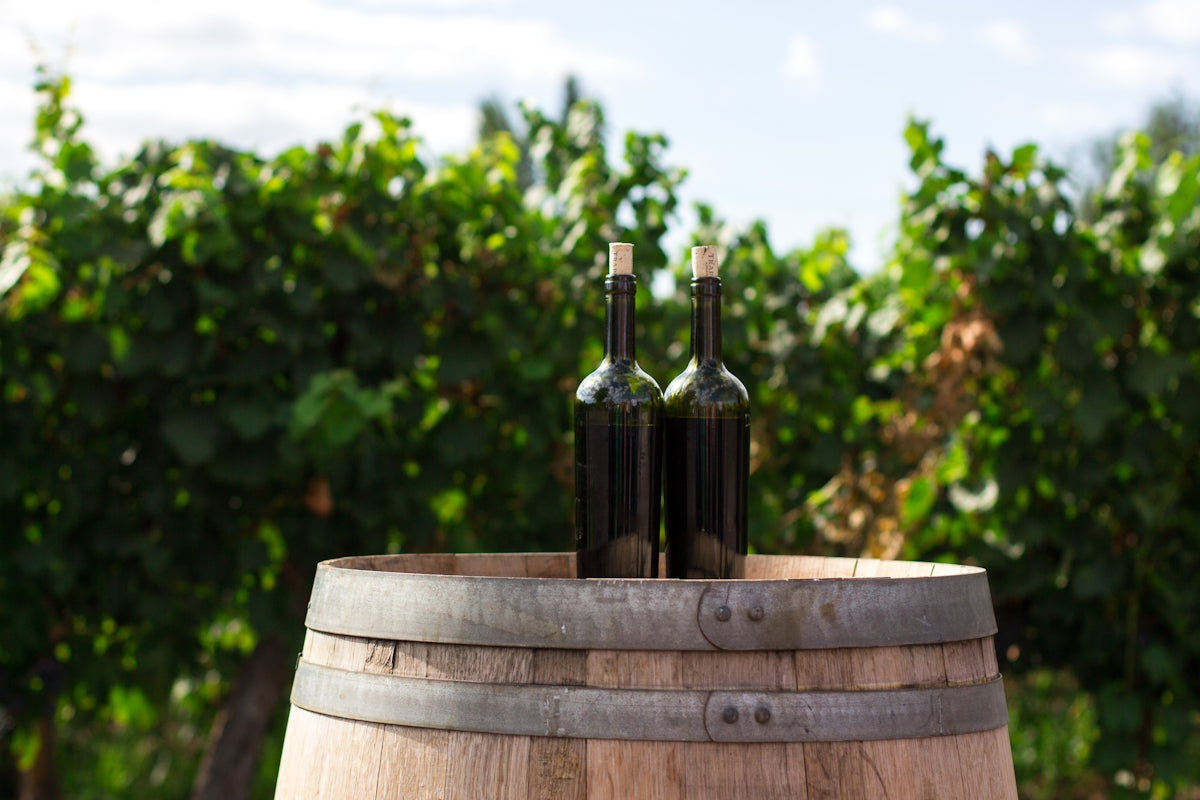
Winemaking is a delicate dance of art and science, where centuries-old traditions meet cutting-edge technology. Among the pivotal players in transforming grape juice into wine is yeast, a microscopic organism that drives the fermentation process. Understanding how yeast fermentation works can enrich our appreciation for the complex flavours and aromas in wines like those crafted by Curtis Family Vineyards.
The Basics of Yeast Fermentation
At the core of winemaking, yeast fermentation is a biochemical process where sugars present in grapes are transformed into alcohol and carbon dioxide by yeast cells. Saccharomyces cerevisiae, a species of yeast, is predominantly used in winemaking due to its efficiency and ability to thrive in high-alcohol environments.
The process begins once the grape juice, or must, is inoculated with yeast. The yeast consumes the sugar in the must, producing alcohol and releasing heat and carbon dioxide. This transformation not only influences the wine’s alcohol content but also significantly affects its flavour profile and texture.
Yeast and Aroma Compounds
During fermentation, yeast not only produces alcohol but also a variety of aromatic compounds that contribute to a wine's bouquet and flavour. These include esters, higher alcohols, and volatile acids, each playing a role in creating the intricate aroma profile of the finished product.
For instance, Curtis Family Vineyards' Limited Series Grenache showcases the delicate dance between fruit-forward notes and the subtle complexities that yeast fermentation imparts.
Influence of Yeast on Wine Style
Yeast selection can significantly influence the style and character of the wine. Different yeast strains are often chosen to accentuate specific flavours or aromas or to ensure a clean and efficient fermentation process. Winemakers may even opt for wild yeast fermentations, where indigenous yeasts present in the vineyard initiate fermentation, adding a distinct sense of place to the wine.
Wines like the Ancestor Shiraz are a testament to how strategic yeast selection can enhance structural elements like tannins and body, creating a rich and full-bodied experience.
Advances in Yeast Technology
Innovation in yeast technology continues to advance winemaking. Genetic studies and bioengineering allow for the creation of yeast strains tailored to produce specific flavour profiles or reduce unwanted compounds. These developments offer winemakers an expanded toolkit to craft wines with consistency and precision.
The Limited Series Shiraz from Curtis Family Vineyards exemplifies how modern techniques in yeast management can elevate traditional varietals to new heights, balancing deep fruitiness with nuanced spice.
Conclusion
The science of yeast fermentation is an essential element of modern winemaking. It influences not just the alcohol content but the very character of the wine, shaping its flavours, aromas, and textures. Whether it’s through traditional practices or modern innovations, yeast continues to inspire and challenge winemakers, ensuring that every bottle tells a unique story.
To explore wines crafted with expertise and passion, visit Curtis Family Vineyards. Discover how the interplay of science and nature can create magic in a glass.

Leave a comment
This site is protected by hCaptcha and the hCaptcha Privacy Policy and Terms of Service apply.