

Introduction
When you walk into Curtis Family Vineyards, there's something that immediately captures your heart. It's not just the carefully curated selection of wines or the knowledgeable staff ready to guide you through our collection. It's the atmosphere, the warmth, and the unmistakable sense of family that permeates every corner of our wine room. This special space has become the heart of our vineyard, and its inspiration comes from a place deeply personal to our family: Nonna's table.
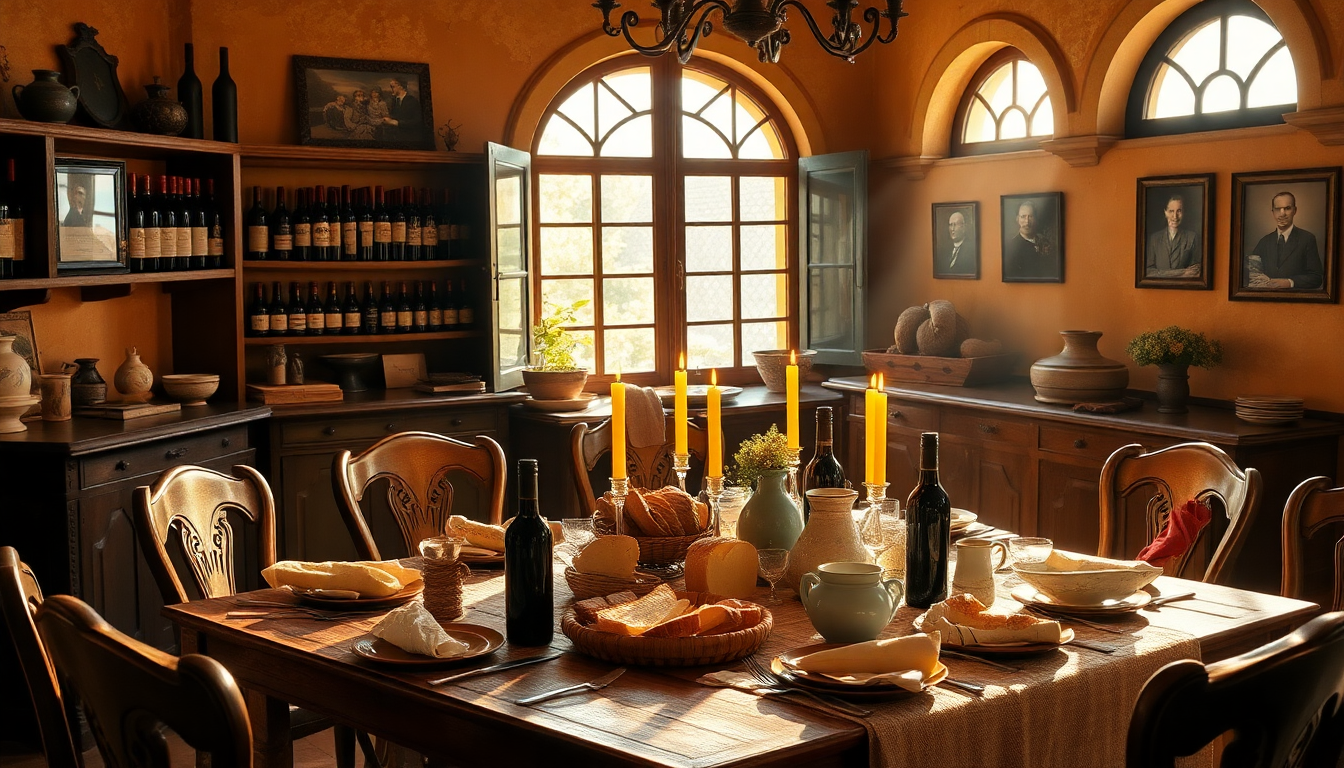
The wine room at Curtis Family Vineyards represents far more than a retail space or a tasting area. It's a living tribute to the traditions, values, and memories that have shaped our family for generations. Every detail, from the rustic wooden furnishings to the carefully chosen artwork adorning the walls, tells a story. It's the story of how wine, family, and tradition intertwine to create something truly meaningful and lasting.
In this comprehensive exploration, we'll take you on a journey through the inspiration behind our wine room, the significance of Nonna's table in our family history, and how we've translated those cherished memories into a space that welcomes everyone who walks through our doors. Whether you're a wine enthusiast, a family looking for a gathering place, or simply someone curious about the stories behind the businesses you visit, this blog post will give you insight into what makes Curtis Family Vineyards truly special.
The Legacy of Nonna's Table
Who Was Nonna?
Nonna, which means grandmother in Italian, represents more than just a family member in the Curtis household. She was the matriarch who held our family together through her wisdom, her love, and most importantly, through the meals she prepared at her table. Nonna came to America with little more than her recipes, her faith, and an unwavering commitment to family values. She built a life from nothing, and at the center of that life was her table.
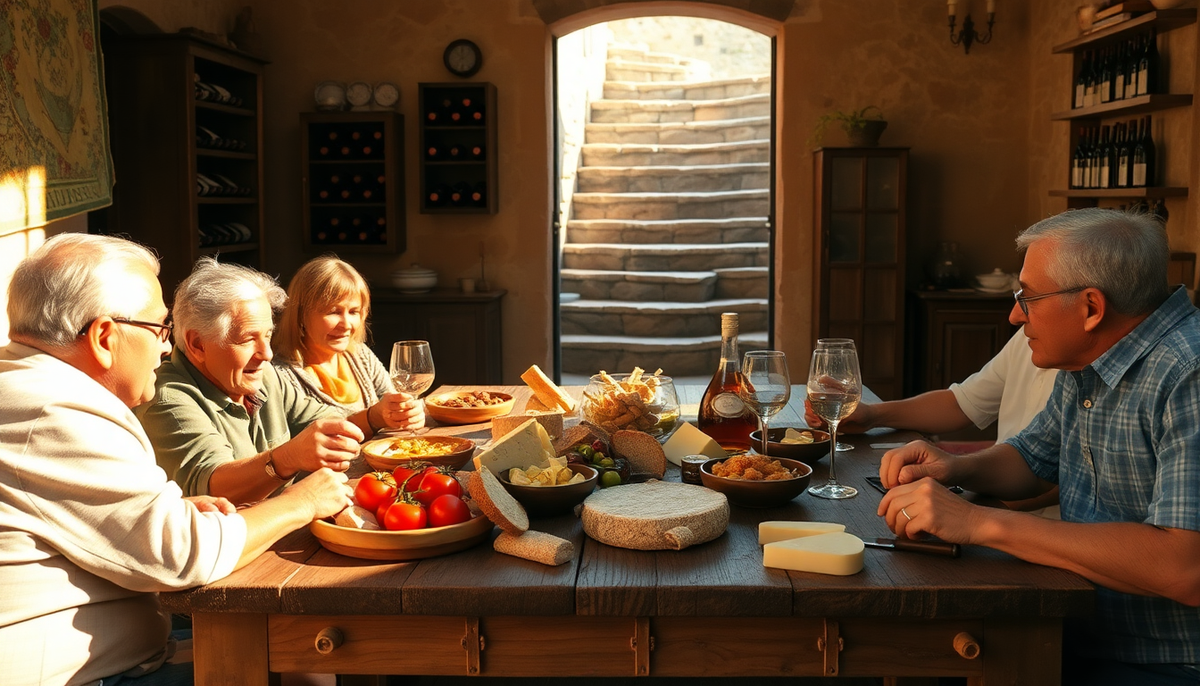
Nonna's table wasn't just a piece of furniture. It was a gathering place where generations came together, where stories were shared, where laughter echoed late into the evening, and where the bonds of family were strengthened with every meal. It was at this table that children learned the importance of respect, where teenagers discovered the value of listening to their elders, and where adults found solace and connection after long days of work.
The table itself was simple but sturdy, made of solid wood that had been passed down through the family. Its surface bore the marks of countless meals, the scratches and stains telling the story of a life well-lived and a family deeply connected. Nonna never worried about keeping it pristine. Instead, she celebrated each mark as evidence of the love and life that happened around it.
The Traditions of Gathering
At Nonna's table, there were unwritten rules that everyone understood and respected. First, everyone who sat at the table was family, whether by blood or by choice. Nonna had a way of making everyone feel like they belonged, like they were an essential part of something larger than themselves. Friends of the children, neighbors in need, distant relatives visiting from Italy—they all found a place at Nonna's table.
Second, the table was a place where phones were put away and distractions were minimized. This was long before the age of smartphones, but the principle remains the same: at Nonna's table, you were present. You looked people in the eye. You listened to their stories. You participated in the conversation. You were fully engaged with the people around you.
Third, food was never just sustenance at Nonna's table. Every dish was prepared with intention and love. Nonna would spend hours preparing meals, not because she had to, but because she understood that the time and care she invested in cooking was a direct expression of her love for her family. When you ate Nonna's food, you weren't just consuming calories; you were consuming her love, her heritage, and her commitment to keeping the family connected.
Fourth, the table was a place of celebration and comfort in equal measure. When there was joy to celebrate, Nonna's table was where the celebration happened. When there was sorrow to bear, the same table became a place of comfort and support. The table was constant, reliable, and always there when the family needed it most.
The Connection Between Wine and Family
Wine in Italian Culture
To understand the significance of wine in the Curtis family story, it's important to understand the role wine has played in Italian culture for thousands of years. Wine isn't just a beverage in Italy; it's a cultural artifact, a symbol of civilization, and an integral part of family life. The Romans understood this, and Italian families have carried this tradition forward through the centuries.
In Italy, wine is typically consumed with meals, and it's rarely consumed in excess. Instead, wine is meant to be savored, to be appreciated, and to enhance the dining experience. A glass of wine at dinner is an invitation to slow down, to appreciate the flavors of the food, and to be present with the people around you. Wine encourages conversation, laughter, and connection.
Nonna understood this tradition deeply. She came from a region in Italy where wine production was part of the landscape, where families often made their own wine, and where wine was as essential to a meal as bread. When she came to America, she brought this understanding with her. She taught her children and grandchildren that wine was not about intoxication or excess; it was about tradition, culture, and family.
Wine at Nonna's Table
At Nonna's table, wine was always present. It might have been a simple red wine, perhaps homemade by a relative or a neighbor, or it might have been something special saved for important occasions. But regardless of the wine's origin or cost, it was treated with respect and appreciation.
Nonna would pour small glasses for the adults and sometimes even a tiny taste for the older children, teaching them from a young age to appreciate wine as part of their cultural heritage. She would talk about where the wine came from, what grapes were used, and how it paired with the meal she had prepared. In doing so, she was passing down not just a taste for wine, but an entire philosophy about how to live: with intention, with appreciation, and with an understanding that the simple things in life—good food, good wine, and good company—are the things that matter most.
The wine at Nonna's table represented more than just a drink. It represented continuity with the past, connection to Italian heritage, and a commitment to maintaining traditions even in a new country. It represented the idea that some things are worth preserving, that some traditions are worth passing down, and that some values are timeless.
Designing the Wine Room: Translating Memory into Space
The Vision
When the Curtis family decided to open a vineyard and create a wine room, the vision was clear: create a space that captured the essence of Nonna's table. This wasn't about creating a museum or a shrine to the past. Instead, it was about creating a living, breathing space where the values Nonna embodied—family, tradition, connection, and appreciation—could continue to flourish.
The design process began with asking fundamental questions. What made Nonna's table special? What was it about that space that made people want to gather there? What feelings did people experience when they sat at that table? How could those feelings be recreated in a modern wine room?
The answers to these questions guided every decision in the design process. The team looked at photographs of Nonna's table, listened to stories from family members about their experiences there, and thought carefully about how to translate intangible qualities like warmth, welcome, and belonging into physical design elements.
The Physical Elements
The wine room at Curtis Family Vineyards features several design elements that directly reference Nonna's table and the traditions associated with it. The central feature of the room is a large wooden table, reminiscent of Nonna's original table, where guests can gather for tastings and conversations. This table is made from reclaimed wood, giving it character and history, much like Nonna's original table bore the marks of years of family gatherings.
The walls of the wine room feature warm, earthy tones that evoke the feeling of a traditional Italian home. Photographs of Nonna, family members, and scenes from Italy are displayed throughout the space, creating a visual narrative of the family's heritage and the journey that led to the creation of Curtis Family Vineyards.
The lighting in the wine room is warm and inviting, designed to encourage conversation and connection. Rather than harsh overhead lights, the space features softer, more ambient lighting that creates an intimate atmosphere. This is intentional: just as Nonna's table was a place where people felt comfortable opening up and sharing their stories, the wine room is designed to encourage the same kind of openness and vulnerability.
The furniture throughout the space is comfortable and inviting. There are chairs designed for lingering, for sitting and talking for hours without feeling rushed or uncomfortable. There are small tables and nooks where people can gather in smaller groups, and larger communal spaces where larger gatherings can take place. Every piece of furniture was chosen with the understanding that people would be spending time here, not just passing through.
The Sensory Experience
Beyond the visual elements, the wine room is designed to engage all the senses. The aroma of wine, the subtle scents of the wood and the earth, and sometimes the smell of fresh bread or other foods create an olfactory experience that transports visitors to a place of comfort and familiarity.
The sounds in the wine room are carefully curated. Soft background music, often Italian in origin, plays throughout the space. The sound of conversation and laughter, the clink of glasses, and the gentle sounds of wine being poured all contribute to an auditory landscape that feels alive and welcoming.
The taste experience, of course, is central to the wine room. But it's not just about tasting wine; it's about understanding wine in the context of food and family. The wines offered at Curtis Family Vineyards are selected not just for their quality, but for their ability to pair with food and to enhance conversation and connection. Many of the wines are paired with small bites of food, echoing Nonna's understanding that wine is best appreciated as part of a meal.
The tactile experience is also important. Guests are invited to hold the wine glasses, to feel the texture of the wood of the tables, to touch the photographs and artifacts that tell the family's story. This physical engagement creates a deeper connection to the space and to the story it tells.
The Philosophy Behind the Wine Room
Creating a Third Place
In urban sociology, there's a concept called the "third place." The first place is home, the second place is work, and the third place is somewhere else—a neutral ground where people can gather, socialize, and feel a sense of community. Coffee shops, pubs, and community centers are examples of third places.
The wine room at Curtis Family Vineyards was intentionally designed to be a third place for our community. It's a space where people can come to escape the demands of work and home, to connect with others, and to experience a sense of belonging. In an increasingly fragmented world where people are often isolated despite being constantly connected through technology, third places like our wine room become increasingly important.
The philosophy behind creating this third place is rooted in Nonna's understanding of what a table should be. Just as Nonna's table was open to anyone who needed a place to gather, the wine room is open to anyone who wants to experience connection, community, and the simple pleasure of good wine and good company.
Intentional Hospitality
Another core philosophy of the wine room is intentional hospitality. This means that every interaction, every detail, and every decision is made with the guest's experience in mind. It's not enough to simply serve wine; we want to create an experience that makes people feel valued, welcomed, and cared for.
This philosophy is evident in how our staff is trained. Every person who works in the wine room understands that they are not just selling wine; they are facilitating connection and community. They are trained to listen, to ask questions, and to help each guest find wines that resonate with them personally. They understand that some guests may be wine experts, while others may be trying wine for the first time, and both experiences are equally valid and worthy of respect.
Intentional hospitality also means paying attention to the small details. It means remembering a guest's name and their preferences. It means offering a comfortable place to sit while they consider their options. It means being patient with questions and never making anyone feel rushed or pressured. It means understanding that sometimes the most valuable thing we can offer is simply our presence and our attention.
Honoring Tradition While Embracing the Future
While the wine room is deeply rooted in tradition and the memory of Nonna's table, it's not a museum piece frozen in time. Instead, it's a living space that honors the past while embracing the future. This balance is reflected in many aspects of the wine room's design and operation.
For example, while the wine room features traditional Italian wines and honors Italian wine-making traditions, it also showcases wines from around the world. We recognize that wine culture has evolved and expanded, and that there is value in exploring new traditions and new flavors while still maintaining respect for the old.
Similarly, while the wine room is designed to encourage face-to-face conversation and connection, we also recognize the role that technology can play in enhancing the experience. We offer information about our wines through digital means, we maintain an online presence, and we use technology to help guests learn more about what they're tasting. But technology is always in service of connection, never as a replacement for it.
The Stories Behind Our Wine Selection
Choosing Wines That Tell a Story
One of the most important aspects of the wine room is the selection of wines we offer. But unlike many wine shops that focus primarily on prestigious labels or high price points, Curtis Family Vineyards chooses wines based on the stories they tell and the connections they create.
Each wine in our collection was chosen because it represents something meaningful. Some wines are chosen because they come from regions in Italy where our family has roots. Others are chosen because they represent the work of small, family-owned vineyards that share our values and our commitment to quality and tradition. Still others are chosen because they have a story that resonates with our guests or because they pair particularly well with the kinds of foods that would have been served at Nonna's table.
When you visit our wine room, you're not just buying a bottle of wine; you're becoming part of a larger story. You're connecting with the vineyard where the grapes were grown, with the winemaker who crafted the wine, with the family that has been making wine in that region for generations, and with all the people who have gathered around tables to share that wine.
The Italian Connection
A significant portion of our wine selection comes from Italy, and this is intentional. Italy has a wine-making tradition that spans thousands of years, and Italian wines represent a deep connection to history, culture, and family. When we select Italian wines for our collection, we're not just selecting beverages; we're selecting pieces of Italian heritage that we can share with our guests.
We work directly with importers and vineyard owners in Italy to source wines that meet our standards and that tell stories we want to share. We visit vineyards when possible, we learn about the families behind the wines, and we develop relationships that go beyond simple business transactions. These relationships allow us to offer wines that you won't find in every wine shop, wines that have a personal connection to our family and our story.
Supporting Small and Family-Owned Vineyards
Beyond Italian wines, we also prioritize wines from small, family-owned vineyards, regardless of where they're located. We believe that wine is best made by people who are passionate about their craft, who have a deep connection to the land where their grapes are grown, and who are committed to quality over quantity.
When you buy a wine from Curtis Family Vineyards, you're often supporting a family business, a small operation that might not have the marketing budget of large wine corporations, but that produces wines of exceptional quality. You're supporting people who have chosen to dedicate their lives to their craft, who wake up every day thinking about how to make better wine, and who take pride in every bottle they produce.
This commitment to small and family-owned vineyards reflects our own values as a family business. We understand the challenges of building and maintaining a business based on passion and tradition. We understand the sacrifices that are required. And we believe that by supporting other family businesses, we're contributing to a world where tradition, quality, and personal connection still matter.
The Experience of Visiting the Wine Room
What to Expect
When you visit the wine room at Curtis Family Vineyards, you're entering a space designed to welcome you, to make you feel comfortable, and to introduce you to wines in a way that respects your current level of knowledge and expertise. Whether you're a seasoned wine collector or someone who has never tasted wine before, you'll find something here for you.
Upon arrival, you'll be greeted warmly by our staff. There's no pressure to purchase anything or to pretend to know more than you do. Instead, our staff will ask you questions about your preferences, your experience with wine, and what you're looking for. They'll listen to your answers and use that information to guide you toward wines you'll enjoy.
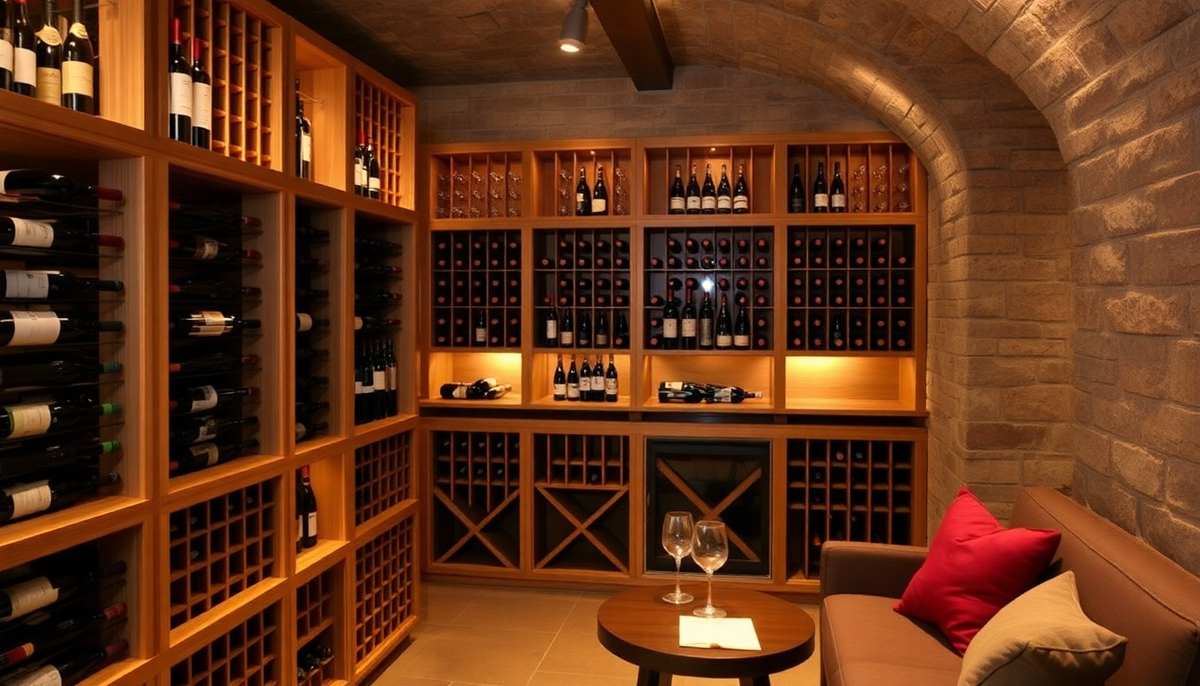
The wine room itself invites exploration. You're welcome to walk around, to look at the bottles, to read the information we've provided about each wine, and to ask questions. There are comfortable places to sit, and you're welcome to linger as long as you'd like. Many guests spend hours in the wine room, not because they're trying to make a decision, but because they're enjoying the experience of being in the space.
The Tasting Experience
If you choose to participate in a tasting, you'll experience wines selected specifically to showcase different styles, regions, and flavor profiles.

Leave a comment
This site is protected by hCaptcha and the hCaptcha Privacy Policy and Terms of Service apply.