

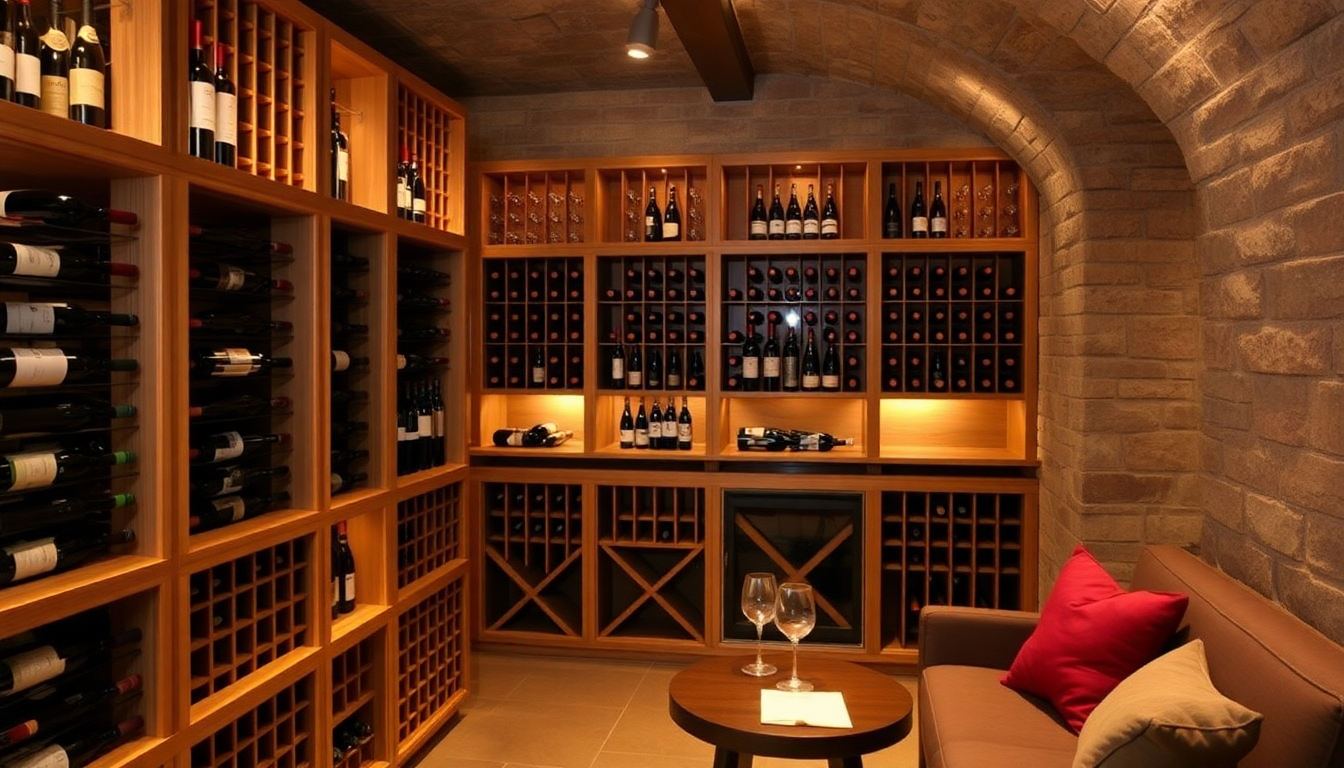
Building a wine cellar at home is a dream for many wine enthusiasts, but it doesn't have to be an overwhelming or expensive undertaking. Whether you're a casual wine drinker looking to store a few bottles or someone who's beginning to develop a serious passion for wine, creating a starter wine cellar can be an exciting and rewarding project. This comprehensive guide will walk you through everything you need to know to establish a proper wine storage space that will help you preserve and enjoy your wine collection for years to come.
Understanding the Basics of Wine Storage
Before you start building your wine cellar, it's essential to understand why proper wine storage matters. Wine is a living product that continues to evolve even after it's been bottled. The way you store your wine can significantly impact its quality, flavor profile, and aging potential. Improper storage conditions can lead to premature aging, spoilage, or the development of unpleasant flavors that will ruin your investment.
The primary enemies of wine are heat, light, oxygen, and humidity fluctuations. When wine is exposed to excessive heat, the alcohol can expand and potentially push the cork out, allowing oxygen to enter the bottle. This oxidation process can turn your fine wine into vinegar. Similarly, exposure to ultraviolet light can degrade the wine and cause it to age prematurely. Understanding these basic principles will help you make informed decisions as you plan your wine cellar.
The Importance of Temperature Control
Temperature is perhaps the most critical factor in wine storage. The ideal temperature for storing wine is between 45 and 65 degrees Fahrenheit, with 55 degrees being the sweet spot for most wines. This temperature range allows wine to age gracefully without accelerating the aging process too quickly or causing the wine to become dormant.
Consistency is just as important as the actual temperature. Fluctuations in temperature can cause the wine to expand and contract, which can damage the cork seal and allow oxygen to seep into the bottle. This is why a wine cellar with temperature control is far superior to storing wine in a regular closet or kitchen cabinet where temperatures might vary significantly throughout the day and seasons.
Understanding Humidity Levels
Humidity is another crucial element in wine storage. The ideal humidity level for a wine cellar is between 50 and 80 percent. This range helps preserve the cork and prevents it from drying out. A dry cork can shrink and allow oxygen to enter the bottle, compromising the wine's quality. On the other hand, excessive humidity can damage labels and promote mold growth, which while not necessarily harmful to the wine itself, can be unpleasant and reduce the value of your collection.
Assessing Your Space and Budget
Before you invest in equipment and materials, you need to evaluate the space you have available and determine your budget. A wine cellar doesn't require a large dedicated room. Many people successfully store wine in closets, under-stair spaces, corners of basements, or even specially designed wine refrigerators.
Evaluating Potential Locations
When looking for a suitable location for your wine cellar, consider areas that naturally maintain cooler temperatures. Basements are ideal because they tend to be cooler and more stable in temperature than other parts of the house. If you don't have a basement, consider other interior spaces away from exterior walls, windows, and heat sources like furnaces or water heaters.
Avoid locations near kitchens, laundry rooms, or other areas where temperature and humidity fluctuate frequently. Also, keep your wine cellar away from direct sunlight and sources of vibration, such as areas near speakers or machinery. The goal is to find a space that's naturally cool, dark, and stable.
Setting Your Budget
Your budget will largely determine what type of wine storage solution you choose. Wine cellars can range from a few hundred dollars for a basic wine refrigerator to tens of thousands of dollars for a professionally designed and built cellar. For a starter cellar, you should expect to spend between $500 and $3,000, depending on your needs and the size of your collection.
Consider how many bottles you want to store. A small wine refrigerator might hold 20 to 50 bottles and cost between $300 and $800. A larger cabinet-style cooler can hold 100 to 300 bottles and cost between $1,000 and $3,000. If you're planning to build a dedicated room, costs will be higher due to construction, insulation, and climate control equipment.
Choosing Your Wine Storage Solution
There are several options for storing wine at home, each with its own advantages and disadvantages. Your choice will depend on your space, budget, and the size of your collection.
Wine Refrigerators and Coolers
Wine refrigerators are the most popular choice for starter wine cellars. These units are designed specifically for wine storage and come in various sizes and styles. They maintain consistent temperature and humidity levels and are relatively easy to install and use.
There are two main types of wine refrigerators: single-zone and dual-zone. Single-zone coolers maintain one temperature throughout the unit, making them ideal for storing one type of wine. Dual-zone coolers have two separate temperature zones, allowing you to store red wines at a slightly warmer temperature and white wines at a cooler temperature.
When choosing a wine refrigerator, look for models with solid wood or metal shelves that can support the weight of wine bottles. Avoid models with plastic shelves, as they may not provide adequate support. Also, consider the noise level of the unit, as some compressor-based coolers can be quite loud.
Building a Dedicated Wine Room
If you have the space and budget, building a dedicated wine room is an excellent long-term investment. This option gives you the most flexibility in terms of storage capacity and allows you to create an environment perfectly suited to wine storage.
To build a dedicated wine room, you'll need to insulate the space, install proper ventilation, and add climate control equipment. The insulation helps maintain stable temperatures, while ventilation prevents the buildup of humidity and stale air. Climate control can be achieved through a combination of a wine cooling unit and a humidifier.
Converting a Closet or Small Space
If you have a closet or small space available, you can convert it into a wine cellar with minimal investment. This approach involves insulating the space, installing a small wine cooler or cooling unit, and adding shelving for your bottles.
This option is ideal for those with limited space and budget. A closet wine cellar can typically hold 50 to 200 bottles, depending on the size of the space and the type of shelving you install.
Installing Climate Control Equipment
Proper climate control is essential for a successful wine cellar. This involves maintaining the right temperature and humidity levels.
Cooling Systems
There are several types of cooling systems you can use for your wine cellar:
Through-the-wall coolers are designed to be installed through an exterior wall. They draw cool air from outside and expel warm air, making them very efficient. However, they require installation through a wall, which may not be possible in all situations.
Ductless split systems consist of an indoor unit and an outdoor compressor. They're more flexible than through-the-wall coolers and can be installed in various locations. They're also quieter and more energy-efficient than traditional window units.
Portable wine coolers are standalone units that don't require installation. They're the most affordable option and can be moved if needed. However, they're typically smaller and less efficient than built-in systems.
Humidity Control
Maintaining proper humidity is crucial for preserving wine corks. If your wine cellar is too dry, consider installing a humidifier. If it's too humid, a dehumidifier can help. Some wine cooling units have built-in humidity control, which is convenient.
You can monitor humidity levels using a hygrometer, an inexpensive device that measures humidity. Place it in your wine cellar and check it regularly to ensure humidity stays within the ideal range of 50 to 80 percent.
Selecting and Installing Wine Racks and Shelving
How you store your bottles is just as important as the temperature and humidity. Wine racks and shelving come in various styles and materials, each with different advantages.
Types of Wine Racks
Horizontal racks store bottles on their side, which is the traditional and preferred method for long-term storage. This position keeps the cork moist, preventing it from drying out. Horizontal racks are available in various materials, including wood, metal, and plastic.
Vertical racks store bottles upright. While this is acceptable for short-term storage, it's not ideal for long-term aging because the cork can dry out. However, vertical racks are space-efficient and work well for wines you plan to drink soon.
Diagonal racks store bottles at an angle, combining some of the benefits of both horizontal and vertical storage. They're aesthetically pleasing and space-efficient.
Materials and Durability
When choosing wine racks, consider the material and its durability. Wood racks are attractive and traditional, but they require maintenance and can be affected by humidity. Metal racks are durable and low-maintenance but may not be as aesthetically pleasing. Plastic racks are affordable and easy to clean but may not be as sturdy as wood or metal.
For a starter cellar, consider modular racks that allow you to expand your storage as your collection grows. This flexibility is valuable as your wine interests develop.
Installation Tips
When installing your racks, ensure they're securely fastened to the walls or floor. Wine bottles are heavy, and a poorly installed rack could collapse and damage your collection. If you're renting or prefer not to make permanent changes, freestanding racks are a good alternative.
Arrange your racks so that you can easily access and view your bottles. Label your racks or use a wine inventory system to keep track of what you have and where it's stored.
Organizing Your Wine Collection
As your collection grows, organization becomes increasingly important. A well-organized cellar makes it easy to find the wine you want and helps you keep track of what you have.
Creating an Inventory System
Start by cataloging your wines. For each bottle, record the following information: producer, wine name, vintage, region, grape variety, purchase date, purchase price, and tasting notes. You can use a simple spreadsheet or invest in wine management software.
Many wine enthusiasts use apps like Vivino or CellarTracker to track their collections. These apps allow you to photograph labels, add notes, and even connect with other wine enthusiasts.
Organizing by Type and Drinking Window
One effective organization method is to group wines by type and drinking window. Keep wines you plan to drink soon in an easily accessible location, while storing wines meant for long-term aging in a less accessible area.
You might organize your cellar as follows:
- Whites and rosés meant for immediate consumption
- Reds meant for immediate consumption
- Whites and rosés for aging
- Reds for aging
- Sparkling wines
- Dessert wines
This organization system makes it easy to find what you want to drink and helps you avoid accidentally drinking a wine before it's ready.
Labeling and Tracking
Use labels or a numbering system to identify each section of your cellar. This makes it easy to locate wines when you're referencing your inventory. Consider using a wine rack label maker or simply writing on masking tape.
Keep your inventory list or app updated as you add and remove wines from your cellar. This helps you avoid purchasing duplicates and ensures you drink wines at their peak.
Understanding Wine Aging and Cellaring
Not all wines benefit from aging, and understanding which wines to cellar is crucial for building a successful collection.
Which Wines Age Well
Wines with high tannin content, good acidity, and concentrated flavors tend to age well. These characteristics provide the structure needed for the wine to develop complexity over time. Wines that age well include:
Red wines: Cabernet Sauvignon, Bordeaux blends, Barolo, Barbaresco, Brunello di Montalcino, and high-quality Pinot Noir White wines: White Burgundy, Alsatian Riesling, and some high-quality Chardonnays Sparkling wines: Vintage Champagne and other high-quality sparkling wines
Which Wines to Drink Young
Many wines are meant to be enjoyed young and don't benefit from aging. These include most everyday wines, lighter-bodied reds, most white wines, and rosés. Drinking these wines within a few years of purchase ensures you enjoy them at their best.
Understanding Peak Drinking Windows
Every wine has a peak drinking window, the period when it's at its best. Some wines peak after a few years, while others can improve for decades. Understanding the peak drinking window for your wines helps you drink them at the right time.
Factors that influence peak drinking windows include:
- Vintage quality: Great vintages often age longer than poor vintages
- Producer reputation: Wines from renowned producers often age better
- Storage conditions: Properly stored wines will reach their peak later than poorly stored wines
- Personal preference: Some people prefer younger, fruitier wines, while others prefer more mature, complex wines
Building Your Collection
As you establish your wine cellar, you'll want to build a diverse and interesting collection. Here are some tips for selecting wines to cellar.
Starting with Wines You Enjoy
The most important rule is to buy wines you enjoy drinking. There's no point in cellaring expensive wines if you don't like them. Start by exploring different regions, producers, and styles to discover what you prefer.
Balancing Quality and Value
You don't need to spend a fortune to build a respectable collection. Many excellent wines are available at reasonable prices. Look for wines from emerging regions, lesser-known producers, or previous vintages that offer good value.
Exploring Different Regions and Styles
A well-rounded collection includes wines from different regions and styles. Consider including:
- Bordeaux and Burgundy from France
- Wines from Spain, Italy, and Portugal
- New World wines from California, Australia, and New Zealand
- Sparkling wines and Champagne
- Dessert wines
This diversity ensures you have something suitable for any occasion and helps you develop a deeper understanding of wine.
Building Relationships with Wine Merchants
Develop relationships with local wine merchants and online retailers. They can provide recommendations, alert you to special releases, and help you find wines that match your preferences and budget. Many retailers offer wine clubs that deliver curated selections regularly.
Maintaining Your Wine Cellar
Once you've established your wine cellar, proper maintenance ensures it continues to function optimally.
Regular Temperature and Humidity Checks
Check your temperature and humidity levels regularly, at least weekly. Use a thermometer and hygrometer to monitor these conditions. If you notice fluctuations, investigate the cause and make adjustments to your cooling or humidification system.
Cleaning and Maintenance
Keep your wine cellar clean and free of dust. Dust can accumulate on bottles and racks, and in extreme cases, can affect the wine. Wipe down bottles occasionally and clean your racks as needed.
If you have wooden racks, inspect them periodically for signs of damage or deterioration. Treat them with appropriate wood sealers or oils to maintain their condition.
Monitoring for Pests and Mold
Check your cellar regularly for signs of pests or mold. While wine cellars are generally inhospitable to pests, they can occasionally be a problem. Mold can develop if humidity is too high. If you notice either issue, address it immediately.
Equipment Maintenance
If you have a wine cooling unit, follow the manufacturer's maintenance recommendations. This might include cleaning filters, checking refrigerant levels, or having the unit serviced annually. Proper maintenance extends the life of your equipment and ensures it operates efficiently.
Common Mistakes to Avoid
As you build your wine cellar, be aware of these common mistakes that can compromise your collection:
Storing Wine Upright for Long Periods
Storing wine upright for extended periods can dry out the cork, allowing oxygen to enter the bottle. Always store wine horizontally, especially if you plan to age it.
Exposing Wine to Light
Ultraviolet light damages wine and causes premature aging. Keep your wine cellar dark or use UV-protective lighting if you need illumination.
Neglecting Temperature Control
Inconsistent temperatures or temperatures that are too warm will ruin your wine. Invest in proper temperature control equipment and monitor it regularly.
Overcrowding Your Cellar
Overcrowding makes it difficult to access bottles and can lead to accidents. Leave space between bottles and racks for air circulation.
Ignoring Your Inventory
Failing to keep track of your collection can lead to drinking wines before they're ready or forgetting about bottles you own. Maintain an updated inventory.
Storing Wine in the Wrong Location
Avoid storing wine in kitchens, near appliances, or in areas with temperature fluctuations. Choose a cool, dark, stable location.
Enhancing Your Wine Cellar Experience
Beyond basic storage, there are ways to enhance your wine cellar and make it a more enjoyable space.
Creating an Attractive Aesthetic
Your wine cellar can be both functional and beautiful. Consider the design and aesthetics of your space. Wooden racks, proper lighting, and thoughtful organization can create an attractive cellar that you'll enjoy spending time in.
Installing Proper Lighting
While you want to minimize light exposure to protect your wine, some lighting is necessary for functionality. Use low-level LED lighting that

Leave a comment
This site is protected by hCaptcha and the hCaptcha Privacy Policy and Terms of Service apply.