

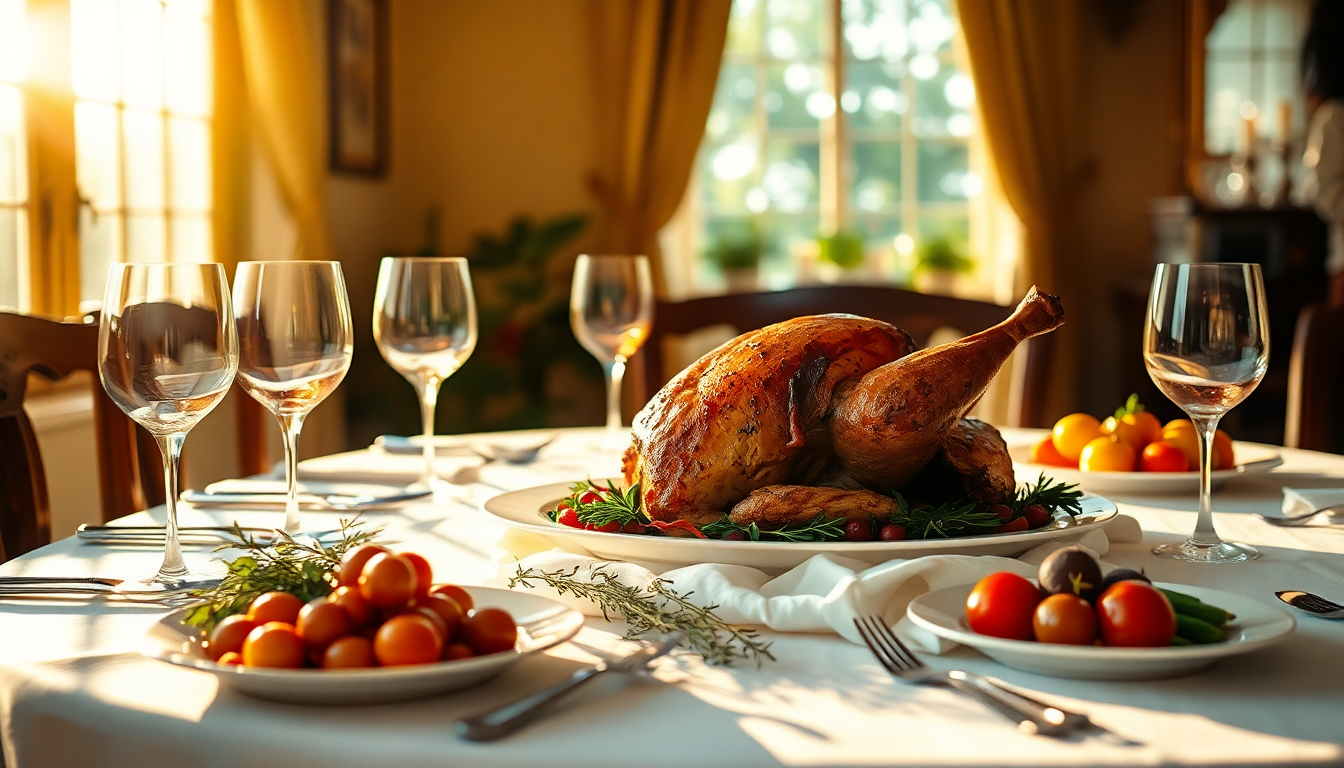
Sunday roast is one of the most cherished culinary traditions, bringing families together around a table laden with succulent meats, crispy vegetables, and rich gravies. However, the meal is only truly complete when paired with the right beverage. Whether you're hosting an intimate family gathering or entertaining guests, understanding what to drink with your Sunday roast can elevate the entire dining experience from pleasant to absolutely memorable. This comprehensive guide will walk you through everything you need to know about beverage pairings for this classic meal.
Understanding the Fundamentals of Food and Beverage Pairing
Before diving into specific recommendations for Sunday roast pairings, it's essential to understand the basic principles that govern successful food and beverage combinations. The art of pairing isn't merely about tradition or what you've always done; it's rooted in flavor chemistry and how different taste components interact on your palate.
The Science Behind Flavor Pairing
When you consume food and drink together, several chemical interactions occur that can either enhance or diminish your overall experience. The tannins in wine, for instance, interact with proteins in meat, creating a sensation that can make both the food and drink taste better. Acidity in beverages cuts through fatty foods, cleansing your palate and preparing it for the next bite. Sweetness can balance spicy or savory elements, while alcohol itself can carry flavors and create warmth that complements hearty dishes.
The key to successful pairing is understanding balance. A heavy, rich roast needs a beverage with enough structure to stand up to it, while lighter preparations might pair better with more delicate options. The cooking method also matters significantly. A slow-roasted beef prepared with herbs and root vegetables will pair differently than a quickly seared duck breast with a fruit glaze.
Considering Your Guests and Preferences
Not everyone drinks alcohol, and even among those who do, preferences vary widely. A successful host considers the diverse needs of their guests. Some may prefer wine, others beer, and still others might opt for non-alcoholic alternatives. The beauty of Sunday roast is that it's versatile enough to pair beautifully with numerous beverage options, ensuring everyone at your table can enjoy a complementary drink.
Red Wines: The Classic Choice for Sunday Roast
Red wine has long been the go-to pairing for Sunday roast, and for good reason. The combination of tannins, acidity, and fruit flavors in red wine creates a natural affinity with roasted meats and the savory, umami-rich gravies that accompany them.
Beef Roast Pairings
When serving a traditional beef roast, you have several excellent red wine options to consider. A classic Bordeaux, with its blend of Cabernet Sauvignon and Merlot, is perhaps the most traditional choice. The wine's structure and tannin content complement the richness of beef beautifully, while its subtle fruit notes don't overpower the meat's natural flavors. If you're looking for something slightly more approachable, a good Côtes du Rhône offers similar qualities at a more accessible price point.
For those who prefer something with a bit more fruit-forward character, a Burgundy made from Pinot Noir can be exceptional. The wine's silky tannins and earthy undertones pair wonderfully with beef, especially when the roast is prepared with mushrooms or herbs like thyme and rosemary. Australian Shiraz is another excellent option, offering bold fruit flavors and peppery spice that complement the caramelized exterior of a well-roasted beef joint.
If you're serving a leaner cut of beef or prefer a lighter wine, consider a Barbera from Italy or a Spanish Tempranillo. These wines have good acidity and moderate tannins, making them versatile enough to work with various preparations while still having enough body to stand up to the meat.
Lamb Roast Pairings
Lamb presents its own unique pairing opportunities. The meat's distinctive flavor profile, often described as slightly gamey, pairs beautifully with wines that have herbal or spicy characteristics. A Bordeaux blend still works well, but you might also consider a Châteauneuf-du-Pape from the Rhône Valley. This wine's complex blend of Grenache and other varieties, combined with its peppery spice and full body, complements lamb's rich flavor exceptionally well.
For a more budget-friendly option, Greek Agiorgitiko or Spanish Garnacha offer similar characteristics. If your lamb roast is prepared with Mediterranean herbs like oregano and thyme, these wines become even more appropriate. A Barossa Valley Shiraz from Australia also pairs wonderfully with lamb, particularly if the roast includes a mint sauce or jelly, as the wine's fruit-forward nature balances the mint's cooling effect.
Pork Roast Pairings
Pork roast, being somewhat lighter than beef or lamb, calls for wines with a bit less intensity. A good Burgundy Pinot Noir works beautifully, as does a lighter Bordeaux blend. However, pork also pairs well with some wines that might seem unconventional for roasted meats. A quality Alsatian Pinot Noir, with its delicate structure and subtle fruit, can be excellent. For a more adventurous pairing, consider a Spanish Rioja, which offers enough body to complement the meat while maintaining an elegance that doesn't overwhelm it.
If your pork roast is prepared with apple sauce or a fruit glaze, you might even consider a wine with a touch more fruit character, such as a Côtes du Rhône or a lighter Italian red like Valpolicella.
Duck Roast Pairings
Duck roast, with its richer, more intense flavor, requires wines with good structure and complexity. A Bordeaux blend is an excellent choice, as is a Burgundy Pinot Noir from a good producer. However, duck also pairs beautifully with some wines that might surprise you. A Barolo from Italy, with its powerful tannins and complex flavors, can be exceptional with duck, particularly if the bird is prepared with a rich sauce.
For something slightly different, consider a Rhône Valley wine like Gigondas or a quality Côtes du Rhône Villages. These wines have the body and complexity to match duck's richness while offering enough acidity to cut through the fat.
White Wines: The Underrated Option
While red wine dominates the Sunday roast pairing conversation, white wines deserve serious consideration, particularly for lighter preparations or when serving poultry.
Chicken Roast Pairings
A perfectly roasted chicken, with its crispy skin and tender meat, pairs beautifully with white wine. A good Burgundy white made from Chardonnay is an excellent choice, offering enough body and complexity to complement the meat without overwhelming it. The wine's subtle oak and buttery notes work particularly well if the chicken is served with a cream-based sauce.
For a lighter option, consider a white Bordeaux or a Graves. These wines, often blends of Sauvignon Blanc and Sémillon, offer good acidity and subtle fruit flavors that complement chicken without dominating it. If your chicken roast is prepared with herbs like tarragon or thyme, a Chablis—an unoaked Chardonnay from France—can be exceptional, as the wine's mineral qualities echo the herbs' freshness.
Seafood Roast Pairings
If you're serving roasted fish or seafood as your Sunday roast, white wine becomes the obvious choice. A quality Sauvignon Blanc, particularly one from the Loire Valley, pairs beautifully with roasted white fish. The wine's crisp acidity and herbaceous notes complement the delicate fish flavors perfectly. For richer fish like salmon or sea bass, consider a fuller-bodied white like a white Burgundy or a Grüner Veltliner from Austria.
Vegetable-Forward Roasts
For vegetarian Sunday roasts or meals where vegetables play a starring role, white wine can be an excellent choice. A Vermentino from Italy or a Albariño from Spain offers good acidity and mineral qualities that complement roasted vegetables beautifully. The wine's freshness provides a nice contrast to the caramelized, savory flavors of roasted root vegetables.
Rosé Wine: The Versatile Middle Ground
Rosé wine often gets overlooked in serious food pairing discussions, but it deserves consideration for Sunday roast, particularly in warmer months or for lighter preparations.
When Rosé Works Best
A dry rosé from Provence, with its delicate fruit flavors and crisp acidity, can pair beautifully with lighter roasts, particularly pork or chicken. The wine's versatility makes it an excellent choice when serving multiple types of roasted meats or when you're uncertain about your guests' preferences. Rosé also works well with roasts that include fruit elements, such as pork with apple sauce or duck with cherry glaze.
The key to successful rosé pairing is ensuring the wine is dry rather than sweet. Many commercial rosés contain residual sugar that can clash with savory roasted meats. Look for wines labeled as "sec" or "brut" to ensure you're getting a dry option suitable for food pairing.
Sparkling Wines and Champagne
While sparkling wine might seem like an unconventional choice for Sunday roast, it can actually be quite successful, particularly for certain preparations.
The Versatility of Bubbles
The acidity and effervescence of sparkling wine make it surprisingly versatile with roasted meats. A good Champagne or quality sparkling wine can cut through the richness of a beef roast while its bubbles provide a palate-cleansing effect between bites. This makes sparkling wine particularly good for longer meals where you'll be eating multiple courses.
Champagne pairs particularly well with lighter roasts and preparations with cream sauces. If your Sunday roast includes oysters or other seafood elements, sparkling wine becomes an even more natural choice. For a more budget-friendly option, Cava from Spain or Prosecco from Italy can offer similar benefits at a lower price point, though these tend to be slightly sweeter and less complex than Champagne.
Beer: A Worthy Alternative
Beer is often overlooked in formal food pairing discussions, but it deserves serious consideration for Sunday roast. The beverage's diverse styles offer numerous pairing possibilities.
Ales and Roasted Meats
A good English ale, particularly a brown ale or porter, pairs beautifully with roasted beef. The beer's malty sweetness and slight bitterness complement the meat's savory flavors, while the carbonation provides a palate-cleansing effect similar to wine. A brown ale like Newcastle Brown Ale or a quality craft brown ale offers enough body to stand up to rich roasts while maintaining enough subtlety to not overpower the meal.
For lamb roast, consider a Scottish ale or a quality IPA. The ale's caramel notes complement lamb's distinctive flavor, while an IPA's hoppy bitterness can cut through the meat's richness effectively. Porter and stout beers, with their deep, complex flavors and slight bitterness, pair exceptionally well with beef, particularly if the roast is prepared with a rich, dark gravy.
Lagers and Lighter Roasts
For lighter roasts like chicken or pork, a quality lager can be an excellent choice. The beer's clean, crisp character doesn't overpower delicate meats, while its subtle sweetness complements the meat's natural flavors. A pilsner, with its balanced bitterness and floral notes, works particularly well with pork roast, especially if the meat is prepared with herbs.
Ciders and Fruit Beers
For roasts prepared with fruit elements, ciders and fruit beers can be surprisingly effective. A dry cider pairs beautifully with pork roast, particularly if the meal includes apple sauce or a fruit glaze. The cider's natural apple flavors create a harmonious pairing while its acidity cuts through the meat's richness. Fruit beers, particularly those made with cherry or berry, can work well with duck roast or other preparations with fruit-based sauces.
Non-Alcoholic Alternatives
Not everyone drinks alcohol, and providing excellent non-alcoholic options is a mark of a thoughtful host.
Sophisticated Non-Alcoholic Options
Alcohol-free wines have improved dramatically in recent years, with many producers creating sophisticated options that can pair reasonably well with roasted meats. While they may not offer the complexity of traditional wine, quality alcohol-free options can provide an acceptable alternative for those who don't drink alcohol.
Sparkling ciders, both alcoholic and non-alcoholic, offer a festive option with good acidity that complements roasted meats. High-quality fruit juices, particularly pomegranate or cranberry juice, can work well with roasted meats, offering acidity and flavor complexity that pairs better than you might expect.
Sophisticated Soft Drinks
Ginger ale, particularly quality craft versions, pairs surprisingly well with roasted meats. The ginger's spice and the beverage's acidity create a pairing that works better than standard cola. Herbal teas, served hot or cold depending on the season, can also be excellent options. A strong black tea with a touch of lemon offers tannins and acidity similar to wine, making it a more sophisticated alternative than many realize.
Considering Your Roast's Preparation
The specific way you prepare your Sunday roast significantly influences the best beverage pairing.
Herb and Spice Considerations
If your roast is heavily seasoned with herbs like rosemary, thyme, or sage, you'll want a beverage that complements these flavors. Wines with herbal or earthy notes work particularly well. A Bordeaux blend, with its subtle herbal undertones, is an excellent choice. If your roast includes spices like black pepper, cumin, or coriander, a wine with peppery or spicy characteristics, such as a Rhône Valley wine or Australian Shiraz, becomes more appropriate.
Sauce and Gravy Influence
The sauce or gravy served with your roast plays a crucial role in beverage pairing. A rich, dark gravy made from meat drippings calls for a wine with good tannins and body to match its intensity. A lighter, cream-based sauce might pair better with a white wine or a lighter red. If your gravy includes wine or brandy, consider pairing with a similar beverage to create harmony on the palate.
Cooking Method Impact
The cooking method affects the roast's flavor profile and therefore its pairing needs. A slow-roasted joint, cooked at low temperature for hours, develops deep, complex flavors that pair well with full-bodied wines. A higher-temperature roast with a crispy exterior and more delicate interior might pair better with lighter wines. A roast cooked with vegetables, where the vegetables' flavors meld with the meat, might benefit from a wine that complements both elements.
Seasonal Considerations
The time of year can influence your beverage choices for Sunday roast.
Summer Pairings
During warmer months, lighter wines and chilled beverages become more appealing. A dry rosé, a crisp white wine, or a light lager can be more refreshing than a heavy red wine. The lighter preparations more common in summer, such as roasted chicken or fish, also naturally pair better with lighter beverages.
Winter Pairings
Winter calls for heartier pairings. Full-bodied red wines, warming ales, and rich stouts become more appropriate. The heavier roasts common in winter, such as beef or lamb, pair beautifully with these more substantial beverages. Hot beverages like mulled wine or spiced cider can add to the cozy atmosphere of a winter Sunday roast.
Spring and Autumn Transitions
Spring and autumn offer opportunities for more moderate choices. A good Pinot Noir or a quality ale can work well during these transitional seasons. The lighter preparations of spring and the heartier ones of autumn can both be accommodated with versatile beverages like these.
Budget Considerations
You don't need to spend a fortune on beverages to pair well with Sunday roast. Understanding value options can help you create an excellent experience without breaking the bank.
Budget-Friendly Wine Options
Many excellent wines for Sunday roast pairing are available at reasonable prices. Spanish wines, particularly Tempranillo and Garnacha, offer excellent quality at lower price points than French equivalents. Portuguese wines, including those from the Douro Valley, provide similar value. Argentine Malbec offers a full-bodied red wine option at a fraction of the cost of premium Bordeaux.
Value Beers and Ciders
Craft breweries have made excellent beers more accessible at reasonable prices. Many local breweries offer quality ales and lagers that pair beautifully with roasted meats at prices comparable to or lower than wine. Similarly, quality ciders from smaller producers often offer better value than premium wines.
Making the Most of Your Budget
Rather than buying one expensive bottle, consider purchasing several moderately priced options. This allows your guests to choose according to their preferences and gives you the opportunity to discover new favorites. Buying wine from discount retailers or during sales can help you stock quality options without overspending.
Hosting Tips for Beverage Service
How you serve beverages can significantly impact the dining experience.

Leave a comment
This site is protected by hCaptcha and the hCaptcha Privacy Policy and Terms of Service apply.