

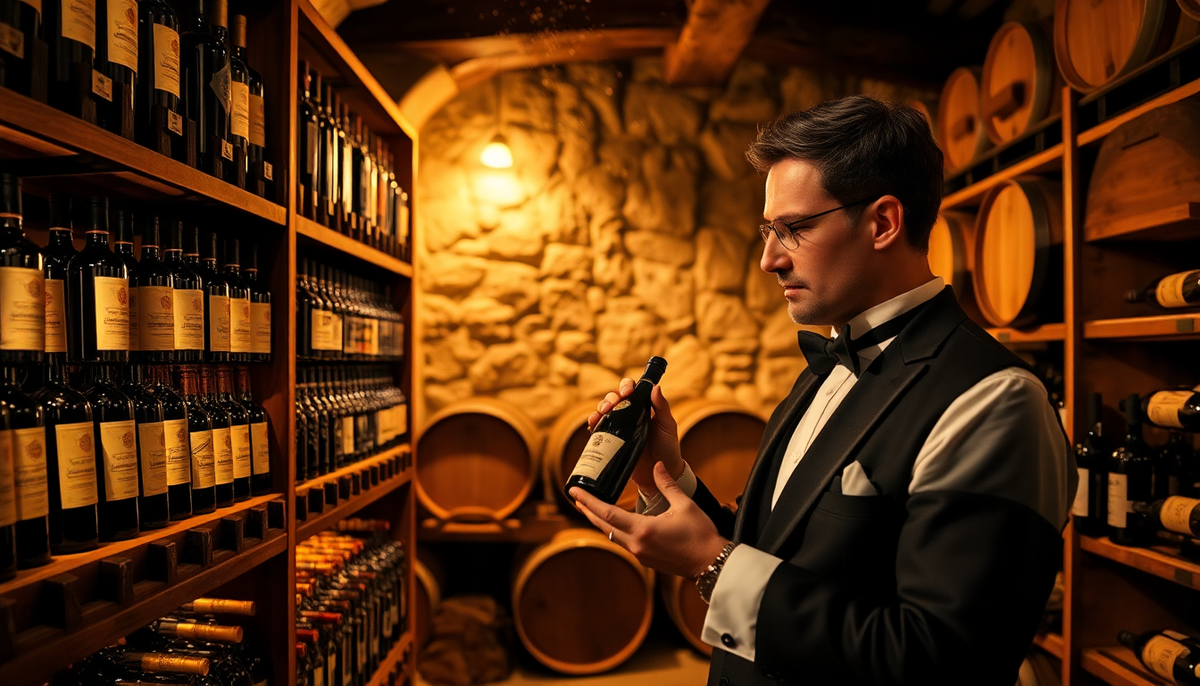
When it comes to wine collecting and appreciation, few things capture the imagination quite like limited release wines. These exclusive bottles represent the pinnacle of winemaking artistry, scarcity, and investment potential. At Curtis Family Vineyards, we understand the allure and value of limited release wines, and we're passionate about helping enthusiasts and collectors discover why these exceptional bottles deserve a place in your collection.
Limited release wines are more than just beverages; they're tangible assets that tell stories of terroir, craftsmanship, and vision. Whether you're a seasoned collector or someone just beginning to explore the world of fine wines, understanding the value proposition of limited releases can transform how you approach wine investment and enjoyment.
Understanding Limited Release Wines
What Makes a Wine Limited Release?
Limited release wines are produced in small quantities, typically ranging from a few hundred to a few thousand bottles. This scarcity is intentional and strategic, created through various methods that reflect the winemaker's philosophy and market positioning. Unlike commercial wines produced in massive quantities, limited releases are crafted with meticulous attention to detail, often using premium fruit and innovative techniques.
The term "limited release" encompasses several categories. Some wineries produce limited releases annually, creating a tradition that collectors anticipate each year. Others release limited editions sporadically, perhaps when exceptional vintage conditions align or when a winemaker wants to experiment with a new blend or technique. The key characteristic is that production is deliberately constrained, creating natural scarcity that drives both desirability and value.
At Curtis Family Vineyards, our limited releases represent our most ambitious projects. We select only the finest fruit from our vineyards, often reserving specific blocks or parcels for these special bottlings. The decision to produce a limited release is never taken lightly; it reflects our commitment to quality over quantity and our desire to create wines that will be remembered and treasured for decades.
The Philosophy Behind Limited Production
The philosophy of limited production runs counter to conventional commercial thinking. In most industries, success is measured by volume and market penetration. However, in the world of fine wine, the inverse often holds true. By limiting production, wineries create an aura of exclusivity that enhances perceived value and desirability.
This approach also allows winemakers to maintain absolute control over quality. When you're producing limited quantities, you can afford to be more selective about fruit selection, more experimental with techniques, and more patient with aging. There's no pressure to release wines before they're ready simply to meet production targets or quarterly earnings expectations.
The limited release model also reflects a deep respect for the vineyard and the vintage. Some years produce exceptional fruit that deserves special treatment. Rather than blending this exceptional fruit into standard releases, winemakers can showcase it in limited edition bottlings that highlight the unique characteristics of that particular year and location.
The Investment Case for Limited Release Wines
Scarcity and Appreciation Potential
One of the most compelling reasons to invest in limited release wines is their appreciation potential. Basic economics tells us that when supply is constrained and demand is strong, prices tend to rise. This principle applies directly to limited release wines, particularly those from established wineries with strong reputations.
Consider a limited release wine produced in only 500 bottles. As these bottles are consumed, opened, and enjoyed, the remaining inventory decreases. If the wine receives critical acclaim or develops a strong reputation, demand may increase while supply dwindles. This dynamic creates a powerful formula for price appreciation.
Historical data supports this thesis. Many limited releases from prestigious wineries have appreciated significantly over time. A bottle that sold for $75 at release might command $200 or more a decade later, particularly if the wine has aged well and developed additional complexity. For serious collectors, this appreciation can rival or exceed returns from traditional investment vehicles.
The key to realizing this appreciation is selecting the right wines. Not all limited releases appreciate equally. Wines from established wineries with strong track records, wines that receive critical acclaim, and wines that demonstrate aging potential tend to appreciate more reliably. This is where knowledge and expertise become valuable. Understanding which limited releases are likely to appreciate requires understanding the winery's reputation, the vintage conditions, the wine's composition, and broader market trends.
Diversification of Investment Portfolio
For high-net-worth individuals and serious collectors, limited release wines offer portfolio diversification benefits. Wine is a tangible asset that doesn't correlate perfectly with traditional financial markets. While stock markets may be volatile, fine wine prices tend to follow different cycles and respond to different factors.
This non-correlation makes wine a valuable portfolio diversifier. A portfolio that includes fine wine alongside stocks, bonds, and real estate may experience lower overall volatility and more stable returns. Additionally, wine provides psychological benefits that financial assets don't; you can enjoy and appreciate your investment while it appreciates in value.
The wine investment market has become increasingly sophisticated, with specialized funds, auction houses, and investment advisors focusing exclusively on fine wine. This professionalization has made wine investing more accessible and transparent, with reliable pricing data and authentication services available to investors.
Tangible Asset Benefits
Unlike stocks or bonds, wine is a tangible asset you can see, smell, and taste. This tangibility provides psychological comfort and allows for direct enjoyment of your investment. You're not simply watching a number on a screen; you're building a collection of beautiful, complex beverages that can be shared with friends and family.
Tangible assets also provide certain legal and tax advantages in various jurisdictions. While tax laws vary by location, wine can sometimes be treated more favorably than financial assets in estate planning and wealth transfer scenarios. Additionally, owning physical wine provides a hedge against currency fluctuations and inflation, as wine prices tend to rise with inflation over long periods.
The tangible nature of wine also means you can directly verify its authenticity and condition. You can inspect the bottle, check the label, examine the fill level, and assess the overall presentation. This direct verification reduces counterfeiting risk compared to some other collectibles.
Quality and Craftsmanship in Limited Releases
Selection and Fruit Quality
The foundation of any exceptional limited release wine is exceptional fruit. Winemakers who produce limited releases typically employ rigorous selection processes, often hand-selecting grapes or even individual grape clusters. This meticulous selection ensures that only the finest fruit makes it into the limited release bottling.
At Curtis Family Vineyards, our limited releases begin in the vineyard. Our viticulturists monitor vine health, fruit development, and ripeness with extraordinary attention to detail. When harvest time arrives, we conduct multiple passes through the vineyard, selecting only grapes that meet our exacting standards. This selective harvesting is labor-intensive and expensive, but it's essential for producing wines of exceptional quality.
The fruit selection process continues in the winery. Upon arrival, grapes are sorted multiple times, with damaged or underripe berries removed. This sorting process, often done by hand, ensures that only perfect fruit enters fermentation. Some wineries even conduct berry-by-berry selection, using optical sorting technology to identify and remove any fruit that doesn't meet specifications.
This commitment to fruit quality is one of the primary reasons limited release wines taste different from standard releases. The fruit is simply superior, and this superiority translates directly into the finished wine. You can taste the difference in the wine's complexity, balance, and aging potential.
Winemaking Techniques and Innovation
Limited releases also showcase innovative winemaking techniques and experimentation. With smaller production volumes, winemakers can afford to take risks and try new approaches that might be too risky for large-scale production.
These innovations might include experimental fermentation temperatures, extended maceration periods, use of different oak types or cooperage, or blending with unusual varietals. Some winemakers use limited releases to explore the potential of lesser-known grape varieties or to showcase the characteristics of specific vineyard blocks.
The experimentation that happens in limited release production often influences future standard releases. Successful techniques developed during limited release production may eventually be incorporated into larger-scale bottlings, benefiting all of the winery's customers. In this way, limited releases serve as laboratories for winemaking innovation.
Aging Potential and Complexity
Limited release wines are typically produced with extended aging in mind. The fruit selection, winemaking techniques, and oak treatment are all designed to create wines that will develop and improve over decades. This focus on aging potential distinguishes limited releases from many commercial wines designed for near-term consumption.
Wines with strong aging potential develop additional complexity as they mature. Tannins soften, flavors integrate, and new aromatic compounds develop. A limited release wine that tastes good at release might taste extraordinary after ten or twenty years of proper storage. This evolution is part of the pleasure of collecting fine wine; you're not simply buying a finished product, but rather investing in a wine's future development.
Understanding a wine's aging potential is crucial for collectors. Wines with strong aging potential should be stored properly and given time to develop. Drinking them too young means missing the complexity they'll develop with age. Conversely, some wines are meant to be enjoyed relatively young, and holding them too long may result in deterioration rather than improvement.
The Collector's Perspective
Building a Meaningful Collection
For many wine enthusiasts, collecting limited release wines is about more than investment returns. It's about building a meaningful collection that reflects personal taste, vineyard relationships, and wine history. A well-curated collection tells a story about the collector's journey through the world of wine.
Building a meaningful collection requires developing expertise and relationships. Serious collectors often develop relationships with winemakers, visiting vineyards regularly and learning directly about the wines they collect. These relationships provide access to limited releases that may not be widely available and offer insights into the winemaking philosophy behind the wines.
A meaningful collection typically includes wines from multiple vintages, allowing the collector to observe how wines from the same winery evolve across different years. It might also include limited releases from different regions or varietals, showcasing the diversity of fine wine. Over time, a well-built collection becomes a valuable asset that reflects years of learning and appreciation.
Tasting and Enjoyment
While investment potential is important, the primary purpose of wine is enjoyment. Limited release wines offer exceptional tasting experiences that justify their premium prices. The complexity, balance, and elegance of well-made limited releases provide sensory pleasures that more commercial wines simply cannot match.
Tasting limited release wines is an educational experience. Each wine teaches you something about the vineyard, the vintage, the winemaker's vision, and the potential of the grape varieties used. Over time, tasting many limited releases develops your palate and deepens your appreciation for fine wine.
Many collectors organize tasting events where they open bottles from their collection, often comparing different vintages or different winemakers' interpretations of similar wines. These tastings are social events that bring together people who share a passion for wine. The memories created around these tastings often become as valuable as the wines themselves.
Authentication and Provenance
As limited release wines appreciate in value, authentication and provenance become increasingly important. Counterfeit wines do exist, particularly for highly valuable bottles. Serious collectors invest in authentication services and maintain detailed records of their purchases and storage conditions.
Provenance refers to the documented history of a bottle, including where it was purchased, how it was stored, and who has owned it. Wines with clear, documented provenance command higher prices than wines with unclear histories. This is why purchasing from reputable sources and maintaining detailed records is so important for collectors.
Authentication involves verifying that a bottle is genuine and that it hasn't been tampered with or refilled. Professional authenticators examine labels, bottles, fill levels, and other characteristics to verify authenticity. For expensive bottles, professional authentication is a worthwhile investment that protects your collection's value.
Market Trends and Demand Drivers
Critical Acclaim and Ratings
Wine critics and rating systems play a significant role in driving demand for limited release wines. A high score from a prestigious critic or publication can dramatically increase demand and prices for a wine. This reality has created a somewhat controversial dynamic in the wine world, where some argue that wines are being made to please critics rather than to express terroir or the winemaker's vision.
Regardless of this debate, the reality is that critical acclaim drives market demand. Wines that receive scores of 95 or higher from major critics often appreciate significantly. Collectors actively seek out highly-rated wines, and limited releases with strong critical scores tend to appreciate more reliably than those without critical recognition.
However, critical acclaim isn't the only factor that drives value. Some limited releases develop cult followings based on word-of-mouth reputation and collector enthusiasm, even without major critical recognition. These wines can appreciate just as dramatically as critically acclaimed wines, sometimes even more so.
Vintage Variation and Terroir Expression
The concept of vintage variation is central to understanding limited release wine value. Different years produce different conditions, resulting in wines with different characteristics. Some vintages are considered exceptional, producing wines with ideal balance and aging potential. Other vintages are more challenging, resulting in wines that may be less consistent or have different characteristics.
Exceptional vintages tend to produce limited releases that appreciate more reliably. A limited release from a great vintage has the potential to develop beautifully over decades, attracting collectors willing to pay premium prices. Conversely, limited releases from challenging vintages may appreciate more slowly, though they can still develop into excellent wines.
Terroir, the concept that a wine's character is shaped by its geographic location and environmental conditions, is central to limited release wine appreciation. Collectors often seek limited releases that express distinctive terroir characteristics, showcasing what makes a particular vineyard or region unique. Wines that clearly express terroir tend to be more collectible and appreciate more reliably.
Emerging Markets and Global Demand
The global demand for fine wine has expanded dramatically in recent decades, particularly from emerging markets in Asia. This expanding demand has increased prices for limited release wines, particularly from prestigious regions like Bordeaux and Burgundy.
However, this global demand also creates opportunities for limited releases from less traditional regions. As collectors worldwide become more adventurous, they're discovering exceptional limited releases from regions outside the traditional fine wine centers. This expanding appreciation for diverse wine regions creates opportunities for limited releases from emerging wine regions to appreciate significantly.
Understanding global demand trends is important for wine investors. Wines that are gaining popularity in emerging markets may appreciate more reliably than wines that are only popular in traditional markets. Conversely, wines that are falling out of favor may appreciate more slowly or even depreciate.
Practical Considerations for Limited Release Wine Investment
Storage and Cellar Conditions
Proper storage is absolutely critical for protecting your investment in limited release wines. Wine is a delicate product that can be damaged by improper storage conditions. Temperature fluctuations, excessive light exposure, and humidity extremes can all damage wine, reducing its value and enjoyment potential.
Ideal cellar conditions maintain a constant temperature around 55 degrees Fahrenheit, with humidity levels between 50 and 80 percent. Bottles should be stored horizontally to keep the cork moist, preventing it from drying out and allowing oxygen to enter the bottle. The storage area should be dark, as light exposure can degrade wine and cause premature aging.
Many serious collectors invest in professional wine storage facilities that maintain ideal conditions. These facilities offer climate control, security, and insurance, protecting valuable collections from damage and theft. While professional storage involves ongoing costs, it's often worthwhile for valuable collections.
Home cellars are another option, though they require significant investment in climate control and proper construction. A well-designed home cellar can provide ideal storage conditions while allowing you to enjoy your collection's proximity.
Insurance and Documentation
Valuable wine collections should be insured against loss, damage, and theft. Standard homeowners insurance typically doesn't provide adequate coverage for valuable wine collections. Specialized wine insurance policies are available that provide comprehensive coverage for wine collections.
Insurance requires documentation of your collection, including purchase receipts, tasting notes, and photographs of bottles. This documentation serves multiple purposes: it supports insurance claims, helps with authentication, and provides a record of your collection's development over time.
Maintaining detailed records of your collection is also important for tax purposes. In some jurisdictions, wine collections may be subject to estate taxes or capital gains taxes when sold. Proper documentation helps ensure that you can accurately report gains and losses for tax purposes.
Purchasing Strategies
Successful limited release wine investment requires a thoughtful purchasing strategy. Rather than buying randomly, successful collectors develop a strategy based on their budget, taste preferences, and investment goals.
One common strategy is to focus on specific regions or winemakers, building deep knowledge about their wines and developing relationships with producers. This focused approach allows you to understand quality variations and identify exceptional values.
Another strategy is to purchase at release, when prices are typically lowest. Limited releases often appreciate most significantly in the years immediately following release, as the wine develops reputation and remaining inventory decreases. Purchasing at release allows you to capture this appreciation.
However, purchasing at release requires access to limited releases, which often requires relationships with wineries or membership in wine clubs. Building these relationships takes time and effort but provides access to wines that may not be available on the secondary market.
Selling and Liquidity
While limited release wines can appreciate significantly, it's important to understand the liquidity of wine investments. Unlike stocks or bonds, which can be sold instantly, wine sales typically take time and involve transaction costs.
Wine can be sold through several channels: directly to other collectors, through wine retailers, through auction houses, or through wine investment platforms. Each channel has different advantages and disadvantages in terms of price realization, transaction costs, and time required to complete the sale.
Auction houses typically provide the highest prices for exceptional wines but charge significant commissions, typically 10-15 percent of the sale price. Wine retailers may offer lower prices but provide faster sales and lower transaction costs. Direct sales to other collectors can provide good prices but require finding interested buyers.
Understanding these different sales channels and their characteristics is important for planning your exit strategy. Wines that are highly sought after and have strong provenance typically sell more easily and command higher prices than wines with less clear histories or less popular characteristics.


Leave a comment
This site is protected by hCaptcha and the hCaptcha Privacy Policy and Terms of Service apply.