

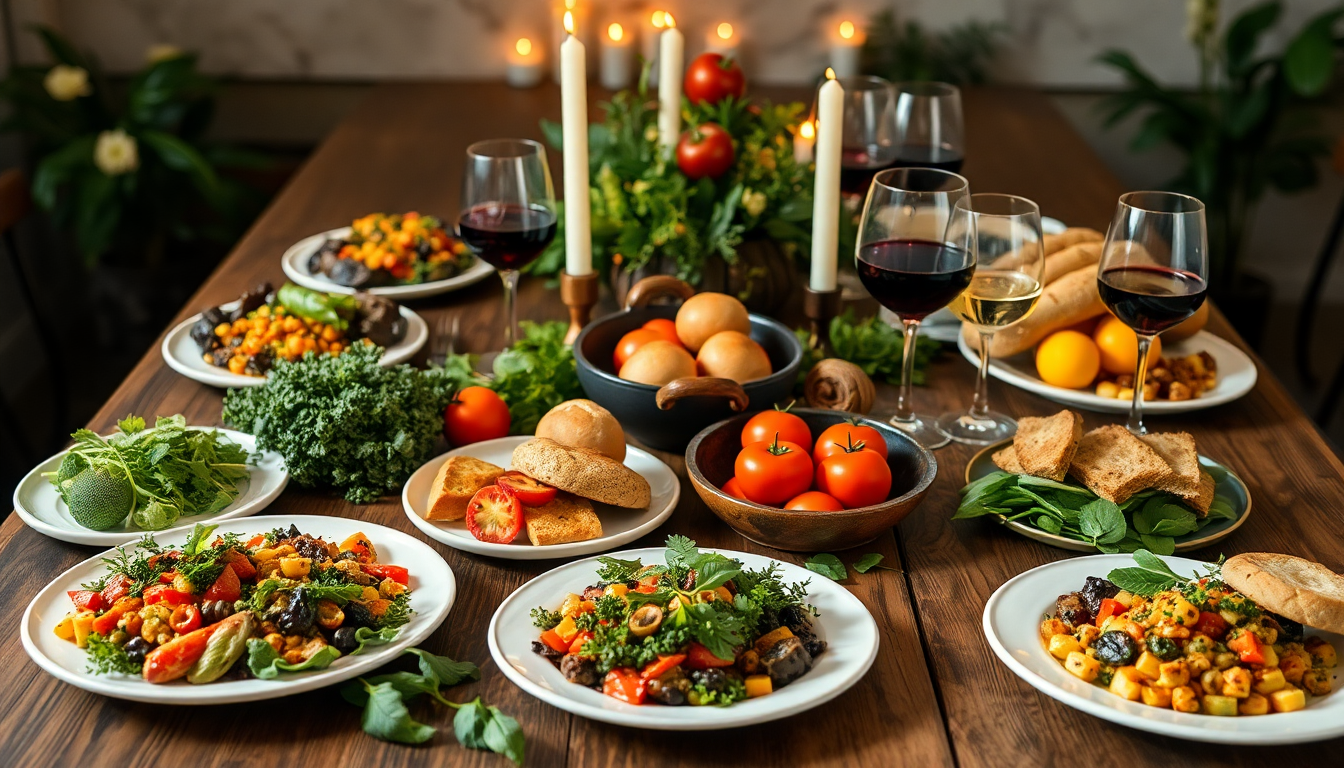
Wine pairing is often considered an essential art form in the culinary world, yet many people assume that vegetarian cuisine presents unique challenges when it comes to selecting the perfect wine accompaniments. At Curtis Family Vineyards, we believe that plant-based dining deserves just as much attention and sophistication as any meat-centered meal. In fact, vegetarian cuisine offers an incredible opportunity to explore the full spectrum of wine varieties and discover pairings that might surprise even the most seasoned wine enthusiasts.
The misconception that wine pairing is exclusively the domain of meat dishes has persisted for far too long. Vegetables, legumes, grains, and plant-based proteins offer a remarkable diversity of flavors, textures, and cooking methods that can be beautifully complemented by thoughtfully selected wines. Whether you're hosting a formal vegetarian dinner party, planning a casual family meal, or simply looking to enhance your everyday dining experience, understanding the principles of wine pairing for vegetarian food will elevate your appreciation of both the cuisine and the wine.
This comprehensive guide will walk you through everything you need to know about pairing wines with vegetarian dishes. We'll explore the fundamental principles that govern successful pairings, examine specific vegetable categories and their ideal wine matches, discuss various cooking methods and their impact on wine selection, and provide practical recommendations for building a well-rounded wine collection that complements plant-based cooking. Whether you're a vegetarian, vegan, or simply someone who enjoys meatless meals, this guide will help you navigate the exciting world of wine pairing with confidence and creativity.
Understanding the Fundamentals of Wine Pairing
Before diving into specific pairings, it's essential to understand the basic principles that make wine and food combinations work harmoniously. These fundamental concepts apply equally to vegetarian and non-vegetarian cuisine, though the specific applications may differ.
The Role of Acidity in Wine Pairing
Acidity is one of the most important components of wine, and it plays a crucial role in food pairing. Wines with higher acidity levels tend to cut through rich, fatty, or creamy dishes, cleansing the palate and preparing it for the next bite. This is particularly valuable in vegetarian cooking, where cream-based sauces, cheese, and oil-rich preparations are common.
When you're pairing wine with a creamy vegetable gratin or a rich mushroom risotto, selecting a wine with good acidity will prevent the combination from becoming heavy or cloying. The acidity acts as a palate cleanser, allowing you to fully appreciate both the wine and the food without either overwhelming the other. Wines like Sauvignon Blanc, Albariño, and Vermentino are excellent choices for cream-based vegetarian dishes because their crisp acidity cuts through the richness beautifully.
The acidity in wine also helps to highlight the natural flavors of vegetables. Many vegetables contain subtle flavor compounds that can be enhanced by the right level of acidity. For example, the bright acidity of a Pinot Grigio can bring out the delicate, slightly sweet notes in roasted fennel or the subtle earthiness in sautéed mushrooms.
Tannins and Their Interaction with Plant-Based Foods
Tannins are compounds found primarily in red wines, and they come from the grape skins, seeds, and stems. They create a drying sensation in the mouth and can add complexity and structure to wine. Understanding how tannins interact with vegetarian dishes is crucial for successful pairing.
Contrary to popular belief, tannins pair beautifully with many vegetarian dishes, particularly those featuring hearty vegetables, legumes, and umami-rich ingredients. The key is to match the intensity of the tannins with the intensity of the dish. A light, delicate vegetable soup would be overwhelmed by a full-bodied Cabernet Sauvignon with high tannins, but a robust lentil stew or a vegetable-based chili would be an excellent match.
Tannins also interact interestingly with certain vegetables. Cruciferous vegetables like broccoli and cabbage can sometimes amplify the perception of tannins, making wines taste more astringent. However, when these vegetables are prepared with rich sauces or paired with umami-rich ingredients like mushrooms or soy sauce, the tannins become more integrated and pleasant.
The Importance of Flavor Intensity Matching
One of the most fundamental principles of wine pairing is matching the intensity of the wine with the intensity of the dish. A delicate, subtle wine will be lost alongside a bold, heavily spiced dish, while a powerful wine will overwhelm a delicate preparation.
In vegetarian cooking, this principle is particularly important because the flavors can vary dramatically depending on the cooking method and ingredients used. A lightly sautéed zucchini with fresh herbs calls for a different wine than a deeply roasted vegetable medley with caramelized edges and concentrated flavors. The roasted vegetables have more intense, concentrated flavors that can stand up to a wine with more body and complexity.
Consider the cooking method, the seasonings, the sauce, and any additional ingredients when assessing the intensity of your dish. A vegetable stir-fry with ginger, garlic, and soy sauce has more intensity than the same vegetables steamed with just a touch of butter and salt. The intensity of your wine selection should reflect this difference.
Complementary Versus Contrasting Pairings
There are two main approaches to wine pairing: complementary and contrasting. Complementary pairings work by echoing similar flavors or characteristics between the wine and the food. Contrasting pairings work by providing balance through opposite qualities.
For example, a complementary pairing might be a Chardonnay with roasted cauliflower, as both have rich, slightly buttery characteristics. A contrasting pairing might be a crisp Sauvignon Blanc with the same roasted cauliflower, where the wine's acidity and herbaceous notes provide a refreshing counterpoint to the richness of the roasted vegetable.
Both approaches can be successful, and the choice often depends on personal preference and the specific context of the meal. Some people prefer the harmony of complementary pairings, while others enjoy the dynamic tension created by contrasting combinations. Experimentation is key to discovering your own preferences.
Pairing Wines with Specific Vegetable Categories
Different vegetables have distinct flavor profiles, textures, and cooking characteristics that influence their wine pairing potential. Understanding these categories will help you make informed decisions when selecting wines for your vegetarian meals.
Leafy Greens and Salads
Leafy greens, including spinach, arugula, lettuce, and kale, are often the foundation of vegetarian meals. When served raw in salads, they present unique pairing challenges because of their sometimes bitter or peppery qualities and the acidity of salad dressings.
The acidity in salad dressing is crucial to consider when pairing wine. Vinaigrettes with high acidity can make wine taste thin or overly acidic if the wine doesn't have sufficient acidity of its own. For salads with acidic dressings, choose wines with good acidity that can stand up to the dressing without being overwhelmed. Sauvignon Blanc, Verdicchio, and Grüner Veltliner are excellent choices because their natural acidity complements the acidity in the dressing.
Bitter greens like arugula and radicchio pair particularly well with wines that have some sweetness or fruitiness to balance the bitterness. A slightly off-dry Riesling or a fruity Pinot Noir can work beautifully with a salad featuring these assertive greens. The slight sweetness in the wine provides a pleasant contrast to the bitter notes in the greens.
When leafy greens are cooked, their character changes significantly. Sautéed spinach or braised kale becomes softer and develops deeper, more concentrated flavors. These preparations pair well with fuller-bodied whites like Chardonnay or lighter reds like Pinot Noir, depending on how the greens are prepared and what other ingredients are included.
Root Vegetables and Alliums
Root vegetables like carrots, beets, parsnips, and turnips, along with alliums such as onions, garlic, and leeks, form the aromatic and flavor base of many vegetarian dishes. These vegetables develop sweet, caramelized flavors when roasted or braised, making them excellent candidates for wine pairing.
Roasted root vegetables with their concentrated sweetness and caramelized edges pair beautifully with wines that have some fruitiness and body. A Côtes du Rhône or a medium-bodied Pinot Noir complements roasted vegetables wonderfully. The wine's fruit flavors echo the natural sweetness of the vegetables, while its acidity cuts through any richness from oil or butter used in preparation.
Beets, with their earthy sweetness and sometimes mineral notes, pair exceptionally well with Pinot Noir or Grenache. The wine's acidity and fruit characteristics complement the beet's unique flavor profile. A Barbera or a Sangiovese can also work well, particularly if the beets are prepared with herbs like thyme or rosemary.
Caramelized onions, with their deep, sweet, umami-rich flavor, are a vegetarian chef's secret weapon. They pair beautifully with fuller-bodied reds like Côtes du Rhône, Grenache, or even a lighter Cabernet Sauvignon. The wine's tannins and fruit flavors provide a sophisticated counterpoint to the onions' complex sweetness.
Cruciferous Vegetables
Cruciferous vegetables including broccoli, cauliflower, Brussels sprouts, and cabbage can present pairing challenges because of their sulfurous compounds and sometimes bitter qualities. However, when prepared thoughtfully, they offer exciting pairing opportunities.
Raw or lightly cooked cruciferous vegetables are best paired with crisp, acidic white wines. A Sauvignon Blanc or Albariño will cut through any bitterness and complement the vegetables' fresh, slightly peppery notes. The wine's acidity helps to neutralize the sulfurous compounds that can sometimes make these vegetables challenging to pair with wine.
When cruciferous vegetables are roasted until their edges are caramelized and their flavors become sweeter and more concentrated, they can pair with fuller-bodied whites or even light reds. Roasted cauliflower with a golden, crispy exterior develops nutty, almost sweet flavors that pair beautifully with a Chardonnay or a light Pinot Noir. The wine's body and complexity match the intensified flavors of the roasted vegetable.
Braised or stewed cruciferous vegetables, particularly when prepared with rich sauces or umami-rich ingredients, can pair with medium-bodied reds. A Barbera or a Chianti Classico works well with braised cabbage or a hearty cauliflower stew, especially if the dish includes tomatoes, mushrooms, or other umami-rich components.
Nightshade Vegetables
Tomatoes, peppers, eggplants, and potatoes are nightshade vegetables that are staples in vegetarian cooking. Each has distinct characteristics that influence wine pairing.
Tomatoes, particularly when cooked into sauces, are acidic and can be challenging to pair with wine. The acidity in tomato sauce can make wine taste thin or overly acidic. However, wines with good acidity and some body can work well. A Sangiovese or Barbera, both of which have good acidity and often show herbal notes that complement tomato-based dishes, are excellent choices. The wine's acidity matches the acidity in the tomato sauce, creating a harmonious pairing.
Fresh tomatoes in salads or lightly cooked preparations pair well with crisp white wines like Vermentino or Pinot Grigio. The wine's acidity and freshness complement the tomato's bright, slightly acidic flavor.
Peppers, whether sweet bell peppers or spicy chili peppers, have a natural sweetness that pairs well with wines that have some fruitiness. A Riesling, whether dry or slightly off-dry, works beautifully with roasted peppers. The wine's fruit characteristics echo the pepper's natural sweetness, while its acidity provides balance.
Eggplant, with its mild, slightly earthy flavor and creamy texture when cooked, pairs well with medium-bodied reds. A Grenache or a Côtes du Rhône complements eggplant's subtle flavors without overwhelming them. The wine's fruit and acidity provide a pleasant contrast to the eggplant's creamy texture.
Potatoes, particularly when prepared in rich, creamy dishes, pair well with crisp white wines that have good acidity. A Sauvignon Blanc or Albariño cuts through the richness of a potato gratin or creamy potato soup. When potatoes are roasted or fried, they develop deeper flavors that can pair with fuller-bodied whites or light reds.
Mushrooms and Fungi
Mushrooms deserve special attention in vegetarian wine pairing because of their unique umami-rich flavor profile. Umami, often called the fifth taste, is a savory quality that creates a sense of fullness and satisfaction in the mouth.
Different types of mushrooms have different flavor intensities and pairing potential. Button mushrooms, with their mild, slightly earthy flavor, pair well with crisp white wines like Pinot Grigio or Sauvignon Blanc. These wines' acidity and freshness complement the mushroom's delicate flavor without overwhelming it.
Cremini and portobello mushrooms, which are more mature versions of button mushrooms, have deeper, more concentrated flavors. They pair beautifully with fuller-bodied whites like Chardonnay or light reds like Pinot Noir. The wine's body and complexity match the mushroom's more assertive flavor.
Wild mushrooms like porcini, chanterelle, and morel have intense, complex flavors that demand wines with sufficient body and complexity. A Burgundy-style Pinot Noir or a Rhône-style Grenache pairs beautifully with wild mushroom preparations. The wine's earthy notes and fruit characteristics complement the mushroom's complex flavor profile.
Mushrooms prepared with umami-rich ingredients like soy sauce, miso, or aged balsamic vinegar create dishes with intense savory flavors. These preparations pair exceptionally well with medium to full-bodied reds. A Barbera, Sangiovese, or even a lighter Cabernet Sauvignon can work beautifully, as the wine's tannins and acidity provide structure and balance to the dish's intense umami flavors.
Legumes and Pulses
Beans, lentils, chickpeas, and other legumes are protein-rich staples in vegetarian cooking. Their earthy, slightly sweet flavors and creamy textures when cooked make them excellent candidates for wine pairing.
Lentils, with their earthy flavor and slightly nutty notes, pair well with medium-bodied reds. A Côtes du Rhône or a Grenache complements lentil dishes beautifully. The wine's fruit and acidity provide a pleasant contrast to the lentil's earthy richness. Lentil soups and stews, particularly those with aromatic vegetables and herbs, pair well with wines that have some herbal notes, such as a Chianti or a Barbera.
Chickpeas, with their slightly sweet, nutty flavor, pair well with fuller-bodied whites or medium-bodied reds. A Chardonnay or a Grenache works beautifully with chickpea curries or roasted chickpea preparations. The wine's body and complexity match the chickpea's rich, satisfying flavor.
Black beans and other darker beans, with their deeper, more concentrated flavors, pair well with fuller-bodied reds. A Cabernet Sauvignon or a Syrah complements black bean chili or black bean-based dishes. The wine's tannins and body provide structure and balance to the dish's intense flavors.
White beans, with their mild, creamy flavor, pair well with crisp white wines or light reds. A Sauvignon Blanc or a light Pinot Noir works beautifully with white bean preparations, particularly those with fresh herbs and light seasonings.
Cooking Methods and Their Impact on Wine Pairing
The way vegetables are prepared significantly influences their flavor profile and, consequently, their wine pairing potential. Understanding how different cooking methods affect vegetables will help you select wines that complement your specific preparations.
Roasting and Caramelization
Roasting vegetables at high temperatures causes the natural sugars to caramelize, developing deeper, sweeter, and more concentrated flavors. This transformation dramatically changes the vegetable's pairing potential, generally allowing it to pair with fuller-bodied wines than it might in its raw or lightly cooked state.
When vegetables are roasted until their edges are golden and slightly charred, they develop complex, concentrated flavors that can stand up to wines with more body and complexity. A roasted vegetable medley with caramelized edges pairs beautifully with a Côtes du Rhône or a Grenache. The wine's fruit characteristics echo the vegetables' caramelized sweetness, while its acidity cuts through any richness from the oil


Leave a comment
This site is protected by hCaptcha and the hCaptcha Privacy Policy and Terms of Service apply.