

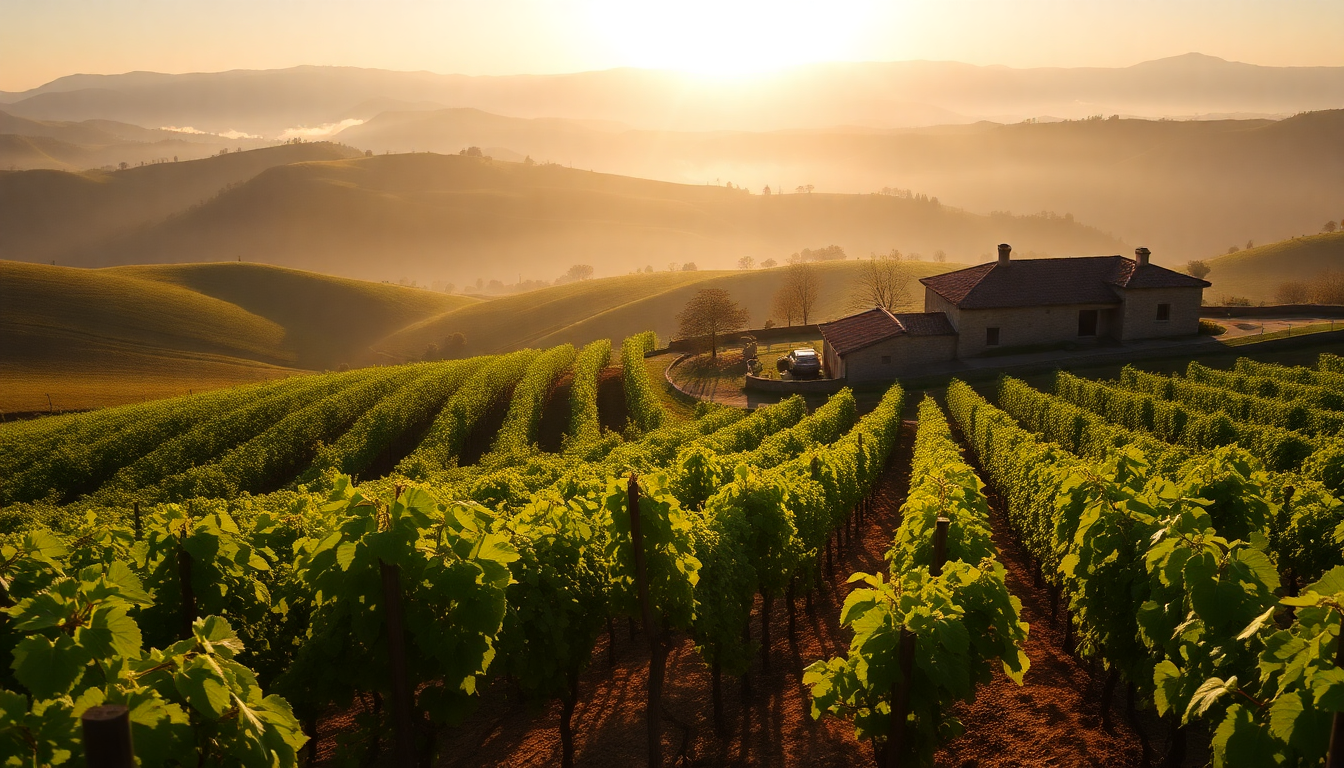
When you uncork a bottle of wine, you're not just opening a beverage—you're opening a window into a specific place, a particular moment in time, and the dedicated work of passionate winemakers. Single vineyard wines represent one of the most authentic expressions of winemaking, where every element from soil composition to climate conditions directly influences what ends up in your glass. At Curtis Family Vineyards, we believe that understanding the importance of origin is fundamental to appreciating fine wine. This comprehensive guide explores why single vineyard wines matter, how they differ from blended wines, and what makes them such a compelling choice for wine enthusiasts.
Understanding Single Vineyard Wines
Single vineyard wines are produced exclusively from grapes grown in one specific vineyard. This distinction might seem simple on the surface, but it carries profound implications for quality, character, and authenticity. Unlike wines that blend grapes from multiple vineyards or regions, single vineyard wines offer a pure expression of terroir—a French term that encompasses the soil, topography, and climate of a specific location.
The concept of single vineyard wines has deep roots in European winemaking tradition, particularly in regions like Burgundy, France, where the practice of identifying and celebrating individual vineyard sites dates back centuries. However, the appreciation for single vineyard wines has grown globally, with winemakers from California to Australia recognizing the value of highlighting the unique characteristics of their specific vineyard locations.
When you purchase a single vineyard wine, you're making a commitment to understanding a specific place. Each vineyard tells a story through its wine—a story written in the language of flavors, aromas, and textures that reflect everything from the mineral composition of the soil to the amount of sunshine that reached the grapes during the growing season.
The Concept of Terroir and Its Importance
Terroir is perhaps the most important concept in understanding why single vineyard wines matter. This French word, which doesn't have a perfect English equivalent, encompasses the complete natural environment in which a wine is produced. It includes the soil composition, subsoil structure, topography, climate, and even the microclimate of a specific vineyard.
The soil is perhaps the most crucial element of terroir. Different soil types impart distinct mineral characteristics to wines. Limestone-rich soils, for example, often produce wines with crisp acidity and mineral notes. Volcanic soils can contribute smoky or peppery characteristics. Clay soils tend to produce fuller-bodied wines with more tannin structure. When you drink a single vineyard wine, you're literally tasting the earth from which the grapes grew.
Climate and microclimate also play essential roles in terroir. A vineyard positioned on a north-facing slope will experience different sun exposure than one facing south. Proximity to water bodies, elevation, and surrounding vegetation all influence temperature fluctuations, humidity levels, and the intensity of sunlight. These factors determine how quickly grapes ripen, their sugar content at harvest, and ultimately, the alcohol level and flavor profile of the resulting wine.
The concept of terroir explains why the same grape variety can produce dramatically different wines when grown in different locations. A Pinot Noir from a cool climate vineyard in Oregon will taste distinctly different from a Pinot Noir grown in a warm climate vineyard in California, even if both winemakers employ identical production techniques. The origin of the grapes fundamentally shapes the wine's character.
Understanding terroir transforms how you approach wine tasting and selection. Rather than simply choosing a wine based on grape variety or price point, you begin to consider the specific vineyard's characteristics and how those characteristics align with your preferences and the foods you're pairing with the wine.
Single Vineyard Wines Versus Blended Wines
The distinction between single vineyard wines and blended wines represents a fundamental difference in winemaking philosophy and approach. Understanding these differences helps explain why single vineyard wines command particular respect among wine professionals and enthusiasts.
Blended wines combine grapes from multiple vineyards, often from different regions or even different countries. Winemakers create blends for various reasons: to achieve consistency year after year, to balance the characteristics of different grape varieties, to smooth out the rough edges of a particularly challenging vintage, or to create a specific flavor profile that no single vineyard could provide alone.
Blending offers winemakers tremendous creative control. A skilled blender can take the best characteristics from multiple sources and combine them into a harmonious whole. Many of the world's most celebrated wines are blends—think of Bordeaux wines that combine Cabernet Sauvignon with Merlot and other varieties, or Champagne that blends wines from different vineyards and even different years.
Single vineyard wines, by contrast, represent a more direct expression of a specific place. There's nowhere to hide in a single vineyard wine. If the vintage was challenging, those challenges will be evident in the wine. If the vineyard has unique characteristics, those characteristics will shine through without being diluted by grapes from other sources. This directness is precisely what appeals to many wine lovers who appreciate authenticity and the ability to taste a specific place.
Single vineyard wines also offer consistency in a different way than blends. While a blended wine might taste similar year after year because the winemaker adjusts the blend to compensate for vintage variations, a single vineyard wine will vary from year to year, reflecting the natural variations in growing conditions. For many wine enthusiasts, these vintage variations are a feature, not a bug—they represent the authentic expression of nature's influence on the final product.
The choice between single vineyard and blended wines often comes down to personal preference. Some wine drinkers prefer the consistency and balance of well-made blends. Others prefer the authenticity and sense of place that single vineyard wines provide. The good news is that excellent wines exist in both categories, and exploring both can deepen your appreciation for winemaking as an art form.
How Origin Influences Wine Quality and Character
The origin of grapes profoundly influences every aspect of wine quality and character. Understanding these influences helps explain why winemakers and wine enthusiasts place such emphasis on identifying and celebrating specific vineyard sites.
The mineral content of soil directly influences the mineral characteristics present in wine. Wines from limestone-rich soils often display chalky or flinty notes. Wines from volcanic soils might show smoky or peppery characteristics. Wines from slate soils frequently exhibit distinctive mineral qualities that wine professionals describe as "slate" or "graphite" notes. These mineral characteristics aren't imaginary—they're real compounds that develop in grapes grown in specific soil types.
Climate determines the ripeness level of grapes at harvest, which in turn influences alcohol content, residual sugar, and the balance between acidity and fruit flavors. Cool climate vineyards produce grapes that ripen more slowly, resulting in wines with higher acidity, lower alcohol content, and more delicate fruit flavors. Warm climate vineyards produce riper grapes with higher sugar content, resulting in wines with lower acidity, higher alcohol content, and more concentrated fruit flavors.
Elevation affects temperature and sun exposure. Higher elevation vineyards experience cooler temperatures and often produce wines with more acidity and elegance. Lower elevation vineyards tend to be warmer and produce fuller-bodied wines with riper fruit characteristics.
Water availability influences vine stress and grape development. Vineyards with abundant water produce more vigorous vines and larger crops, which can result in less concentrated wines. Vineyards with limited water stress the vines, which can concentrate flavors in the grapes but also requires careful management to ensure the vines don't suffer excessive stress.
The age of the vines also matters. Young vines produce more vigorous growth and larger crops but often lack the complexity of older vines. Mature vines, typically those over twenty years old, produce smaller crops of more concentrated grapes, resulting in wines with greater depth and complexity. The oldest vines, sometimes over fifty or even one hundred years old, produce the most concentrated and complex wines, though in very small quantities.
All of these factors—soil composition, climate, elevation, water availability, and vine age—combine to create the unique character of a single vineyard wine. When you taste a wine from a specific vineyard, you're experiencing the cumulative effect of all these natural and agricultural factors working together.
The Role of Vintage in Single Vineyard Wines
Vintage, the year in which grapes were harvested, plays a crucial role in single vineyard wines. Because single vineyard wines don't benefit from blending to smooth out vintage variations, the characteristics of each vintage are more pronounced and apparent.
Some vintages are considered exceptional—years when weather conditions aligned perfectly to produce grapes with ideal ripeness, acidity balance, and flavor development. Other vintages are considered challenging—years when unexpected frost, excessive rain, or other adverse conditions made it difficult to produce high-quality grapes. Still other vintages fall somewhere in between, producing good wines that reflect the specific conditions of that particular year.
Understanding vintage variation is essential for appreciating single vineyard wines. A wine from a challenging vintage might show less ripe fruit characteristics, higher acidity, or a leaner structure than a wine from an exceptional vintage. This doesn't necessarily mean the challenging vintage wine is inferior—it simply means it's different, reflecting the natural conditions of that particular year.
Vintage variation also affects aging potential. Wines from exceptional vintages with good acidity and tannin structure often age beautifully, developing complexity over decades. Wines from warmer vintages with lower acidity might be more approachable when young but may not age as gracefully. Understanding these vintage characteristics helps you make informed decisions about when to drink a wine and how to store it.
The concept of vintage variation is one of the things that makes single vineyard wines so fascinating for serious wine enthusiasts. Rather than seeking consistency, these enthusiasts appreciate the opportunity to taste how the same vineyard expresses itself differently from year to year, reflecting the natural variations in growing conditions.
Terroir Expression in Different Wine Regions
Different wine regions around the world have developed distinct approaches to expressing terroir through single vineyard wines. Understanding these regional approaches provides insight into how origin shapes wine character.
In Burgundy, France, the concept of terroir has been refined over centuries. The region is divided into thousands of small vineyard parcels, each with its own name and classification. Burgundy winemakers focus intensely on expressing the specific characteristics of individual vineyard sites, often producing wines from very small parcels that showcase subtle differences in terroir. The result is a culture of wine appreciation that places tremendous emphasis on understanding and identifying specific vineyard characteristics.
In Bordeaux, France, the emphasis is somewhat different. While Bordeaux does have classified vineyard sites, the tradition is more focused on blending. However, even in Bordeaux, the concept of terroir is paramount—winemakers carefully select grapes from different vineyard parcels based on how those parcels' characteristics will contribute to the final blend.
In California, particularly in regions like Napa Valley, the single vineyard wine movement has grown tremendously over the past few decades. California winemakers have embraced the concept of terroir and have worked to identify and celebrate specific vineyard sites. The result is a dynamic wine culture where consumers can explore wines from different vineyards within the same region and taste how terroir influences wine character.
In Australia, winemakers have similarly embraced single vineyard wines, with regions like the Barossa Valley, Margaret River, and the Yarra Valley developing strong reputations for distinctive terroir expression. Australian winemakers have shown that terroir is not limited to traditional European wine regions—it's a universal principle that applies wherever grapes are grown.
In New Zealand, particularly in regions like Marlborough and Central Otago, single vineyard wines have become increasingly important. The cool climate of New Zealand produces distinctive wines with vibrant acidity and aromatic characteristics, and winemakers have worked to identify how specific vineyard sites contribute to these regional characteristics.
Each region's approach to terroir expression reflects its climate, soil composition, winemaking traditions, and cultural values. Exploring single vineyard wines from different regions provides a fascinating education in how origin shapes wine character across the globe.
The Winemaker's Role in Expressing Terroir
While terroir—the natural environment—is crucial in determining a wine's character, the winemaker's decisions and skills play an equally important role in expressing that terroir in the final wine.
Harvest timing is one of the most critical decisions a winemaker makes. Harvesting grapes earlier results in wines with higher acidity and less ripe fruit characteristics. Harvesting later results in wines with lower acidity, higher alcohol content, and riper fruit characteristics. The winemaker must decide when the grapes have reached optimal ripeness for the style of wine they want to produce.
Fermentation management also significantly influences wine character. The choice of yeast, fermentation temperature, and fermentation duration all affect how the wine develops. Cool fermentation temperatures preserve delicate aromatic characteristics. Warm fermentation temperatures can develop more robust flavors. The winemaker's decisions during fermentation shape how the grapes' potential is realized in the final wine.
Oak aging decisions influence wine texture and flavor. Wines aged in new oak develop more pronounced oak characteristics—vanilla, spice, and toasted notes. Wines aged in older oak or stainless steel show more of the grape's natural characteristics. The winemaker must decide how much oak influence is appropriate for expressing the vineyard's terroir.
Malolactic fermentation, a secondary fermentation that converts malic acid to lactic acid, is another important decision point. Wines that undergo malolactic fermentation develop a rounder, creamier texture. Wines that don't undergo malolactic fermentation retain more acidity and freshness. Again, the winemaker's choice influences how the wine ultimately expresses its origin.
The best winemakers understand that their role is not to impose their vision onto the grapes but rather to facilitate the expression of the vineyard's terroir. This requires deep knowledge of their vineyard, understanding how its characteristics change from year to year, and making decisions that allow those characteristics to shine through in the final wine.
This is why visiting a winery and speaking with the winemaker can be so illuminating. A passionate winemaker can explain their vineyard's unique characteristics and describe the decisions they made to express those characteristics in the wine. This direct connection between the winemaker's knowledge and the wine in your glass adds another dimension to your appreciation of single vineyard wines.
Identifying and Selecting Single Vineyard Wines
With so many single vineyard wines available, knowing how to identify and select wines that match your preferences and budget is valuable.
Reading wine labels is the first step. Single vineyard wines will typically identify the specific vineyard name on the label. Look for terms like "Estate Bottled," which indicates that the winery owns or controls the vineyard where the grapes were grown. Some labels will also include information about the vineyard's elevation, soil type, or other terroir characteristics.
Understanding wine classifications and designations provides context for single vineyard wines. In many regions, vineyard sites are classified based on their reputation and quality history. In Burgundy, for example, vineyards are classified as Grand Cru, Premier Cru, or Village level, with Grand Cru representing the most prestigious sites. Understanding these classifications helps you navigate the market and understand why certain single vineyard wines command higher prices.
Tasting notes and wine reviews can guide your selections. Professional wine critics and publications provide detailed descriptions of wines, including information about their origin, characteristics, and aging potential. Reading multiple reviews of the same wine can give you a sense of how different tasters perceive it and whether it aligns with your preferences.
Visiting wineries and tasting wines directly is one of the best ways to develop your understanding of single vineyard wines. Speaking with winery staff and winemakers, tasting wines from different vineyard sites within the same winery, and learning about the vineyard's characteristics firsthand creates a deeper connection to the wines.
Building relationships with wine retailers and sommeliers who specialize in single vineyard wines can also enhance your selection process. These professionals have deep knowledge of available wines and can make personalized recommendations based on your preferences and budget.
Starting with wines from well-known vineyard sites and regions helps you develop a foundation of understanding. As your knowledge grows, you can explore more obscure vineyard sites and emerging regions, discovering hidden gems that express terroir in distinctive ways.
The Economics of Single Vineyard Wines
Single vineyard wines often command higher prices than blended wines or wines without specific vineyard designation. Understanding the economics behind these price differences helps explain why origin matters so much in the wine market.
Vineyard quality and reputation directly influence price. Vineyard sites with long histories of producing exceptional wines command premium prices. Consumers are willing to pay more for wines from prestigious vineyard sites because they have confidence in the quality and distinctive character those sites consistently produce.
Production volume also affects pricing. Single vineyard wines are often produced in smaller quantities than blended wines. Lower production volumes mean higher per-unit production costs, which are reflected in higher retail prices. Additionally, limited availability creates scarcity value—consumers are willing to pay more for wines that are harder to find.
Vineyard age and vine maturity influence pricing as well. Wines from older vineyards with mature vines are often more expensive because the vines produce smaller crops of more concentrated grapes. The investment required to maintain old vineyards and the lower yields they produce are reflected in higher wine prices.
The winemaker's reputation and track record also influence pricing. Winemakers with established reputations for producing exceptional wines from specific vineyard sites can command higher prices for their wines. Consumers trust that these winemakers will continue to produce high-quality wines that authentically express their vineyard's terroir.
Market demand and collector interest drive prices as well. Vineyard sites that have attracted significant collector interest often see their prices increase over time. As more collectors seek out wines

Leave a comment
This site is protected by hCaptcha and the hCaptcha Privacy Policy and Terms of Service apply.