

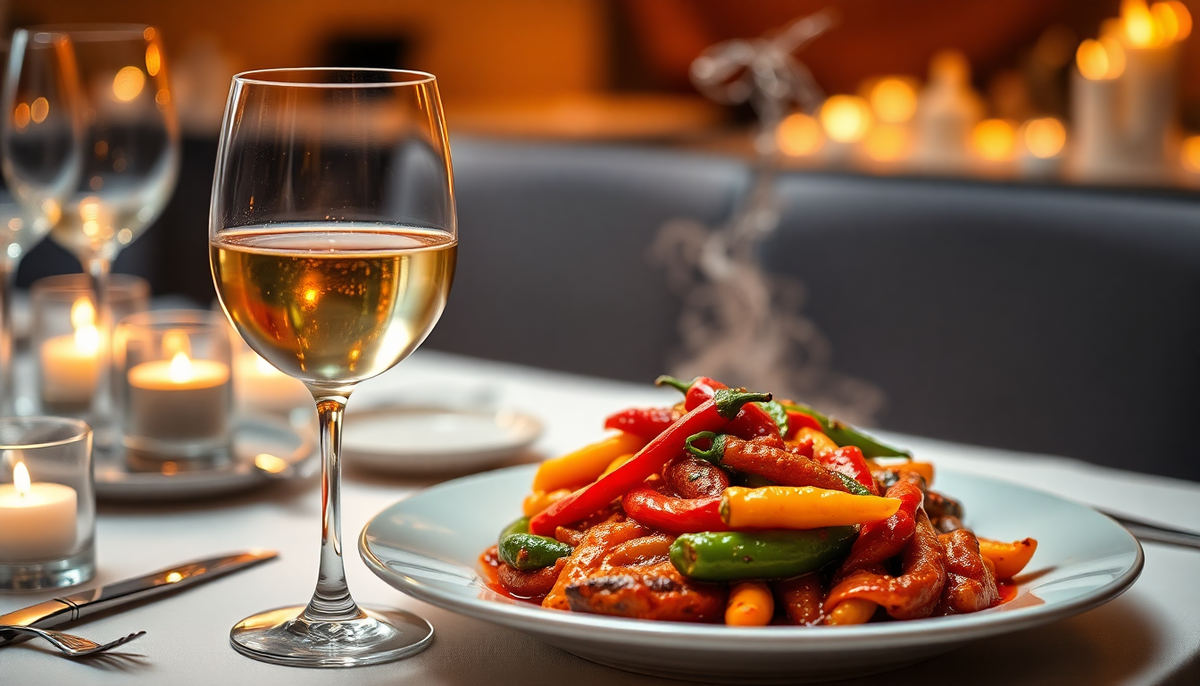
When it comes to enjoying a meal, few things are as challenging as finding the perfect wine to pair with spicy cuisine. Many wine enthusiasts find themselves reaching for water or milk when faced with a fiery dish, believing that wine and heat simply don't mix. However, this couldn't be further from the truth. At Curtis Family Vineyards, we've spent years exploring the intricate relationship between wine and spicy food, and we're excited to share our findings with you. The right wine pairing can actually enhance both the wine and the dish, creating a harmonious dining experience that elevates your palate and transforms the way you think about food and wine combinations.
The challenge of pairing wine with spicy food lies in understanding how capsaicin, the compound responsible for heat in peppers, interacts with the components of wine. When you consume spicy food, capsaicin binds to pain receptors in your mouth, creating that characteristic burning sensation. This heat can overwhelm delicate wine flavors and create an unpleasant experience if you're not careful with your selection. However, when you choose wines with specific characteristics, you can create a beautiful balance that complements the spice rather than fighting against it.
Understanding the Science Behind Spice and Wine
Before we dive into specific pairings, it's essential to understand the science behind why certain wines work better with spicy food than others. The key lies in understanding how different wine components interact with capsaicin and the flavors in spicy dishes.
The Role of Alcohol Content
One of the most important factors in pairing wine with spicy food is alcohol content. Higher alcohol wines tend to amplify the perception of heat on your palate. When you drink a high-alcohol wine alongside spicy food, the alcohol can intensify the burning sensation, making the experience uncomfortable. Conversely, wines with lower alcohol content tend to feel smoother and less aggressive when paired with heat. This is why many sommeliers recommend wines in the 11-13% alcohol range for spicy dishes, rather than the heavier, more alcoholic wines that might work beautifully with other foods.
The alcohol in wine also has a drying effect on your mouth. When combined with the heat from spicy food, this drying sensation can become overwhelming. Lower alcohol wines provide a gentler experience that allows you to enjoy both the wine and the food without your mouth feeling parched and uncomfortable.
Sweetness as a Cooling Agent
Sweetness in wine acts as a natural cooling agent when paired with spicy food. When capsaicin hits your palate, the sweetness in wine can help soothe the burning sensation by coating your mouth and providing relief. This is why off-dry and slightly sweet wines often work exceptionally well with spicy cuisine. The residual sugar in these wines doesn't just mask the heat; it actually creates a pleasant contrast that makes both the wine and the food taste better.
However, it's important to note that we're not talking about dessert wines here. A wine that's too sweet can become cloying when paired with spicy food, and it might overshadow the delicate flavors of your dish. The key is finding wines with just enough sweetness to provide relief without being overpowering.
Acidity and Its Cooling Properties
Acidity in wine plays a crucial role in pairing with spicy food. High-acid wines can actually help cleanse your palate between bites, washing away the residual heat and allowing you to experience each bite of your dish fresh. The acidity cuts through the richness of spicy sauces and helps balance the overall flavor profile of your meal.
Additionally, acidic wines tend to feel lighter and crisper on the palate, which contrasts beautifully with the heaviness of heat. When you take a sip of a high-acid wine after a bite of spicy food, it feels refreshing rather than aggressive, making the pairing more enjoyable overall.
Tannins and Heat Interaction
Tannins are compounds found primarily in red wines that create a drying sensation in your mouth. When paired with spicy food, tannins can actually amplify the perception of heat, making the experience less pleasant. This is why heavily tannic red wines are generally not the best choice for spicy dishes. Instead, lighter red wines with softer tannins or white wines with minimal tannin content tend to work much better.
White Wines: The Spicy Food Champion
When it comes to pairing wine with spicy food, white wines are often your best bet. Their lighter body, higher acidity, and often slightly sweet nature make them ideal companions for heat-forward dishes. Let's explore some of the best white wine options for spicy cuisine.
Riesling: The Perfect Match
Riesling is perhaps the ultimate wine for pairing with spicy food, and for good reason. This German white wine typically has a lower alcohol content (around 10-12%), moderate to high acidity, and often carries a touch of residual sweetness. These characteristics make it absolutely ideal for cutting through the heat of spicy dishes while providing a cooling sensation.
The beauty of Riesling is its versatility. Whether you're enjoying Thai curry, Indian vindaloo, or Mexican salsa, Riesling can handle the heat with grace. The wine's fruity notes, often featuring peach, apricot, and citrus flavors, complement spicy dishes without competing for attention. At Curtis Family Vineyards, we recommend seeking out Rieslings from regions like Alsace or the Mosel Valley for the best results with spicy cuisine.
When selecting a Riesling for spicy food, look for bottles labeled as off-dry or slightly sweet. These will provide the maximum cooling effect while still maintaining the wine's elegant character. Avoid bone-dry Rieslings, which may lack the sweetness needed to balance intense heat.
Gewürztraminer: Aromatic and Spicy-Friendly
Gewürztraminer is another excellent choice for spicy food pairings. This aromatic white wine from Alsace features floral and fruity notes with a naturally lower acidity than many white wines. The wine's slight sweetness and full body make it particularly well-suited to rich, spicy dishes.
The name Gewürztraminer actually means spicy in German, which is fitting given how well this wine pairs with heat-forward cuisine. The wine's aromatic profile, featuring notes of lychee, rose, and exotic spices, creates an interesting dialogue with spicy dishes. The slight sweetness in Gewürztraminer provides excellent relief from heat, while the wine's body ensures it doesn't get overwhelmed by bold flavors.
Gewürztraminer works particularly well with Asian cuisines, especially Thai and Vietnamese dishes. The wine's aromatic qualities complement the complex flavor profiles of these cuisines beautifully, creating a pairing that's greater than the sum of its parts.
Sauvignon Blanc: Crisp and Refreshing
Sauvignon Blanc is a high-acid white wine that excels at cutting through spicy food. The wine's crisp, herbaceous character and bright acidity make it an excellent palate cleanser between bites of spicy cuisine. While Sauvignon Blanc typically lacks the sweetness of Riesling or Gewürztraminer, its acidity provides enough cooling effect to make it a viable option for spicy food pairings.
The best Sauvignon Blancs for spicy food are those from cooler climates, such as the Loire Valley in France or New Zealand. These regions produce Sauvignon Blancs with higher acidity and more pronounced herbaceous notes, which work beautifully with spicy dishes. The wine's citrus and green fruit flavors provide a refreshing contrast to heat-forward cuisine.
Sauvignon Blanc pairs particularly well with lighter spicy dishes, such as ceviche, spicy seafood preparations, or fresh vegetable-based curries. The wine's crispness complements these dishes without overwhelming them, creating a balanced and enjoyable pairing.
Pinot Grigio: Light and Approachable
Pinot Grigio is often overlooked in discussions of wine pairing, but this light, crisp white wine can actually work well with certain spicy dishes. The wine's low alcohol content and high acidity make it a good choice for those seeking a lighter option for spicy food pairings.
However, it's important to note that many mass-produced Pinot Grigios lack the character and complexity needed to truly shine with spicy food. When selecting a Pinot Grigio for spicy cuisine, look for higher-quality examples from regions like northern Italy or Alsace. These wines will have more flavor complexity and better acidity, making them more suitable for pairing with bold, spicy dishes.
Pinot Grigio works best with lighter spicy dishes, such as spicy salads, light seafood preparations, or vegetable-based curries. The wine's delicate nature means it can be easily overwhelmed by very intense heat, so it's best reserved for moderately spicy dishes.
Albariño: A Hidden Gem
Albariño, a white wine from Spain's Rías Baixas region, is an excellent choice for spicy food that often goes unnoticed. This wine features high acidity, a mineral quality, and often a touch of salinity that makes it particularly well-suited to spicy seafood dishes.
The wine's bright acidity and crisp character provide excellent relief from heat, while its mineral notes add complexity to the pairing. Albariño's lower alcohol content and fresh, citrusy flavor profile make it an ideal companion for spicy fish dishes, shrimp preparations, or other seafood-based spicy cuisine.
Rosé Wines: The Underrated Option
Rosé wines are often dismissed as frivolous or overly sweet, but quality rosés can actually be excellent partners for spicy food. These wines offer the best of both worlds: the freshness and acidity of white wines with some of the body and complexity of red wines.
Why Rosé Works with Spicy Food
Quality rosé wines typically feature moderate alcohol content, good acidity, and often a touch of residual sweetness. These characteristics make them ideal for pairing with spicy cuisine. The wine's pink color comes from brief contact with red grape skins, which imparts subtle tannins and additional flavor complexity without the heavy tannin load of full-bodied red wines.
The beauty of rosé is its versatility. A dry rosé can work well with lighter spicy dishes, while an off-dry rosé can provide more cooling effect for intensely spicy cuisine. The wine's fruity notes, often featuring strawberry, watermelon, and citrus flavors, complement spicy dishes beautifully.
Selecting the Right Rosé
When choosing a rosé for spicy food, look for wines from regions known for producing dry to off-dry styles. Provence rosés, for example, are typically dry and crisp, making them excellent for lighter spicy dishes. Spanish rosados tend to be slightly fuller-bodied and may carry a touch more sweetness, making them suitable for richer, spicier dishes.
Avoid heavily oaked or overly sweet rosés, which can become cloying when paired with spicy food. The best rosés for spicy cuisine are those that prioritize freshness and acidity over richness and complexity.
Light Red Wines: A Surprising Option
While heavy red wines generally don't pair well with spicy food, certain light red wines can actually work quite nicely. These wines offer enough body and flavor to stand up to spicy dishes without the aggressive tannins that can amplify heat.
Pinot Noir: The Red Wine Exception
Pinot Noir is often considered the most food-friendly red wine, and this reputation extends to spicy food pairings. This light-bodied red wine features lower tannins than many other red wines, making it less likely to amplify the perception of heat. The wine's bright acidity and fruity character, often featuring cherry, raspberry, and earthy notes, can complement certain spicy dishes beautifully.
The key to pairing Pinot Noir with spicy food is selecting wines from cooler climates, which tend to produce lighter, more elegant examples with higher acidity. Pinot Noirs from regions like Oregon, Burgundy, or New Zealand work particularly well with spicy cuisine.
Pinot Noir pairs best with spicy dishes that feature meat, such as spicy chicken preparations, beef stir-fries, or spicy pork dishes. The wine's body and complexity allow it to stand up to these bolder dishes without being overwhelmed.
Beaujolais: Fruity and Food-Friendly
Beaujolais, a light red wine from France, is another excellent option for spicy food pairings. This wine is known for its fruity character, low tannins, and refreshing acidity, all of which make it suitable for pairing with spicy cuisine.
Beaujolais works particularly well with Asian spicy dishes, as the wine's fruity notes complement the complex flavor profiles of these cuisines. The wine's light body ensures it won't overpower delicate spicy dishes, while its acidity provides excellent palate cleansing between bites.
Lambrusco: Sparkling and Spicy-Friendly
Lambrusco, an Italian sparkling red wine, is an underrated option for spicy food pairings. The wine's carbonation, lower alcohol content, and often slightly sweet character make it an excellent companion for spicy cuisine. The bubbles in Lambrusco provide a refreshing sensation that complements the heat of spicy food beautifully.
The wine's fruity character and slight sweetness offer cooling relief from heat, while the carbonation helps cleanse your palate between bites. Lambrusco works particularly well with spicy Italian dishes, such as spicy pasta preparations or spicy meat dishes.
Sparkling Wines: Bubbles and Heat
Sparkling wines are often overlooked in discussions of wine pairing, but they can actually be excellent companions for spicy food. The carbonation in sparkling wines provides a refreshing sensation that complements heat beautifully, while the wines' typically high acidity helps cleanse your palate.
Champagne and Sparkling Wine Benefits
The bubbles in sparkling wines serve a practical purpose when paired with spicy food. The carbonation creates a tingling sensation on your palate that can actually help mask the perception of heat, making spicy dishes more enjoyable. Additionally, the acidity in most sparkling wines is quite high, which provides excellent palate cleansing between bites.
Most sparkling wines, including Champagne, are produced in a dry style, meaning they lack significant residual sweetness. However, some producers create off-dry or slightly sweet sparkling wines, which can provide additional cooling relief from heat.
Best Sparkling Options for Spicy Food
For spicy food pairings, look for sparkling wines with good acidity and a dry to off-dry style. Champagne from France, Cava from Spain, and Prosecco from Italy can all work well, depending on the specific wine and the spicy dish being served.
Champagne, with its complexity and high acidity, works particularly well with spicy seafood dishes or lighter spicy preparations. Cava, often more affordable than Champagne, offers similar benefits at a lower price point. Prosecco, typically lighter and fruitier than Champagne or Cava, works well with lighter spicy dishes and appetizers.
Fortified Wines: An Unexpected Pairing
Fortified wines, such as Sherry and Port, might seem like unusual choices for spicy food, but certain styles can actually work quite well. These wines, which have had brandy added to increase their alcohol content, offer unique flavor profiles that can complement spicy cuisine in interesting ways.
Dry Sherry: A Sophisticated Option
Dry Sherry, particularly Fino and Manzanilla styles, can be excellent partners for spicy food. These wines feature high acidity, a dry character, and often a salty, mineral quality that makes them particularly well-suited to spicy seafood dishes. The wine's complexity and unique flavor profile create an interesting dialogue with spicy cuisine.
Dry Sherry works particularly well with Spanish spicy dishes, such as spicy seafood preparations or spicy tapas. The wine's character complements these dishes beautifully, creating a pairing that feels both sophisticated and natural.
Avoid Sweet Fortified Wines
While dry fortified wines can work with spicy food, sweet fortified wines like Tawny Port or sweet Sherry should generally be avoided. These wines are typically quite rich and sweet, and when combined with spicy food, they can become cloying and unpleasant. Save these wines for dessert pairings instead.
Regional Pairings: Matching Wine to Cuisine
One of the best approaches to pairing wine with spicy food is to consider regional pairings. Wines and spicy cuisines that come from the same region often pair beautifully together, as they've evolved together over centuries.
Asian Spicy Cuisine
Asian spicy cuisines, including Thai, Vietnamese, and Indian dishes, pair beautifully with certain wines. For Thai cuisine, Riesling and Gewürztraminer are excellent choices, as their aromatic qualities and slight sweetness complement the complex flavors of Thai dishes. The wines' acidity helps cut through the richness of coconut-based curries, while their sweetness provides relief from heat.
For Vietnamese cuisine, which often features fresh herbs and lighter preparations,


Leave a comment
This site is protected by hCaptcha and the hCaptcha Privacy Policy and Terms of Service apply.