

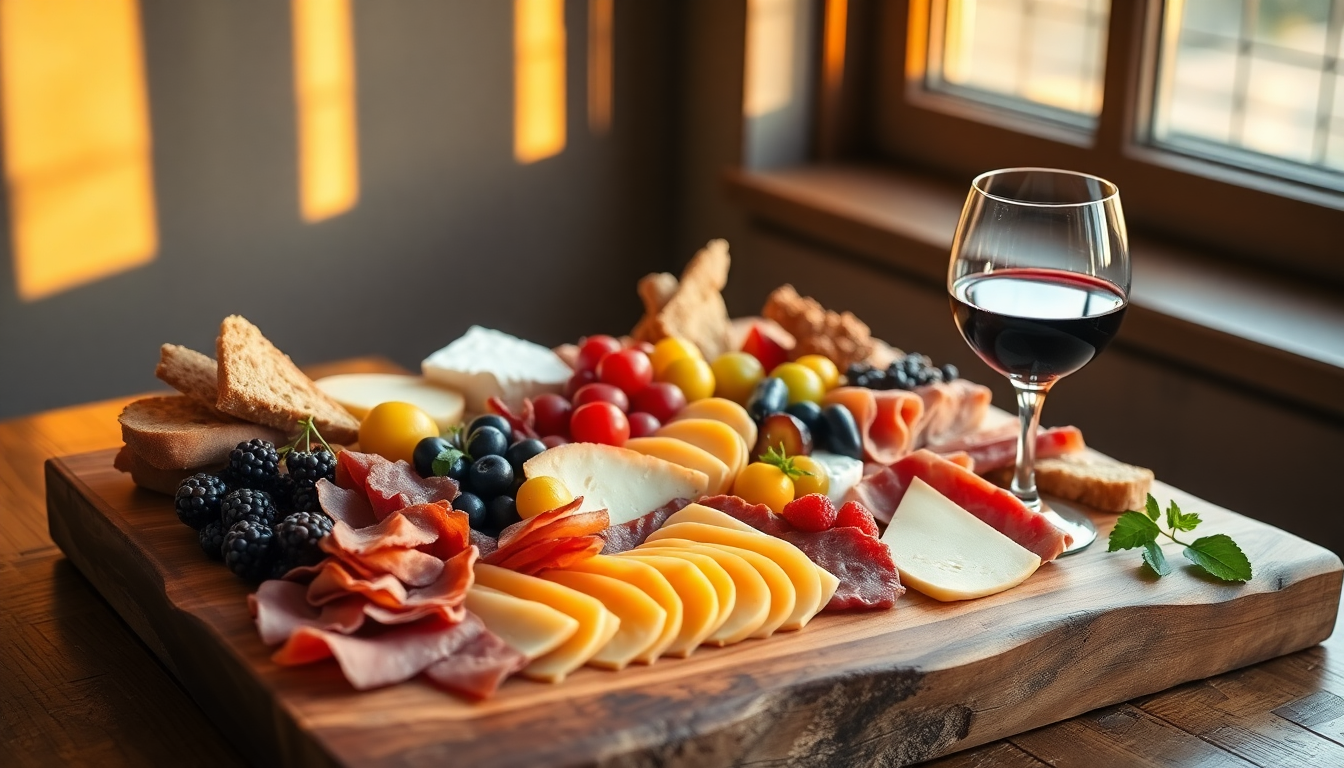
Charcuterie boards have become a staple of modern entertaining, offering a beautiful and delicious way to bring people together. Whether you're hosting an intimate dinner party, a casual gathering with friends, or a special celebration, a well-curated charcuterie board provides the perfect foundation for an unforgettable experience. However, the true magic happens when you pair these carefully selected meats, cheeses, and accompaniments with the right wines. At Curtis Family Vineyards, we believe that understanding the principles of wine and charcuterie pairing can elevate your entertaining to an entirely new level.
The combination of wine and charcuterie is not a modern invention. For centuries, European cultures have understood the natural affinity between cured meats, aged cheeses, and fine wines. These pairings have been refined over generations, creating a tradition that celebrates the best of culinary arts. Today, we're going to explore this timeless combination in depth, providing you with the knowledge and confidence to create stunning charcuterie boards paired with exceptional wines from Curtis Family Vineyards.
Understanding the Fundamentals of Wine and Charcuterie Pairing
Before we dive into specific pairings, it's essential to understand the basic principles that govern successful wine and charcuterie combinations. The relationship between wine and food is built on several key factors: acidity, tannins, body, and flavor profiles. Each of these elements plays a crucial role in determining whether a pairing will be harmonious or discordant.
The Role of Acidity in Wine Pairing
Acidity is one of the most important components of wine when it comes to food pairing. Wines with higher acidity levels act as a palate cleanser, cutting through the richness of fatty cured meats and creamy cheeses. This is why many of the world's greatest charcuterie pairings feature wines with bright, crisp acidity.
When you take a bite of a rich, fatty prosciutto or a creamy aged cheddar, the acidity in wine helps to refresh your palate and prepare it for the next bite. This creates a dynamic interplay between the wine and food, where each element enhances the other. Without sufficient acidity, a wine can feel heavy and cloying when paired with rich charcuterie items.
At Curtis Family Vineyards, we produce several wines with excellent acidity profiles that work beautifully with charcuterie boards. Our white wines, in particular, tend to have the bright acidity that makes them ideal companions for cured meats and aged cheeses.
Understanding Tannins and Their Impact
Tannins are compounds found primarily in red wines that create a drying sensation in your mouth. While this might sound undesirable, tannins actually play an important role in food pairing. They interact with proteins and fats in food, creating a more complete and satisfying flavor experience.
When tannins encounter the proteins in cured meats, they bind with these proteins, softening the tannin's astringency and creating a more integrated flavor. This is why many red wines pair beautifully with charcuterie boards, particularly those featuring bold, flavorful cured meats like salami or prosciutto.
However, it's important to match the intensity of the tannins with the intensity of the charcuterie. Delicate, lightly cured meats might be overwhelmed by a wine with aggressive tannins, while bold, heavily spiced cured meats can stand up to more tannic wines.
Body and Weight Considerations
The body of a wine refers to its weight and texture in your mouth. Light-bodied wines feel delicate and ethereal, while full-bodied wines feel rich and substantial. When pairing wine with charcuterie, it's important to consider the overall weight of both the wine and the food.
A general principle is to match the body of the wine with the intensity and richness of the charcuterie items. Light, delicate cured meats pair well with light-bodied wines, while rich, fatty meats pair better with fuller-bodied wines. This creates a sense of balance and harmony on the palate.
Flavor Profile Alignment
Beyond the technical aspects of acidity, tannins, and body, successful pairings also depend on flavor profile alignment. Do the flavors in the wine complement or contrast with the flavors in the charcuterie? Both approaches can work, but understanding the interplay is crucial.
Complementary pairings feature wines and foods with similar flavor notes. For example, a wine with peppery notes might pair beautifully with a spicy salami. Contrasting pairings, on the other hand, feature wines and foods with different but harmonious flavor profiles. A sweet wine might pair wonderfully with a salty, cured meat, creating an interesting and complex flavor experience.
Building the Perfect Charcuterie Board
Before we discuss specific wine pairings, let's talk about how to construct a charcuterie board that will work well with wine. A well-designed board should feature a variety of textures, flavors, and intensities, creating a dynamic eating experience.
Selecting Your Cured Meats
The foundation of any charcuterie board is the selection of cured meats. A great board typically includes three to five different types of cured meats, offering variety in flavor intensity and texture. Consider including a mix of the following:
Prosciutto is a delicate, lightly cured ham that's been aged for months. Its subtle, sweet flavor makes it an excellent starting point for any charcuterie board. Prosciutto pairs beautifully with lighter wines and is often one of the first items people reach for on a board.
Salami offers a bolder, more intense flavor profile. There are countless varieties of salami, from mild and slightly sweet to spicy and heavily seasoned. Including a salami on your board adds depth and complexity to the overall experience.
Pancetta is a cured pork belly that offers a rich, fatty flavor. It's often sliced thin and can be eaten raw or cooked. The richness of pancetta pairs well with wines that have good acidity to cut through the fat.
Soppressata is an Italian cured meat that's similar to salami but typically has a coarser texture and bolder flavor. It's an excellent choice for those who enjoy more intense, savory flavors.
Speck is a cured ham from the Tyrol region of Italy. It has a slightly smoky flavor and a tender texture, making it a sophisticated addition to any charcuterie board.
Choosing Your Cheeses
Cheese is equally important to cured meats on a charcuterie board. A well-rounded selection typically includes three to five different cheeses, representing different styles and intensities. Consider including:
Soft cheeses like brie or camembert offer a creamy, luxurious texture. These cheeses are often mild and buttery, making them accessible to a wide range of palates. They pair beautifully with lighter wines and provide a nice contrast to the saltiness of cured meats.
Semi-hard cheeses like gruyere or emmental offer a more complex flavor profile. These cheeses have been aged for several months, developing deeper, more nuanced flavors. They pair well with medium-bodied wines and offer a nice textural contrast to soft cheeses.
Hard cheeses like aged cheddar or parmesan offer intense, concentrated flavors. These cheeses have been aged for years, developing crystalline textures and complex flavor profiles. They pair beautifully with fuller-bodied wines and can stand up to bold, spicy cured meats.
Blue cheeses like gorgonzola or roquefort offer pungent, complex flavors. These cheeses are not for everyone, but they can add an interesting dimension to a charcuterie board. They pair beautifully with sweet wines, which provide a nice contrast to the cheese's intensity.
Adding Complementary Items
Beyond cured meats and cheeses, a great charcuterie board includes a variety of complementary items that add texture, flavor, and visual interest. Consider including:
Crackers and bread provide a neutral base for the meats and cheeses. Choose a variety of textures and flavors, from delicate water crackers to hearty whole grain crackers.
Fresh fruits like grapes, figs, or berries add sweetness and acidity to the board. These items provide a nice palate cleanser between bites of rich meats and cheeses.
Nuts like almonds, walnuts, or marcona almonds add crunch and richness. They also provide interesting flavor combinations when paired with different cheeses and wines.
Spreads like fig jam, honey, or whole grain mustard add sweetness, acidity, and complexity. These items can be used to enhance the flavors of meats and cheeses or to create interesting flavor combinations.
Pickled vegetables like cornichons or pickled onions add acidity and crunch. These items help to cleanse the palate and provide a nice contrast to the richness of meats and cheeses.
Olives add saltiness and complexity. Choose a variety of types and preparations to add interest to your board.
Pairing White Wines with Charcuterie Boards
White wines are often the go-to choice for charcuterie boards, and for good reason. Their bright acidity and lighter body make them excellent companions for cured meats and cheeses. At Curtis Family Vineyards, we produce several white wines that pair beautifully with charcuterie.
Sauvignon Blanc Pairings
Sauvignon Blanc is one of the most versatile white wines for charcuterie pairing. Its bright acidity, herbaceous notes, and citrus flavors make it an excellent match for a wide variety of cured meats and cheeses.
The herbaceous qualities of Sauvignon Blanc pair beautifully with fresh, delicate cured meats like prosciutto. The wine's acidity cuts through the meat's richness, while its citrus notes provide a nice contrast to the meat's subtle sweetness. This pairing is particularly successful when the prosciutto is served with fresh melon or figs, as the wine's acidity complements these fruits perfectly.
Sauvignon Blanc also pairs wonderfully with soft cheeses like goat cheese or fresh mozzarella. The wine's acidity and herbaceous notes complement the cheese's creamy texture and mild flavor. This pairing is particularly successful when the cheese is served with fresh herbs or a drizzle of quality olive oil.
For a more adventurous pairing, try Sauvignon Blanc with a peppery salami or a spicy cured meat. The wine's acidity helps to cool the palate after the spice, while its herbaceous notes provide an interesting flavor contrast.
Pinot Grigio and Light White Wine Pairings
Pinot Grigio is known for its light body, crisp acidity, and delicate flavor profile. These characteristics make it an excellent choice for charcuterie boards featuring lighter, more delicate items.
Pinot Grigio pairs beautifully with delicate cured meats like prosciutto or speck. The wine's light body doesn't overpower the subtle flavors of these meats, while its acidity provides a nice palate cleanser. This pairing is particularly successful when served with fresh fruits like grapes or pears.
Pinot Grigio also pairs well with mild, creamy cheeses like brie or camembert. The wine's delicate flavor profile complements the cheese's buttery texture without overwhelming it. This pairing is particularly successful when the cheese is served at room temperature, allowing its full flavor to shine through.
One of the advantages of Pinot Grigio is its versatility. It's a wine that works well with almost any item on a charcuterie board, making it an excellent choice if you're unsure about your guests' preferences or if you're serving a particularly diverse board.
Riesling and Aromatic White Wine Pairings
Riesling is an aromatic white wine known for its floral notes, citrus flavors, and bright acidity. While some Rieslings are sweet, many are dry or off-dry, making them excellent choices for charcuterie pairing.
The aromatic qualities of Riesling pair beautifully with bold, flavorful cured meats. The wine's floral notes provide an interesting contrast to the meat's savory, salty flavors, creating a complex and satisfying flavor experience. This pairing is particularly successful with spicy or heavily seasoned cured meats, as the wine's acidity helps to cool the palate.
Riesling also pairs wonderfully with aged cheeses like gruyere or aged cheddar. The wine's citrus notes complement the cheese's complex, nutty flavors, while the wine's acidity cuts through the cheese's richness. This pairing is particularly successful when the cheese is served with nuts or dried fruits.
For those who enjoy sweeter wines, an off-dry Riesling can pair beautifully with blue cheese or other pungent cheeses. The wine's sweetness provides a nice contrast to the cheese's intensity, creating a balanced and harmonious flavor experience.
Champagne and Sparkling Wine Pairings
Champagne and other sparkling wines are often overlooked for charcuterie pairing, but they can be absolutely spectacular. The bubbles in sparkling wine create a palate-cleansing effect, while the wine's acidity and complexity make it an excellent match for a wide variety of cured meats and cheeses.
Champagne pairs beautifully with delicate cured meats like prosciutto or speck. The bubbles create a light, festive quality that complements the meat's delicate flavor. The wine's acidity and complexity also provide an interesting contrast to the meat's subtle sweetness.
Champagne also pairs wonderfully with soft cheeses like brie or camembert. The bubbles and acidity cut through the cheese's richness, while the wine's complexity provides an interesting flavor contrast. This pairing is particularly successful when served as an aperitif, setting the tone for an elegant evening.
For a more adventurous pairing, try Champagne with a bold, flavorful cured meat like salami or soppressata. The wine's acidity and complexity can stand up to the meat's intensity, while the bubbles provide a nice palate cleanser between bites.
Pairing Red Wines with Charcuterie Boards
While white wines are often the default choice for charcuterie, red wines can be equally successful, particularly when paired with bolder, more intense cured meats and aged cheeses. At Curtis Family Vineyards, we produce several red wines that pair beautifully with charcuterie boards.
Pinot Noir Pairings
Pinot Noir is a light to medium-bodied red wine known for its bright acidity, silky tannins, and complex flavor profile. These characteristics make it an excellent choice for charcuterie pairing, particularly with a diverse board featuring a mix of delicate and bold items.
Pinot Noir pairs beautifully with delicate cured meats like prosciutto or speck. The wine's bright acidity and silky tannins don't overpower the meat's subtle flavors, while the wine's complexity provides an interesting flavor contrast. This pairing is particularly successful when the meat is served with fresh fruits like berries or cherries, as the wine's fruity notes complement these items perfectly.
Pinot Noir also pairs wonderfully with semi-hard cheeses like gruyere or emmental. The wine's tannins interact with the cheese's proteins, creating a more integrated flavor experience. The wine's acidity also helps to cut through the cheese's richness, providing a nice palate cleanser.
For a bolder pairing, try Pinot Noir with a peppery salami or a spicy cured meat. The wine's acidity helps to cool the palate after the spice, while the wine's tannins provide an interesting flavor contrast to the meat's savory, salty qualities.
Grenache and Light Red Wine Pairings
Grenache is a light to medium-bodied red wine known for its fruity flavors, bright acidity, and soft tannins. These characteristics make it an excellent choice for charcuterie pairing, particularly with boards featuring a mix of delicate and moderately bold items.
Grenache pairs beautifully with cured meats like salami or soppressata. The wine's fruity flavors complement the meat's savory, slightly spicy qualities, while the wine's acidity provides a nice palate cleanser. The wine's soft tannins don't overpower the meat's flavors, creating a balanced and harmonious pairing.
Grenache also pairs wonderfully with semi-hard cheeses like gruyere or aged gouda. The wine's fruity notes complement the cheese's complex, nutty flavors, while the wine's acidity cuts through the cheese's richness. This pairing is particularly successful when the cheese is served with nuts or dried fruits.
One of the advantages of Grenache is its versatility and approachability. It's a wine that works well with almost any item on a charcuterie board, making it an excellent choice for those new to wine and charcuterie pairing.
Syrah and Medium-Bodied Red Wine Pairings
Syrah is a medium to full-

Leave a comment
This site is protected by hCaptcha and the hCaptcha Privacy Policy and Terms of Service apply.