

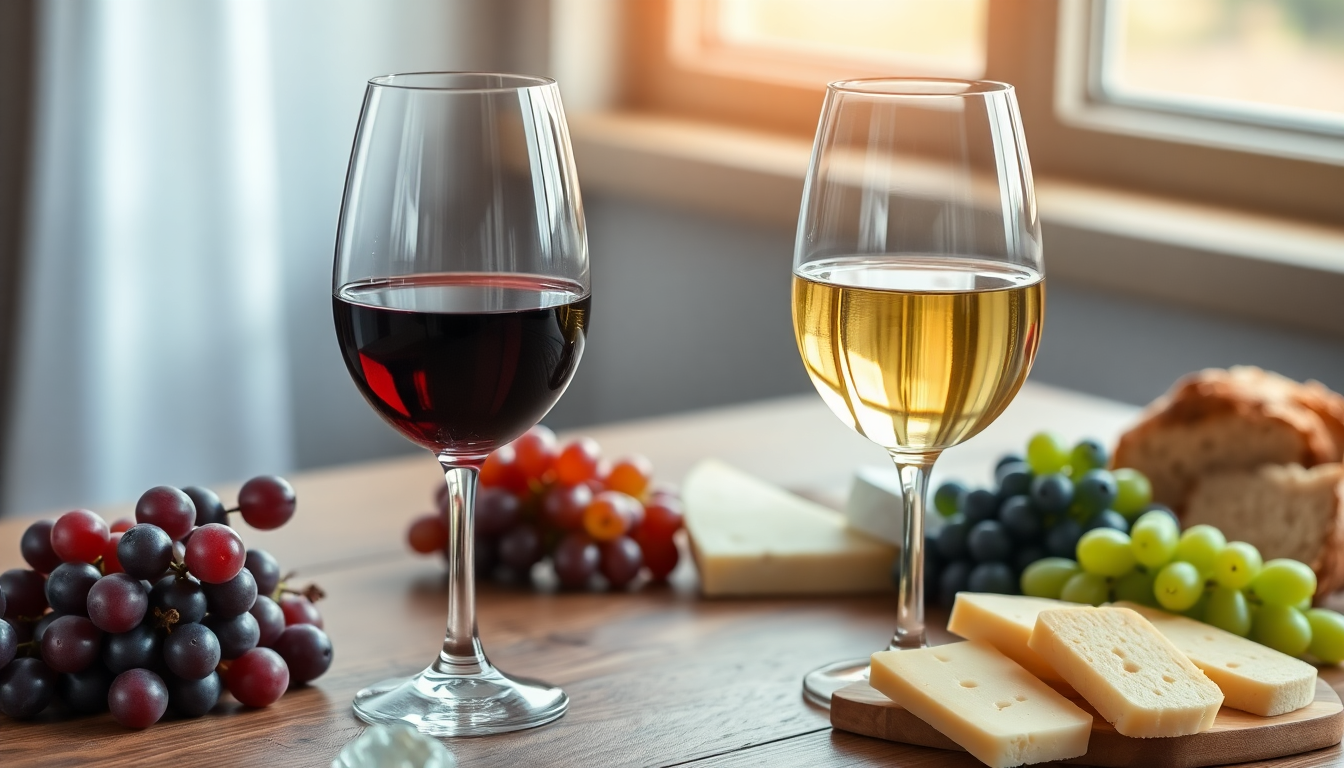
When you're standing in front of a wine shelf at Curtis Family Vineyards or any wine shop, you might feel overwhelmed by the sheer number of options available. One of the most fundamental distinctions you'll encounter is the difference between dry wines and sweet wines. Understanding this difference is crucial for anyone looking to expand their wine knowledge and find bottles that truly suit their palate. Whether you're a seasoned wine enthusiast or just beginning your wine journey, knowing how to identify and appreciate both dry and sweet wines will enhance your tasting experience and help you make more informed purchasing decisions.
The distinction between dry and sweet wines is one of the most important concepts in wine appreciation. It affects not only the taste of the wine but also how it pairs with food, how it's produced, and even how it's served. In this comprehensive guide, we'll explore everything you need to know about dry wines and sweet wines, from the science behind their sweetness to practical tips for identifying them and choosing the right one for your occasion.
Understanding Wine Sweetness: The Basics
Before we dive into the specific differences between dry and sweet wines, it's important to understand what sweetness in wine actually means. Wine sweetness is determined by the amount of residual sugar left in the wine after fermentation. During the winemaking process, yeast consumes the natural sugars present in grape juice and converts them into alcohol. The more sugar the yeast converts, the drier the wine becomes. Conversely, if fermentation stops before all the sugar is consumed, more residual sugar remains in the wine, making it sweeter.
The residual sugar content in wine is typically measured in grams per liter. This measurement is crucial for understanding where a wine falls on the sweetness spectrum. Different wine regions and producers have different standards for what they consider dry, off-dry, or sweet, but there are some general guidelines that can help you navigate the wine world with confidence.
What Are Dry Wines?
Dry wines are those that contain very little residual sugar, typically less than 1 to 2 grams per liter, though some definitions allow up to 4 grams per liter. When you taste a dry wine, you won't experience sweetness on your palate. Instead, you'll notice other flavor characteristics such as acidity, tannins, fruit flavors, and earthy notes. The absence of sweetness allows these other components to shine through and define the wine's character.
Most of the world's finest and most prestigious wines are dry. This includes famous varieties like Cabernet Sauvignon, Pinot Noir, Chardonnay, and Sauvignon Blanc. The reason dry wines are so prevalent in the wine world is that they're incredibly versatile for food pairing and they showcase the true characteristics of the grape variety and the terroir where the grapes were grown.
Characteristics of Dry Wines
Dry wines have several distinctive characteristics that set them apart from their sweeter counterparts. First and foremost, they lack the sweetness that many people associate with wine. Instead, they often have a crisp, clean finish that can feel refreshing on the palate. The acidity in dry wines is more pronounced, which gives them a bright, lively quality.
Tannins are another important characteristic of many dry wines, particularly red varieties. Tannins are compounds found in grape skins, seeds, and stems that create a drying sensation in your mouth. This astringent quality is often described as making your mouth feel dry, which is actually where the term "dry wine" partially originates. However, it's important to note that the term "dry" primarily refers to the absence of residual sugar, not the presence of tannins.
Dry wines also tend to have more complex flavor profiles. Without the sweetness to dominate the palate, you can taste the subtle nuances of the wine, including fruit flavors, floral notes, mineral characteristics, and oak influences. This complexity is one of the reasons why wine enthusiasts often prefer dry wines for serious tasting and evaluation.
Popular Dry Wine Varieties
There are countless dry wine varieties available from wine producers around the world. Some of the most popular dry red wines include Cabernet Sauvignon, Merlot, Pinot Noir, Syrah, and Tempranillo. These wines are produced in regions like Bordeaux, Burgundy, Napa Valley, and Rioja, and they're known for their depth, complexity, and aging potential.
On the white wine side, popular dry varieties include Sauvignon Blanc, Chardonnay, Pinot Grigio, Riesling (though some Rieslings are sweet), and Albariño. These wines offer a range of flavors from crisp and citrusy to rich and buttery, depending on the variety and production methods.
Dry rosé wines have also become increasingly popular in recent years. These wines offer a beautiful middle ground between red and white wines, with delicate fruit flavors and refreshing acidity.
What Are Sweet Wines?
Sweet wines, on the other hand, contain significantly more residual sugar than dry wines. These wines typically have more than 10 grams of residual sugar per liter, though some can contain much more. When you taste a sweet wine, the sweetness is immediately apparent on your palate. This sweetness can range from subtle and balanced to intensely sugary, depending on the wine's production method and the winemaker's intentions.
Sweet wines have been enjoyed for centuries and hold a special place in wine culture. They're often served as dessert wines, used in celebrations, or enjoyed as aperitifs. Many of the world's most famous wines, including Port, Sherry, and various late harvest wines, are sweet or semi-sweet.
Characteristics of Sweet Wines
Sweet wines have a distinctly different sensory profile compared to dry wines. The most obvious characteristic is, of course, the sweetness. This sweetness can be perceived as pleasant and indulgent, creating a rich, full-bodied experience on the palate. Sweet wines often have lower acidity than dry wines, which contributes to their smooth, rounded mouthfeel.
The alcohol content in sweet wines can vary widely. Some sweet wines have lower alcohol content because fermentation was stopped early, leaving more sugar unconverted. Others, like fortified wines such as Port, have higher alcohol content because spirits were added to the wine. This variation in alcohol content is one of the factors that makes sweet wines such a diverse category.
Sweet wines often have intense fruit flavors, honey notes, and sometimes floral or spice characteristics. The sweetness doesn't mask these flavors but rather complements them, creating a more indulgent tasting experience. Many sweet wines also have a longer finish, with the sweetness lingering on your palate after you've swallowed.
Popular Sweet Wine Varieties
There are many types of sweet wines produced around the world. Dessert wines like Moscato d'Asti, Riesling Auslese, and Tokaji are known for their sweetness and are often enjoyed as standalone desserts or paired with sweet dishes. Port and Sherry, which are fortified wines, are also sweet and have been enjoyed for generations.
Late harvest wines, made from grapes that are left on the vine longer to develop higher sugar content, are another category of sweet wines. Ice wines, made from grapes that have frozen on the vine, produce intensely sweet wines with concentrated flavors. Botrytized wines, affected by noble rot, develop complex sweet characteristics with honey and dried fruit notes.
The Middle Ground: Off-Dry and Semi-Sweet Wines
Between the clearly dry and clearly sweet categories lies a middle ground of wines that are neither fully dry nor fully sweet. These wines are often labeled as off-dry or semi-sweet, and they contain residual sugar levels that fall somewhere in the middle of the spectrum.
Off-dry wines typically contain between 1 and 10 grams of residual sugar per liter. These wines have just enough sweetness to be noticeable but not so much that they're considered dessert wines. Many popular wines fall into this category, including some Rieslings, Gewürztraminers, and certain rosés. Off-dry wines can be excellent for people who are transitioning from sweet wines to dry wines, or for those who simply prefer a touch of sweetness in their wine.
Semi-sweet wines contain more residual sugar than off-dry wines but less than fully sweet wines. These wines are often enjoyed as aperitifs or with lighter meals. They offer a nice balance between the crispness of dry wines and the indulgence of sweet wines.
How to Identify Dry vs Sweet Wine
Now that you understand the basic differences between dry and sweet wines, let's explore how you can identify which category a wine falls into. There are several methods you can use, from reading the label to tasting the wine itself.
Reading the Label
The most straightforward way to determine if a wine is dry or sweet is to check the label. Many wine producers include information about the wine's sweetness level on the back label. You might see terms like "dry," "off-dry," "semi-sweet," or "sweet" explicitly stated. Some producers also list the residual sugar content in grams per liter, which gives you precise information about the wine's sweetness.
However, not all labels include this information, and labeling standards vary by region. In some cases, you might need to look for other clues on the label. The alcohol content can sometimes give you a hint about sweetness. Wines with lower alcohol content, particularly in the 8-10% range, are often sweet wines, as fermentation was stopped early to preserve residual sugar. Conversely, wines with higher alcohol content, typically 13-15% or more, are usually dry.
The wine's origin can also provide clues. Certain regions are known for producing sweet wines. For example, German Rieslings are often sweet or off-dry, while Alsatian Rieslings tend to be dry. Port comes from Portugal, Sherry from Spain, and Tokaji from Hungary. If you're familiar with these regions and their wine styles, you can make educated guesses about sweetness levels.
Tasting Notes and Descriptions
Wine descriptions on labels and in wine guides often include information about the wine's flavor profile that can hint at its sweetness. Words like "crisp," "bright," "mineral," and "herbaceous" typically describe dry wines. Conversely, descriptions that include words like "honeyed," "luscious," "rich," and "indulgent" usually indicate sweet wines.
Tasting the Wine
Of course, the most reliable way to determine if a wine is dry or sweet is to taste it. When you taste a wine, pay attention to your initial impression. Does sweetness hit your palate immediately, or do you taste other characteristics first? Sweet wines will typically show their sweetness right away, while dry wines will showcase their other flavor components.
Notice the finish as well. Dry wines typically have a clean, crisp finish that doesn't linger with sweetness. Sweet wines, on the other hand, often have a longer finish with sweetness that persists on your palate. The mouthfeel is also important. Dry wines often feel lighter and more refreshing, while sweet wines feel richer and more full-bodied.
The Science Behind Wine Sweetness
Understanding the science behind wine sweetness can deepen your appreciation for both dry and sweet wines. The sweetness in wine comes from residual sugar, which is the sugar that remains in the wine after fermentation is complete. During fermentation, yeast cells consume the sugars present in grape juice and convert them into alcohol and carbon dioxide.
The amount of residual sugar that remains depends on several factors. First, the initial sugar content of the grapes affects how much sugar is available for fermentation. Grapes grown in warmer climates or harvested later in the season typically have higher sugar content. Second, the type of yeast used in fermentation affects how much sugar is consumed. Different yeast strains have different fermentation capabilities and alcohol tolerances.
Third, the fermentation temperature and duration affect the final sweetness. Cooler fermentation temperatures can slow down yeast activity, leaving more residual sugar. Winemakers can also stop fermentation early by cooling the wine, adding sulfites, or filtering out the yeast, which preserves residual sugar.
Finally, the winemaker's intention plays a crucial role. Some winemakers deliberately stop fermentation early to create sweet wines, while others allow fermentation to continue until all or nearly all sugar is consumed, creating dry wines.
How Winemakers Create Sweet Wines
There are several methods winemakers use to create sweet wines, each resulting in different flavor profiles and characteristics.
Late Harvest Wines
One of the most common methods for creating sweet wines is late harvesting. Instead of picking grapes at their normal ripeness, winemakers leave the grapes on the vine longer, allowing them to develop higher sugar content. As grapes ripen, their sugar content increases while their acidity decreases. This results in wines with higher residual sugar and lower acidity, creating a sweeter, richer wine.
Late harvest wines are produced in many regions around the world. German Auslese and Beerenauslese wines are made from late-harvested grapes. Alsatian Vendanges Tardives wines follow a similar principle. These wines often have concentrated fruit flavors and can age beautifully for many years.
Botrytized Wines
Botrytized wines are made from grapes affected by a fungus called Botrytis cinerea, also known as noble rot. This fungus causes the grapes to shrivel, concentrating their sugars and flavors. The result is intensely sweet wines with complex honey, dried fruit, and sometimes floral notes.
Tokaji from Hungary is perhaps the most famous botrytized wine. Sauternes from Bordeaux is another renowned botrytized wine. These wines are rare and often expensive because the noble rot doesn't always develop, and the production process is labor-intensive.
Ice Wines
Ice wines are made from grapes that have frozen on the vine. When grapes freeze, the water in them turns to ice, but the sugars don't freeze at the same temperature. This allows winemakers to press the frozen grapes and extract a small amount of highly concentrated, sugar-rich juice. The result is an intensely sweet wine with concentrated flavors.
Ice wines are produced in cold-climate regions like Canada, Germany, and Austria. They're often made from Riesling or Vidal grapes. Because the yield is very low and the production process is challenging, ice wines are typically expensive.
Fortified Wines
Fortified wines are made by adding spirits, typically brandy, to wine. This increases the alcohol content and can also stop fermentation, preserving residual sugar. Port, Sherry, and Madeira are all fortified wines. Some fortified wines are sweet, while others are dry, depending on when the spirits are added and how long the wine is aged.
Stopped Fermentation
Winemakers can also create sweet wines by deliberately stopping fermentation before all the sugar is consumed. This can be done by cooling the wine, adding sulfites to kill the yeast, or filtering out the yeast cells. This method is commonly used to create off-dry and semi-sweet wines.
Food Pairing with Dry Wines
One of the great advantages of dry wines is their versatility in food pairing. The lack of sweetness and the presence of acidity, tannins, and complex flavors make dry wines excellent companions to a wide variety of foods.
Red Dry Wines
Dry red wines pair beautifully with hearty, savory dishes. Cabernet Sauvignon, with its bold tannins and dark fruit flavors, pairs wonderfully with grilled steaks, lamb, and rich meat dishes. Pinot Noir, which is lighter and more elegant, works well with roasted chicken, duck, and salmon. Syrah pairs nicely with spiced meats, barbecue, and Mediterranean dishes.
The key to pairing red wines with food is to match the wine's weight and intensity with the food's richness and flavor intensity. A light, delicate Pinot Noir would be overwhelmed by a heavy steak, while a bold Cabernet Sauvignon would be too much for a delicate fish dish.
White Dry Wines
Dry white wines are incredibly versatile for food pairing. Sauvignon Blanc, with its crisp acidity and herbaceous notes, pairs excellently with seafood, salads, and light appetizers. Chardonnay, particularly unoaked versions, works well with chicken, pasta with cream sauce, and mild cheeses. Pinot Grigio pairs nicely with light seafood dishes and fresh vegetables.
The acidity in white wines makes them particularly good for cutting through rich, fatty foods and cleansing the palate between bites. This is why white wines are often paired with seafood and lighter dishes.
Rosé Dry Wines
Dry rosé wines are excellent for casual dining and outdoor meals. Their delicate fruit flavors and refreshing acidity pair well with a variety of foods, from grilled vegetables to light seafood to charcuterie boards. Rosé is particularly popular for summer entertaining because it's refreshing and approachable.
Food Pairing with Sweet Wines
Sweet wines are traditionally served as dessert wines, but they can also be paired with food in creative ways.
Traditional Dessert Pairings
The most obvious pairing for sweet wines is dessert. A glass of Moscato d'Asti pairs beautifully with light fruit desserts. Tokaji works wonderfully with chocolate desserts.

Leave a comment
This site is protected by hCaptcha and the hCaptcha Privacy Policy and Terms of Service apply.