

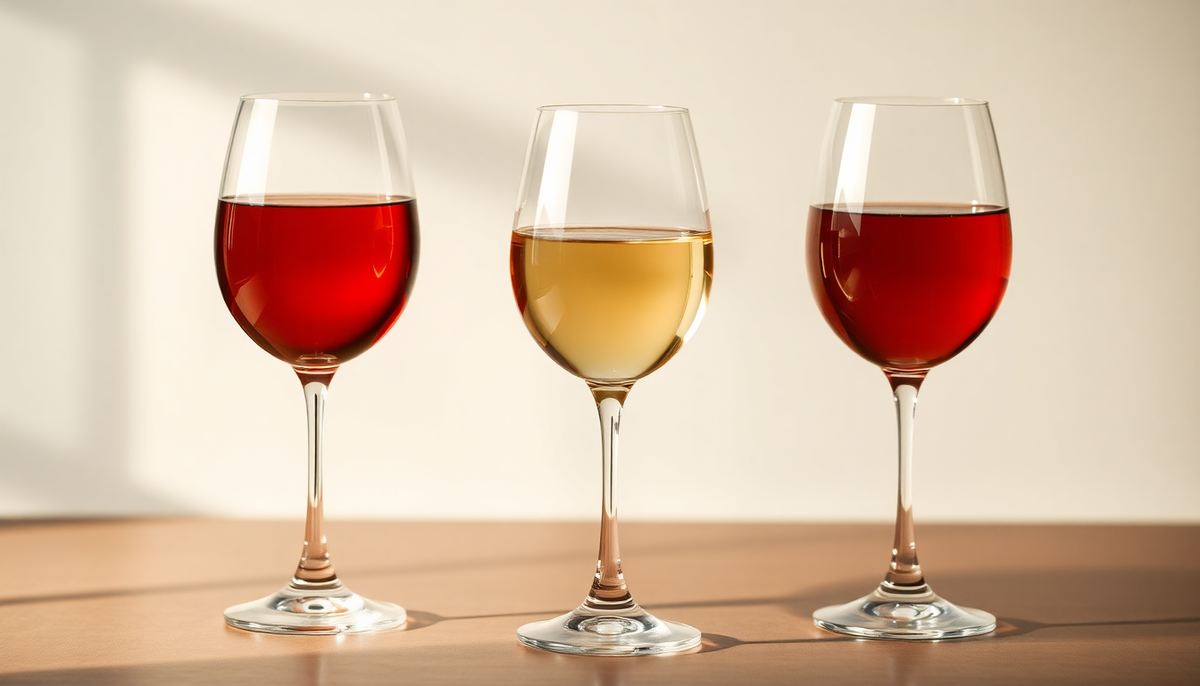
Wine selection can feel overwhelming, especially when faced with countless options at your local wine shop or vineyard. Whether you're planning a dinner party, celebrating a special milestone, or simply looking to unwind after a long day, understanding the differences between red, white, and rosé wines is essential. At Curtis Family Vineyards, we believe that choosing the right wine should enhance your experience, not complicate it. This comprehensive guide will help you navigate the world of wine and make informed decisions that suit any occasion.
Understanding the Basics: Red, White, and Rosé Wines
Before diving into specific occasions and food pairings, it's important to understand what makes these three categories distinct. The primary difference between red, white, and rosé wines lies in how they're produced and which parts of the grape are used during fermentation.
Red Wine: The Classic Choice
Red wine is produced from dark-colored grape varieties. The key to red wine's distinctive color and flavor comes from the skin contact during fermentation. When grape juice ferments with the skins, seeds, and stems, it extracts color, tannins, and complex flavors that give red wine its characteristic depth and richness.
The tannins in red wine are compounds that create a drying sensation in your mouth. This is why red wines often pair well with hearty foods like red meat, aged cheeses, and rich sauces. Red wines can range from light and fruity to full-bodied and complex, depending on the grape variety, growing conditions, and winemaking techniques.
White Wine: The Versatile Option
White wine is typically made from green grapes or sometimes from red grapes where the skins are removed immediately after crushing. This minimal skin contact means white wine lacks the tannins found in red wine, resulting in a lighter color and crisper taste profile.
White wines are known for their acidity and refreshing qualities. They can range from bone-dry to sweet, and from light and delicate to full-bodied and rich. The flavor profiles often include notes of citrus, green apple, stone fruits, and tropical fruits, making white wines incredibly versatile for food pairing and casual enjoyment.
Rosé Wine: The Perfect Middle Ground
Rosé wine is the bridge between red and white. It's made from red grape varieties, but the skins are removed during fermentation much sooner than they would be for red wine, typically after just a few hours to a few days. This brief skin contact gives rosé its signature pink color and a flavor profile that combines the freshness of white wine with some of the fruitiness of red wine.
Rosé wines have gained tremendous popularity in recent years, and for good reason. They offer a refreshing alternative that works well in many situations and with diverse food options. The acidity in rosé makes it food-friendly, while the subtle fruit flavors add complexity without overwhelming the palate.
The Science Behind Wine Selection
Understanding the chemistry of wine can help you make better choices. When you're selecting a wine, you're essentially choosing a combination of flavors, aromas, acidity levels, and tannin structures that will interact with your food and palate in specific ways.
Acidity and Its Role
Acidity is one of the most important factors in wine selection. Wines with higher acidity tend to feel crisp and refreshing on the palate. This acidity is crucial for food pairing because it can cut through rich, fatty foods and cleanse your palate between bites. Most white wines and rosés have higher acidity than red wines, which is why they're often recommended for lighter meals and seafood.
Tannins and Texture
Tannins are naturally occurring compounds found primarily in red wines. They come from grape skins, seeds, and stems, as well as from oak barrels used in aging. Tannins create a drying sensation in your mouth and contribute to the wine's structure and aging potential. Wines with higher tannin levels pair well with proteins and fatty foods because the tannins bind with proteins in your mouth, creating a pleasant sensation rather than an astringent one.
Alcohol Content
The alcohol content of wine typically ranges from 9% to 16% ABV (alcohol by volume). Wines with higher alcohol content tend to feel warmer and fuller-bodied on the palate. When selecting wine for an occasion, consider the alcohol content, as it can affect how the wine pairs with food and how it makes you feel after consumption.
Choosing Red Wine for Different Occasions
Red wine is often associated with formal dinners and special occasions, but its versatility extends far beyond these settings. Understanding the different styles of red wine will help you select the perfect bottle for any red wine occasion.
Light-Bodied Red Wines
Light-bodied red wines like Pinot Noir, Beaujolais, and some Grenaches are perfect for occasions where you want the wine to complement rather than dominate. These wines have lower tannin levels and higher acidity, making them more approachable and food-friendly than their fuller-bodied counterparts.
Light-bodied reds work wonderfully for casual dinner parties, outdoor gatherings, or when you're serving lighter fare like chicken, fish, or vegetable-based dishes. They're also excellent for those who are new to wine or prefer wines that don't feel heavy or astringent.
Medium-Bodied Red Wines
Medium-bodied red wines like Merlot, Sangiovese, and Côtes du Rhône offer a perfect balance between approachability and complexity. These wines have moderate tannin levels and can age gracefully while still being enjoyable in their youth.
Medium-bodied reds are ideal for most dinner occasions, from casual weeknight meals to more formal gatherings. They pair well with a wide variety of foods, including pasta dishes, grilled meats, and aged cheeses. If you're unsure what to choose, a medium-bodied red is often a safe and satisfying option.
Full-Bodied Red Wines
Full-bodied red wines like Cabernet Sauvignon, Syrah, and Barolo are the heavyweights of the wine world. These wines have high tannin levels, rich flavors, and the structure to age for many years. They demand attention and pair best with equally robust foods.
Full-bodied reds are perfect for special occasions, formal dinners, and celebrations. They're ideal when you're serving premium cuts of beef, rich stews, or aged cheeses. These wines are also excellent for collectors and those who enjoy exploring complex flavor profiles and the evolution of wine as it ages.
Selecting White Wine for Every Situation
White wine's versatility makes it an excellent choice for numerous occasions. From casual brunches to elegant dinners, there's a white wine for every situation.
Crisp and Dry White Wines
Crisp, dry white wines like Sauvignon Blanc, Pinot Grigio, and Albariño are refreshing and food-friendly. These wines typically have higher acidity and lighter body, making them perfect for warm weather, casual gatherings, and lighter meals.
These wines are ideal for seafood, salads, light pasta dishes, and fresh cheeses. They're also excellent as aperitifs, enjoyed on their own before a meal. If you're hosting a summer garden party or a casual lunch, crisp white wines are an excellent choice.
Medium-Bodied White Wines
Medium-bodied white wines like Chardonnay, Viognier, and Grüner Veltliner offer more complexity and richness than their crisp counterparts. Many of these wines are aged in oak, which adds vanilla, butter, and toasted notes to the flavor profile.
Medium-bodied whites work well for more substantial meals, including roasted chicken, creamy pasta dishes, and seafood with rich sauces. They're also excellent for pairing with a variety of cheeses and can stand up to dishes with herbs and spices.
Full-Bodied White Wines
Full-bodied white wines like oaked Chardonnay, Sémillon, and white Burgundy are rich, complex, and often age-worthy. These wines have lower acidity than lighter whites and offer flavors that range from tropical fruits to nuts and minerals.
Full-bodied whites are perfect for formal dinners, special occasions, and pairing with richer foods like lobster, scallops in cream sauce, or poultry with rich accompaniments. They can also be enjoyed on their own as a meditation wine, allowing you to explore the complexity and depth of the wine.
Sweet and Dessert White Wines
Sweet white wines like Riesling, Moscato, and Sauternes add a different dimension to wine selection. These wines can be enjoyed as aperitifs, with dessert, or as dessert themselves.
Sweet wines are perfect for occasions where you want something indulgent and celebratory. They pair beautifully with desserts, fresh fruits, and even some savory dishes with sweet elements. If you're hosting a brunch or afternoon tea, a sweet white wine can be a delightful addition.
Rosé Wine: The Occasion Chameleon
Rosé wine has become increasingly popular, and for good reason. Its versatility and refreshing nature make it suitable for a wide range of occasions.
Dry Rosé Wines
Dry rosé wines are the most common style and offer excellent versatility. These wines have the refreshing acidity of white wine combined with subtle fruit flavors from the red grapes used in production.
Dry rosé is perfect for warm weather gatherings, outdoor parties, and casual meals. It pairs well with a variety of foods, from light appetizers to grilled vegetables and seafood. Rosé is also an excellent choice for those who enjoy wine but prefer something lighter and less complex than red wine.
Off-Dry and Sweet Rosé Wines
Off-dry and sweet rosé wines offer a touch of residual sugar, making them slightly sweeter than their dry counterparts. These wines are perfect for those with a preference for sweeter beverages and work well as aperitifs or with lighter desserts.
These rosés are ideal for casual gatherings, picnics, and celebrations where you want something festive and approachable. They're also excellent for introducing people to wine who might find dry wines too austere.
Occasion-Based Wine Selection Guide
Now that you understand the different types of wines, let's explore how to choose the right wine for specific occasions.
Casual Weeknight Dinners
For casual weeknight dinners, you want a wine that's approachable, food-friendly, and won't break the bank. This is the perfect time to explore wines in the $15-25 range from Curtis Family Vineyards or other reputable producers.
A light to medium-bodied red wine like Pinot Noir or a crisp white wine like Sauvignon Blanc would be excellent choices. These wines are versatile enough to pair with whatever you're cooking and won't feel too formal for a relaxed evening at home. Rosé is also a great option if you want something refreshing and easy-drinking.
Dinner Parties and Entertaining
When hosting a dinner party, you want wines that will impress your guests while remaining food-friendly. Consider selecting two or three wines that complement your menu and offer variety for your guests' preferences.
A medium-bodied red wine paired with a crisp white wine is a classic combination that works well for most dinner parties. If you're serving multiple courses, you might start with a white wine or rosé as an aperitif, move to a red wine with the main course, and finish with a dessert wine if serving dessert.
Romantic Dinners for Two
For a romantic dinner, you want wines that feel special and celebratory. This is an excellent time to splurge on a higher-quality bottle that you've been wanting to try.
Consider your menu and choose a wine that will enhance the meal. A full-bodied red wine like Cabernet Sauvignon or a rich white wine like oaked Chardonnay can feel luxurious and special. Alternatively, a quality rosé can feel romantic and refreshing, especially if you're dining outdoors.
Outdoor Summer Gatherings
Summer gatherings call for refreshing, approachable wines that won't feel heavy in warm weather. Crisp white wines, dry rosés, and light-bodied red wines are all excellent choices.
Serve these wines well-chilled and consider offering a variety to suit different preferences. Rosé is particularly popular at summer gatherings and pairs well with grilled foods, salads, and light appetizers. You might also consider a sparkling wine or wine spritzer for a festive touch.
Holiday Celebrations
Holiday celebrations often call for wines that feel festive and special. Consider the traditional foods you'll be serving and select wines that complement them.
For Thanksgiving, a medium-bodied red wine or a crisp white wine works well with turkey and traditional sides. For Christmas, a full-bodied red wine or a rich white wine feels celebratory and pairs well with roasted meats and rich sauces. Sparkling wine is always appropriate for toasts and celebrations.
Formal Events and Special Occasions
For formal events, you want wines that feel prestigious and impressive. This is the time to select premium bottles from established producers or seek recommendations from wine professionals.
Consider the menu carefully and select wines that will enhance the dining experience. A full-bodied red wine like Cabernet Sauvignon or a prestigious white wine like white Burgundy can feel appropriately formal. If you're unsure, consulting with a wine professional at Curtis Family Vineyards can help you make an excellent selection.
Picnics and Casual Outdoor Meals
Picnics and casual outdoor meals call for wines that are easy to transport, serve, and enjoy. Lighter wines that don't require precise temperature control are ideal.
Crisp white wines, dry rosés, and light-bodied red wines all work well for picnics. Consider wines in lighter bottles that are easier to carry, and remember to bring a cooler or ice to keep white wines and rosés properly chilled. Avoid overly complex wines that might be wasted in a casual setting.
Food Pairing Principles
Understanding how to pair wine with food is essential for making the right wine selection. While there are no absolute rules, certain principles can guide your choices.
The Weight Matching Principle
One of the most important principles in food pairing is matching the weight of the wine to the weight of the food. Light-bodied wines pair well with light foods, while full-bodied wines complement heavier, richer dishes.
For example, a delicate white wine would be overwhelmed by a heavy beef stew, while a full-bodied red wine would feel too heavy with a light salad. By matching the weight of the wine to the weight of the food, you create a balanced dining experience where neither the wine nor the food dominates.
Acidity and Rich Foods
Wines with higher acidity work particularly well with rich, fatty foods. The acidity cuts through the richness and cleanses your palate, making each bite and sip feel fresh and enjoyable.
This is why crisp white wines and rosés are excellent with seafood and light dishes, while they can also work surprisingly well with fatty fish like salmon or mackerel. The acidity in the wine balances the richness of the food.
Tannins and Protein
The tannins in red wine bind with proteins in your mouth, creating a pleasant sensation rather than an astringent one. This is why full-bodied red wines pair so well with red meat and protein-rich dishes.
When you drink a tannic red wine with a steak, the tannins interact with the proteins in the meat, and both the wine and the food taste better. This is a fundamental principle that explains why certain pairings have become classics.
Flavor Complementarity
Beyond weight and structure, consider the flavors in both the wine and the food. Wines with similar flavor profiles to the food often create harmonious pairings.
For example, a Sauvignon Blanc with herbaceous notes pairs beautifully with herb-forward dishes. A Pinot Noir with cherry flavors complements dishes with cherry or berry sauces. By thinking about the flavors in both the wine and the food, you can create pairings that feel intentional and delicious.
Reading Wine Labels and Making Informed Choices
Understanding how to read a wine label can help you make better selections and avoid surprises when you open a bottle.
The Producer and Region
The producer's name and the wine's region of origin are crucial pieces of information. Wines from established regions with strong reputations, like Bordeaux, Burgundy, or Napa Valley, often offer consistency and quality. However, don't overlook wines from emerging regions, which can offer excellent value and exciting discoveries.
The Vintage
The vintage is the year the grapes were harvested. Different years can produce very different wines due to weather conditions and growing season variations. Generally, wines from good vintage years are more reliable, but this varies by region.
The Alcohol Content
The alcohol content, listed as ABV (alcohol by volume), can give you clues about the wine's body and style. Wines with higher alcohol content tend to feel fuller-bodied and warmer on the palate.
The Grape Variety
The grape variety or varieties used to make the wine are often listed on the label. Understanding the characteristics of different grape varieties can help you predict what a wine will taste like and how it will pair with food.
Tasting Notes and Descriptions
Many wine labels include tasting notes or descriptions that can help you understand what


Leave a comment
This site is protected by hCaptcha and the hCaptcha Privacy Policy and Terms of Service apply.