

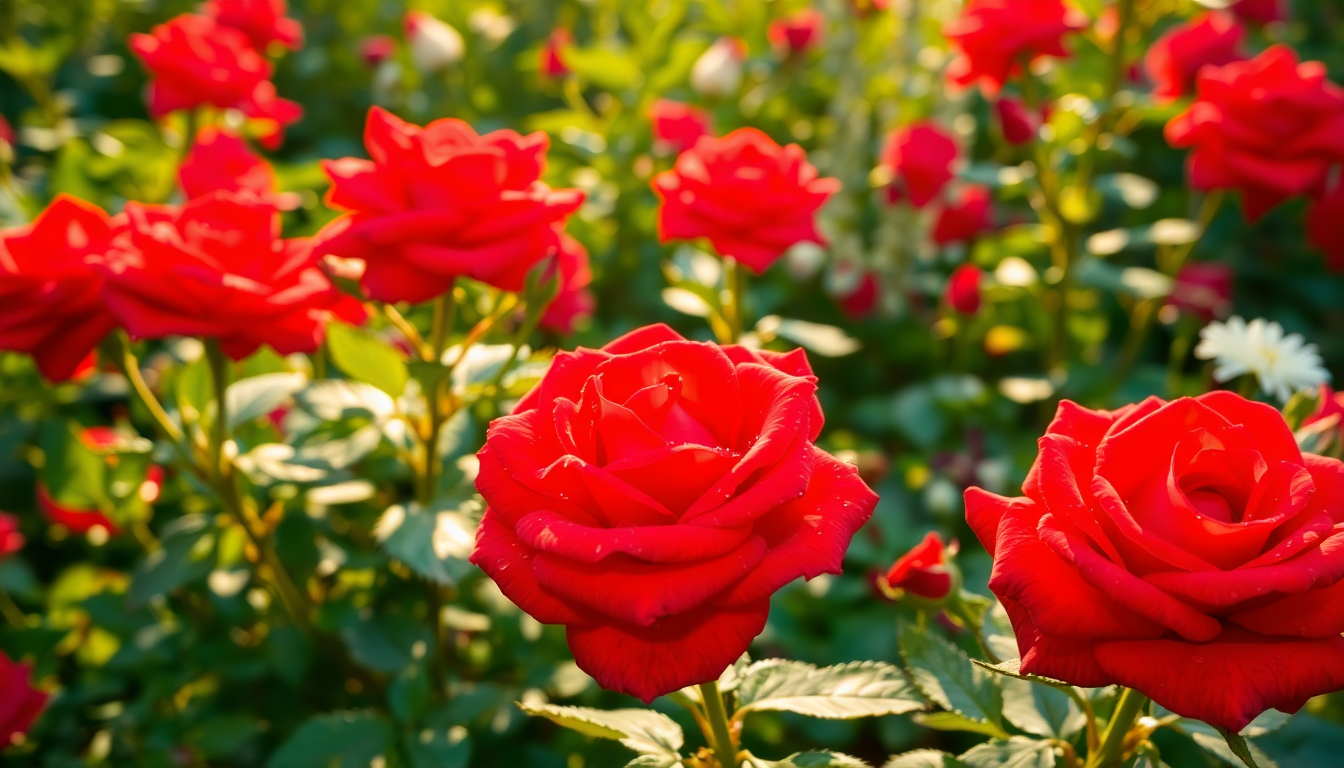
The Queen of Hearts rose is one of the most captivating and sought-after rose varieties in the world, and for good reason. This stunning Australian rose has captured the hearts of gardeners, florists, and rose enthusiasts across the globe with its dramatic appearance, exceptional longevity, and remarkable resilience. Whether you're a seasoned gardener looking to expand your collection or a newcomer to the world of roses, understanding the Queen of Hearts rose is essential for anyone who wants to cultivate beauty in their garden or enjoy these magnificent flowers in their home.
Curtis Family Vineyards recognizes the importance of understanding the plants and flowers that enhance our outdoor spaces and bring joy to our lives. Just as we carefully cultivate our vineyards to produce exceptional wines, the Queen of Hearts rose requires thoughtful care and attention to thrive. This comprehensive guide will walk you through everything you need to know about this remarkable rose variety, from its origins and characteristics to cultivation tips and seasonal care.
Understanding the Queen of Hearts Rose
The Queen of Hearts rose is a hybrid tea rose that originated in Australia, developed through careful breeding and selection to create a rose that combines beauty, durability, and disease resistance. The name itself evokes a sense of drama and elegance, and the rose certainly lives up to this billing. With its deep red coloring and full, layered petals, the Queen of Hearts rose is instantly recognizable and commands attention in any garden or floral arrangement.
Origin and Development
The Queen of Hearts rose was developed by Australian rose breeders who sought to create a rose variety that could withstand the challenging Australian climate while maintaining exceptional ornamental qualities. The breeding process involved crossing various rose genetics to achieve the perfect balance of hardiness, disease resistance, and aesthetic appeal. The result is a rose that has become increasingly popular not just in Australia, but throughout the world.
The development of this rose variety represents years of horticultural expertise and dedication. Breeders carefully selected parent plants based on their desirable traits, including strong growth habits, disease resistance, and flower quality. Through successive generations of breeding and selection, they refined the variety until the Queen of Hearts rose emerged as a distinct and superior cultivar.
Physical Characteristics
The Queen of Hearts rose is immediately recognizable by its striking appearance. The flowers are large, typically measuring four to five inches in diameter when fully open. The petals are a deep, rich red color with subtle variations in tone that create depth and visual interest. The flower form is classic hybrid tea style, with a high-centered bloom that opens gradually to reveal multiple layers of velvety petals.
The foliage of the Queen of Hearts rose is equally impressive. The leaves are dark green, glossy, and healthy-looking, providing an excellent backdrop for the stunning flowers. The plant itself grows to a moderate height, typically reaching three to four feet tall, making it suitable for various garden settings and landscape designs.
One of the most notable characteristics of the Queen of Hearts rose is the exceptional longevity of its blooms. When cut, these roses can last up to two weeks in a vase with proper care, making them an excellent choice for cut flower arrangements and bouquets. This extended vase life is one reason why florists and flower enthusiasts prize this variety so highly.
Growing Queen of Hearts Roses
Successfully growing Queen of Hearts roses requires understanding their specific needs and preferences. While these roses are relatively hardy and disease-resistant compared to many other varieties, they still require proper care to reach their full potential.
Climate and Location Requirements
The Queen of Hearts rose thrives in temperate climates with moderate temperatures and adequate sunlight. These roses prefer locations that receive at least six hours of direct sunlight daily, though eight hours or more is ideal for optimal flowering. In hotter climates, some afternoon shade can help protect the flowers from excessive heat and fading.
The Australian origins of this rose variety mean it has good heat tolerance, but it still appreciates protection from extreme temperatures. In very hot climates, providing afternoon shade during the hottest months can help maintain flower quality and prevent stress to the plant. Conversely, in cooler climates, ensuring maximum sun exposure helps the plant develop strong growth and abundant blooms.
Wind can be a consideration when choosing a location for Queen of Hearts roses. While these roses are relatively sturdy, strong winds can damage flowers and stress the plant. Choosing a location with some wind protection, such as near a fence or hedge, can help create optimal growing conditions.
Soil Preparation and Requirements
Queen of Hearts roses are not overly particular about soil type, but they do prefer well-draining soil rich in organic matter. Before planting, amend your soil with compost or well-rotted manure to improve its structure and nutrient content. The ideal soil pH for roses is slightly acidic, around 6.0 to 6.5.
Proper drainage is crucial for rose health. Roses are susceptible to root rot in waterlogged conditions, so ensure that your planting location does not have standing water. If your garden has heavy clay soil, consider creating raised beds or mounding the soil to improve drainage. Adding organic matter helps improve both drainage and water retention, creating a balanced growing medium.
Before planting, work the soil to a depth of at least twelve inches, breaking up any compacted layers. This allows roots to penetrate deeply and establish a strong foundation for the plant. Incorporating a slow-release fertilizer or bone meal into the planting hole provides nutrients for initial growth.
Planting Guidelines
When planting Queen of Hearts roses, timing is important. In most climates, spring is the ideal planting time, allowing the plant to establish itself before summer heat arrives. In milder climates, fall planting is also acceptable.
Dig a planting hole slightly larger than the root ball of your rose plant. Create a small mound of soil in the center of the hole and spread the roots over this mound, ensuring they are not cramped or bent. The bud union (the knobby area where the rose was grafted) should be positioned at or slightly below ground level, depending on your climate. In colder regions, planting the bud union slightly deeper provides winter protection.
Backfill the hole with amended soil, firming it gently around the plant to eliminate air pockets. Water thoroughly after planting to settle the soil and ensure good root-to-soil contact. Apply a two to three-inch layer of mulch around the base of the plant, keeping it a few inches away from the stem to prevent rot.
Seasonal Care and Maintenance
Proper seasonal care is essential for maintaining healthy, productive Queen of Hearts roses throughout the year. Each season presents different challenges and opportunities for care.
Spring Care
Spring is a time of renewal and growth for roses. As temperatures warm and new growth emerges, several care tasks become important. Begin by removing any winter protection, such as mulch mounds or rose cones, as temperatures consistently warm. Prune away any dead or damaged canes, cutting back to healthy green wood.
Spring is also the time to apply a dormant oil spray if needed, before new growth fully emerges. This helps control overwintering pests and diseases. Once new growth is underway, begin a regular feeding schedule with a balanced rose fertilizer. Many gardeners prefer to use a slow-release fertilizer in spring, which provides nutrients gradually throughout the growing season.
Monitor for early signs of pests and diseases. Spring is when many insects become active, and catching infestations early makes them much easier to manage. Watch for aphids, spider mites, and other common rose pests. Similarly, keep an eye out for fungal diseases like powdery mildew and black spot, which can develop in spring's variable weather conditions.
Summer Care
Summer is the peak growing and blooming season for Queen of Hearts roses. During this time, consistent watering is crucial. Roses need approximately one inch of water per week, either from rainfall or irrigation. Water deeply and less frequently rather than shallow, frequent watering, as this encourages deeper root development.
Water at the base of the plant rather than overhead, as wet foliage is more susceptible to fungal diseases. Early morning watering is ideal, allowing any moisture that does contact the foliage to dry quickly as temperatures rise.
Summer heat can stress roses, so maintaining consistent soil moisture is particularly important. Mulch helps regulate soil temperature and moisture, so maintain a two to three-inch layer throughout the summer. Deadheading spent flowers encourages continued blooming throughout the season. Remove flowers as soon as they begin to fade, cutting just above a five-leaflet leaf.
Continue a regular feeding schedule during summer, applying fertilizer every four to six weeks. Some gardeners prefer liquid fertilizers during summer for quick nutrient availability. Monitor regularly for pests and diseases, as warm, humid conditions favor their development.
Fall Care
As temperatures cool in fall, adjust your care routine accordingly. Continue watering as needed, but reduce frequency as growth slows. Stop deadheading in late fall to allow hips to form, which signals the plant to enter dormancy. Reduce fertilizer applications in fall, as excessive nitrogen can stimulate tender new growth vulnerable to frost damage.
Fall is an excellent time to plant new roses, as cooler temperatures and often increased rainfall create ideal establishment conditions. It's also a good time to assess your roses' performance throughout the year and plan any changes for the next season.
Winter Care
Winter care depends largely on your climate. In mild climates, Queen of Hearts roses may continue blooming sporadically throughout winter. In colder regions, prepare roses for dormancy by applying a winter mulch mound around the base of the plant once the ground freezes. This protects the bud union and lower canes from extreme cold.
In very cold climates, rose cones or burlap wrapping may provide additional protection. However, be cautious not to create conditions that encourage rot or pest problems. Ensure good air circulation and avoid creating a moisture trap around the plant.
Watering and Irrigation
Proper watering is one of the most critical factors in growing healthy Queen of Hearts roses. Understanding your plant's water needs and providing consistent moisture is essential for success.
Watering Frequency and Amount
Queen of Hearts roses typically need about one inch of water per week during the growing season. This can come from rainfall or irrigation, or a combination of both. The key is consistency; roses prefer steady moisture rather than alternating between wet and dry conditions.
In hot, dry climates, you may need to water more frequently, possibly twice per week during peak summer heat. In cooler climates or during rainy periods, you may need to water less frequently. The best approach is to monitor soil moisture and water when the top inch of soil feels dry to the touch.
Irrigation Methods
Drip irrigation or soaker hoses are ideal for watering roses, as they deliver water directly to the root zone while keeping foliage dry. This reduces disease pressure and ensures efficient water use. If using overhead sprinklers, water early in the morning to allow foliage to dry quickly.
Hand watering with a hose is also effective if done properly. Water at the base of the plant, applying water slowly to allow it to penetrate deeply into the soil. Avoid splashing water onto the foliage, as this can promote fungal diseases.
Mulching for Moisture Retention
A two to three-inch layer of organic mulch around the base of the plant helps retain soil moisture, regulate soil temperature, and suppress weeds. Use materials such as shredded bark, compost, or straw. Keep mulch a few inches away from the stem to prevent rot and pest problems.
Mulch also breaks down over time, adding organic matter to the soil and improving its structure. Replenish mulch annually to maintain the proper depth and continue these benefits.
Fertilizing and Nutrition
Proper nutrition is essential for vigorous growth and abundant flowering in Queen of Hearts roses. These plants are heavy feeders and benefit from regular fertilization during the growing season.
Fertilizer Types and Application
Rose-specific fertilizers are formulated to provide the nutrients roses need in the proper proportions. These typically contain nitrogen for foliage growth, phosphorus for root development and flowering, and potassium for overall plant health. Many rose fertilizers also include micronutrients such as iron, magnesium, and manganese.
Granular fertilizers are applied directly to the soil and watered in, providing nutrients gradually over several weeks. Liquid fertilizers are absorbed more quickly and are useful for addressing nutrient deficiencies rapidly. Foliar feeding, applying diluted fertilizer directly to the leaves, can provide quick nutrient boosts during the growing season.
Fertilizing Schedule
Begin fertilizing in spring once new growth is underway, typically four to six weeks after pruning. Continue fertilizing every four to six weeks throughout the growing season, stopping in late summer or early fall to avoid stimulating tender new growth vulnerable to frost damage.
Many gardeners prefer to use a slow-release fertilizer in spring, which provides steady nutrition throughout the season with minimal effort. This approach works well for busy gardeners or those managing large rose gardens.
Organic Fertilizer Options
For gardeners preferring organic methods, several options provide excellent nutrition for roses. Compost and well-rotted manure add organic matter while providing slow-release nutrients. Fish emulsion and seaweed extracts provide trace minerals and growth-promoting compounds. Bone meal provides phosphorus for root development and flowering, while alfalfa meal stimulates growth and flowering.
Organic fertilizers work more slowly than synthetic options but provide long-term soil improvement and sustainability benefits. Many gardeners combine organic and synthetic approaches, using organic fertilizers for baseline nutrition and synthetic fertilizers for targeted nutrient boosts when needed.
Pruning and Shaping
Proper pruning is essential for maintaining healthy, productive Queen of Hearts roses. Pruning removes dead and diseased wood, improves air circulation, encourages new growth, and shapes the plant for aesthetic appeal.
Spring Pruning
Spring pruning is the most important pruning event of the year. As new growth emerges and buds begin to swell, prune away any dead, diseased, or damaged canes. Cut back to healthy green wood, making cuts at a forty-five-degree angle just above an outward-facing bud.
Remove any thin, weak growth that is unlikely to produce quality flowers. Thin out the center of the plant to improve air circulation, which reduces disease pressure. The goal is to create an open, vase-shaped plant with strong, healthy canes.
The amount of spring pruning depends on your goals and climate. In mild climates, light pruning that removes only dead wood and shapes the plant is often sufficient. In colder climates, more severe pruning may be necessary to remove winter damage. As a general rule, prune hybrid tea roses back by about one-third to one-half of their height.
Summer Maintenance Pruning
Throughout the growing season, remove spent flowers by cutting just above a five-leaflet leaf. This encourages the plant to produce more flowers rather than setting seed. Remove any dead, diseased, or damaged growth as soon as you notice it.
Occasionally, you may need to remove crossing canes or growth that is rubbing against other branches. This improves air circulation and prevents damage from friction.
Fall and Winter Pruning
Avoid heavy pruning in fall and winter, as this stimulates tender new growth vulnerable to frost damage. Remove only dead or diseased wood, and avoid cutting back healthy canes. In late fall, you may remove spent flowers to tidy up the plant, but avoid major pruning until spring.
Pruning Tools and Techniques
Use sharp, clean pruning tools to make clean cuts that heal quickly. Bypass pruners work well for canes up to one-quarter inch in diameter, while loppers handle thicker growth. A pruning saw is useful for removing thick, woody canes.
Disinfect tools between cuts, especially when removing diseased growth, to prevent spreading pathogens. Wipe blades with a cloth dampened in rubbing alcohol or a ten percent bleach solution.
Pest and Disease Management
While Queen of Hearts roses are relatively disease-resistant, they can still be affected by various pests and diseases. Integrated pest management, combining cultural practices, monitoring, and targeted treatments, provides effective control while minimizing environmental impact.
Common Pests
Aphids are among the most common rose pests. These small, soft-bodied insects cluster on new growth and flower buds, sucking plant juices and potentially transmitting viruses. Spray with a strong stream of water to dislodge them, or use insecticidal soap for heavier infestations.
Spider mites are tiny arachnids that cause stippled, yellowing foliage and fine webbing on affected plants. They thrive in hot, dry conditions. Increase humidity by misting foliage, and use miticides if infestations become severe.
Japanese beetles can defoliate roses quickly, skeletonizing leaves and damaging flowers. Hand-pick beetles in early morning when they're sluggish, or use traps placed away from roses to attract beetles away from your plants.
Rose slugs are sawfly larvae that skeletonize rose foliage. Spray with insecticidal soap or neem oil to control these pests.
Common Diseases
Black spot is a fungal disease that causes dark spots with yellow halos on foliage, eventually causing leaves to drop. Improve air circulation, avoid overhead watering, and remove infected leaves. Fungicide sprays can help control severe infections.
Powdery mildew appears as a white, powdery coating on foliage, buds, and stems. It thrives in warm days and cool nights with high humidity. Improve air circulation, avoid overhead watering, and use sulfur or other fungicides to control infections.
Rose rosette virus causes distorted, reddened growth and abnormal flowers. There is no cure for this virus, so infected plants should be removed and



Leave a comment
This site is protected by hCaptcha and the hCaptcha Privacy Policy and Terms of Service apply.