

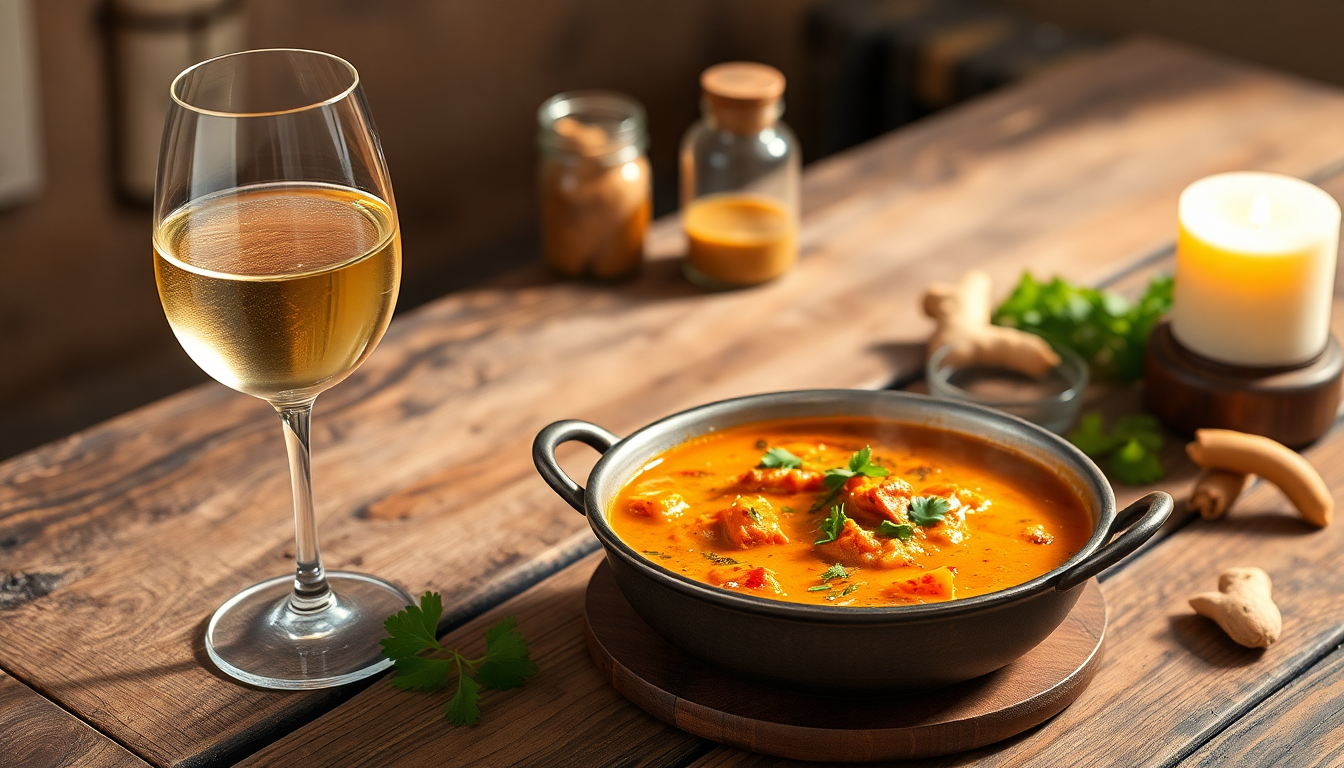
Wine and curry might seem like an unlikely pairing at first glance. For centuries, wine enthusiasts have focused on European cuisine, particularly French, Italian, and Spanish dishes. However, the world of wine pairing has evolved dramatically over the past two decades, and one of the most exciting frontiers is discovering how wine complements the complex, aromatic flavors of curry dishes. At Curtis Family Vineyards, we've spent considerable time exploring these fascinating combinations, and we're thrilled to share our insights with you.
Curry represents one of the world's most diverse and complex flavor profiles. Whether you're enjoying a mild korma from Indian cuisine, a fiery Thai red curry, or a fragrant Malaysian rendang, the interplay of spices, heat, and aromatics creates a unique challenge for wine pairing. The good news is that when approached thoughtfully, wine and curry can create a harmonious dining experience that elevates both the food and the beverage.
Understanding Curry: The Foundation of Successful Pairing
Before we dive into specific wine recommendations, it's essential to understand what curry actually is and how its components affect wine pairing decisions. The term "curry" encompasses a vast range of dishes that vary dramatically by region, preparation method, and ingredient composition.
The Spice Profile of Curry
Curry is fundamentally about spices. The word itself comes from the Tamil word "kari," which simply means sauce. However, modern curry dishes are far more complex than a simple sauce. They typically combine multiple spices that work together to create layers of flavor.
Common curry spices include turmeric, which provides an earthy, slightly bitter note; coriander, which adds a citrusy, floral quality; cumin, which brings warmth and depth; and fenugreek, which contributes a maple-like sweetness. Other spices like cardamom, cinnamon, cloves, and nutmeg add complexity and aromatic qualities. Fresh ingredients like ginger, garlic, and chili peppers introduce heat and pungency, while coconut milk, yogurt, or cream can add richness and cooling properties.
The balance of these elements varies tremendously depending on the curry's origin and style. An Indian curry might emphasize warm spices and heat, while a Thai curry might focus on fresh herbs and coconut creaminess. Understanding these differences is crucial for selecting the right wine.
Heat Levels and Wine Compatibility
One of the most important factors in pairing wine with curry is the heat level of the dish. Spicy heat from chili peppers creates capsaicin, a compound that can interact with alcohol in wine in ways that either enhance or diminish the drinking experience.
Contrary to popular belief, high-alcohol wines can actually amplify the perception of heat in spicy dishes. The alcohol itself can create a burning sensation that compounds the heat from the peppers. This is why pairing a full-bodied, high-alcohol wine with a very spicy curry might result in an uncomfortable experience. Instead, wines with lower alcohol content, higher acidity, or natural sweetness tend to work better with spicy curries.
The cooling effect of certain wine components is also important. Acidity can help cleanse the palate between bites, while residual sugar can soothe the heat of spicy dishes. This is why off-dry or slightly sweet wines often pair beautifully with hot curries.
Regional Curry Styles
Different curry traditions have developed distinct flavor profiles that require different wine approaches. Indian curries, which form the foundation of curry cuisine in many Western countries, typically feature warm spices and can range from mild to very hot. Thai curries emphasize fresh herbs, coconut, and bright acidity from lime juice. Malaysian curries often incorporate peanuts and are richly spiced. Japanese curries tend to be sweeter and milder. Vietnamese curries might feature lemongrass and galangal. Each style presents unique pairing opportunities.
The Science Behind Wine and Food Pairing
Understanding the basic principles of wine and food pairing helps demystify the process and empowers you to make confident choices when selecting wines for your curry dishes.
Complementary and Contrasting Flavors
Wine pairing works through two primary mechanisms: complementary pairing and contrasting pairing. Complementary pairing occurs when the wine and food share similar flavor compounds, creating a harmonious, unified experience. For example, a wine with spicy pepper notes might complement a curry that features black pepper and other warm spices.
Contrasting pairing, on the other hand, works by having the wine provide something the food lacks. A crisp, acidic white wine can provide contrast to a rich, creamy curry, cutting through the heaviness and refreshing the palate. Both approaches can be successful; the key is understanding which approach suits your specific curry and wine combination.
Acidity and Its Role
Acidity is one of the most important components of wine for food pairing. Wines with good acidity can cut through rich, fatty foods and cleanse the palate between bites. For curries, which often contain coconut milk, cream, or oil, acidity is particularly valuable. A wine with bright acidity can prevent the palate from becoming overwhelmed by richness, allowing you to continue enjoying both the food and the wine throughout the meal.
Acidity also helps balance spice. While it doesn't reduce the actual heat of capsaicin, it can make the heat feel more pleasant and less overwhelming by providing a refreshing counterpoint.
Tannins and Spice Interaction
Tannins are compounds found primarily in red wines that create a drying sensation in the mouth. While tannins can work beautifully with certain foods, they can be problematic with spicy curries. Tannins can interact with capsaicin in ways that amplify the perception of heat and create an unpleasant, harsh sensation. This is why most wine experts recommend white wines or lighter red wines for curry pairings, reserving fuller-bodied reds for milder curry dishes.
Sweetness as a Cooling Agent
Residual sugar in wine serves an important function in curry pairing. Sweet wines can soothe the heat of spicy dishes, providing a cooling effect that makes the meal more enjoyable. This is why off-dry Rieslings, Gewürztraminer, and other slightly sweet wines are excellent choices for hot curries. The sweetness doesn't mask the curry's flavors; rather, it creates a pleasant balance that allows all the flavors to shine.
White Wines for Curry: The Classic Choice
White wines are generally the safest and most versatile choice for curry pairing. Their typically higher acidity, lower tannin content, and lighter body make them ideal companions for the complex flavors and often rich textures of curry dishes.
Riesling: The Curry Lover's Wine
Riesling deserves special mention as perhaps the most versatile wine for curry pairing. This German white wine comes in a range of styles, from bone-dry to quite sweet, making it adaptable to various curry types and heat levels.
For mild to medium curries, a dry Riesling provides excellent acidity and mineral notes that complement the spices without overwhelming them. The wine's natural fruitiness, often featuring notes of stone fruits and citrus, can echo similar flavors in the curry. For spicier curries, an off-dry or slightly sweet Riesling becomes even more valuable. The residual sugar provides a cooling effect that makes the heat more manageable while the acidity keeps the wine from feeling cloying.
Alsatian Rieslings tend to be drier and more mineral-driven, making them excellent for mild to medium curries. German Rieslings, particularly those from regions like the Mosel, often have more residual sugar and are perfect for hot curries. The beauty of Riesling is that it works across the entire spectrum of curry styles and heat levels.
Gewürztraminer: Aromatic Perfection
Gewürztraminer, another Alsatian classic, is specifically designed for aromatic, spicy foods. The wine itself is aromatic, with notes of lychee, rose petals, and exotic spices that naturally complement curry dishes. The wine typically has good acidity and often retains some residual sugar, making it ideal for medium to hot curries.
The spicy notes in Gewürztraminer—which come from the grape variety itself, not from oak aging—create a beautiful synergy with curry spices. When you drink Gewürztraminer with a curry, the wine's own spice notes seem to amplify and harmonize with the food's spices, creating a unified flavor experience.
Sauvignon Blanc: Crisp and Refreshing
Sauvignon Blanc offers a different approach to curry pairing. This wine is known for its bright acidity and herbaceous, grassy notes. For lighter curries, particularly those with fresh herbs like cilantro or mint, Sauvignon Blanc can be excellent. The wine's herbaceous qualities can echo the fresh herbs in the curry, while its acidity cuts through any richness.
New Zealand Sauvignon Blancs, with their more tropical fruit notes, can work particularly well with Thai and Southeast Asian curries. Loire Valley Sauvignon Blancs, with their more mineral and herbaceous character, pair beautifully with Indian curries that feature fresh herbs.
Pinot Grigio and Vermentino: Light and Mineral
For those seeking a lighter, more delicate pairing, Pinot Grigio from northern Italy or Vermentino from Sardinia can be excellent choices. These wines are typically dry, with good acidity and mineral notes. They work best with milder curries or curries that emphasize fresh ingredients over heavy spices.
The lightness of these wines means they won't overpower subtle curry flavors, making them ideal when you want the food to be the star of the show. They're also excellent choices for curry dishes that feature seafood, as the wines' mineral qualities complement both the curry and the seafood.
Albariño: Spanish Elegance
Albariño from Spain's Rías Baixas region offers another excellent option for curry pairing. This wine combines good acidity with subtle stone fruit and citrus notes. It's slightly fuller-bodied than Pinot Grigio but still maintains the crispness needed to pair with curry. Albariño works particularly well with seafood curries, where its mineral qualities and citrus notes create a harmonious combination.
Rosé Wines: The Underrated Option
Rosé wines deserve more attention in curry pairing discussions. Often dismissed as frivolous summer wines, quality rosés can be sophisticated and food-friendly partners for curry dishes.
Why Rosé Works with Curry
Rosé wines combine the best qualities of red and white wines for curry pairing. They typically have the acidity of white wines but with slightly more body and some subtle tannins from the brief skin contact during production. This combination makes them versatile enough to handle a wide range of curry styles.
The color of rosé comes from anthocyanins in the grape skins, which also contribute subtle flavor compounds. These can include red fruit notes, spice, and minerality—all of which can complement curry dishes beautifully.
Provence Rosé: The Gold Standard
Provence rosé, from southeastern France, represents the pinnacle of rosé wine quality. These wines are typically dry, with good acidity and delicate fruit flavors. They're pale in color and elegant in style, making them perfect for lighter curries or as an aperitif before a curry meal.
The mineral quality of Provence rosés, which comes from the region's limestone soils, provides a sophisticated backdrop for curry spices. These wines work particularly well with vegetable curries or curries that emphasize fresh herbs.
Darker Rosés for Richer Curries
Rosés from warmer regions or made with longer skin contact tend to be darker and fuller-bodied. These can work beautifully with richer, creamier curries. The additional body and tannin structure can handle the richness of coconut milk or cream-based curries without being overwhelmed.
Red Wines: A Selective Approach
While white wines are generally the safer choice for curry pairing, certain red wines can work beautifully with specific curry styles. The key is selecting lighter-bodied reds with lower tannin levels and good acidity.
Pinot Noir: The Red Wine Exception
Pinot Noir is the red wine most suited to curry pairing. This elegant wine from Burgundy and other cool-climate regions is known for its light to medium body, silky tannins, and bright acidity. These characteristics make it far more compatible with curry than heavier red wines.
Pinot Noir works best with milder curries or curries that don't feature excessive heat. The wine's red fruit notes and subtle earthiness can complement curries that emphasize warm spices like cinnamon and cloves. The wine's acidity helps cut through any richness, while the low tannin levels prevent the harsh interaction that occurs when tannins meet capsaicin.
Oregon Pinot Noirs, with their slightly riper fruit profile, can work particularly well with curries that have some sweetness. Burgundian Pinot Noirs, with their more elegant, mineral-driven style, pair beautifully with lighter, more delicate curries.
Gamay: Light and Fruity
Gamay, the grape behind Beaujolais wines, offers another red wine option for curry pairing. This wine is even lighter-bodied than Pinot Noir, with bright acidity and minimal tannins. Beaujolais, particularly the lighter cru styles, can work well with mild to medium curries.
The wine's fruity character, often featuring notes of red berries and cherries, can complement curries that have some sweetness or fruit elements. The low tannin levels make it a safer choice than most red wines for spicy dishes.
Lighter Reds from Warm Climates
Some red wines from warmer climates, made in a lighter style, can work with curry. These might include lighter Grenaches, some Carignan wines, or lighter-styled Syrahs. The key is looking for wines with good acidity, lower alcohol content, and a lighter body. These wines work best with milder curries or curries that feature red meat.
Sparkling Wines: The Versatile Solution
Sparkling wines deserve consideration as curry pairings. The carbonation and acidity of sparkling wines make them remarkably food-friendly, and they can work across a wide range of curry styles.
Champagne and Sparkling Wine Benefits
The bubbles in sparkling wine serve a practical purpose in food pairing. The carbonation creates a cleansing effect on the palate, helping to refresh your mouth between bites of rich or spicy curry. The acidity of sparkling wines is typically quite high, which also helps cut through richness and balance heat.
Champagne and other high-quality sparkling wines also have a certain elegance that can elevate a curry meal, making it feel more special and celebratory. The complexity of flavors in aged sparkling wines can provide interesting contrasts and complements to curry spices.
Prosecco and Other Sparkling Options
Prosecco, the Italian sparkling wine, offers a more affordable option that still provides excellent pairing potential. The wine's fruity character and bright acidity work well with lighter curries. Cava from Spain offers similar benefits at a reasonable price point.
For those seeking something different, sparkling wines from other regions—such as English sparkling wines or sparkling wines from Australia—can offer interesting flavor profiles that complement curry in unexpected ways.
Dessert Wines and Fortified Wines
While not traditional curry pairings, certain dessert and fortified wines can work beautifully with specific curry dishes, particularly those with sweet elements.
Moscato d'Asti: Sweet and Light
Moscato d'Asti, a lightly sparkling Italian wine with residual sugar, can be excellent with curries that feature fruit or sweetness. The wine's low alcohol content and gentle sweetness make it approachable and refreshing. It works particularly well with curries that incorporate mango, pineapple, or other tropical fruits.
Port and Sherry: Rich Complements
Tawny Port, with its oxidative aging and nutty, caramel notes, can work with richer curries, particularly those featuring meat. The wine's sweetness and complexity can complement curries with depth and richness. Similarly, Amontillado Sherry, with its dry, nutty character, can work with certain curry styles.
These pairings are more adventurous and work best when you're experimenting and exploring rather than seeking a safe, reliable choice.
Specific Curry Styles and Wine Recommendations
Now that we've explored the general principles and wine categories, let's look at specific curry styles and the wines that work best with them.
Indian Curries
Indian cuisine offers tremendous variety, from mild kormas to fiery vindaloos. For mild Indian curries like korma or butter chicken, which feature cream and warm spices, an off-dry Riesling or Gewürztraminer works beautifully. The wine's slight sweetness balances the richness of the cream, while the acidity cuts through the fat.
For medium-heat curries like tikka masala or rogan josh, a dry Riesling or Sauvignon Blanc provides good acidity and refreshment. The wine's crispness complements



Leave a comment
This site is protected by hCaptcha and the hCaptcha Privacy Policy and Terms of Service apply.