

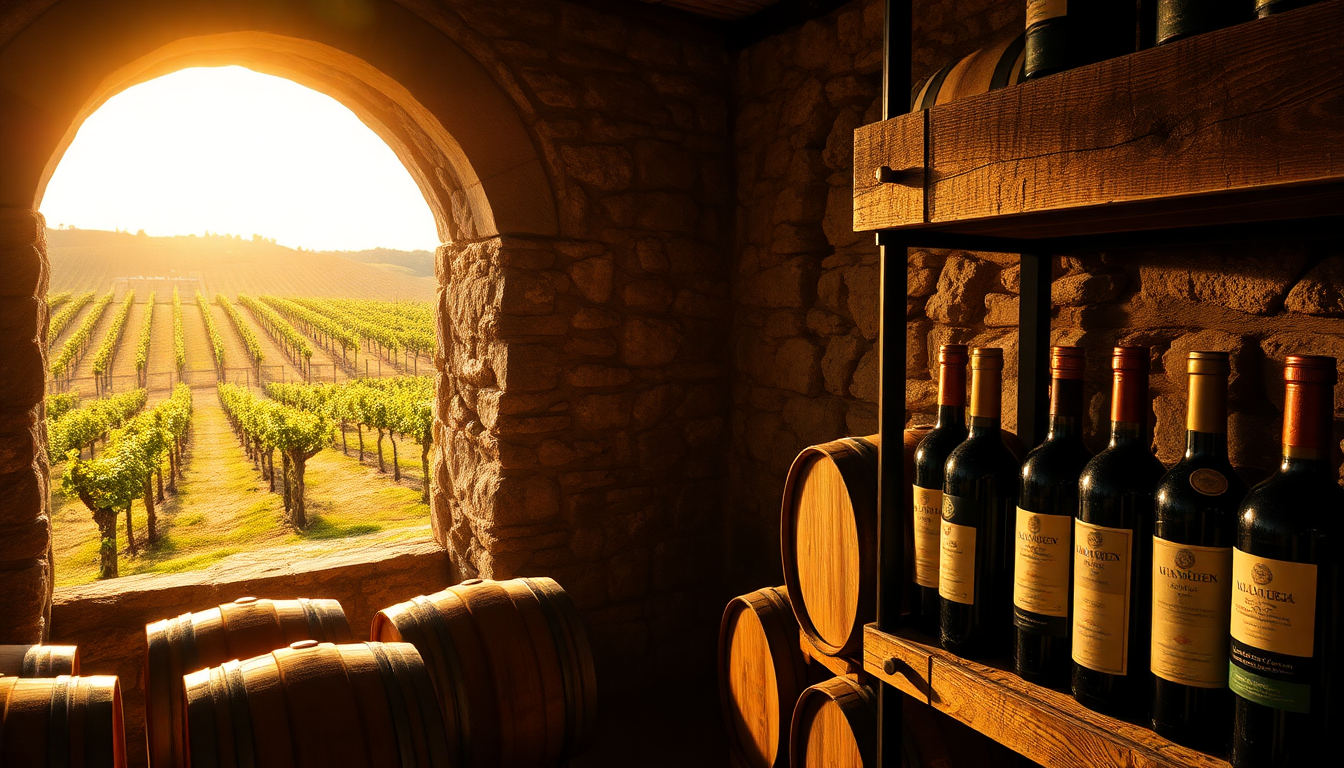
When you pick up a bottle of wine at Curtis Family Vineyards or any other winery, you might notice something intriguing on the label: "Old Vine" or "Vieilles Vignes." These terms aren't just marketing buzzwords designed to justify a higher price tag. They represent something genuinely significant in the world of winemaking—a commitment to quality, complexity, and depth that can fundamentally transform the character of a wine. But what exactly makes old vines so special, and why should wine enthusiasts care about the age of the vines that produced their favorite bottles?
The relationship between vine age and wine quality is one of the most fascinating aspects of viticulture. It's a topic that bridges science, tradition, and the art of winemaking. Understanding this connection can deepen your appreciation for wine and help you make more informed choices when selecting bottles for your collection or your dinner table.
The Basics: Understanding Vine Age and Classification
Before diving into the complexities of how vine age affects flavor, it's important to establish what we mean by "old vines." In the wine industry, there's no universally agreed-upon definition of when a vine becomes "old." However, most winemakers and wine regions consider vines to be old when they reach approximately 35 to 50 years of age. Some regions have their own specific standards. In France, for instance, vines are often considered old at around 40 years, while in some New World regions, vines might be classified as old at 30 years.
This variation in classification exists because vine maturity develops differently depending on climate, soil conditions, rootstock, and viticultural practices. A vine in a cool climate might take longer to reach full maturity than one in a warmer region. Similarly, vines planted on certain rootstocks might develop their characteristic old-vine qualities more quickly than others.
The lifecycle of a grapevine is quite different from that of many other plants. A newly planted vine typically takes three to four years before it can produce fruit suitable for winemaking. During this juvenile phase, the vine is establishing its root system and building the structure necessary for long-term productivity. The fruit produced during these early years is often thin and lacks the complexity that mature vines can achieve.
Once a vine reaches maturity—typically around 8 to 15 years of age—it begins producing fruit with more character and depth. This is when winemakers start to notice improvements in the quality of the grapes. However, the real magic happens as vines continue to age beyond this point. As vines approach 30, 40, 50 years and beyond, they develop increasingly complex characteristics that translate directly into the wines they produce.
The Root System: The Foundation of Old Vine Quality
One of the most crucial factors that distinguish old vines from younger ones is the development of their root systems. Young vines have relatively shallow, underdeveloped root systems. They rely on regular irrigation and careful management to access the water and nutrients they need. This dependence on external inputs can actually work against quality winemaking, as it tends to produce vines that are somewhat pampered and less stressed.
As vines age, their root systems develop dramatically. Old vines can develop root systems that extend 20, 30, or even 40 feet deep into the soil. This extensive root development is transformative for several reasons. First, it allows the vine to access water and nutrients from deeper soil layers that younger vines cannot reach. This is particularly important in regions prone to drought or in vineyards that practice minimal irrigation.
The deeper root systems of old vines also expose them to a broader spectrum of soil minerals and compounds. Different soil layers contain different mineral compositions, and as the roots penetrate deeper, they encounter and absorb these varied mineral profiles. This mineral diversity is believed to contribute significantly to the complexity and minerality that old vine wines often display.
Furthermore, the extensive root systems of old vines make them more resilient to environmental stress. They can better withstand drought conditions, temperature fluctuations, and other challenges that might stress younger vines. This resilience is important because moderate vine stress—not excessive stress, but the kind that comes from having to work harder to find water and nutrients—is actually beneficial for wine quality. It encourages the vine to concentrate its resources into producing smaller quantities of more intensely flavored fruit.
Vine Vigor and Yield: The Quality-Quantity Trade-off
One of the most important principles in quality winemaking is that lower yields generally produce higher quality fruit. This principle is intimately connected to vine age. Young, vigorous vines tend to produce abundant foliage and large quantities of fruit. While this might seem like a positive thing from a productivity standpoint, it actually works against wine quality.
When a vine produces too much fruit, the plant's resources are spread too thin. The sugars, acids, and phenolic compounds that give wine its flavor, structure, and aging potential are diluted across a larger volume of fruit. The result is wine that lacks concentration and complexity. This is why many quality-focused winemakers actually prune young vines heavily, deliberately limiting their yield to improve fruit quality.
Old vines, by contrast, naturally produce lower yields. As vines age, their vigor decreases. They produce less new growth, fewer shoots, and smaller clusters of fruit. This reduced productivity is actually a blessing in disguise for quality winemaking. The vine's resources are concentrated into a smaller quantity of fruit, resulting in grapes with higher sugar content, more intense flavors, and greater phenolic ripeness.
The relationship between vine age and yield is not linear. A vine planted 15 years ago might produce 8 tons per acre. At 30 years old, it might produce 4 tons per acre. At 60 years old, it might produce only 2 tons per acre. This dramatic reduction in yield is one reason why old vine wines command premium prices. Winemakers simply cannot produce as much wine from old vines, and the fruit they do produce is of exceptional quality.
This yield reduction also has important implications for vineyard economics. A vineyard of old vines requires significant investment to maintain, yet produces less fruit than younger vines. This is why many vineyards eventually replant their old vines with younger stock. However, quality-focused producers understand that the superior fruit quality from old vines justifies the economic trade-off.
Phenolic Ripeness and Flavor Complexity
To understand why old vine wines taste different, we need to explore the concept of phenolic ripeness. Phenolic compounds are organic molecules found in grape skins, seeds, and stems. They include tannins, anthocyanins, and flavonols—compounds that contribute to the color, flavor, and aging potential of wine.
Young vines often struggle to achieve full phenolic ripeness. Even when the grapes reach optimal sugar levels (what winemakers call technological ripeness), the phenolic compounds in the fruit may not be fully developed. This results in wines that might be sweet enough but lack the depth, complexity, and structure that characterize great wines.
Old vines, with their deep root systems and lower vigor, naturally produce grapes that achieve full phenolic ripeness more consistently. The extended growing season and the vine's ability to regulate its own water and nutrient uptake allow the grapes to develop more completely. The result is fruit with richer tannin structures, more complex flavor compounds, and greater potential for aging.
This phenolic complexity translates directly into the sensory experience of drinking the wine. Old vine wines often display more layers of flavor, more interesting texture, and a greater sense of place or terroir. Wine enthusiasts often describe old vine wines as having more "character" or "personality" than wines from younger vines. This is not subjective preference but rather a reflection of the greater complexity of phenolic compounds in the fruit.
Terroir Expression: How Old Vines Reveal the Land
Terroir—the French concept that encompasses the soil, climate, and topography of a vineyard—is one of the most important ideas in wine. The expression of terroir is what makes wines from different regions taste distinctly different, even when they're made from the same grape variety using similar techniques.
Old vines are exceptional terroir expressers. Because their deep root systems access a broader range of soil minerals and because they're less vigorous and less dependent on external inputs, old vines seem to communicate the characteristics of their specific location more clearly than younger vines. A wine from old vines grown in a specific vineyard often tastes more distinctly of that place than a wine from younger vines in the same vineyard.
This terroir expression is particularly important for understanding why certain vineyards develop legendary reputations. Many of the world's most prestigious vineyards—places like Château Lafite Rothschild in Bordeaux or Barolo producers in Piedmont—have achieved their status partly because they've maintained old vine parcels for decades or even centuries. These old vines produce wines that are unmistakably from their specific locations, wines that express the unique characteristics of their terroir in ways that younger vines simply cannot.
The minerality that old vine wines often display is a direct result of this terroir expression. As old vines' roots penetrate deep into the soil, they encounter and absorb minerals like limestone, slate, granite, and various trace elements. These minerals influence the flavor profile of the grapes and ultimately the wine. A wine from old vines grown in limestone-rich soil will taste distinctly different from one grown in granite-based soil, even if the vines are the same age and the winemaking techniques are identical.
The Science of Vine Aging: What Happens Over Time
The changes that occur in a vine as it ages are both biological and chemical. Understanding these changes provides insight into why old vine wines taste the way they do.
As vines age, their vascular systems—the tissues that transport water and nutrients throughout the plant—become more complex and efficient. Older vines develop more extensive xylem and phloem tissues, allowing for more sophisticated nutrient distribution. This improved transport system allows the vine to more precisely regulate the allocation of resources to different parts of the plant, including the fruit.
The cambium layer—the tissue beneath the bark that produces new wood—also changes with age. In young vines, the cambium is very active, producing rapid new growth. In old vines, cambial activity slows, resulting in slower growth and more compact wood. This slower growth is associated with greater concentration of flavor compounds in the fruit.
At the cellular level, old vines develop more complex relationships with soil microorganisms. The rhizosphere—the zone of soil immediately surrounding the roots—becomes increasingly complex in old vineyards. Beneficial fungi, bacteria, and other microorganisms establish long-term relationships with the vine roots. These microorganisms help the vine access nutrients more efficiently and may also influence the flavor compounds in the grapes.
The leaves of old vines also function differently than those of younger vines. Older vines tend to have smaller leaves with different photosynthetic characteristics. This affects how efficiently the vine converts sunlight into sugars and other compounds. The result is often grapes with more concentrated flavors and higher sugar levels.
Regional Perspectives: Old Vines Around the World
Different wine regions have different traditions and perspectives regarding old vines. Understanding these regional approaches provides valuable context for appreciating old vine wines from various parts of the world.
In Bordeaux, France, old vines are deeply respected, and many of the region's greatest wines come from vineyards with significant percentages of old vines. The concept of "grand vin" in Bordeaux is intimately connected to the quality of the fruit, and old vines are seen as essential to producing the finest wines. Bordeaux producers often maintain old vine parcels even when they're economically challenging, recognizing that the quality premium justifies the investment.
In Burgundy, another prestigious French region, old vines are equally important. The concept of "climat"—specific vineyard parcels with distinct characteristics—is fundamental to Burgundy's classification system. Many of the most prestigious Burgundy vineyards have old vines that have been producing exceptional fruit for generations. These old vines are seen as integral to the identity and quality of the wines.
In the Rhône Valley, old vines are particularly valued for producing wines with depth and complexity. The region's famous Syrah-based wines from places like Hermitage and Côte-Rôtie often come from vineyards with significant percentages of old vines. The concentration and structure that old vines provide are seen as essential to the character of these wines.
In Spain, particularly in regions like Rioja and Priorat, old vines are increasingly recognized as valuable assets. Spanish winemakers have traditionally replanted vineyards more frequently than their French counterparts, but there's growing appreciation for the quality that old vines can provide. Some Spanish producers are now actively preserving old vine parcels and highlighting them on their labels.
In Italy, old vines have always been part of the winemaking tradition. In regions like Piedmont, Tuscany, and Sicily, many vineyards contain vines that are 50, 60, or even 100 years old. These old vines are seen as connections to winemaking history and as sources of exceptional fruit quality.
In the New World—California, Australia, South Africa, and other regions—the appreciation for old vines is more recent but growing rapidly. California's Zinfandel vineyards, many of which were planted in the 19th century, are now recognized as producing some of the world's finest wines. Australian producers are increasingly valuing their old Shiraz vines, some of which date back to the 19th century. South African winemakers are discovering that their old vine Pinotage and other varieties can produce wines of remarkable quality.
Old Vine Zinfandel: A Case Study in New World Old Vines
California's Zinfandel vineyards provide an excellent case study in how old vines can define a region's identity and produce wines of exceptional quality. Many of California's Zinfandel vineyards were planted in the late 19th and early 20th centuries. These vines have survived phylloxera, Prohibition, and numerous changes in winemaking fashion. Today, they represent some of the oldest continuously producing vineyards in North America.
Old vine Zinfandels are prized for their intensity, complexity, and distinctive character. The combination of low yields, deep root systems, and the vines' ability to concentrate flavors results in wines with remarkable depth. A 100-year-old Zinfandel vine might produce only a few pounds of grapes, but those grapes will have an intensity of flavor that younger vines simply cannot match.
The economics of old vine Zinfandel production illustrate the challenges and rewards of maintaining old vineyards. These vineyards require careful, labor-intensive management. The old vines are often gnarled and difficult to work with. Yields are minimal. Yet the fruit commands premium prices, and the wines have developed devoted followings among wine enthusiasts who understand and appreciate the quality that old vines provide.
Many California producers now specifically seek out old vine Zinfandel fruit and highlight the age of the vines on their labels. This has created a market segment where consumers actively seek out wines from old vines, understanding that they're getting something special. This market recognition has helped preserve many old Zinfandel vineyards that might otherwise have been replanted with more productive varieties.
The Economics of Old Vine Vineyards
Understanding the economics of old vine vineyards provides important context for appreciating why old vine wines command premium prices and why maintaining old vineyards is such a significant commitment.
A typical vineyard might produce 5 to 8 tons of fruit per acre when the vines are in their prime productive years (roughly 15 to 30 years old). An old vine vineyard might produce only 1 to 3 tons per acre. This dramatic reduction in yield means that a winemaker must charge significantly more per bottle just to break even on the vineyard's operating costs.
The operating costs of old vine vineyards are also higher than those of younger vineyards. Old vines require more careful, labor-intensive management. They're more prone to disease and pest problems. They require more frequent replanting of dead or dying vines. The infrastructure—trellising systems, irrigation equipment, and so forth—may be older and require more maintenance or replacement.
Despite these challenges, many quality-focused producers maintain old vine vineyards because the premium prices that old vine wines command make economic sense. A bottle of wine from old vines might sell for $30 to $100 or more, while a comparable wine from younger vines might sell for $15 to $30. This price premium reflects both the lower yields and the superior quality of the fruit.
However, the economics of old vine vineyards are precarious. If market conditions change, if a producer faces financial difficulties, or if the vineyard owner decides to retire, old vine vineyards can be replanted with younger, more productive vines. This is why the preservation of old vine vineyards is an ongoing concern in wine regions around the world. Once old vines are replanted, it takes 30 to 50 years to develop new old vines, so the loss of existing old vine vineyards represents a loss of irreplaceable resources.
Phylloxera and Old Vine Survival
To fully understand old vine vineyards, it's important to understand phylloxera—a pest that nearly destroyed the world's vineyards in the late 19th century and continues to influence viticulture today.
Phylloxera is a tiny insect native to North America that feeds on grapevine roots. When it was accidentally introduced to Europe in the mid-1800s, it devastated European vineyards. Vines that had been producing wine for centuries were killed by

Leave a comment
This site is protected by hCaptcha and the hCaptcha Privacy Policy and Terms of Service apply.