

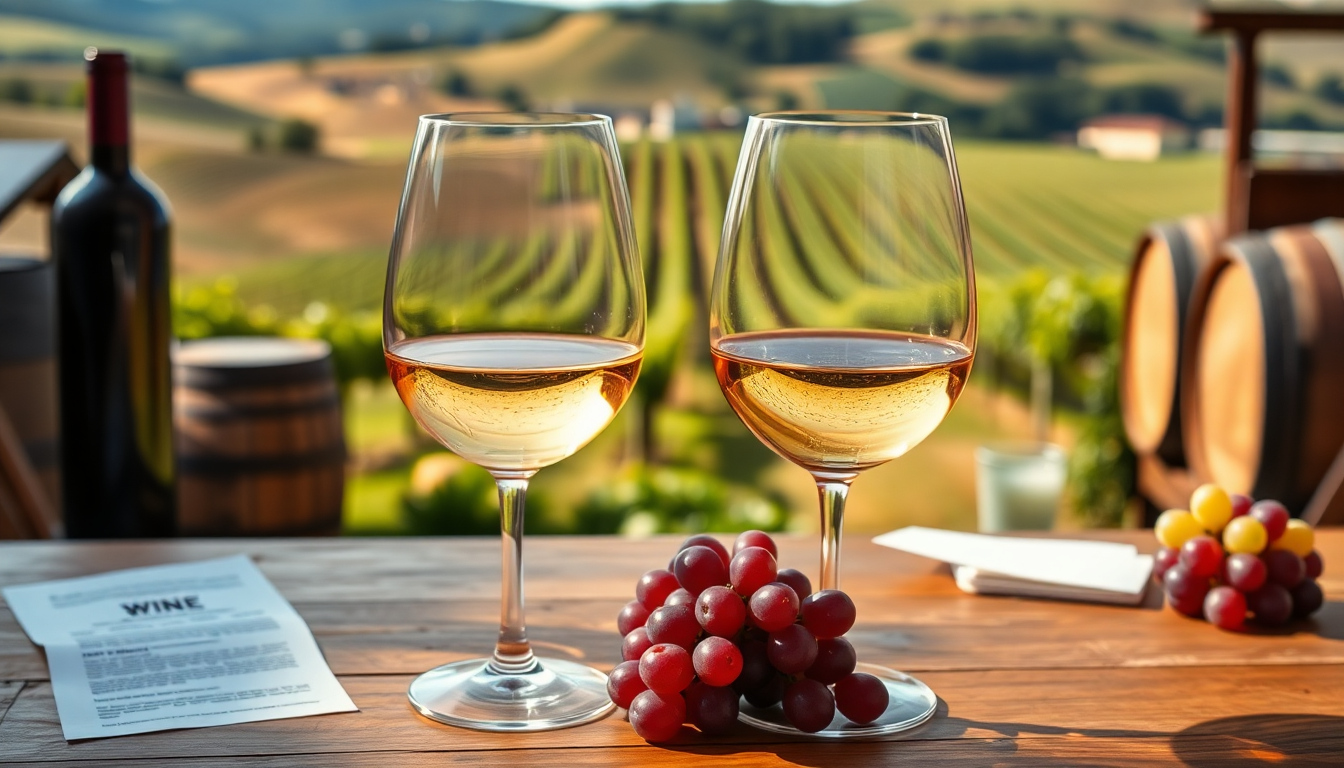
Chardonnay stands as one of the world's most versatile and beloved white wines, yet it remains one of the most misunderstood. The primary source of confusion stems from a single winemaking decision: whether to age the wine in oak barrels or stainless steel tanks. This choice fundamentally transforms the character, flavor profile, and overall experience of the finished wine. At Curtis Family Vineyards, we believe that understanding the differences between oaked and unoaked Chardonnay is essential for any wine enthusiast looking to make informed purchasing decisions and discover which style truly resonates with their palate.
The debate between oaked and unoaked Chardonnay has captivated wine lovers for decades, and for good reason. These two distinct expressions of the same grape variety can taste remarkably different, offering unique pleasures and pairing opportunities. Whether you're a seasoned collector or someone just beginning to explore the world of wine, this comprehensive guide will help you navigate the nuances of both styles and determine which one deserves a place in your cellar.
Understanding Chardonnay: The Chameleon Grape
Before diving into the specifics of oak versus stainless steel aging, it's important to understand what makes Chardonnay such a special and adaptable grape variety. Chardonnay is a green-skinned grape that originated in the Burgundy region of France, though it has since become one of the most widely planted white wine grapes across the globe. What makes Chardonnay particularly fascinating is its remarkable ability to express the characteristics of its terroir while also being dramatically influenced by winemaking techniques.
The grape itself is relatively neutral in flavor, which means it doesn't have the intensely aromatic qualities of varieties like Riesling or Sauvignon Blanc. Instead, Chardonnay's flavor profile is largely shaped by where it's grown and how it's made. This neutrality is actually a tremendous advantage, as it allows winemakers to craft wines that range from crisp and mineral-driven to rich and buttery, depending on their vision and the tools at their disposal.
Chardonnay grapes naturally contain moderate acidity and can develop complex flavors during fermentation and aging. The grape's skin is relatively thick, which contributes to its ability to age gracefully. These inherent characteristics make Chardonnay an ideal canvas for winemakers to experiment with different production methods, including the crucial decision of whether to use oak.
The History of Oak Aging in Winemaking
Oak aging is not a modern invention but rather a practice that dates back centuries. Historically, oak barrels were used primarily as a practical storage vessel for wine during transport and aging. However, winemakers eventually discovered that oak imparted desirable flavors and textures to wine, transforming it from a mere storage solution into an integral part of the winemaking process.
The use of oak in winemaking became particularly prominent in Burgundy, France, where the finest Chardonnays have been aged in oak for generations. French oak, particularly from regions like Allier, Vosges, and Nevers, became the gold standard for quality winemaking. The tradition of oak aging spread throughout the wine world, and by the twentieth century, it had become synonymous with premium white wine production.
However, the rise of stainless steel fermentation and storage in the mid-twentieth century offered winemakers an alternative approach. Stainless steel vessels are inert, meaning they don't impart any flavor to the wine, allowing the pure expression of the grape and terroir to shine through. This technological advancement sparked a philosophical debate within the wine industry that continues to this day: should winemakers use oak to enhance and transform their wines, or should they preserve the wine's natural character?
What Happens When Chardonnay Ages in Oak?
When Chardonnay is aged in oak barrels, a complex series of chemical and physical transformations occur. Understanding these processes helps explain why oaked Chardonnay tastes so different from its unoaked counterpart.
Flavor Extraction from Oak
Oak contains numerous compounds that dissolve into wine during aging. These compounds include vanillin, which imparts vanilla flavors; tannins, which add structure and a slight astringency; and various wood sugars that contribute sweetness and complexity. The intensity of these flavors depends on several factors, including the age of the barrel, the type of oak used, and the length of aging.
New oak barrels impart the most pronounced flavors, as they haven't yet released their extractable compounds. A wine aged in new oak will typically display prominent vanilla, coconut, and spice notes. As barrels age and are used for multiple vintages, they become more neutral, imparting subtler flavors. Many winemakers use a combination of new and neutral oak to achieve a balance between oak influence and wine character.
Oxidative Aging
Oak barrels are porous, allowing a small amount of oxygen to interact with the wine over time. This controlled oxidation is quite different from the rapid oxidation that occurs when wine is exposed to air in a glass. The slow, gradual oxidation that occurs in oak barrels can develop complex flavors and soften harsh tannins, contributing to the wine's overall elegance and aging potential.
Concentration and Texture Development
During oak aging, a small amount of wine evaporates through the barrel's pores, a process known as the "angel's share." This evaporation concentrates the remaining wine's flavors and can increase its alcohol content slightly. Additionally, oak aging can contribute to a rounder, creamier mouthfeel, as compounds in the oak interact with the wine's structure.
Malolactic Fermentation
Many oaked Chardonnays undergo malolactic fermentation, a secondary fermentation where lactic acid bacteria convert malic acid into lactic acid. This process reduces the wine's acidity and adds buttery, creamy flavors. While malolactic fermentation can occur in stainless steel, it's more commonly associated with oaked Chardonnays, particularly those made in the Burgundian style.
The Characteristics of Oaked Chardonnay
Oaked Chardonnay presents a distinctive profile that appeals to many wine drinkers. These wines typically display the following characteristics:
Flavor Profile
Oaked Chardonnays often exhibit flavors of vanilla, butter, caramel, and toasted nuts. Depending on the oak's origin and the aging duration, you might also detect notes of coconut, spice, or even smoke. The fruit flavors, which might include green apple, pear, or citrus in unoaked versions, tend to be more subdued in oaked Chardonnays, taking a backseat to the oak-derived flavors.
Mouthfeel and Texture
One of the most distinctive characteristics of oaked Chardonnay is its rich, creamy mouthfeel. The combination of oak compounds, malolactic fermentation, and oxidative aging creates a wine that feels substantial on the palate. This fuller body and smoother texture make oaked Chardonnay particularly appealing to those who prefer wines with more weight and complexity.
Color and Appearance
Oaked Chardonnays typically display a deeper golden or straw color compared to their unoaked counterparts. This color development results from the oxidative aging process and the compounds extracted from the oak.
Aging Potential
Many oaked Chardonnays, particularly those from prestigious regions like Burgundy or California's Napa Valley, have excellent aging potential. The oak's tannins and the wine's structure allow it to develop additional complexity over years or even decades. A well-made oaked Chardonnay from a good vintage can continue to improve for ten to twenty years or more.
The Characteristics of Unoaked Chardonnay
Unoaked Chardonnay, sometimes referred to as "naked" Chardonnay, offers a distinctly different experience. These wines are typically aged in stainless steel or other inert vessels, allowing the grape's natural character to take center stage.
Flavor Profile
Unoaked Chardonnays showcase the pure, unadulterated flavors of the grape and its terroir. You'll typically find vibrant notes of green apple, lemon, lime, and citrus, along with stone fruit flavors like peach or apricot. Depending on the wine's origin and the winemaker's approach, you might also detect mineral, herbaceous, or floral notes. These wines tend to be crisper and more refreshing than their oaked counterparts.
Mouthfeel and Texture
Unoaked Chardonnays generally have a lighter, crisper mouthfeel compared to oaked versions. The absence of oak compounds and the avoidance of malolactic fermentation (in many cases) preserve the wine's natural acidity, creating a wine that feels more vibrant and zesty on the palate. This lighter body makes unoaked Chardonnay particularly refreshing, especially when served well-chilled.
Color and Appearance
Unoaked Chardonnays typically display a pale yellow or greenish-yellow color, reflecting their fresher, more youthful character. This lighter color is immediately distinguishable from the deeper golden hues of oaked versions.
Aging Potential
While some unoaked Chardonnays can age gracefully, they generally don't have the same aging potential as their oaked counterparts. Most unoaked Chardonnays are designed to be enjoyed in their youth, within two to five years of the vintage. However, this isn't necessarily a drawback; it simply means these wines are crafted to showcase their vibrant, fresh qualities rather than to develop complexity over time.
Regional Styles: How Geography Influences the Oak Decision
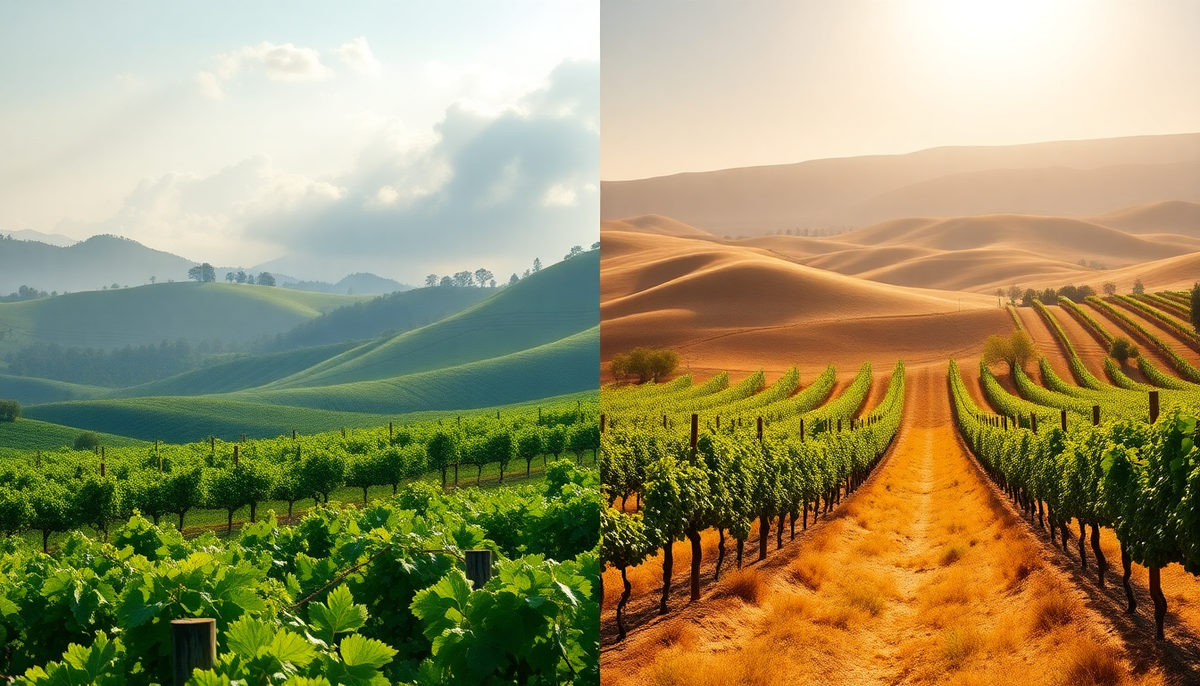
The decision to use oak or stainless steel is often influenced by regional winemaking traditions and the characteristics of the local terroir. Understanding these regional styles can help you predict what to expect from a Chardonnay based on its origin.
Burgundy, France
Burgundy is the birthplace of fine Chardonnay, and the region's winemakers have perfected the art of oak aging over centuries. In Burgundy, Chardonnay is almost always aged in oak, typically French oak from local forests. The region's cool climate produces grapes with high acidity, which pairs beautifully with oak aging. Burgundian Chardonnays are known for their elegance, complexity, and aging potential. The best examples from prestigious appellations like Chablis (which uses minimal oak), Meursault, and Puligny-Montrachet are among the world's finest white wines.
Chablis, France
Chablis represents a unique case within Burgundy. This northernmost region produces Chardonnay with distinctive mineral, flinty characteristics. Traditionally, Chablis was made in stainless steel or neutral oak, allowing the terroir's mineral qualities to shine. However, some modern Chablis producers have begun experimenting with oak aging, creating a stylistic divide within the region. Unoaked Chablis remains the classic expression, showcasing the region's unique limestone-rich terroir.
California, USA
California's wine regions, particularly Napa Valley and Sonoma, became famous for producing rich, full-bodied oaked Chardonnays in the latter half of the twentieth century. The warm California climate produces ripe grapes with lower acidity, which pairs well with oak aging. California Chardonnays became synonymous with butter, vanilla, and tropical fruit flavors. However, in recent years, many California producers have begun crafting unoaked or lightly oaked Chardonnays, reflecting a broader shift toward fresher, more food-friendly styles.
Australia
Australian winemakers have embraced both oaked and unoaked Chardonnay styles. The country's warm climate produces ripe, fruit-forward Chardonnays that can work beautifully in either style. Australian oaked Chardonnays tend to be fruit-forward with subtle oak influence, while unoaked versions showcase the grape's natural richness and complexity.
New Zealand
New Zealand has become known for producing vibrant, unoaked Chardonnays that showcase the country's cool-climate terroir. These wines are typically crisp and mineral-driven, with citrus and stone fruit flavors. However, some New Zealand producers also craft oaked versions, offering consumers a choice between styles.
The Winemaking Process: How Oak Decisions Are Made
The decision to age Chardonnay in oak or stainless steel is made early in the winemaking process and influences numerous subsequent decisions. Understanding the winemaking process helps clarify why these two styles are so different.
Fermentation Vessel Selection
The choice of fermentation vessel is often the first critical decision. Some winemakers ferment Chardonnay in stainless steel, which allows for precise temperature control and a clean fermentation. Others ferment in oak barrels, which imparts oak flavors and can influence the fermentation's character. Barrel fermentation is more common for wines destined to be oaked, as it allows the wine to extract oak compounds throughout the fermentation process.
Temperature Control
Stainless steel vessels allow winemakers to control fermentation temperature precisely, which is crucial for preserving delicate fruit flavors and aromatic compounds. Oak barrels don't offer the same temperature control, which can result in warmer fermentations. This difference can influence the final wine's flavor profile, with cooler fermentations typically producing crisper, more aromatic wines.
Malolactic Fermentation Decisions
As mentioned earlier, malolactic fermentation is more commonly associated with oaked Chardonnays. Winemakers can control whether malolactic fermentation occurs by managing temperature and using specific bacteria. Some unoaked Chardonnays do undergo malolactic fermentation, but many are made in a style that preserves the wine's natural acidity by preventing it.
Aging Duration and Oak Type
For oaked Chardonnays, winemakers must decide how long to age the wine in oak and what type of oak to use. French oak imparts subtle, elegant flavors, while American oak tends to be more aggressive, contributing stronger vanilla and coconut notes. Hungarian and other European oak varieties offer different flavor profiles. New oak contributes more flavor than neutral oak, so winemakers often use a blend of new and used barrels to achieve their desired flavor balance.
Stirring and Handling
During oak aging, winemakers often stir the sediment (called lees) that settles at the bottom of the barrel. This process, known as bâtonnage, can add complexity and a creamy texture to the wine. It's a technique more commonly employed with oaked Chardonnays, though some unoaked versions also benefit from lees stirring.
Tasting Notes: What to Look For
Developing your palate and learning to identify the characteristics of oaked versus unoaked Chardonnay will enhance your wine appreciation. Here's what to look for when tasting these wines.
Visual Assessment
Begin by examining the wine's color and clarity. Oaked Chardonnays typically display a deeper golden or amber color, while unoaked versions are pale yellow or greenish-yellow. Both should be clear and bright, without any cloudiness or sediment (unless it's an older wine that has developed sediment naturally).
Aromatic Profile
Swirl the wine gently in your glass to release its aromas, then take a moment to smell it. With oaked Chardonnay, you'll likely detect vanilla, butter, caramel, and toasted nut aromas. Unoaked Chardonnay will showcase citrus, green apple, stone fruit, and mineral aromas. Pay attention to the intensity of the aromas; some wines will be more aromatic than others.
Palate Assessment
Take a sip and let the wine coat your mouth. Notice the wine's body and texture. Does it feel light and crisp, or rich and creamy? Identify the flavors you detect. Are they fruit-forward or dominated by oak-derived flavors? Pay attention to the wine's acidity; does it feel bright and zesty, or is it more subdued? Consider the finish; does the flavor linger, or does it fade quickly?
Balance and Harmony
The best wines, whether oaked or unoaked, display balance and harmony among their components. In an oaked Chardonnay, the oak flavors should complement rather than overpower the fruit. In an unoaked Chardonnay, the fruit should be vibrant and well-defined, with good acidity to provide structure.
Food Pairing Considerations
One of the most practical differences between oaked and unoaked Chardonnay is how they pair with food. Understanding these differences can help you select the perfect wine for your meal.
Oaked Chardonnay Pairings
The rich, creamy character of oaked Chardonnay makes it an excellent match for dishes with similar qualities. Consider pairing oaked Chardonnay with:
Buttery or cream-based sauces complement the wine's buttery character beautifully. Dishes like fettuccine Alfredo, lobster thermidor, or chicken in cream sauce are classic pairings.
Seafood with rich preparations, such as salmon with hollandaise sauce, scallops in butter sauce, or crab cakes, work wonderfully with oaked Chardonn

Leave a comment
This site is protected by hCaptcha and the hCaptcha Privacy Policy and Terms of Service apply.