

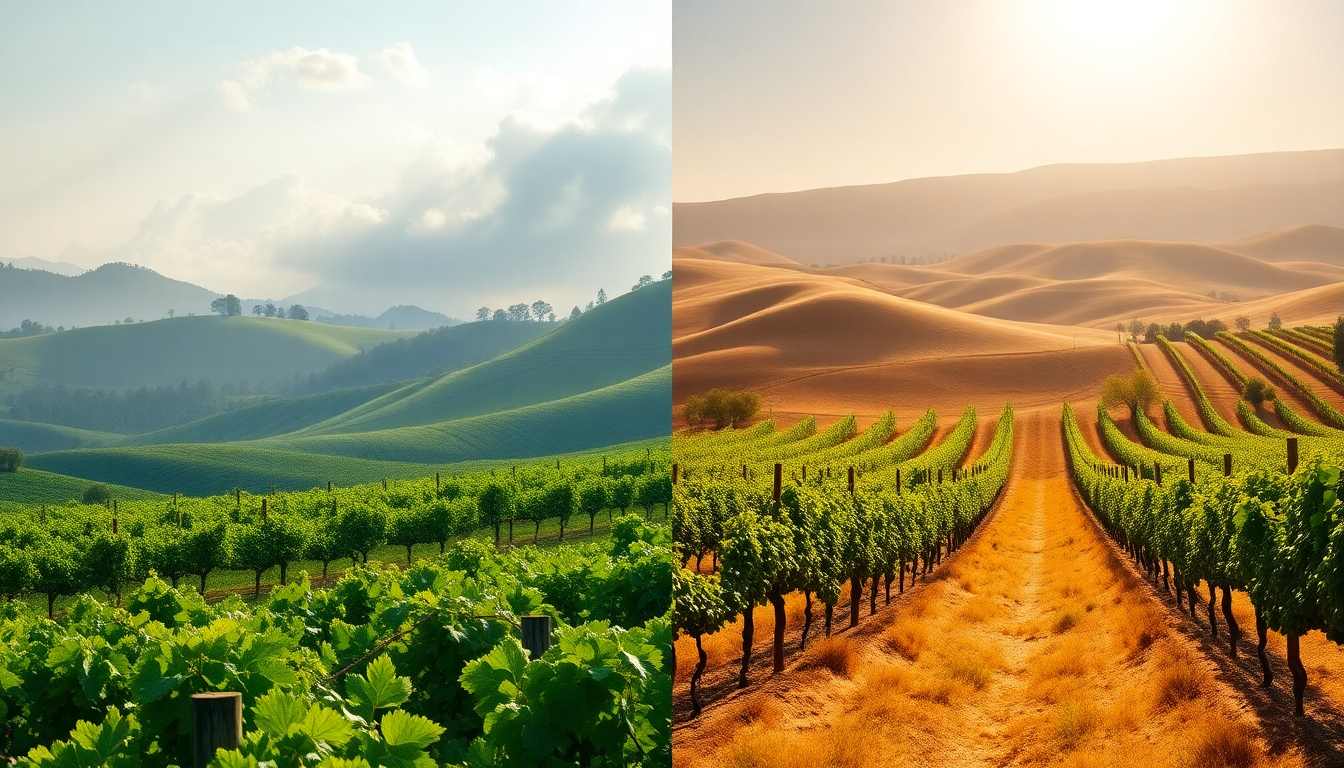
Wine is one of the most complex and nuanced beverages in the world, with countless variables influencing its final character and taste. Among the most significant factors that determine a wine's profile is the climate in which the grapes are grown. The distinction between cool climate and warm climate wines represents one of the fundamental divides in viticulture, affecting everything from acidity levels and alcohol content to the aromatic compounds and flavor profiles that make each wine unique. Understanding how climate shapes wine flavor is essential for both wine enthusiasts and those looking to deepen their appreciation of this ancient craft.
At Curtis Family Vineyards, we recognize that climate is not merely a backdrop to winemaking—it is the foundation upon which great wines are built. The terroir of a region, which encompasses climate, soil, and topography, creates the conditions that allow grapes to develop their distinctive characteristics. Whether a vineyard sits in a cool climate region or a warm climate region fundamentally alters the winemaking journey and the final product that reaches your glass.
Understanding Climate Classification in Viticulture
Before diving into the specific differences between cool and warm climate wines, it's important to understand how climate is classified in the wine industry. Viticulturists and winemakers use several methods to categorize wine regions, with the most common being the Winkler Index, also known as the Growing Degree Days (GDD) system.
The Winkler Index and Growing Degree Days
The Winkler Index measures the heat accumulation during the growing season by calculating the sum of daily temperatures above 50 degrees Fahrenheit (10 degrees Celsius). This system divides wine regions into five categories, ranging from Region I (coolest) to Region V (warmest). A region's classification directly impacts which grape varieties thrive there and how those grapes develop their flavors.
Cool climate regions typically fall into Regions I and II, accumulating between 2,500 and 3,500 growing degree days annually. These areas include famous wine regions such as Champagne in France, the Mosel Valley in Germany, and New Zealand's South Island. Warm climate regions, classified as Regions IV and V, accumulate more than 3,500 growing degree days and include areas like Napa Valley in California, Barossa Valley in Australia, and the Rhône Valley in France.
Geographic Factors Influencing Climate
Climate classification extends beyond simple temperature measurements. Geographic factors such as latitude, altitude, proximity to water bodies, and prevailing wind patterns all play crucial roles in determining a region's climate profile. Coastal regions benefit from maritime influences that moderate temperatures, while inland areas experience more extreme temperature fluctuations. Mountain vineyards at higher altitudes experience cooler conditions despite being in warmer latitudes, creating unique microclimates that produce distinctive wines.
The Characteristics of Cool Climate Wines
Cool climate wines possess a distinctive character that sets them apart from their warm climate counterparts. These wines are shaped by the challenges and opportunities presented by shorter growing seasons and lower average temperatures.
Acidity and Freshness
One of the most defining characteristics of cool climate wines is their elevated acidity. In cooler regions, grapes take longer to ripen, and the extended growing season allows them to maintain higher levels of malic acid. This natural acidity is a hallmark of cool climate wines, providing a crisp, refreshing quality that makes them exceptionally food-friendly. The bright acidity acts as a backbone for the wine, giving it structure and longevity.
This acidity is not harsh or unpleasant; rather, it provides balance and elegance. Cool climate Rieslings from Germany, for example, are renowned for their perfect balance between residual sweetness and vibrant acidity. Similarly, cool climate Sauvignon Blancs from the Loire Valley in France display a piercing acidity that highlights their herbaceous and citrus notes.
Lower Alcohol Content
Because grapes in cool climates accumulate sugars more slowly, cool climate wines typically have lower alcohol content than their warm climate equivalents. While warm climate wines often reach 14-16% alcohol by volume or higher, cool climate wines frequently settle in the 11-13% range. This lower alcohol content contributes to the wines' elegance and drinkability, making them less heavy on the palate and allowing the subtle flavors to shine through.
The lower alcohol also means that cool climate wines are often more suitable for extended aging. The balance between acidity, tannins, and alcohol creates a stable structure that can evolve beautifully over decades, developing complex secondary flavors and gaining depth and complexity.
Aromatic Complexity and Delicate Flavors
Cool climate grapes develop distinctive aromatic profiles characterized by green, herbaceous, and citrus notes. These wines often display flavors of green apple, lemon, grapefruit, and fresh herbs. In red wines, cool climate conditions produce wines with red fruit characteristics—such as cherry, raspberry, and strawberry—rather than the darker, riper fruit flavors found in warm climate wines.
The extended ripening period in cool climates allows grapes to develop complex aromatic compounds called thiols, which contribute to the distinctive character of wines like Sauvignon Blanc and Pinot Noir. These aromatic compounds create wines with remarkable complexity and nuance, rewarding careful tasting and contemplation.
Specific Cool Climate Wine Examples
Champagne, perhaps the most famous cool climate wine region in the world, produces sparkling wines of unparalleled elegance. The cool climate of northern France means that grapes rarely achieve full ripeness, resulting in high acidity and lower alcohol content—perfect conditions for creating sparkling wine. The extended aging process in the bottle further develops complexity and refinement.
German Rieslings from the Mosel Valley represent another pinnacle of cool climate winemaking. These wines showcase how cool climate conditions can produce wines of remarkable balance, with delicate floral and mineral notes complementing bright acidity and subtle sweetness.
Pinot Noir from cool climate regions such as Burgundy, Oregon, and New Zealand's Central Otago demonstrates how cool climates can produce elegant red wines with silky tannins and complex flavor profiles. These wines often display notes of red berries, earth, and subtle spice, with a texture that feels refined and sophisticated on the palate.
The Characteristics of Warm Climate Wines
Warm climate wines present a contrasting profile, shaped by abundant sunshine, higher temperatures, and the ability to achieve full grape ripeness.
Higher Alcohol Content and Riper Fruit Flavors
The most immediately noticeable characteristic of warm climate wines is their higher alcohol content. With abundant heat and sunshine, grapes accumulate sugars more rapidly, resulting in wines that often exceed 14% alcohol by volume. This higher alcohol content contributes to a fuller, rounder mouthfeel and a more powerful presence on the palate.
The riper conditions in warm climates also result in riper fruit flavors. Where cool climate wines display green apple and citrus, warm climate wines showcase flavors of ripe stone fruits, tropical fruits, and dark berries. A warm climate Chardonnay might display flavors of ripe peach, pineapple, and butter, while a cool climate version would emphasize green apple, citrus, and mineral notes.
Lower Acidity and Fuller Body
Warm climate grapes develop lower levels of acidity as they ripen more completely. This lower acidity gives warm climate wines a softer, rounder character on the palate. While some might perceive this as less refreshing than the bright acidity of cool climate wines, it creates a different kind of appeal—one that emphasizes richness, depth, and immediate drinkability.
The combination of higher alcohol, lower acidity, and riper fruit flavors creates wines with fuller body and more powerful flavor profiles. These wines often feel more substantial in the mouth and can stand up to bold, flavorful foods.
Extraction and Tannin Structure
In warm climate regions, grapes achieve greater phenolic ripeness, meaning the skins, seeds, and stems develop more tannins and color compounds. This allows winemakers to extract more color and tannin from the grapes, resulting in wines with deeper color and more structured tannins. Warm climate red wines often display bold tannin structures that can be quite powerful, particularly in their youth.
These structured tannins provide the framework for aging, though warm climate wines often develop differently than cool climate wines during the aging process. While cool climate wines tend to gain complexity and refinement with age, warm climate wines often become softer and more integrated, with the tannins gradually melding with the fruit flavors.
Specific Warm Climate Wine Examples
Napa Valley Cabernet Sauvignon represents one of the most iconic warm climate wines. The abundant sunshine and warm temperatures of Napa Valley allow Cabernet Sauvignon grapes to achieve full ripeness, resulting in wines with deep color, ripe dark fruit flavors, and powerful tannin structures. These wines often display flavors of blackberry, plum, and dark chocolate, with alcohol levels frequently reaching 14-15% or higher.
Australian Shiraz from regions like Barossa Valley showcases the bold, fruit-forward character of warm climate wines. These wines are known for their ripe berry flavors, spicy notes, and full body. The warm climate allows the grapes to develop high sugar levels, resulting in wines with significant alcohol content and powerful flavor profiles.
Warm climate Chardonnays from regions like California's Central Coast display the riper, more tropical fruit character that warm climates produce. These wines often feature flavors of ripe peach, pineapple, and vanilla (from oak aging), with lower acidity and fuller body than their cool climate counterparts.
How Climate Affects Grape Ripeness and Sugar Accumulation
The fundamental difference between cool and warm climate wines begins with how grapes ripen and accumulate sugars. Understanding this process is essential to appreciating why climate has such a profound impact on wine flavor.
The Ripening Process
Grape ripening is a complex biological process that involves several key changes in the fruit. As grapes ripen, they accumulate sugars, develop color (in red varieties), and undergo changes in acidity and aromatic compounds. The rate at which these changes occur is directly influenced by temperature and sunlight exposure.
In cool climates, the ripening process is slow and gradual. Grapes may take several weeks longer to reach maturity compared to warm climate grapes. This extended ripening period allows for the development of complex aromatic compounds while maintaining higher acidity levels. The slower pace means that grapes develop flavor complexity before achieving full sugar ripeness.
In warm climates, grapes ripen more quickly. The abundant heat and sunshine accelerate the ripening process, allowing grapes to achieve full sugar ripeness in a shorter timeframe. This rapid ripening can result in very ripe, fruit-forward flavors, but it may also mean that some of the more delicate aromatic compounds don't develop as fully.
Sugar Accumulation and Fermentation
The sugar content of grapes directly determines the potential alcohol content of the resulting wine. In cool climates, grapes typically achieve sugar levels of 18-21 degrees Brix (a measure of sugar content), resulting in wines with 11-13% alcohol. In warm climates, grapes often reach 24-27 degrees Brix or higher, producing wines with 14-16% alcohol or more.
This difference in sugar accumulation has profound implications for fermentation and the final wine. Higher sugar levels mean more material for yeast to ferment, resulting in higher alcohol content. The fermentation process itself is also affected by temperature—cool fermentations tend to produce more delicate, aromatic wines, while warmer fermentations can produce bolder, more fruit-forward wines.
Phenolic Ripeness vs Sugar Ripeness
An important distinction in viticulture is the difference between sugar ripeness and phenolic ripeness. Sugar ripeness refers to the accumulation of sugars in the grape, while phenolic ripeness refers to the maturity of tannins, color compounds, and other phenolic compounds in the grape skins and seeds.
In cool climates, achieving full phenolic ripeness can be challenging. Grapes may reach adequate sugar levels for fermentation before the phenolic compounds are fully mature. This is why cool climate winemakers sometimes employ techniques like extended maceration or higher fermentation temperatures to extract more color and tannin from the grapes.
In warm climates, grapes typically achieve both sugar ripeness and phenolic ripeness simultaneously, or even phenolic ripeness before sugar ripeness. This allows winemakers to harvest grapes that are fully ripe in all respects, resulting in wines with deep color, ripe flavors, and well-developed tannin structures.
The Impact of Climate on Specific Grape Varieties
Different grape varieties have different requirements for ripening and express themselves differently depending on climate conditions. Understanding how specific varieties perform in cool versus warm climates is essential for appreciating the diversity of wine styles available.
Pinot Noir: The Cool Climate Champion
Pinot Noir is often considered the quintessential cool climate grape variety. In cool climates like Burgundy, Oregon, and New Zealand's Central Otago, Pinot Noir produces wines of remarkable elegance and complexity. The cool conditions allow the grapes to maintain high acidity while developing complex red fruit and earthy flavors. These wines typically display silky tannins and a refined texture that rewards careful aging.
In warmer climates, Pinot Noir can still produce excellent wines, but the character changes significantly. Warm climate Pinot Noirs tend to display riper fruit flavors, fuller body, and softer tannins. While these wines can be delicious and approachable, they lack some of the complexity and elegance that cool climate conditions produce.
Cabernet Sauvignon: The Warm Climate Favorite
Cabernet Sauvignon is a grape variety that truly shines in warm climates. The warm conditions allow the grapes to achieve full phenolic ripeness, resulting in wines with deep color, ripe dark fruit flavors, and structured tannins. Napa Valley Cabernet Sauvignons are world-renowned for their power and complexity, showcasing what warm climate conditions can produce.
That said, Cabernet Sauvignon can also produce excellent wines in cooler climates, particularly in regions like Bordeaux and the Médoc. In these cooler conditions, Cabernet Sauvignon displays more restrained fruit flavors, higher acidity, and more elegant tannin structures. These wines often require longer aging to fully develop their complexity.
Riesling: The Versatile Variety
Riesling is perhaps the most versatile grape variety in terms of climate adaptation. In cool climates like Germany's Mosel Valley and Alsace, Riesling produces wines of remarkable balance, with delicate floral and mineral notes, bright acidity, and the potential for residual sweetness. These wines showcase the elegance that cool climate conditions can produce.
In warmer climates, Riesling can produce riper, more fruit-forward wines with higher alcohol content. Australian Rieslings, for example, often display tropical fruit flavors and higher alcohol levels compared to their German counterparts. These wines offer a different expression of the variety, emphasizing richness and fruit rather than delicacy and complexity.
Chardonnay: Expression Through Climate
Chardonnay is another variety that expresses itself very differently depending on climate conditions. In cool climates like Chablis and Burgundy, Chardonnay produces wines with green apple and citrus flavors, high acidity, and mineral characteristics. These wines are often unoaked or aged in neutral oak, allowing the fruit and terroir to shine through.
In warmer climates like California and Australia, Chardonnay produces riper, more tropical fruit-forward wines. These wines often feature flavors of ripe peach, pineapple, and vanilla (from oak aging), with lower acidity and fuller body. The warmer conditions allow the grapes to develop more sugar and riper flavors, resulting in wines that are immediately approachable and fruit-driven.
Climate's Influence on Acidity and pH
Acidity is one of the most important components of wine, affecting its taste, aging potential, and food pairing capabilities. Climate has a profound influence on the acidity levels in wine, with cool climates producing higher acidity and warm climates producing lower acidity.
Malic Acid and the Ripening Process
During grape ripening, malic acid levels decrease as the grape develops. In cool climates, where ripening is slow and gradual, grapes maintain higher levels of malic acid. This malic acid is a key component of the bright, crisp acidity that characterizes cool climate wines.
In warm climates, where ripening is rapid, malic acid levels drop more significantly. By the time grapes reach harvest maturity in warm climates, they often have much lower malic acid levels, resulting in wines with lower overall acidity.
Tartaric Acid and pH Balance
Tartaric acid is another important acid in wine, and its levels are also influenced by climate. In cool climates, tartaric acid levels tend to be higher, contributing to the overall acidity profile. In warm climates, tartaric acid levels may be lower, though the relationship is less direct than with malic acid.
The pH of wine—a measure of acidity on a logarithmic scale—is also influenced by climate. Cool climate wines typically have lower pH (higher acidity), while warm climate wines have higher pH (lower acidity). This difference in pH affects how the wine tastes, how it ages, and its susceptibility to spoilage.


Leave a comment
This site is protected by hCaptcha and the hCaptcha Privacy Policy and Terms of Service apply.