

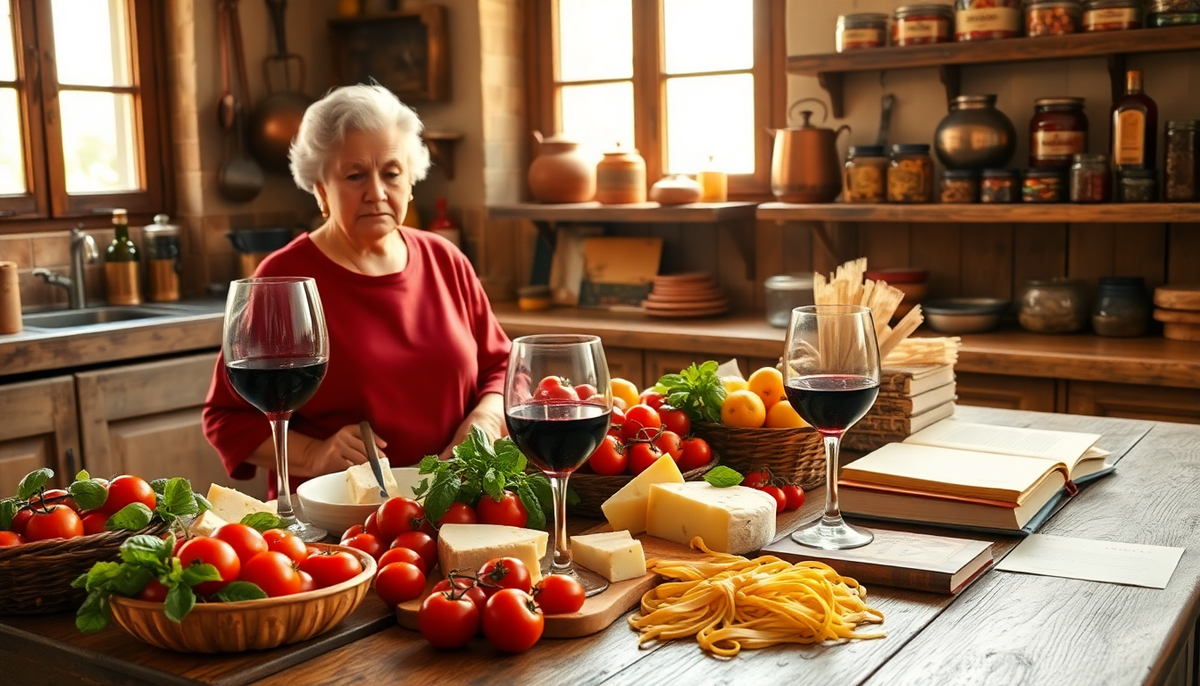
There's something magical about gathering around a table laden with homemade Italian food and a carefully selected wine. The aroma of garlic and basil mingling with the bouquet of a well-crafted wine creates an experience that transcends mere sustenance—it becomes a celebration of culture, tradition, and connection. At Curtis Family Vineyards, we understand this profound relationship between wine and food, and we're passionate about helping you discover how our wines can elevate your family's dining experiences, particularly when paired with the timeless recipes that have been passed down through generations of Italian families.
The art of wine pairing is often perceived as an exclusive domain reserved for sommeliers and fine dining establishments. However, the truth is far more democratic and accessible. When you understand the basic principles of how flavors interact, you can confidently select wines that complement your favorite dishes, transforming an ordinary weeknight dinner into something memorable. This is especially true when working with classic Italian cuisine, which has evolved over centuries to achieve a perfect balance of flavors that pairs beautifully with wine.
Italian cooking is fundamentally about respecting ingredients and allowing their natural flavors to shine. This philosophy aligns perfectly with the winemaking approach at Curtis Family Vineyards, where we focus on producing wines that enhance rather than overpower the dishes they accompany. Whether you're preparing your nonna's famous pasta sauce, a delicate seafood risotto, or a hearty osso buco, there's a Curtis wine waiting to become the perfect companion to your meal.
Understanding the Fundamentals of Wine and Food Pairing
Before we dive into specific recipes and wine pairings, it's essential to understand the principles that make certain combinations work so well together. Wine pairing isn't about following rigid rules; rather, it's about understanding how the components of wine interact with the components of food.
The Basic Elements of Wine
Wine consists of several key elements that influence how it pairs with food: acidity, tannins, alcohol content, and flavor profile. Acidity in wine is crucial for pairing because it cleanses the palate and cuts through rich, fatty foods. Tannins, those compounds that create a drying sensation in your mouth, come primarily from grape skins and oak aging. They pair exceptionally well with protein-rich dishes. Alcohol content affects the wine's body and warmth, while the flavor profile—whether fruity, earthy, or mineral—determines compatibility with specific dishes.
The Principles of Successful Pairing
The most successful wine and food pairings follow one of two principles: complementary pairing or contrasting pairing. Complementary pairing involves selecting a wine that shares similar flavor characteristics with the dish. For example, a wine with earthy notes pairs beautifully with mushroom-based dishes. Contrasting pairing, on the other hand, involves choosing a wine that provides balance to the dish. A crisp, acidic white wine, for instance, cuts through the richness of a creamy pasta sauce.
Understanding these principles allows you to approach wine pairing with confidence, knowing that there's rarely a "wrong" choice—only opportunities to discover new flavor combinations that delight your palate.
Curtis Family Vineyards: A Legacy of Quality Winemaking
Curtis Family Vineyards has been crafting exceptional wines for generations, maintaining a commitment to quality that reflects in every bottle. Our winemakers understand that great wine begins in the vineyard, with careful attention to the grapes from bud break through harvest. This dedication to excellence makes our wines ideal partners for the dishes you love.
Our portfolio includes a range of varietals, each with distinct characteristics that make them suitable for different culinary applications. From crisp whites that brighten seafood dishes to full-bodied reds that complement hearty meat preparations, Curtis Family Vineyards offers options for every occasion and every recipe in your collection.
Antipasti and Aperitivo Pairings
The Italian meal traditionally begins with antipasti—a selection of cured meats, cheeses, vegetables, and other small bites designed to stimulate the appetite. This is the perfect moment to introduce wine to the table, and the selections you make here set the tone for the entire meal.
Classic Cured Meats and Prosciutto
Prosciutto, with its delicate, salty flavor and silky texture, is perhaps the most iconic Italian antipasto. When paired with wine, prosciutto benefits from a wine with enough acidity to cut through its richness while possessing enough body to stand up to its intense flavor. Curtis Family Vineyards' crisp white wines, particularly those with mineral characteristics, provide an excellent counterpoint to prosciutto's salty, umami-rich profile.
The beauty of this pairing lies in the contrast: the wine's acidity cleanses the palate between bites, while its subtle fruit flavors provide a pleasant backdrop that doesn't compete with the prosciutto's delicate taste. If you prefer red wine, a light-bodied option with good acidity works equally well, offering a slightly different but equally satisfying experience.
Marinated Vegetables and Olives
Italian antipasti platters invariably include marinated vegetables—artichoke hearts, roasted peppers, zucchini, and eggplant—often preserved in olive oil with herbs and vinegar. These acidic, herbaceous preparations call for wines with complementary characteristics. A Curtis white wine with herbal notes mirrors the flavors in the vegetables, creating a harmonious pairing. The wine's acidity echoes the vinegar in the marinade, while its body provides enough substance to balance the richness of the olive oil.
Olives themselves, whether green or black, are intensely flavored and salty. They pair beautifully with wines that have enough character to stand up to their bold taste. A slightly fuller-bodied white wine or a light red with good acidity works wonderfully, as does a rosé wine, which offers the best of both worlds—the freshness of white wine with subtle fruit characteristics that complement the olives' complexity.
Cheese Selection and Wine Harmony
No Italian antipasto is complete without cheese, and Italy produces some of the world's finest varieties. Parmigiano-Reggiano, with its crystalline texture and complex, nutty flavor, pairs beautifully with medium-bodied white wines or light reds. The wine's acidity cuts through the cheese's richness, while its flavor profile complements the cheese's subtle complexity.
Softer cheeses like fresh mozzarella or burrata, with their delicate, creamy nature, benefit from crisp white wines that provide contrast without overwhelming the cheese's subtle flavors. Curtis Family Vineyards' lighter white offerings are particularly well-suited to these pairings, as they refresh the palate without competing for attention.
For aged cheeses like Pecorino Romano or Gorgonzola, which possess more assertive flavors, you might consider a fuller-bodied wine. A Curtis red wine with good tannin structure and acidity provides an excellent match, as the tannins interact beautifully with the cheese's fat content, creating a satisfying sensation on the palate.
Pasta Dishes: The Heart of Italian Cuisine
Pasta is the soul of Italian cooking, and the sauces that accompany it are as varied as the regions of Italy itself. Each sauce presents unique pairing opportunities, and understanding how to match wine to sauce is fundamental to successful Italian wine pairing.
Tomato-Based Sauces
The classic tomato sauce, or sugo di pomodoro, is the foundation of countless Italian dishes. Made with San Marzano tomatoes, garlic, olive oil, and fresh basil, this sauce is bright, acidic, and herbaceous. The acidity in tomatoes naturally calls for wines with complementary acidity. A Curtis white wine with good acidity and citrus notes provides an excellent pairing, as the wine's acidity mirrors the sauce's acidity, creating a harmonious balance.
Alternatively, a light-bodied red wine with good acidity works beautifully. The wine's subtle fruit flavors complement the tomato's natural sweetness, while its acidity cuts through any richness from olive oil or cheese. This pairing is particularly effective with pasta dishes that include modest amounts of meat, such as spaghetti al ragù, where the wine's tannins interact pleasantly with the meat's proteins.
For more complex tomato-based sauces that include ingredients like pancetta, sausage, or ground beef, a medium-bodied red wine becomes more appropriate. The wine's fuller body and tannin structure stand up to the sauce's richness, while its acidity prevents the pairing from becoming heavy. Curtis Family Vineyards offers several red options that excel in these situations, providing enough character to complement the sauce without overwhelming the delicate pasta.
Cream-Based Sauces
Alfredo sauce, with its luxurious combination of butter, cream, and Parmigiano-Reggiano, represents the opposite end of the spectrum from acidic tomato sauces. This rich, indulgent sauce calls for wines with enough acidity to cut through the cream's heaviness. A crisp white wine is essential here; the acidity cleanses the palate between bites, preventing the richness from becoming cloying.
Curtis Family Vineyards' white wines, particularly those with mineral characteristics and good acidity, are ideal partners for cream-based pasta dishes. The wine's freshness provides a necessary counterpoint to the sauce's richness, while its subtle flavors don't compete with the delicate taste of butter and cream.
Carbonara, another cream-based classic, combines eggs, guanciale (cured pork jowl), and Pecorino Romano in a sauce that's simultaneously rich and delicate. The key to pairing wine with carbonara is finding a wine with enough body to match the sauce's richness while maintaining enough acidity to refresh the palate. A medium-bodied white wine with good acidity works beautifully, as does a light-bodied red with crisp acidity.
Oil-Based Sauces
Aglio e olio, the simplest of pasta sauces, consists merely of garlic, red pepper flakes, and olive oil. This minimalist approach allows the quality of the ingredients to shine, and the wine pairing should follow the same philosophy. A crisp white wine with good acidity and subtle fruit flavors complements the garlic's pungency without overwhelming it. The wine's acidity cuts through the olive oil's richness, while its delicate flavors provide a pleasant backdrop.
Pesto, made from fresh basil, garlic, pine nuts, Parmigiano-Reggiano, and olive oil, is intensely herbaceous and aromatic. The wine pairing should echo these characteristics. A Curtis white wine with herbal notes and good acidity mirrors the pesto's flavor profile, creating a harmonious pairing. The wine's acidity balances the richness of the nuts and cheese, while its herbaceous character complements the basil's fresh, bright flavors.
Seafood Pasta Dishes
Pasta with seafood represents some of the most elegant Italian cuisine, and the wine pairings here are particularly important. Spaghetti alle vongole, made with littleneck clams, white wine, garlic, and parsley, calls for a wine that complements the clams' briny, mineral character. A crisp white wine with mineral notes and good acidity is ideal, as it echoes the clams' oceanic quality while providing enough body to stand up to the dish's richness.
Pasta with shrimp, whether prepared in a light tomato sauce or a white wine sauce, benefits from a white wine with good acidity and subtle fruit flavors. The wine's acidity cuts through any richness from olive oil or butter, while its delicate flavors complement the shrimp's sweet, delicate taste. Curtis Family Vineyards' white wines are particularly well-suited to these pairings, offering the freshness and acidity necessary to balance seafood's delicate nature.
For pasta with squid or octopus, which possess more assertive, slightly mineral flavors, a white wine with more character is appropriate. A fuller-bodied white wine or even a light rosé can work beautifully, providing enough substance to match the seafood's more robust flavor profile while maintaining the acidity necessary to refresh the palate.
Risotto: Creamy Elegance
Risotto represents the pinnacle of Italian comfort food—a dish that requires patience, attention, and quality ingredients to achieve its characteristic creamy texture. The wine pairing for risotto depends heavily on the specific ingredients used, but several principles apply across the board.
Mushroom Risotto
Risotto ai funghi, made with a variety of mushrooms, is earthy and deeply flavorful. The wine pairing should complement these earthy characteristics. A medium-bodied red wine with earthy notes and good acidity works beautifully, as the wine's tannins interact pleasantly with the mushrooms' umami-rich flavor. Alternatively, a white wine with earthy, mineral characteristics provides an excellent pairing, offering a lighter option that still complements the dish's complexity.
Seafood Risotto
Risotto ai frutti di mare, incorporating shrimp, mussels, clams, and other seafood, is luxurious and delicate. The wine pairing must balance the seafood's delicate nature with the risotto's creamy richness. A crisp white wine with good acidity and subtle fruit flavors is ideal, as it cuts through the cream while complementing the seafood's briny character. The wine's acidity prevents the pairing from becoming heavy, while its delicate flavors provide a pleasant backdrop for the seafood's subtle taste.
Saffron Risotto
Risotto alla milanese, made with saffron, is distinctive and aromatic. The saffron's floral, slightly bitter notes call for a wine with enough character to stand up to these bold flavors. A medium-bodied white wine with good acidity and subtle fruit flavors works well, as does a light-bodied red with crisp acidity. The key is finding a wine with enough personality to complement the saffron without being overwhelmed by it.
Meat Dishes: Hearty and Satisfying
Italian meat dishes range from simple preparations that highlight the quality of the ingredient to complex braises that develop deep, complex flavors over hours of cooking. The wine pairings for these dishes are equally varied.
Osso Buco
This Milanese specialty—braised veal shanks in a rich tomato and wine sauce—represents the epitome of Italian comfort food. The long, slow cooking process develops deep, complex flavors that call for a wine with enough body and tannin structure to stand up to the dish's richness. A medium to full-bodied red wine with good acidity and moderate tannins is ideal. Curtis Family Vineyards' red wines, with their balance of fruit, acidity, and tannin structure, are particularly well-suited to this pairing. The wine's tannins interact beautifully with the veal's protein, while its acidity cuts through the sauce's richness, preventing the pairing from becoming heavy.
Chicken Piccata
This lighter preparation, featuring thin chicken cutlets in a lemon and caper sauce, calls for a wine with good acidity and delicate flavors. A crisp white wine with citrus notes and good acidity complements the lemon's brightness, while the wine's delicate flavors don't overwhelm the chicken's subtle taste. The acidity cuts through any richness from butter or olive oil, refreshing the palate between bites.
Chicken Marsala
Chicken prepared with Marsala wine sauce is richer than piccata, with deeper, more complex flavors. A medium-bodied white wine or a light-bodied red with good acidity works well here. The wine's body matches the sauce's richness, while its acidity provides necessary balance. If you choose a red wine, ensure it has good acidity and moderate tannins, as aggressive tannins can clash with the Marsala's sweetness.
Saltimbocca
This Roman specialty features thin veal cutlets topped with prosciutto and sage, then braised in white wine. The combination of delicate veal, salty prosciutto, and aromatic sage calls for a wine with good acidity and subtle herbal notes. A crisp white wine with herbal characteristics and good acidity is ideal, as it echoes the sage's aromatic quality while providing the acidity necessary to cut through the prosciutto's saltiness and any richness from butter or oil.
Braised Beef
Brasato, a slowly braised beef dish, develops deep, complex flavors that require a wine with substantial body and tannin structure. A full-bodied red wine with good acidity and moderate to firm tannins is essential. The wine's tannins interact beautifully with the beef's protein, while its acidity cuts through the sauce's richness. Curtis Family Vineyards' fuller-bodied red wines are particularly well-suited to this pairing, offering the structure and complexity necessary to complement this classic Italian dish.
Seafood Preparations: Fresh and Elegant
Italian coastal cuisine celebrates the bounty of the sea, and seafood preparations range from simple grilled preparations to more complex braises and stews.
Branzino al Forno
Whole roasted sea bass, often prepared simply with lemon, olive oil, and herbs, is a celebration of the fish's delicate flavor. The wine pairing should be equally delicate and fresh. A crisp white wine with good ac



Leave a comment
This site is protected by hCaptcha and the hCaptcha Privacy Policy and Terms of Service apply.