

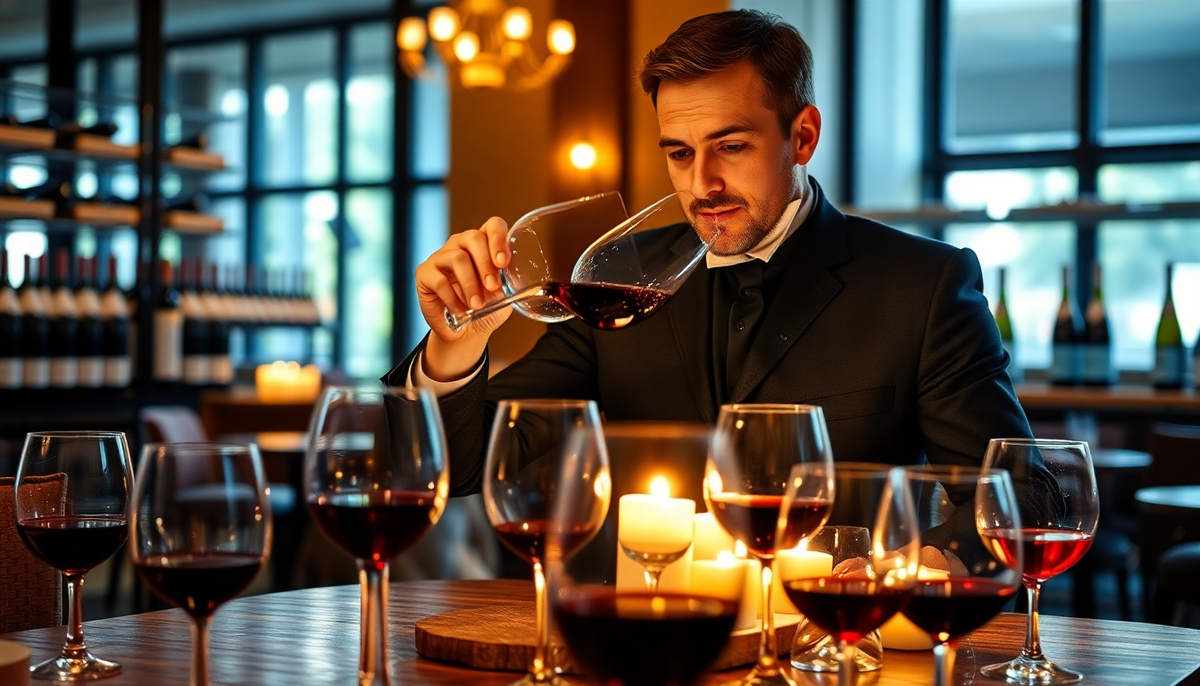
Wine tasting is often portrayed as an exclusive activity reserved for sommeliers, wine critics, and those with years of formal training. The reality, however, is far more accessible and enjoyable than many people realize. At Curtis Family Vineyards, we believe that anyone can develop the skills to taste wine like a professional, and you don't need to memorize complicated terminology or pretend to understand obscure flavor descriptors to do so. This comprehensive guide will walk you through the fundamentals of professional wine tasting, breaking down the process into simple, practical steps that anyone can follow.
The beauty of wine tasting is that it's both an art and a science. It combines sensory perception with a bit of knowledge about how wine is made, what influences its flavor, and how to identify the characteristics that make each bottle unique. Whether you're a complete beginner or someone who has enjoyed wine casually for years, learning to taste wine properly will transform your appreciation and enjoyment of this ancient beverage.
Understanding the Basics of Wine Tasting
Before we dive into the specific techniques, it's important to understand what wine tasting actually is. Wine tasting isn't about drinking wine quickly or consuming large quantities. Instead, it's a deliberate, mindful process of observing and analyzing a wine's characteristics. Professional wine tasters spend several minutes with each glass, using all their senses to gather information about what they're experiencing.
The fundamental goal of wine tasting is to develop your palate—your ability to recognize and appreciate the subtle differences between wines. This skill develops over time as you taste more wines and pay attention to what you're experiencing. The good news is that you don't need any special equipment or expensive wines to begin this journey. A basic wine glass, some simple wines, and your natural senses are all you need to get started.
The Five Senses in Wine Tasting
Wine tasting primarily engages four of your five senses: sight, smell, taste, and touch. Your sense of hearing doesn't play a direct role, though some might argue that the sound of a cork popping or wine being poured adds to the experience. Let's explore how each sense contributes to the wine tasting experience.
Sight is your first point of contact with wine. Before you even smell or taste it, you're gathering valuable information just by looking at it. The color, clarity, and viscosity of wine can tell you about its age, grape variety, and how it was made.
Smell is arguably the most important sense in wine tasting. Your sense of smell is far more sophisticated than your sense of taste. In fact, much of what we perceive as taste is actually smell. When you smell wine, you're identifying hundreds of different aromatic compounds that contribute to the overall experience.
Taste is what most people focus on, but it's actually the least sophisticated of the senses involved in wine tasting. Your taste buds can only detect five basic tastes: sweet, sour, salty, bitter, and umami. Everything else you perceive as flavor is actually coming from your sense of smell.
Touch refers to the tactile sensations in your mouth—the texture, weight, and temperature of the wine. These sensations are created by components like tannins, alcohol content, and acidity.
Preparing for Your Wine Tasting Experience
Creating the right environment for wine tasting is important for getting the most out of the experience. You don't need an elaborate setup, but a few simple considerations will significantly enhance your ability to taste wine properly.
Choosing the Right Glassware
The shape and size of your wine glass matter more than you might think. Professional wine glasses are designed to concentrate aromas and allow you to observe the wine's characteristics clearly. A proper wine glass should have a bowl that's larger than the opening, which helps trap aromatic compounds and directs them toward your nose.
For general tasting purposes, a standard wine glass with a capacity of around 12 to 14 ounces works well. The glass should be clear so you can see the wine's color and clarity. Avoid colored glasses, as they obscure these important visual characteristics. The stem of the glass is important too—it allows you to hold the glass without warming the wine with your hand, which can affect its temperature and therefore its flavor.
Setting the Right Temperature
Temperature dramatically affects how wine tastes and smells. Wines served too warm will taste flabby and alcoholic, while wines served too cold will taste muted and closed off. Different wines have different ideal serving temperatures, but for tasting purposes, a general guideline is to serve white wines at around 45 to 50 degrees Fahrenheit and red wines at around 60 to 65 degrees Fahrenheit.
If you're tasting multiple wines, it's best to start with lighter wines and progress to fuller-bodied wines. This prevents your palate from being overwhelmed by heavier wines early on. Similarly, start with white wines before moving to red wines, and save sweet wines for last.
Creating a Neutral Environment
Your tasting environment should be free from strong odors that might interfere with your ability to smell the wine. Avoid wearing heavy perfume or cologne, and make sure your tasting space doesn't smell strongly of food, cleaning products, or other aromatic substances. Natural light is preferable to artificial light when examining the wine's color, as artificial light can distort what you're seeing.
The Visual Examination: What You Can Learn by Looking
The first step in professional wine tasting is the visual examination. This might seem simple, but there's actually quite a bit of information you can gather just by looking at the wine in your glass.
Observing Color and Clarity
Start by holding your glass up to the light and observing the wine's color. The color of wine can tell you several things about it. For white wines, the color can range from pale yellow to deep golden. Younger white wines tend to be paler, while older white wines or those made from certain grape varieties develop deeper golden hues. A white wine that's turning brown might be oxidized or past its prime.
Red wines display an even wider range of colors, from pale ruby to deep garnet or even brick red. Younger red wines tend to be brighter and more ruby-colored, while older red wines develop more orange or brick-red tones at the edges. This color progression is a natural part of aging and doesn't indicate a problem with the wine.
Clarity is another important visual characteristic. Most wines should be clear and bright, without cloudiness or haziness. If a wine appears cloudy or has visible particles floating in it, this could indicate a problem, though some natural wines intentionally retain some sediment or cloudiness as part of their style.
Examining the Meniscus
The meniscus is the edge of the wine where it meets the glass. In younger wines, this edge is typically the same color as the rest of the wine. In older wines, you'll often see a gradual color change at the meniscus, with the edge becoming more orange or brown. This color transition is a good indicator of a wine's age and how it's been aging.
Assessing Viscosity
Viscosity refers to how thick or thin the wine appears. You can observe this by tilting your glass and watching how the wine flows back down the sides. Wines with higher alcohol content or more residual sugar tend to be more viscous and flow more slowly. These slower-moving streams of wine are sometimes called "legs" or "tears," and they can give you clues about the wine's alcohol content and body.
The Olfactory Experience: Mastering the Art of Smelling Wine
Now that you've observed the wine visually, it's time to engage your sense of smell. This is where wine tasting becomes truly interesting, as the aromatic compounds in wine are incredibly complex and varied.
The First Smell: Initial Impressions
Before you swirl the glass, take a gentle sniff of the wine. This first smell gives you the initial aromatic impression. Some wines have very pronounced aromas that hit you immediately, while others are more subtle and require a bit more exploration. Don't force it—just breathe naturally and notice what you smell.
At this stage, you might notice broad categories of aromas rather than specific scents. You might think "fruity," "floral," or "earthy" rather than identifying specific fruits or flowers. This is perfectly normal and exactly what you should expect.
The Swirl and the Second Smell
Now it's time to swirl your wine. This might seem like an affectation, but swirling serves a practical purpose. It increases the surface area of the wine exposed to air, which helps release more aromatic compounds. It also slightly warms the wine, which can make aromas more pronounced.
To swirl properly, hold your glass by the stem and make small circular motions. You don't need to swirl vigorously or make huge circles. Gentle, controlled swirling is all that's needed. After swirling for a few seconds, bring the glass to your nose and take another smell.
This second smell is often more complex than the first. You might start to identify more specific aromas now. Instead of just "fruity," you might smell "red berries" or "stone fruit." Instead of "floral," you might detect "rose" or "honeysuckle." These more specific identifications come with practice and familiarity with different wines.
Identifying Aromatic Families
Wine aromas can be organized into several broad families, which can help you develop a framework for identifying what you smell. Understanding these families makes the process less intimidating and more systematic.
Fruit aromas are the most common and often the most obvious. Red wines frequently display aromas of red berries like cherry, raspberry, and strawberry, or darker berries like blackberry and plum. White wines often smell of citrus fruits like lemon and grapefruit, or stone fruits like peach and apricot. Tropical fruits like pineapple and mango are common in some white wines, particularly those from warmer climates.
Floral aromas add elegance and complexity to many wines. You might smell roses, violets, honeysuckle, or jasmine. These aromas are particularly common in certain grape varieties and can develop more prominently as a wine ages.
Herbal and vegetative aromas include scents like grass, hay, green peppers, and various herbs. These aromas are more common in cooler-climate wines and in wines made from certain grape varieties. They're not defects—they're simply characteristics of the wine.
Earthy aromas include scents like soil, mushroom, leather, and tobacco. These aromas often develop as wines age and are particularly common in certain wine regions and styles.
Spice aromas include scents like pepper, cinnamon, clove, and licorice. These aromas often come from the grape variety itself or from aging in oak barrels.
Oak-derived aromas include scents like vanilla, toast, smoke, and coconut. These aromas come from the oak barrels in which the wine was aged. Wines aged in new oak tend to have more pronounced oak aromas, while wines aged in older barrels have more subtle oak influences.
Developing Your Aromatic Vocabulary
One of the most intimidating aspects of wine tasting for beginners is the seemingly endless list of aromatic descriptors used by wine professionals. The key to developing your own aromatic vocabulary is to taste wines mindfully and compare what you smell to things you know and recognize.
When you smell a wine, don't worry about finding the "correct" answer. Instead, think about what the aromas remind you of. Does it smell like something you've encountered before? What does it remind you of? Your personal associations are just as valid as any official wine descriptor. If a wine smells like your grandmother's perfume or the forest after rain, those are perfectly legitimate observations.
Over time, as you taste more wines and pay attention to the aromas, you'll develop a more sophisticated vocabulary. You'll start to recognize patterns and similarities between different wines. You'll begin to understand how grape varieties, climate, and winemaking techniques influence the aromas in wine. This knowledge will make the tasting experience richer and more enjoyable.
The Taste: Understanding Flavor and Structure
After you've examined the wine visually and smelled it thoroughly, it's finally time to taste it. This is where many beginners make their first mistake: they take a big sip and swallow immediately. Professional wine tasting requires a different approach.
Taking a Proper Sip
When you're ready to taste, take a small sip of wine—about a teaspoon's worth. Let it sit in your mouth for a moment before swallowing. This allows the wine to coat your mouth and your taste buds to register its characteristics. Pay attention to the initial flavors you perceive.
Aerating the Wine in Your Mouth
Here's a technique that might seem odd at first but is actually quite effective: draw a small amount of air through the wine while it's in your mouth. This aerates the wine and helps release more aromatic compounds. You can do this by slightly opening your lips and drawing air in through your mouth while the wine is still there. This might produce a slight slurping sound, which is perfectly acceptable in a professional tasting context.
As you aerate the wine, pay attention to how the flavors evolve. You might notice that the initial flavors change or become more complex as the wine is aerated. This is because aerating releases more aromatic compounds, which your sense of smell perceives as flavor.
Identifying the Basic Tastes
Remember that your taste buds can only detect five basic tastes: sweet, sour, salty, bitter, and umami. As you taste the wine, try to identify which of these basic tastes are present and how pronounced they are.
Sweetness in wine comes from residual sugar—sugar that wasn't fermented into alcohol. Some wines are intentionally made to be sweet, while others are completely dry with no residual sugar. The level of sweetness can range from bone-dry to very sweet.
Acidity is the sour taste in wine. It comes from acids naturally present in grapes, primarily tartaric acid and malic acid. Acidity is essential to wine—it provides structure and balance. Wines with good acidity taste fresh and lively, while wines with low acidity can taste flat and dull.
Bitterness in wine typically comes from tannins, which are compounds found primarily in red wine grape skins, seeds, and stems. Tannins create a drying sensation in your mouth, similar to what you'd experience biting into grape skin. This isn't necessarily unpleasant—many people enjoy the structure and complexity that tannins provide.
Saltiness is rarely a primary characteristic of wine, but some wines, particularly those from coastal regions, can have a subtle salty quality.
Umami is the savory taste, and it's less common in wine than in food. However, some wines, particularly aged red wines, can develop umami characteristics.
Evaluating the Wine's Structure
Beyond the basic tastes, professional wine tasters evaluate a wine's structure—how the different components work together. A well-structured wine has balance between its various elements.
Body refers to the weight and fullness of the wine in your mouth. Light-bodied wines feel thin and delicate, medium-bodied wines have moderate weight, and full-bodied wines feel rich and substantial. Body is influenced by alcohol content, residual sugar, and the concentration of flavor compounds.
Balance refers to how well the different components of the wine work together. In a balanced wine, no single element overwhelms the others. A wine might have high acidity, but if it also has good fruit concentration and alcohol content, these elements work together to create a harmonious whole.
Finish refers to the flavors that linger after you swallow the wine. A short finish disappears quickly, while a long finish lingers for several seconds or even minutes. Generally, longer finishes are considered more desirable, as they indicate complexity and quality.
Spitting vs. Swallowing
In professional wine tastings, particularly when tasting many wines in succession, professionals often spit out the wine rather than swallowing it. This allows them to taste more wines without consuming excessive alcohol. If you're tasting multiple wines, spitting is a perfectly acceptable practice. However, if you're tasting just one or two wines, swallowing is fine.
Understanding Wine Components and How They Interact
To taste wine like a professional, it helps to understand the main components that make up wine and how they interact to create the overall experience.
Alcohol Content
Alcohol is one of the most important components of wine. It's created when yeast ferments the sugar in grape juice. Alcohol content typically ranges from about 5 percent to 20 percent by volume, though most table wines fall between 12 and 15 percent.
Alcohol affects how wine tastes and feels in your mouth. Higher alcohol wines tend to feel warmer and fuller-bodied. They can also taste slightly sweet, even if they're technically dry. Lower alcohol wines tend to feel lighter and more delicate. When tasting wine, you can often sense the alcohol content by the warmth it creates in your mouth and throat.
Acidity
Acidity is crucial to wine's structure and balance. It provides freshness and prevents wine from tasting flat. Wines with good acidity taste crisp and lively, while wines with low acidity can taste dull and flabby.
Different grape varieties have different natural acidity levels. Grapes grown in cooler climates tend to have higher acidity than those grown in warmer climates. The winemaker can also influence acidity through various techniques during production.

Leave a comment
This site is protected by hCaptcha and the hCaptcha Privacy Policy and Terms of Service apply.