

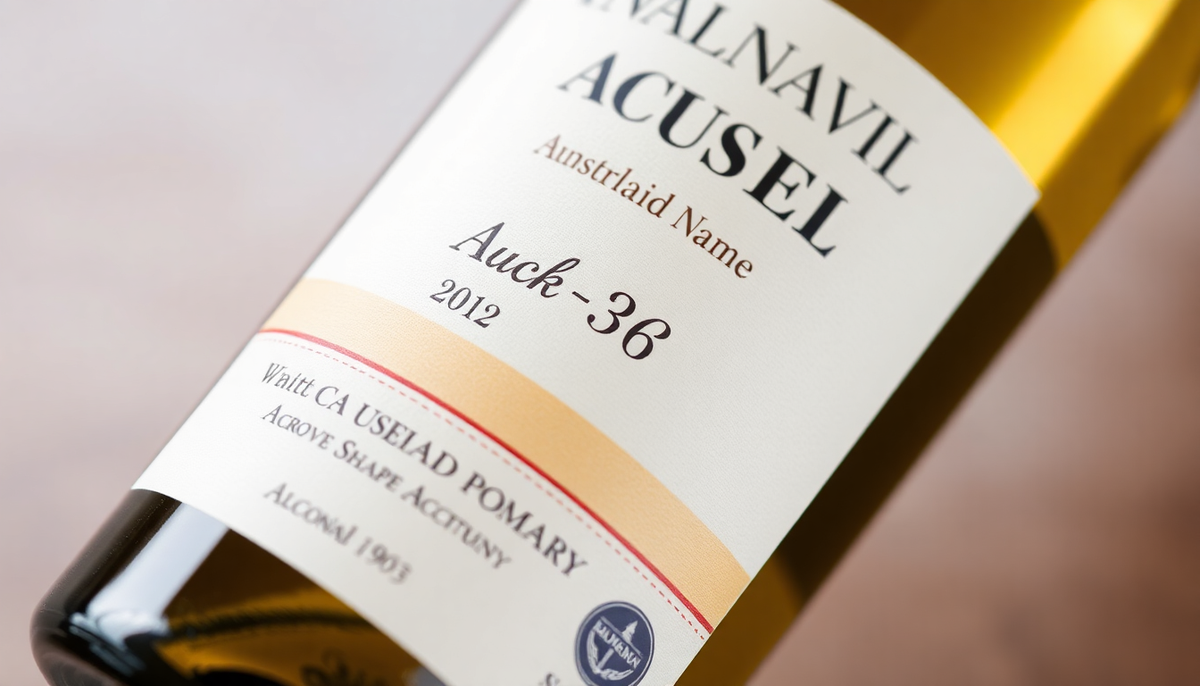
When you pick up a bottle of Australian wine at your local wine shop or during a visit to a vineyard like Curtis Family Vineyards, you might notice that the label contains a wealth of information. For many wine enthusiasts and casual drinkers alike, deciphering what all of this information means can feel overwhelming. However, understanding how to read an Australian wine label is not as complicated as it might seem at first glance. In fact, once you know what to look for, you'll find that Australian wine labels are remarkably informative and can tell you a great deal about the wine inside the bottle, where it comes from, how it was made, and what you can expect when you open it.
This comprehensive guide will walk you through every element of an Australian wine label, from the most obvious information to the subtle details that can significantly impact your wine-drinking experience. Whether you're a seasoned wine collector or someone who simply enjoys a glass of wine with dinner, understanding these labels will enhance your appreciation for Australian wines and help you make more informed purchasing decisions.
The Importance of Wine Labels
Before we dive into the specifics of Australian wine labels, it's worth understanding why labels matter in the first place. Wine labels serve several important functions. First and foremost, they provide legal information that protects consumers and ensures transparency in the wine industry. Second, they communicate the identity and story of the wine, helping consumers understand what they're purchasing. Third, they provide technical information that can help you determine whether a particular wine will suit your tastes and preferences.
Australian wine labels are particularly well-designed in this regard. They tend to be clear, informative, and aesthetically pleasing, reflecting the quality and care that goes into producing Australian wines. The Australian wine industry has strict regulations governing what information must appear on labels, ensuring that consumers have access to reliable and accurate information.
The Producer Name
The most prominent feature on most Australian wine labels is the name of the producer or winery. This is typically displayed in large, eye-catching letters at the top or center of the label. The producer name tells you who made the wine and is often associated with a particular style, quality level, and reputation.
For example, Curtis Family Vineyards is a well-known producer whose name on a label immediately communicates to consumers that they're purchasing a wine from an established, reputable source. The producer name is important because it allows you to track wines you've enjoyed and to seek out other wines from the same maker if you've had a positive experience.
Some Australian wineries are family-owned operations that have been producing wine for generations, while others are newer, boutique producers experimenting with innovative winemaking techniques. The producer name can give you clues about the wine's heritage and the philosophy behind its creation.
The Wine Name or Cuvée
Below or alongside the producer name, you'll typically find the specific name of the wine. This might be a simple designation like "Shiraz" or "Chardonnay," or it might be a more creative name that the winery has chosen for a particular blend or special release.
Some Australian wineries use traditional names that reference the vineyard location or a particular characteristic of the wine. Others use more imaginative names that reflect the winery's personality or the inspiration behind the wine. These names can be quite poetic and memorable, helping to distinguish one wine from another within a producer's portfolio.
The wine name is crucial because it tells you exactly which wine you're purchasing. Many producers make multiple wines, and the name helps you identify whether you're buying their entry-level offering, a premium selection, or a special reserve.
The Vintage Year
The vintage year is one of the most important pieces of information on an Australian wine label. This number indicates the year in which the grapes were harvested and the wine was produced. For example, a wine labeled "2021" was made from grapes harvested in 2021.
Understanding the vintage is important for several reasons. First, it tells you how old the wine is. Some wines are meant to be consumed young and fresh, while others improve with age and can develop more complex flavors over time. Second, the vintage can indicate the quality of the growing season. In some years, weather conditions are ideal for grape growing, resulting in exceptional wines, while in other years, challenging conditions might result in wines that are less impressive.
Australian wine regions experience different weather patterns from year to year, and these variations can significantly impact the final product. A knowledgeable wine enthusiast might seek out wines from particularly good vintages in their favorite regions, knowing that these wines are likely to be of higher quality.
It's worth noting that not all wines have a vintage year on the label. Some wines are non-vintage, meaning they're blends of wines from multiple years. These wines are typically produced to maintain consistency in flavor and style from year to year.
The Region of Origin
Australian wine labels must indicate where the wine was produced, and this information is typically displayed prominently on the label. Australia has several major wine regions, each with its own characteristics, climate, and grape varieties.
Some of the most well-known Australian wine regions include the Barossa Valley in South Australia, known for its Shiraz; the Hunter Valley in New South Wales, famous for its Semillon; the Yarra Valley in Victoria, which produces excellent Pinot Noir and Chardonnay; and Margaret River in Western Australia, renowned for its Cabernet Sauvignon and Chardonnay.
The region of origin is important because it tells you about the terroir of the wine. Terroir is a French term that encompasses the soil, climate, topography, and other environmental factors that influence how grapes grow and how wine tastes. Wines from the same region often share certain characteristics because they're grown in similar conditions.
Understanding the major Australian wine regions and their characteristics can help you predict what a wine might taste like before you even open the bottle. For instance, if you see that a wine comes from the Barossa Valley, you might expect it to be a full-bodied, fruit-forward Shiraz with warm, spicy notes.
The Grape Variety or Varietal
One of the most useful pieces of information on an Australian wine label is the grape variety or varietal. This tells you what type of grapes were used to make the wine. Common Australian wine grapes include Shiraz, Cabernet Sauvignon, Chardonnay, Sauvignon Blanc, and Riesling.
The grape variety is important because it gives you a strong indication of what the wine will taste like. Each grape variety has its own flavor profile and characteristics. Shiraz, for example, tends to produce full-bodied red wines with dark fruit flavors and spicy notes. Chardonnay typically produces medium to full-bodied white wines with citrus, stone fruit, and sometimes buttery flavors.
If a wine is labeled as a single varietal, Australian wine law requires that at least 85 percent of the wine be made from that grape. This ensures that the wine's primary characteristics come from the stated grape variety.
Some wines are blends of multiple grape varieties. In these cases, the label might list all the varieties used, or it might simply indicate that it's a blend without specifying the exact composition. Blended wines can offer more complexity and balance than single-varietal wines, as different grapes contribute different characteristics to the final product.
Alcohol Content
The alcohol content of a wine is expressed as a percentage and is required to appear on all Australian wine labels. This number tells you how much alcohol, by volume, is present in the wine.
Alcohol content can vary significantly from wine to wine. Light wines might have an alcohol content of around 10 to 12 percent, while full-bodied wines can have alcohol contents of 14 to 15 percent or even higher. Some fortified wines, which have spirits added to them, can have alcohol contents of 18 to 20 percent or more.
Understanding the alcohol content is useful for several reasons. First, it helps you gauge how the wine might taste. Generally speaking, wines with higher alcohol content tend to taste warmer and more full-bodied, while wines with lower alcohol content tend to be lighter and more delicate. Second, it helps you make responsible drinking choices. Third, it can help you pair wines with food, as lighter wines with lower alcohol content might pair better with lighter dishes, while fuller wines with higher alcohol content might complement heartier meals.
The Standard Drink Information
Australian wine labels are required to display information about the number of standard drinks contained in the bottle. A standard drink in Australia is defined as 10 milliliters of pure alcohol. This information helps consumers understand how much alcohol they're consuming and make informed decisions about their alcohol intake.
The standard drink information is typically displayed as a number, such as "8.5 standard drinks per bottle" for a typical 750-milliliter bottle of wine with 11.3 percent alcohol content. This information is important for health and safety reasons and is a requirement of Australian alcohol labeling laws.
The Volume of the Bottle
The volume of the bottle is usually displayed on the label, typically in milliliters. The most common wine bottle size is 750 milliliters, but wines are also sold in other sizes, including 375 milliliters (half bottles), 1.5 liters (magnums), and larger formats.
Knowing the volume is important for understanding the value of the wine and for planning how much wine you need for a particular occasion. It also helps you understand the alcohol content in context, as the total amount of alcohol in a bottle depends on both the alcohol percentage and the volume of the bottle.
Tasting Notes and Descriptions
Many Australian wine labels include tasting notes or flavor descriptions that provide guidance on what you can expect when you drink the wine. These descriptions might mention specific fruit flavors, such as "blackberry and plum," or other characteristics, such as "full-bodied with soft tannins" or "crisp and refreshing."
Tasting notes are helpful because they give you an idea of the wine's flavor profile before you purchase it. However, it's important to remember that tasting notes are subjective. What one person perceives as "blackberry" another person might perceive as "dark cherry." Additionally, your own perception of the wine's flavors might differ from the tasting notes provided by the producer, depending on your palate and preferences.
Tasting notes can also include information about food pairings, suggesting which dishes would pair well with the wine. This information can be valuable if you're planning a meal and want to select a wine that will complement your food.
Awards and Accolades
Many Australian wine labels display information about awards and accolades the wine has received. This might include medals from wine competitions, ratings from wine critics, or other recognition of the wine's quality.
Awards and accolades can be helpful in identifying high-quality wines, as they indicate that the wine has been evaluated by experts and found to be of merit. However, it's important to remember that awards are subjective and that a wine that hasn't won awards might still be excellent. Additionally, the absence of awards on a label doesn't necessarily indicate that a wine is of lower quality; it might simply mean that the producer hasn't entered the wine in competitions or submitted it for critical review.
The Winery's Contact Information
Most Australian wine labels include contact information for the winery, such as a website, email address, or phone number. This information allows consumers to reach out to the producer with questions, to purchase additional bottles, or to arrange a visit to the winery.
For many wine enthusiasts, visiting a winery is an important part of the wine experience. The contact information on the label makes it easy to plan a visit and learn more about the wine and the winemaking process directly from the people who produce it.
Certification and Compliance Information
Australian wine labels often include various certifications and compliance information. This might include information about whether the wine is organic, biodynamic, or produced using sustainable practices. It might also include information about sulfite content, which is important for people with sulfite sensitivities.
Certification information helps consumers make purchasing decisions based on their values and dietary needs. For example, someone interested in supporting organic agriculture might specifically seek out wines labeled as organic. Someone with a sulfite sensitivity would want to know the sulfite content of a wine before purchasing it.
Understanding Wine Label Terminology
To fully understand Australian wine labels, it's helpful to be familiar with some common wine terminology. Here are some terms you might encounter on wine labels:
Dry
A dry wine is one that contains little to no residual sugar. In other words, most or all of the sugar in the grape juice has been converted to alcohol during fermentation. Dry wines are the most common type of wine produced in Australia.
Off-Dry
An off-dry wine contains a small amount of residual sugar, giving it a slightly sweet taste. Off-dry wines are popular among people who prefer wines that are not completely dry but also not fully sweet.
Sweet
A sweet wine contains a significant amount of residual sugar, resulting in a noticeably sweet taste. Sweet wines are often enjoyed as dessert wines or as aperitifs.
Tannins
Tannins are compounds found primarily in red wines that come from the grape skins, seeds, and stems. Tannins create a drying sensation in the mouth and can contribute to the wine's structure and aging potential. A wine might be described as having "soft tannins" or "firm tannins" depending on the intensity of this sensation.
Body
The body of a wine refers to its weight and fullness in the mouth. A light-bodied wine feels delicate and thin, while a full-bodied wine feels rich and substantial. The body of a wine is influenced by factors such as alcohol content, tannin levels, and the concentration of flavors.
Acidity
Acidity refers to the tartness or crispness of a wine. Wines with higher acidity taste more tart and refreshing, while wines with lower acidity taste softer and rounder. Acidity is an important component of wine balance and can influence how well a wine pairs with food.
Finish
The finish of a wine refers to the flavors and sensations that linger in your mouth after you swallow the wine. A wine might be described as having a "short finish" if the flavors fade quickly, or a "long finish" if the flavors persist for an extended period.
Reading Between the Lines: What Labels Don't Always Tell You
While Australian wine labels provide a wealth of information, there are some things they don't always tell you. Understanding what's not on the label can help you make even more informed purchasing decisions.
Winemaking Techniques
The label might not provide detailed information about the winemaking techniques used to produce the wine. For example, you might not know whether the wine was aged in oak barrels, stainless steel tanks, or a combination of both. You might not know whether the wine underwent malolactic fermentation, a process that can soften the acidity and add complexity to the wine.
To find this information, you might need to visit the winery's website, read reviews from wine critics, or speak with knowledgeable staff at a wine shop.
The Story Behind the Wine
While some labels include brief descriptions of the winery or the inspiration behind the wine, they often don't tell the full story. The label might not mention the winemaker's philosophy, the history of the vineyard, or the challenges overcome during a particular vintage.
Learning these stories can deepen your appreciation for the wine and help you understand why it tastes the way it does. Many wineries are happy to share their stories through their websites, social media, or during winery visits.
Price and Value
The label doesn't tell you the price of the wine, which is an important consideration for many consumers. The price of a wine is influenced by many factors, including the reputation of the producer, the quality of the vintage, the cost of production, and market demand.
Understanding the relationship between price and quality can help you find good value wines that offer excellent quality at a reasonable price. This is where the expertise of wine shop staff, wine critics, and other wine enthusiasts can be invaluable.
How to Use Label Information When Purchasing Wine
Now that you understand what information appears on Australian wine labels, let's discuss how to use this information when purchasing wine.
Identify Your Preferences
Start by thinking about what types of wines you enjoy. Do you prefer red wines or white wines? Do you like full-bodied wines or lighter wines? Do you prefer dry wines or wines with some sweetness? Do you enjoy wines with prominent oak flavors or more fruit-forward wines?
Once you've identified your preferences, you can use label information to find wines that match those preferences. For example, if you enjoy full-bodied red wines with dark fruit flavors, you might look for Australian Shiraz from warm regions like the Barossa Valley.
Research Regions and Producers
Familiarize yourself with Australian wine regions and producers. Learn which regions are known for which grape varieties and styles of wine. Follow producers whose wines you've enjoyed in the past, and explore other wines from those producers.
Many wine shops have staff who are knowledgeable about Australian wines and can provide recommendations based on your preferences. Don't hesitate to ask for their advice.
Consider the Vintage
If you're familiar with a particular wine, consider the vintage when making a purchase. Some vintages are known to be exceptional, while others might be less impressive. Wine critics and rating organizations often publish vintage charts that can help you identify good vintages in particular regions.
Read the Tasting Notes
Use the tasting notes on the label as a starting point, but don't rely on them exclusively. If possible, read reviews from wine critics or other consumers to get a more complete picture of what the wine is like.
Think About Food Pairings
If you're purchasing wine to enjoy with a meal, consider the food pairing suggestions on


Leave a comment
This site is protected by hCaptcha and the hCaptcha Privacy Policy and Terms of Service apply.