


Planning a dinner party can be both exciting and stressful. From selecting the menu to arranging the seating, there are countless details to consider. However, one element that often gets overlooked or causes unnecessary anxiety is choosing the right wine. Wine selection doesn't have to be complicated or intimidating. With the right knowledge and approach, you can confidently select wines that will complement your meal, impress your guests, and enhance the overall dining experience. At Curtis Family Vineyards, we've spent years helping customers navigate the world of wine, and we're excited to share our expertise with you.
Understanding the Basics of Wine Selection
Before diving into specific recommendations, it's important to understand the fundamental principles of wine selection. The most important rule to remember is that there are no absolute rules when it comes to wine pairing. While certain combinations are traditionally considered classics, personal preference and the specific characteristics of your meal should always be your primary considerations.
The Five Basic Wine Categories
All wines fall into one of five basic categories, and understanding these categories is the foundation of wine selection. These categories are determined by the grape varieties used, the fermentation process, and the aging methods employed.
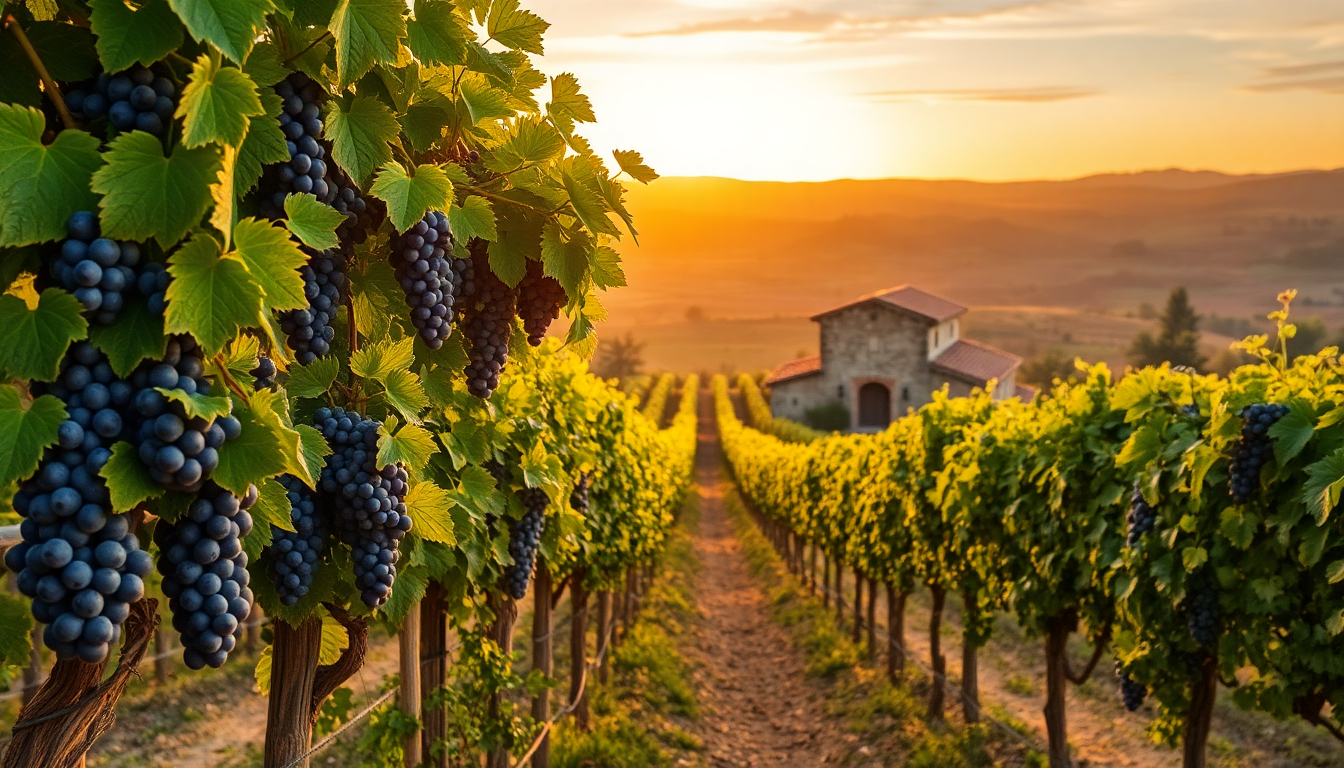
Red Wines are produced from dark-colored grape varieties. The color and tannin content come from the grape skins, which remain in contact with the juice during fermentation. Red wines range from light and fruity to full-bodied and complex. Common red wine varieties include Cabernet Sauvignon, Merlot, Pinot Noir, and Syrah.
White Wines are typically made from green or yellow grape varieties, though they can also be made from red grapes if the skins are removed before fermentation. White wines tend to be lighter in body and color than red wines, with flavors ranging from crisp and acidic to rich and buttery. Popular white wine varieties include Chardonnay, Sauvignon Blanc, Riesling, and Pinot Grigio.
Rosé Wines occupy the middle ground between red and white wines. They're made from red grape varieties, but the skins are removed before fermentation is complete, resulting in their characteristic pink color. Rosé wines typically offer the freshness of white wines with some of the fruit characteristics of red wines.
Sparkling Wines contain significant carbonation, which creates the characteristic bubbles and effervescence. Champagne is the most famous sparkling wine, but sparkling wines are produced in many regions around the world. These wines range from dry to sweet and can be made from various grape varieties.
Dessert Wines are sweet wines typically served after the main course or as an accompaniment to dessert. These wines have higher residual sugar content and lower alcohol levels than table wines. Examples include Port, Sherry, and late-harvest wines.
Assessing Your Guest List and Dietary Preferences
One of the first steps in choosing wine for your dinner party is understanding who will be attending and what their preferences might be. This consideration goes beyond simply knowing whether someone prefers red or white wine.
Identifying Wine Preferences
Before your dinner party, try to gather information about your guests' wine preferences. Do they prefer dry wines or sweeter wines? Are there any guests who don't drink alcohol? Are there any guests with specific dietary restrictions that might affect their wine choices? Some people avoid certain wines due to sulfites, histamines, or other compounds that can trigger headaches or allergies.
It's also worth considering the sophistication level of your guests' wine knowledge. If you're hosting a group of wine enthusiasts, they might appreciate more complex, age-worthy wines with interesting stories. If you're hosting a more casual gathering, approachable, fruit-forward wines might be more appropriate.
Considering Dietary Restrictions and Allergies
Some guests may have dietary restrictions that affect their wine choices. Vegans and vegetarians might prefer wines that haven't been fined with animal products. Some people are sensitive to sulfites, which are used as preservatives in most wines. Others might be following low-carb diets and want to know the residual sugar content of wines.
Having a variety of wine options available ensures that all your guests can enjoy something. Consider offering at least one red, one white, and one sparkling option. If you know specific guests have restrictions, you might research wines that meet their needs in advance.
Analyzing Your Menu
The food you're serving is perhaps the most important factor in selecting wine. The goal is to choose wines that complement the flavors of your dishes rather than compete with them.
Understanding Flavor Pairing Principles
The basic principle of wine and food pairing is that wines and foods with similar flavor profiles tend to pair well together. For example, a buttery Chardonnay pairs beautifully with rich, creamy dishes because the wine's buttery notes echo the flavors in the food. Similarly, a crisp Sauvignon Blanc with its herbaceous notes pairs well with fresh vegetables and lighter preparations.
Another important principle is balance. You want the wine and food to have similar weight and intensity. A delicate, light-bodied wine would be overwhelmed by a heavy, richly sauced dish, while a full-bodied wine might overpower a delicate fish preparation.
Acidity is another crucial factor. Wines with higher acidity can cut through rich, fatty foods and cleanse the palate between bites. This is why Sauvignon Blanc pairs so well with oysters, or why a crisp Riesling complements pork dishes.
Matching Wine to Specific Dishes
If you're serving appetizers, consider wines that will work with multiple flavors. Sparkling wines are excellent choices for appetizers because their acidity and effervescence complement a wide variety of flavors. Champagne, Prosecco, or other sparkling wines can work with everything from cheese and charcuterie to seafood canapés.
For a first course of soup, lighter wines are typically better choices. If you're serving a cream-based soup, a white wine with good acidity works well. For a lighter broth-based soup, you might skip wine entirely or choose a very light option.
When selecting wine for the main course, consider the protein, the sauce, and the cooking method. A grilled steak pairs beautifully with a full-bodied red wine like Cabernet Sauvignon. A delicate white fish might be better served with a crisp white wine or a light rosé. Chicken can pair with either red or white wine depending on how it's prepared. A chicken in a light cream sauce might pair with Chardonnay, while chicken with a tomato-based sauce could work with a lighter red wine.
For side dishes, consider how they might affect the overall pairing. Vegetables with earthy flavors like mushrooms or root vegetables can make wines taste better by providing a bridge between the wine and the protein. Acidic sides like tomatoes or vinegar-based dressings can enhance the acidity in wines.
If you're serving dessert, consider a dessert wine that's slightly less sweet than the dessert itself. This prevents the wine from tasting overly dry by comparison. Alternatively, you might skip dessert wine and serve a sparkling wine or coffee instead.
Considering the Season and Occasion
The time of year and the nature of your dinner party should influence your wine selections.
Seasonal Considerations
Summer dinner parties often call for lighter, crisper wines that are refreshing in warm weather. White wines, rosés, and lighter red wines served slightly chilled are excellent choices. Sparkling wines are also perfect for summer entertaining because they feel festive and refreshing.
Fall and winter dinner parties can accommodate fuller-bodied wines. Rich reds, oaked whites, and dessert wines feel appropriate as the weather cools. These wines pair well with heartier, more substantial foods that are typical of fall and winter menus.
Occasion and Formality Level
The formality level of your dinner party should influence your wine selections. A casual weeknight dinner with close friends might call for approachable, easy-drinking wines that don't require much explanation. A formal dinner party might warrant more sophisticated selections that showcase your knowledge and taste.
The occasion itself matters too. A celebration might call for sparkling wine. A romantic dinner for two might feature wines with special significance. A business dinner might require wines that are impressive but not so unusual that they distract from conversation.
Budget Considerations
One of the most common concerns about selecting wine for a dinner party is budget. The good news is that excellent wines are available at every price point.
Understanding Wine Pricing
Wine prices don't always correlate directly with quality. Some of the most enjoyable wines are moderately priced. Factors that affect wine prices include the reputation of the winery, the age of the wine, the region where it's produced, and the scarcity of the vintage. A wine from a prestigious winery in a famous region will cost more than a wine from a lesser-known producer, even if the quality is comparable.
For a dinner party, you don't need to spend a fortune on wine. A good rule of thumb is to spend about fifteen to twenty percent of your total dinner party budget on wine. If you're hosting eight people and spending two hundred dollars on food, you might allocate thirty to forty dollars for wine, which works out to about four to five dollars per person.
Finding Quality Wines at Various Price Points
At the fifteen to twenty dollar price point, you can find excellent wines from established producers. Many wines in this range offer great value and will impress most guests. Look for wines from regions known for value, such as Spain, Portugal, and Argentina.
If your budget allows for twenty-five to thirty-five dollars per bottle, you can access wines from prestigious producers and regions. These wines often have more complexity and aging potential than less expensive options.
For special occasions or when you want to really impress, wines in the thirty-five to fifty dollar range offer excellent quality and often have interesting stories or unique characteristics.
Remember that the most expensive wine isn't necessarily the best choice for your dinner party. A moderately priced wine that pairs perfectly with your menu and appeals to your guests' preferences is always the right choice.
Exploring Different Wine Regions and Producers
Understanding wine regions and producers can help you make more informed selections and discover new favorites.
Old World vs. New World Wines
Wines are often categorized as either Old World or New World. Old World wines come from traditional wine-producing regions in Europe, including France, Italy, Spain, Germany, and Portugal. These wines tend to emphasize the characteristics of the region and grape variety, with more restrained alcohol levels and higher acidity.
New World wines come from regions outside Europe, including the United States, Australia, Argentina, Chile, New Zealand, and South Africa. These wines tend to be fruit-forward, with riper fruit flavors and higher alcohol levels. They're often more approachable for casual drinkers.
Both Old World and New World wines have their place on your dinner party table. Old World wines might appeal to more sophisticated palates, while New World wines might be more universally appealing.
Exploring Specific Regions
France is famous for its Bordeaux wines, which are blends of Cabernet Sauvignon, Merlot, and other varieties. Burgundy produces elegant Pinot Noirs and Chardonnays. The Loire Valley is known for crisp white wines and lighter reds. Alsace produces aromatic white wines, particularly Rieslings.
Italy offers tremendous variety, from the full-bodied Barolos and Barbarescos of Piedmont to the elegant Chiantis of Tuscany. Spanish wines, particularly those from Rioja and Ribera del Duero, offer excellent value and quality. Portuguese wines, including those from the Douro Valley, are increasingly recognized for their quality and value.
In the New World, California's Napa Valley and Sonoma County are famous for Cabernet Sauvignons and Chardonnays. Oregon produces excellent Pinot Noirs. Washington State is known for Cabernet Sauvignons and Rieslings. Australia produces bold Shiraz wines and crisp Sauvignon Blancs. Argentina is famous for Malbec wines. New Zealand produces vibrant Sauvignon Blancs.
Practical Tips for Wine Selection
Beyond understanding the principles of wine selection, there are practical strategies that can help you choose the right wines for your dinner party.
Visiting a Wine Shop or Winery
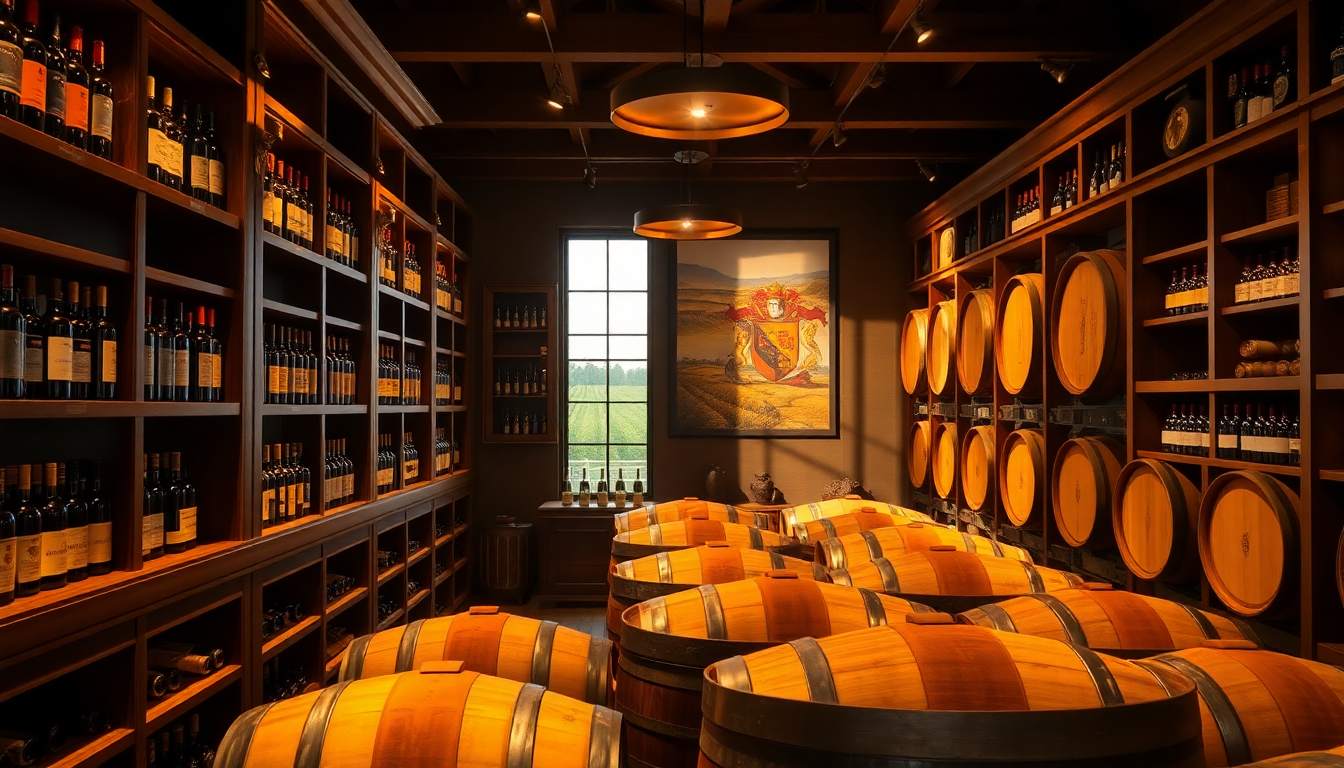
One of the best ways to select wine for your dinner party is to visit a knowledgeable wine shop or winery. Staff members can ask about your menu, your guests' preferences, and your budget, then make personalized recommendations. Many wine shops offer tastings, which allow you to sample wines before purchasing.
At Curtis Family Vineyards, our team is passionate about helping customers find wines that match their needs. We can discuss your dinner party plans and suggest wines that will work perfectly with your menu.
Reading Wine Labels and Reviews
Learning to read wine labels can provide valuable information. The label tells you the wine's name, the region where it was produced, the vintage year, the alcohol content, and often the grape varieties used. Some labels also include tasting notes that describe the wine's flavor profile.
Wine reviews from reputable sources can also guide your selections. Publications like Wine Spectator and Wine Advocate provide detailed reviews and scores. Websites like Vivino allow users to rate and review wines, providing insights from both professionals and casual drinkers.
Considering Wine Clubs and Subscriptions
If you frequently host dinner parties, joining a wine club or subscription service can be a great way to discover new wines and ensure you always have options on hand. Many wineries, including Curtis Family Vineyards, offer wine clubs that deliver curated selections to your door regularly.
Building Your Wine Inventory
Rather than purchasing wine only when you're planning a dinner party, consider building a small wine inventory at home. Having a selection of reds, whites, and sparkling wines on hand means you're always prepared to entertain. Rotate your inventory regularly to ensure wines are fresh and haven't been stored too long.
Serving Wine Properly
Selecting the right wine is only half the battle. Serving it properly ensures your guests enjoy it to the fullest.
Temperature Considerations
Temperature significantly affects how wine tastes. Red wines are typically served at room temperature, which is around sixty-five to seventy degrees Fahrenheit. However, lighter red wines like Pinot Noir can be slightly chilled to enhance their freshness.
White wines are served chilled, typically between forty-five and fifty-five degrees Fahrenheit. Sparkling wines should be served very cold, around forty degrees Fahrenheit. Dessert wines are often served slightly chilled.
If you don't have a wine refrigerator, you can chill white and sparkling wines in your regular refrigerator for a few hours before serving. To quickly chill a bottle, place it in an ice bucket filled with ice and water for about twenty minutes.
Glassware Selection
Using the appropriate glassware enhances the wine-drinking experience. Red wine glasses have larger bowls that allow the wine to breathe and expose more surface area to air. White wine glasses are smaller with a narrower opening to preserve the wine's aromas. Sparkling wine is served in flute glasses, which preserve the bubbles.
If you don't have specialized wine glasses, all-purpose wine glasses work adequately for any wine. Avoid using small glasses or juice glasses, as they don't allow you to appreciate the wine's aromas and flavors properly.
Opening and Decanting Wine
For most wines, a simple corkscrew is all you need to open a bottle. Insert the corkscrew at an angle, then slowly pull the cork out. If the cork breaks, you can push the remaining cork into the bottle or use a wine key to extract it.
Decanting is the process of pouring wine from the bottle into another container, typically a decanter. This serves two purposes: it allows sediment to settle at the bottom of the bottle, and it allows the wine to aerate, which can enhance its flavors and aromas. Young, full-bodied red wines benefit most from decanting. Most white wines and lighter reds don't require decanting.
Pouring and Serving Etiquette
When serving wine, pour about three to four ounces into each glass, filling it about one-third to one-half full. This allows room for the wine's aromas to concentrate in the glass. Pour for your guests before pouring for yourself, and always pour from the right side of the diner.
If you're serving multiple wines, serve white wines before red wines, and lighter wines before fuller-bodied wines. This prevents the palate from being overwhelmed by heavier wines early in the meal.
Pairing Wine with Specific Cuisines
Different cuisines have their own wine-pairing traditions and considerations.
French Cuisine
French cuisine is traditionally paired with French wines. Burgundy wines pair beautifully with coq au vin and other braised dishes. Bordeaux wines complement beef preparations. Loire Valley wines work well with lighter fish dishes and vegetable preparations. Alsatian wines pair nicely with charcuterie and cheese.
Italian Cuisine
Italian wines are designed to pair with Italian food. Chianti pairs well with tomato-based pasta dishes and grilled meats. Barolo and Barbaresco complement rich meat dishes. Pinot Grigio and other white wines from northern Italy pair with seafood and lighter preparations. Prosecco is perfect for Italian appetizers.
Spanish Cuisine
Spanish wines offer excellent value and pair beautifully with Spanish food. Rioja wines work well with paella and grilled meats. Albari

Leave a comment
This site is protected by hCaptcha and the hCaptcha Privacy Policy and Terms of Service apply.