

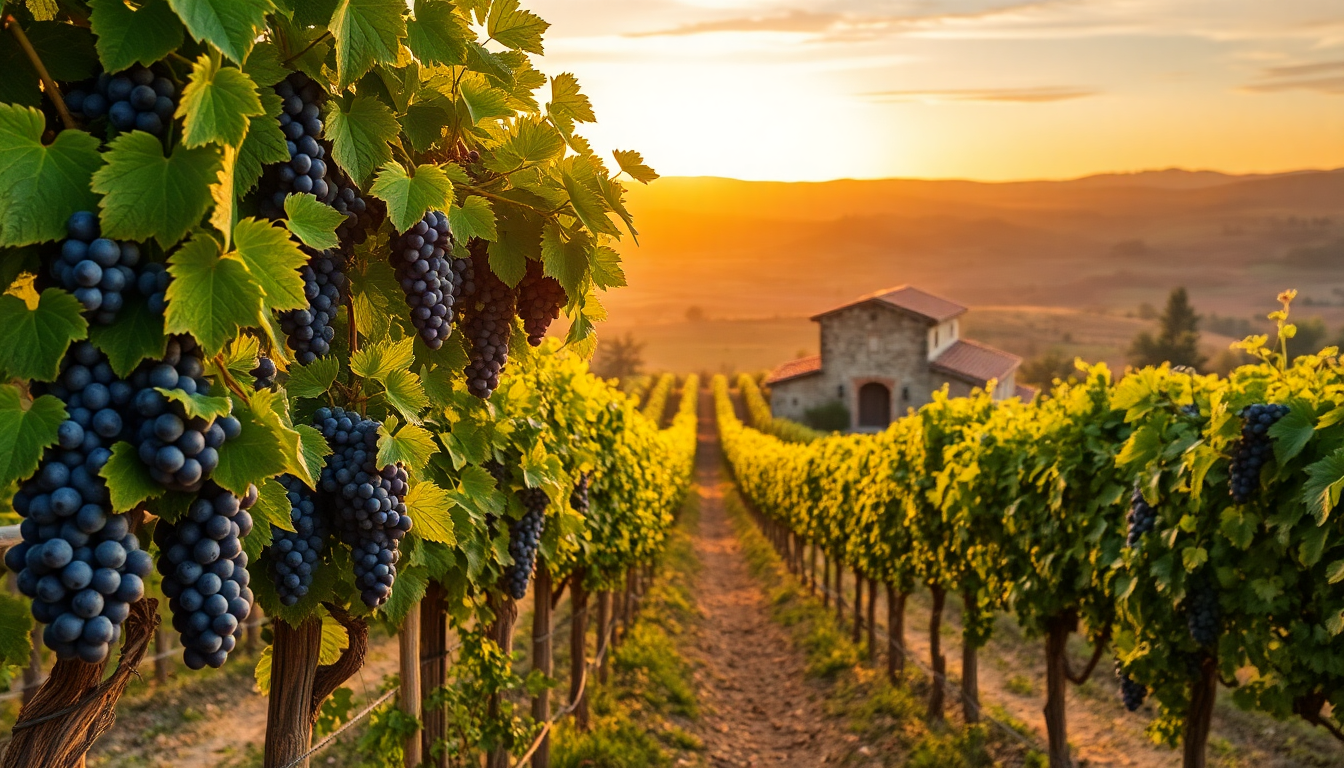
The journey of wine from vine to bottle is a fascinating process that combines art, science, tradition, and passion. At Curtis Family Vineyards, this journey represents generations of expertise, dedication, and a deep commitment to producing exceptional wines that tell the story of the land and the people who cultivate it. This comprehensive exploration will take you through every stage of winemaking at Curtis Family Vineyards, revealing the intricate details that transform humble grapes into bottles of liquid excellence.
The Foundation: Understanding the Vineyard
The History and Heritage of Curtis Family Vineyards
Curtis Family Vineyards stands as a testament to the power of family legacy and agricultural passion. The vineyard's story begins with a vision to create wines that reflect the unique terroir of their region while maintaining the highest standards of quality and craftsmanship. What started as a small family operation has evolved into a respected name in the wine industry, known for producing wines that consistently exceed expectations.
The Curtis family's commitment to winemaking extends back several generations. Each member of the family has contributed their knowledge, skills, and passion to the vineyard's operations. This continuity of family involvement ensures that the values and traditions established by the vineyard's founders remain central to every decision made today. The vineyard's philosophy emphasizes sustainable practices, respect for the environment, and an unwavering dedication to quality that refuses to compromise.
The Terroir: Where Everything Begins
Terroir is a French term that encompasses the complete natural environment in which a wine is produced, including factors such as soil composition, topography, and climate. At Curtis Family Vineyards, understanding and respecting terroir is fundamental to their winemaking philosophy. The vineyard's location provides ideal conditions for growing premium wine grapes, with a climate that offers the perfect balance of warm days and cool nights.
The soil composition in the vineyard is particularly noteworthy. Years of geological processes have created soil that is rich in minerals and well-draining, essential characteristics for producing grapes with concentrated flavors and balanced acidity. The vineyard team conducts regular soil analysis to ensure optimal conditions for vine growth and grape development. This scientific approach to understanding the land demonstrates how Curtis Family Vineyards combines traditional winemaking wisdom with modern agricultural knowledge.
The topography of the vineyard also plays a crucial role in the quality of the wines produced. The elevation and slope of the vineyards ensure proper sun exposure and air circulation, which are vital for grape ripening and disease prevention. The Curtis family has carefully selected and developed their vineyard parcels over the years, always with an eye toward maximizing the natural advantages of their location.
The Growing Season: Nurturing the Vines
Vineyard Management and Sustainable Practices
At Curtis Family Vineyards, vineyard management is both an art and a science. The team employs sustainable practices that respect the environment while ensuring the health and productivity of the vines. These practices include careful water management, integrated pest management, and minimal use of chemical inputs. The vineyard's commitment to sustainability extends beyond environmental concerns; it directly impacts the quality of the grapes and, ultimately, the wine.
The growing season at Curtis Family Vineyards begins in early spring when the vines emerge from their winter dormancy. During this critical period, the vineyard team carefully monitors the vines for signs of disease or pest activity. Pruning, which was completed during the winter months, has shaped the vines to produce the optimal number of shoots and leaves. This pruning is both an art and a science, requiring years of experience to master.
As spring progresses into summer, the vineyard team focuses on canopy management. This involves removing excess leaves and shoots to ensure proper sun exposure to the developing grape clusters. While this might seem counterintuitive, removing foliage actually improves grape quality by allowing sunlight to reach the fruit, promoting better ripening and flavor development. The team also monitors for pests and diseases, using organic and sustainable methods whenever possible to maintain the health of the vineyard ecosystem.
Flowering and Fruit Set
One of the most critical periods in the vineyard year is flowering, which typically occurs in late spring. During this time, the vine flowers develop into berries that will eventually become the grapes used for winemaking. The weather during flowering is crucial; cool, wet conditions can result in poor fruit set, while warm, dry conditions are ideal. Curtis Family Vineyards' team monitors weather conditions closely during this period, understanding that the success of the vintage depends significantly on what happens during these few weeks.
Fruit set refers to the percentage of flowers that successfully develop into berries. A good fruit set is essential for a successful harvest, and the vineyard team works to optimize conditions for this natural process. This might involve adjusting irrigation schedules, managing canopy density, or applying organic treatments to support vine health.
Veraison and Ripening
As summer progresses, the grapes begin to change color in a process called veraison. For red wine grapes, this means the berries transition from green to their characteristic dark colors. For white wine grapes, the berries become more translucent and golden. Veraison marks the beginning of the ripening phase, during which the grapes accumulate sugars, develop flavors, and their acidity gradually decreases.
During the ripening phase, Curtis Family Vineyards' team monitors the grapes closely, measuring sugar levels, acidity, and phenolic ripeness. These measurements help determine the optimal harvest date. The team understands that different grape varieties and different vineyard parcels may reach optimal ripeness at different times, so careful monitoring is essential to harvest each parcel at its peak.
The Harvest: Timing is Everything
Determining Harvest Readiness
The decision of when to harvest is one of the most important decisions made at Curtis Family Vineyards each vintage. This decision is based on a combination of factors including sugar levels (measured in degrees Brix), acidity levels, and phenolic ripeness. The team conducts regular sampling and analysis throughout the ripening period to track these parameters.
Sugar levels are important because they determine the potential alcohol content of the wine. However, sugar alone doesn't determine ripeness; the balance between sugar and acidity is crucial. Wines with too much acidity can taste sharp and unbalanced, while wines with too little acidity can taste flat and flabby. The Curtis Family Vineyards team seeks the sweet spot where all components are in harmony.
Phenolic ripeness refers to the maturity of the grape skins and seeds, which contain compounds that contribute color, tannins, and flavor to the wine. For red wines, phenolic ripeness is particularly important because it determines the quality of the tannins that will structure the wine. The team tastes grapes regularly during the ripening period, evaluating not just the sugar content but the overall flavor profile and texture.
Harvest Methods
Curtis Family Vineyards employs both hand harvesting and mechanical harvesting, depending on the specific needs of each vineyard parcel and wine style. Hand harvesting allows for selective picking, where only the ripest grapes are harvested, and damaged or unripe berries can be left behind. This method is labor-intensive but provides the highest level of quality control.
Mechanical harvesting is more efficient and is used for certain grape varieties and wine styles where it doesn't compromise quality. The machines gently shake the vines, causing ripe grapes to fall onto a conveyor belt while leaving unripe grapes on the vine. Curtis Family Vineyards has invested in high-quality harvesting equipment that minimizes damage to the grapes.
Regardless of the harvesting method used, speed is essential. Once grapes are harvested, they begin to oxidize and ferment naturally. Getting the grapes to the winery quickly ensures that the winemaking team can control the fermentation process and produce the desired wine style.
Sorting and Destemming
Upon arrival at the winery, the harvested grapes undergo careful sorting. This process removes any damaged berries, leaves, or other debris that may have been collected during harvest. At Curtis Family Vineyards, this sorting is done both mechanically and by hand, ensuring that only the highest quality grapes proceed to the next stage.
After sorting, the grapes are destemmed, meaning the berries are separated from the stems. For some wine styles, particularly certain red wines, a portion of the stems may be retained to add tannins and complexity. The winemaking team makes these decisions based on the specific wine being produced and the characteristics of the vintage.
The Winemaking Process: Where Science Meets Art
Crushing and Initial Preparation
Once the grapes have been sorted and destemmed, they are crushed to break the skins and release the juice. The crushing process is carefully controlled to avoid over-extraction of harsh tannins from the seeds. For white wines, the grapes are typically pressed immediately after crushing to separate the juice from the solids. For red wines, the juice remains in contact with the skins during fermentation to extract color, tannins, and flavor.
The temperature of the grapes at this stage is important. Curtis Family Vineyards often chills the grapes before crushing to slow down oxidation and wild yeast fermentation, giving the winemaking team more control over the fermentation process. This is particularly important for white wines, where the winemaker wants to preserve delicate flavors and fresh acidity.
Yeast Selection and Fermentation
Fermentation is the process by which yeast converts the sugar in grape juice into alcohol and carbon dioxide. At Curtis Family Vineyards, the winemaking team carefully selects yeast strains based on the specific wine being produced. Different yeast strains have different characteristics; some produce fruity esters, while others are more neutral and allow the grape flavors to shine through.
The fermentation temperature is carefully controlled. For white wines, cooler fermentation temperatures (around 50-60 degrees Fahrenheit) help preserve delicate flavors and fresh acidity. For red wines, warmer fermentation temperatures (around 70-85 degrees Fahrenheit) help extract color and tannins from the grape skins. Curtis Family Vineyards has invested in temperature-controlled fermentation vessels to ensure optimal conditions for each wine.
During fermentation, the winemaking team monitors the progress closely. They measure sugar levels regularly to track the fermentation's progress and ensure it completes successfully. They also monitor pH and acidity levels, making adjustments if necessary to ensure the wine develops properly.
Malolactic Fermentation
After the primary fermentation is complete, many of Curtis Family Vineyards' wines undergo malolactic fermentation (MLF). This is a secondary fermentation in which lactic acid bacteria convert malic acid (which is sharp and tart) into lactic acid (which is softer and rounder). This process adds complexity and softness to the wine, particularly important for red wines.
The decision of whether to conduct malolactic fermentation, and how much of it to allow, is a crucial winemaking choice. For some wines, the winemaking team might want to prevent MLF to preserve fresh acidity and bright fruit flavors. For others, they might encourage full MLF to create a rounder, more complex wine. This decision is made based on the specific wine style and the characteristics of the vintage.
Aging and Oak Influence
After fermentation is complete, many of Curtis Family Vineyards' wines are aged in oak barrels. Oak aging serves multiple purposes: it allows the wine to develop complexity through slow oxidation, it imparts flavors and aromas from the oak itself, and it allows the wine's components to integrate and harmonize.
The choice of oak is significant. Curtis Family Vineyards uses oak from various regions, including French oak, American oak, and Hungarian oak. Each type of oak imparts different characteristics to the wine. French oak tends to be more subtle and refined, while American oak is often more bold and vanilla-forward. The winemaking team selects oak based on the specific wine being produced and the desired flavor profile.
The age of the oak barrels also matters. New oak barrels impart more oak flavor and tannins, while older barrels are more neutral and allow the wine's fruit flavors to dominate. Curtis Family Vineyards uses a combination of new and older barrels, carefully balancing oak influence with fruit expression.
During the aging period, the wine is monitored regularly. The winemaking team tastes the wine periodically to assess its development and determine when it's ready for the next stage. They also monitor the wine's chemistry, ensuring that it's developing properly and that no faults are developing.
Blending and Final Adjustments
The Art of Blending
One of the most important decisions in winemaking is blending. At Curtis Family Vineyards, different vineyard parcels, different fermentation vessels, and wines aged in different oak barrels are often blended together to create the final wine. This blending process allows the winemaker to create a wine that is greater than the sum of its parts.
Blending decisions are made based on careful tasting and analysis. The winemaking team tastes different lots and considers how they might work together. A wine that might be too acidic on its own might be perfectly balanced when blended with a rounder wine. A wine with intense fruit flavors might be softened and made more elegant by blending with a wine that has more subtle characteristics.
The blending process at Curtis Family Vineyards is both an art and a science. While the winemaker's palate and experience are crucial, the team also uses chemical analysis to ensure that the blended wine has the desired characteristics. The goal is always to create a wine that is balanced, complex, and expressive of the vineyard and vintage.
Stabilization and Clarification
Before bottling, the wine must be stabilized and clarified. Stabilization involves removing compounds that might cause the wine to become cloudy or develop off-flavors over time. This might involve adding substances like potassium sorbate or sulfur dioxide, or using physical processes like cold stabilization.
Clarification involves removing any remaining particles or yeast cells from the wine. This might be done through filtration, fining (adding substances that bind to particles and cause them to settle), or simply allowing the wine to settle naturally over time. Curtis Family Vineyards uses a combination of these methods, always with an eye toward preserving the wine's flavor and character.
Final Adjustments
Before bottling, the winemaking team makes any final adjustments to the wine. This might involve adjusting acidity if necessary, adding sulfur dioxide as a preservative, or making minor blending adjustments. These decisions are made based on careful tasting and analysis, ensuring that the wine is in optimal condition for bottling.
Bottling: Preserving the Wine
Preparation for Bottling
The bottling process at Curtis Family Vineyards is carefully planned and executed. The wine is filtered one final time to ensure clarity, and the bottling line is thoroughly cleaned and sanitized to prevent contamination. The bottles themselves are inspected to ensure they are free of defects that might compromise the wine's quality.
The choice of bottle is also important. Curtis Family Vineyards uses high-quality bottles that are designed to protect the wine from light and oxidation. The color of the glass is selected based on the wine style; darker glass provides more protection from light, which is particularly important for wines that will age for extended periods.
The Bottling Process
The bottling process is highly automated at Curtis Family Vineyards, but it is carefully monitored to ensure quality. The wine is filled into bottles at a controlled temperature, and the bottles are immediately capped or corked to prevent oxidation. For wines that will be aged in the bottle, natural cork is typically used, as it allows for very slow oxidation that can benefit the wine over time. For wines meant to be consumed younger, screw caps or synthetic closures might be used.
After bottling, the bottles are labeled and packaged. The labels at Curtis Family Vineyards are designed to reflect the wine's character and the vineyard's heritage. Each bottle includes important information such as the vintage year, the wine's alcohol content, and the vineyard's name and location.
Quality Control in Bottling
Even after bottling, Curtis Family Vineyards maintains strict quality control. Bottles are randomly selected and tested to ensure that the wine has been properly bottled and that the closure is functioning correctly. Some bottles are even opened and tasted to ensure that the bottling process hasn't negatively impacted the wine's quality.
Aging in the Bottle: The Final Transformation
Understanding Bottle Age
Once bottled, the wine continues to evolve. This bottle aging is a crucial part of the winemaking process for many wines, particularly full-bodied red wines. During bottle aging, the wine's components continue to integrate and develop complexity. The wine becomes softer and more harmonious as harsh tannins polymerize and the wine's flavors become more integrated.
The rate of bottle aging depends on many factors, including the wine's initial structure, the type of closure used, and the storage conditions. Curtis Family Vineyards provides guidance on when their wines are ready to drink and how long they can be aged, based on the specific wine and vintage.
Storage and Cellaring Conditions
Proper storage is essential for wines that will be aged in the bottle. Curtis Family Vineyards recommends storing their wines in a cool, dark place with a consistent temperature. Fluctuating temperatures can cause the wine to expand and contract, potentially compromising the seal and allowing oxidation. Light exposure can degrade the wine's color and flavors, which is why dark storage conditions are important.
The humidity level is also important for wines with natural cork closures. If the humidity is too low, the cork can dry out and allow air to enter the bottle. If the humidity is too high,


Leave a comment
This site is protected by hCaptcha and the hCaptcha Privacy Policy and Terms of Service apply.