

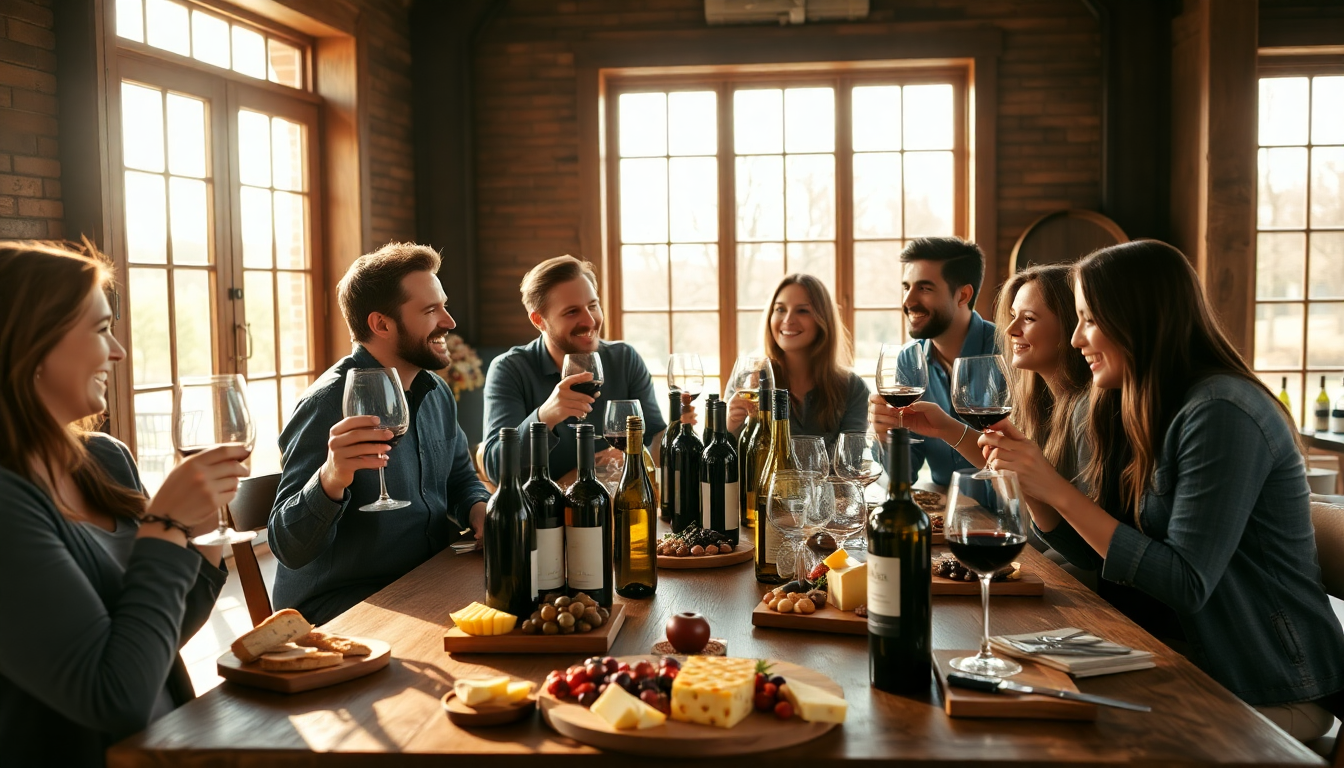
Planning a large group gathering can be both exciting and challenging, especially when it comes to selecting the right wines to serve your guests. Whether you're hosting a dinner party, a celebration, or a casual get-together, the wine selection can significantly impact the overall experience and enjoyment of your event. At Curtis Family Vineyards, we understand the importance of making thoughtful wine choices that will please a diverse group of palates while complementing your menu and creating a memorable occasion.
This comprehensive guide will walk you through everything you need to know about selecting wines for large group gatherings. From understanding your guests' preferences to calculating quantities, pairing wines with food, and managing your budget, we'll cover all the essential aspects that will help you make confident decisions and ensure your event is a success.
Understanding Your Guest List and Preferences
Before you even begin looking at specific wines, it's crucial to understand who will be attending your gathering and what their preferences might be. This foundational knowledge will guide all of your subsequent wine selections and help you create a more inclusive and enjoyable experience for everyone.
Assessing Dietary Restrictions and Preferences
Start by considering any dietary restrictions or preferences your guests might have. Some people may prefer red wines, while others might favor white wines or rosés. Some guests might be interested in sparkling wines, while others prefer still wines. Additionally, you should be aware of any guests who don't drink alcohol at all, as you'll want to have quality non-alcoholic alternatives available.
Consider sending out a simple survey or asking guests directly about their wine preferences when you invite them. This doesn't need to be complicated—a simple question like "Do you prefer red, white, or rosé wines?" can provide valuable information. You might also ask if anyone has specific wine allergies or sensitivities, as some people are sensitive to sulfites or other wine components.
Considering Age and Experience Levels
The age and wine experience level of your guests should also influence your selections. If you're hosting a group of wine enthusiasts, you might feel comfortable selecting more complex, age-worthy wines that require some knowledge to appreciate fully. However, if your gathering includes guests who are less familiar with wine, you'll want to focus on approachable, fruit-forward wines that are easy to enjoy without extensive wine knowledge.
Younger guests might appreciate lighter, more refreshing wines, while older guests might prefer fuller-bodied options. However, don't make assumptions based solely on age—individual preferences vary widely, and the best approach is to offer a diverse selection that caters to different tastes.
Understanding Cultural and Regional Preferences
If your guest list includes people from different cultural backgrounds, consider whether there are regional wine preferences you should be aware of. For example, guests with Italian heritage might particularly enjoy Italian wines, while those with French connections might appreciate French selections. This doesn't mean you need to exclusively serve wines from specific regions, but being mindful of these preferences can add a thoughtful touch to your gathering.
Calculating the Right Quantity of Wine
One of the most common questions when planning a large gathering is how much wine to purchase. Getting this calculation right is essential—you want enough wine to ensure everyone can enjoy a glass or two without running out, but you also don't want to purchase so much that you're left with excessive bottles afterward.
The Standard Serving Guidelines
A standard serving of wine is typically considered to be five ounces, which is the standard pour you'll receive at most restaurants and wine bars. A standard 750-milliliter bottle contains approximately five glasses of wine when poured at this standard serving size.
For a typical gathering where wine is one of several beverages available, plan for approximately one to two glasses per person over the course of the event. If your gathering is a dinner party lasting several hours, you might lean toward the higher end of this estimate. If it's a shorter event or a casual gathering where wine is just one option among many beverages, one glass per person might be sufficient.
Adjusting for Event Duration and Type
The length and nature of your event will significantly impact how much wine you need. A cocktail hour before dinner might require less wine per person than a multi-course dinner that lasts several hours. Similarly, a casual afternoon gathering might see less wine consumption than an evening celebration.
For a four-hour dinner party with twenty guests, a reasonable estimate would be to purchase four to five bottles of wine. This allows for approximately one to one-and-a-half glasses per person, accounting for the fact that not everyone will drink wine, and some guests will drink more than others.
Accounting for Non-Drinkers
Remember that not everyone at your gathering will drink wine. Typically, you can assume that about ten to twenty percent of your guests might not drink alcohol for various reasons—personal preference, health considerations, religious beliefs, or driving responsibilities. This means you can slightly reduce your wine quantity calculation, but you should absolutely ensure you have quality non-alcoholic alternatives available for these guests.
The Importance of Having Backup Bottles
It's always better to have slightly too much wine than to run out. If you're uncertain about your calculations, purchase one or two extra bottles. Most quality wines can be stored for extended periods, and you'll have them available for future gatherings. Additionally, having backup bottles ensures you won't face the awkward situation of running out of wine during your event.
Selecting a Diverse Wine Portfolio
Rather than selecting just one or two wines for your gathering, it's wise to offer a diverse selection that caters to different tastes and pairs well with various foods. A well-rounded wine selection typically includes red wines, white wines, and possibly rosé or sparkling wines.
Red Wine Selections
Red wines are often the centerpiece of wine selections for large gatherings, particularly if you're serving hearty foods. When selecting red wines, consider a mix of lighter and fuller-bodied options.
Pinot Noir is an excellent choice for large gatherings because it's approachable, versatile with food pairings, and appeals to both wine enthusiasts and casual drinkers. It has enough complexity to interest experienced wine drinkers but is still accessible to those less familiar with wine. Pinot Noir pairs beautifully with a wide range of foods, from chicken and fish to beef and pork.
Merlot is another crowd-pleasing red wine that works well for group gatherings. It's typically fruit-forward, with soft tannins that make it easy to drink. Merlot is particularly good if you're serving beef or lamb dishes, as it complements these proteins beautifully.
Cabernet Sauvignon is a more full-bodied option that appeals to guests who prefer bolder, more structured wines. If your gathering includes wine enthusiasts, including a quality Cabernet Sauvignon shows that you've put thought into your selection. It pairs excellently with grilled meats and hearty dishes.
For a more budget-friendly option that still offers quality, consider Spanish Tempranillo or Garnacha wines. These offer excellent value and are increasingly popular among wine drinkers. They're versatile with food and offer interesting flavor profiles without the premium price tag of some other red wines.
White Wine Selections
White wines are essential for a balanced wine selection, particularly if you're serving lighter foods like seafood, chicken, or vegetarian dishes. A good white wine selection should include both crisp, refreshing options and fuller-bodied choices.
Sauvignon Blanc is an excellent choice for large gatherings because it's crisp, refreshing, and appeals to a wide range of palates. It's particularly good if you're serving seafood, salads, or lighter appetizers. The bright acidity of Sauvignon Blanc also makes it a good palate cleanser between courses.
Chardonnay offers a fuller-bodied white wine option. If you select an unoaked or lightly oaked Chardonnay, it will be more approachable to casual wine drinkers. Fuller-bodied Chardonnays appeal to guests who prefer wines with more weight and complexity.
Pinot Grigio is a light, crisp white wine that's very approachable and pairs well with a variety of foods. While it's sometimes dismissed by wine enthusiasts as being too simple, a quality Pinot Grigio can be an excellent addition to your selection, particularly for guests who prefer lighter wines.
Riesling is an underrated choice for large gatherings. Quality dry Rieslings offer wonderful complexity and versatility with food. They work particularly well if you're serving Asian-inspired dishes or foods with spicy elements. The slight sweetness in some Rieslings also appeals to guests who prefer wines that aren't completely dry.
Rosé and Sparkling Wine Options
Don't overlook rosé wines for your gathering. Rosé has become increasingly popular and offers a wonderful middle ground between red and white wines. It's refreshing, versatile with food, and appeals to a broad range of palates. Rosé is particularly good for daytime gatherings or outdoor events.
Sparkling wine is an excellent addition to any large gathering, particularly if you want to create a celebratory atmosphere. You don't need to purchase expensive Champagne—quality sparkling wines from other regions offer excellent value and can be just as enjoyable. Prosecco from Italy or Cava from Spain are both excellent, more affordable alternatives to Champagne.
Pairing Wine with Your Menu
One of the most important considerations when selecting wine for a large gathering is how the wines will pair with the food you're serving. The right wine and food pairing can elevate both the wine and the food, creating a more memorable dining experience.
Understanding Basic Pairing Principles
The fundamental principle of wine and food pairing is that wines should complement the flavors, weight, and intensity of the dishes they accompany. A light, delicate fish dish pairs better with a crisp white wine than with a full-bodied red wine. Similarly, a rich, hearty beef stew pairs better with a structured red wine than with a light white wine.
Consider the weight and intensity of both the wine and the food. Lighter wines pair well with lighter foods, while fuller-bodied wines pair well with heavier, more intense foods. Additionally, consider the cooking method and sauces. A grilled fish with a light lemon sauce pairs differently than the same fish with a rich cream sauce.
Specific Pairing Recommendations
If you're serving appetizers, consider what those appetizers are. Cheese and charcuterie boards pair well with almost any wine, making them an excellent choice for a gathering where you're serving multiple wines. Sparkling wine is particularly good with cheese and charcuterie.
For seafood dishes, white wines are typically the best choice. Crisp whites like Sauvignon Blanc or Pinot Grigio work well with lighter seafood preparations, while fuller-bodied whites like Chardonnay pair better with richer seafood dishes or those with cream sauces.
Chicken dishes are versatile and can pair with both red and white wines, depending on the preparation. A light chicken dish with a delicate sauce might pair better with white wine, while a chicken dish with a rich sauce or served with hearty sides might pair better with a lighter red wine like Pinot Noir.
Beef and lamb dishes typically pair best with fuller-bodied red wines. Cabernet Sauvignon, Merlot, and other structured red wines complement the richness and intensity of these proteins beautifully.
Vegetarian dishes can be more challenging to pair, but this is where wines like Pinot Noir or Riesling shine. These wines offer enough complexity and versatility to pair well with a wide range of vegetable-based dishes.
Creating a Cohesive Wine and Food Experience
If you're serving multiple courses, consider how the wines will progress throughout the meal. Traditionally, lighter wines are served before fuller-bodied wines, and white wines are served before red wines. However, for a large gathering, you might simply have all wines available throughout the meal, allowing guests to choose based on their preferences and what they're eating.
If you're serving a single main course with multiple wine options, ensure that at least one of your wines pairs well with that main course. This ensures that even guests who aren't particularly knowledgeable about wine pairing will have a good experience.
Budget Considerations and Value Selection
Budget is often a significant factor when selecting wines for a large gathering. The good news is that you don't need to spend a fortune to serve quality wines that your guests will enjoy. There are excellent wines available at various price points, and with some knowledge, you can find great value.
Understanding Wine Pricing
Wine pricing doesn't always correlate directly with quality. Some wines are expensive because of their brand reputation, age, or scarcity, not necessarily because they're better than less expensive alternatives. For a large gathering, you can often find wines that offer excellent quality at moderate prices.
Generally, wines in the fifteen to thirty dollar range offer excellent value. These wines are typically well-made, from reputable producers, and will be enjoyed by most guests. You don't need to purchase wines in the fifty to one-hundred-dollar range for a large gathering unless you have specific reasons to do so.
Finding Value Wines
One strategy for finding value wines is to explore wines from regions that are less well-known or less fashionable than traditional wine regions. For example, Spanish wines, Portuguese wines, and wines from lesser-known regions of France often offer excellent quality at lower prices than more famous regions.
Another strategy is to look for wines from up-and-coming producers or regions. As certain wine regions gain popularity, prices tend to increase. By selecting wines from regions that are gaining recognition but haven't yet reached peak popularity, you can find excellent quality at reasonable prices.
Don't overlook wines from supermarkets or warehouse clubs. Many of these retailers have excellent wine selections curated by knowledgeable staff, and they often offer competitive pricing. Some supermarkets and warehouse clubs have their own wine labels that offer excellent value.
Balancing Quality and Quantity
When you have a limited budget, you might need to make choices about whether to purchase fewer bottles of more expensive wine or more bottles of less expensive wine. For a large gathering, it's generally better to have more bottles of good-quality, moderately-priced wine than fewer bottles of very expensive wine. This ensures you have enough wine for everyone and that all your guests can enjoy quality wine.
Considering Wine Clubs and Direct Purchases
If you're a regular wine drinker, joining a wine club can provide access to wines at discounted prices. Many wineries, including Curtis Family Vineyards, offer wine club memberships that provide discounts on purchases. If you're planning a large gathering, purchasing through a wine club can result in significant savings.
Additionally, purchasing directly from wineries often provides better pricing than purchasing through retail channels. If you have favorite wineries, contact them directly to inquire about pricing for larger purchases.
Presentation and Service Considerations
How you present and serve your wines can significantly impact your guests' enjoyment. Even excellent wines can be diminished by poor presentation or service, while good wines can be enhanced by thoughtful presentation.
Proper Glassware
Using appropriate glassware for each wine type enhances the drinking experience. Red wines are typically served in larger glasses with a wider bowl, which allows the wine to breathe and develop its aromas. White wines are served in smaller glasses with a narrower bowl, which helps maintain the wine's temperature and concentrate its aromas.
For a large gathering, you don't necessarily need different glasses for each wine type, but using appropriate glasses for at least the red and white wines will enhance the experience. If budget is a concern, all-purpose wine glasses work reasonably well for most wines.
Temperature Considerations
Serving wine at the correct temperature is crucial for proper enjoyment. Red wines are typically served at room temperature, though slightly cool room temperature is better than warm room temperature. White wines and rosés are served chilled, typically between forty-five and fifty degrees Fahrenheit. Sparkling wines should be served very cold, around forty degrees Fahrenheit.
For a large gathering, consider setting up a wine station with ice buckets for chilling white wines and sparkling wines. This allows guests to help themselves and ensures wines stay at appropriate temperatures throughout the event.
Decanting and Aeration
For fuller-bodied red wines, decanting can improve the wine's flavor and aroma by allowing it to breathe. However, for a large gathering, decanting might not be practical. Instead, you can open the bottles thirty minutes to an hour before serving, which allows some aeration without the need for decanting.
Wine Service Order
If you're serving multiple wines, consider the traditional service order: white wines before red wines, lighter wines before fuller-bodied wines, and dry wines before sweet wines. However, for a casual large gathering, you can simply have all wines available and allow guests to choose based on their preferences.
Creating a Wine Education Experience
For guests who are less familiar with wine, a large gathering is an opportunity to introduce them to new wines and help them develop their wine knowledge and appreciation. This doesn't need to be formal or intimidating—simple touches can enhance the experience.
Providing Wine Information
Consider creating simple cards or labels for each wine that include basic information: the wine's name, region, grape variety, and a brief tasting note. This helps guests understand what they're drinking and can spark interesting conversations about the wines.
You might include information about the wine's flavor profile, what foods it pairs well with, and any interesting facts about the wine or its producer. This information helps guests appreciate the wines more fully and can make them feel more confident in their wine selections.
Encouraging Wine Exploration
Encourage guests to try wines they might not normally choose. You might suggest pairings or ask guests about their impressions of different wines. This creates a more interactive and educational experience and can help guests discover new favorite wines.
Sharing Your Wine Knowledge
If you have wine knowledge,


Leave a comment
This site is protected by hCaptcha and the hCaptcha Privacy Policy and Terms of Service apply.