

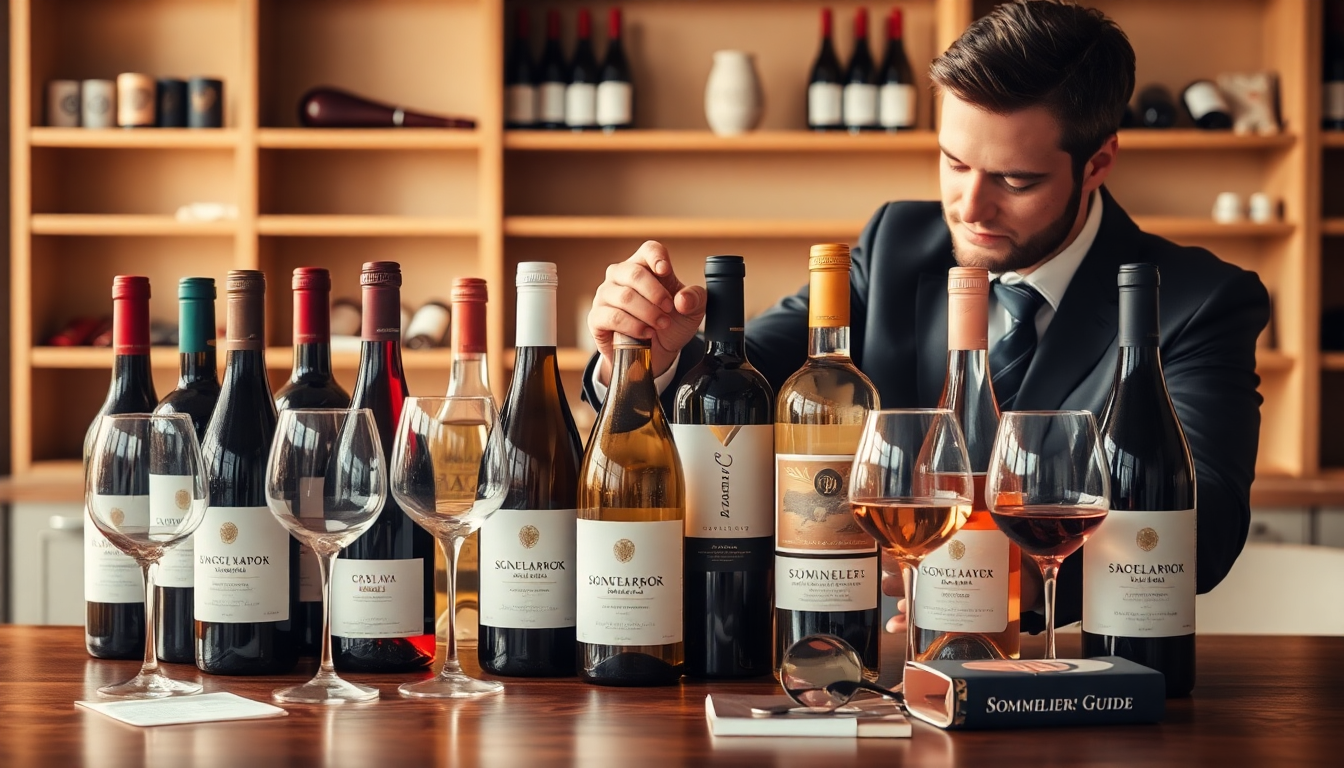
Building the perfect mixed wine case is an art form that combines knowledge, personal preference, and strategic thinking. Whether you're a seasoned wine enthusiast or just beginning your journey into the world of wine, understanding how to curate a diverse selection of wines that work together harmoniously can elevate your wine experience significantly. At Curtis Family Vineyards, we believe that a well-constructed wine case should tell a story, offer variety, and provide options for different occasions and palates.
Understanding the Fundamentals of Wine Selection
Before you begin assembling your mixed wine case, it's essential to understand the basic principles that guide wine selection. A great wine case isn't simply a random collection of bottles; it's a thoughtfully curated selection that considers balance, variety, and quality. The foundation of any excellent mixed wine case starts with understanding what you enjoy drinking and what occasions you'll be serving these wines for.
The Importance of Balance
Balance is perhaps the most critical element when building a mixed wine case. This doesn't just refer to the balance within individual wines, though that's certainly important. Rather, it refers to the overall balance of your collection. You want to ensure that you have a variety of wine styles, colors, and flavor profiles that can satisfy different moods and occasions.
A well-balanced wine case typically includes a mix of red wines, white wines, and possibly some rosé or sparkling wines. The exact proportions depend on your personal preferences, but a common approach is to allocate roughly 50% red wines, 40% white wines, and 10% for other categories like sparkling or dessert wines. This distribution ensures that you have options regardless of the season, the meal you're preparing, or the company you're entertaining.
Understanding Wine Categories
To build an effective mixed wine case, you need to understand the major wine categories and what makes each one unique. Red wines, for instance, range from light and fruity Pinot Noirs to full-bodied Cabernet Sauvignons. White wines span from crisp and mineral Sauvignon Blancs to rich and buttery Chardonnays. Each category offers distinct flavor profiles, tannin structures, and aging potential.
Sparkling wines add celebration and elegance to any collection, while rosé wines offer a refreshing middle ground between red and white. Dessert wines and fortified wines like Port or Sherry provide options for after-dinner enjoyment or pairing with specific desserts. Understanding these categories helps you make informed decisions about which wines to include in your case.
Assessing Your Personal Preferences and Lifestyle
Your mixed wine case should ultimately reflect your personal tastes and lifestyle. There's no point in including wines that don't appeal to you, no matter how highly rated they might be. The first step in building your perfect case is honest self-assessment.
Identifying Your Flavor Preferences
Take time to think about the wines you've enjoyed in the past. Do you prefer bold, full-bodied wines or lighter, more delicate options? Are you drawn to fruity wines or those with earthy, mineral characteristics? Do you enjoy wines with high acidity or those that are rounder and softer on the palate? These preferences should guide your selections.
If you're unsure about your preferences, consider visiting local wine shops or attending wine tastings. Curtis Family Vineyards often hosts tastings that allow you to sample different styles and discover what resonates with your palate. These experiences are invaluable for developing your wine knowledge and refining your preferences.
Considering Your Lifestyle and Occasions
Think about how you typically consume wine. Are you someone who enjoys a glass with dinner several times a week? Do you frequently entertain guests? Are you looking for wines to age in your cellar, or do you prefer wines that are ready to drink now? Your lifestyle significantly impacts the types and quantities of wines you should include in your case.
If you entertain frequently, you might want to include more crowd-pleasing wines that appeal to a broad range of palates. If you're a serious collector interested in aging wines, you might focus on wines with strong aging potential and lower immediate consumption. If you're a casual drinker who enjoys wine with meals, you might prioritize food-friendly wines that pair well with everyday cooking.
Building Your Red Wine Selection
Red wines form the backbone of most mixed wine cases, so it's important to select them thoughtfully. A diverse red wine selection should include wines from different regions, made from different grape varieties, and representing different styles and price points.
Selecting Diverse Red Wine Styles
Start by including at least one light-bodied red wine. Pinot Noir is an excellent choice for this category. These wines are elegant, food-friendly, and offer beautiful complexity without overwhelming the palate. They work wonderfully with a variety of cuisines and are perfect for casual weeknight drinking.
Next, include a medium-bodied red wine. Grenache, Tempranillo, or a well-made Merlot fits this category perfectly. These wines offer more structure than light-bodied reds but remain approachable and versatile. They're excellent for pairing with grilled meats, pasta dishes, and Mediterranean cuisine.
Finally, include at least one full-bodied red wine. Cabernet Sauvignon, Syrah, or a Bordeaux blend represents this category. These wines have more tannins, deeper colors, and bolder flavors. They pair beautifully with rich, hearty dishes and can age gracefully in your cellar.
Geographic Diversity in Red Wines
Consider including red wines from different regions around the world. A Burgundy Pinot Noir offers different characteristics than a California Pinot Noir. A Rioja from Spain has a distinct personality compared to a Tuscan Chianti. By including wines from various regions, you expose yourself to different winemaking traditions and terroir expressions.
Include at least one wine from the Old World, such as France, Italy, or Spain, and at least one from the New World, such as California, Australia, or Argentina. This geographic diversity enriches your wine experience and helps you understand how climate, soil, and winemaking practices influence the final product.
Price Point Variation
Your red wine selection should include wines at different price points. Include some everyday wines that you can enjoy without hesitation, some mid-range wines that offer excellent quality for the price, and perhaps one or two premium bottles that you might save for special occasions or cellaring. This approach ensures that you have options for different situations and budgets.
Curating Your White Wine Selection
White wines deserve equal attention in your mixed wine case. A well-rounded white wine selection provides refreshing options for warm weather, lighter meals, and occasions where red wine might not be appropriate.
Exploring White Wine Diversity
Include at least one crisp, mineral-driven white wine. Sauvignon Blanc or Albariño are excellent choices. These wines are refreshing, food-friendly, and perfect for seafood, salads, and lighter fare. Their acidity makes them versatile pairing partners for many dishes.
Add a medium-bodied white wine to your selection. Pinot Grigio, Vermentino, or a lighter Chardonnay fits this category. These wines offer more body and flavor than crisp whites but remain approachable and food-friendly. They work well with poultry, light pasta dishes, and creamy sauces.
Include at least one fuller-bodied white wine. A rich Chardonnay, Viognier, or white Burgundy represents this style. These wines have more complexity, weight, and aging potential. They pair beautifully with richer dishes, seafood preparations, and can stand up to oak aging.
Aromatic and Floral White Wines
Consider including an aromatic white wine like Riesling, Gewürztraminer, or Muscat. These wines offer distinctive aromatic profiles and can be either dry or slightly sweet. They're excellent for exploring different flavor dimensions and provide options for those who prefer wines with more pronounced fruit aromas.
White Wine Regions and Producers
Just as with red wines, seek geographic diversity in your white wine selections. Include whites from classic regions like Burgundy, Loire Valley, or Alsace, as well as from New World producers. Different regions produce distinctly different expressions of the same grape varieties, and exploring these differences enriches your wine knowledge.
Adding Sparkling Wines and Rosés
A complete mixed wine case should include options beyond still red and white wines. Sparkling wines and rosés add versatility and celebration to your collection.
Selecting Sparkling Wines
Champagne is the gold standard for sparkling wine, but excellent sparkling wines come from many regions. Consider including a Champagne for special occasions, but also explore Prosecco, Cava, or sparkling wines from other regions. Each offers different flavor profiles and price points.
Sparkling wines are incredibly versatile. They work as aperitifs, pair with a wide range of foods, and add a celebratory element to any gathering. Including at least two or three bottles of sparkling wine in your case ensures you're prepared for both planned celebrations and spontaneous moments worth toasting.
Understanding Rosé Wines
Rosé wines have gained tremendous popularity in recent years, and for good reason. They offer the refreshing qualities of white wine with some of the body and complexity of red wine. A good rosé is dry, crisp, and food-friendly, making it an excellent addition to any mixed wine case.
Include at least one quality rosé in your case. Provence rosés are known for their elegance and mineral qualities, while rosés from other regions offer different flavor profiles. Rosé is perfect for warm weather entertaining, picnics, and lighter meals.
Considering Food Pairing Potential
One of the most important aspects of building a mixed wine case is ensuring that your wines pair well with the foods you typically eat. A wine that doesn't pair well with your regular meals is less likely to be enjoyed.
Understanding Basic Pairing Principles
The fundamental principle of wine pairing is that wines should complement the flavors and textures of the food they accompany. Wines with higher acidity pair well with fatty or rich foods, cutting through the richness and cleansing the palate. Wines with more tannins pair well with protein-rich dishes, as the tannins bind with proteins and become less astringent.
Light-bodied wines work well with delicate flavors and lighter preparations, while full-bodied wines stand up to bold flavors and hearty dishes. Aromatic wines with fruity or floral notes pair beautifully with Asian cuisines and dishes with spice.
Building a Food-Friendly Case
Think about the meals you prepare and enjoy most frequently. If you're a seafood lover, ensure your case includes several white wines and lighter reds that pair well with fish and shellfish. If you're a meat enthusiast, include fuller-bodied reds that complement beef, lamb, and game.
Consider your typical cuisine preferences. If you enjoy Mediterranean cooking, include wines from Mediterranean regions. If you love Asian cuisine, include wines with good acidity and aromatic qualities. If you frequently cook with herbs and spices, include wines that complement these flavors.
Exploring Different Price Points and Value
Building a mixed wine case doesn't require spending a fortune. Understanding how to find quality wines at different price points is essential for creating a case that offers excellent value.
Budget-Friendly Quality Wines
Many excellent wines are available at modest price points. Wines from emerging regions, younger vintages of established producers, and wines from less famous appellations often offer outstanding quality for the price. Spanish wines, Portuguese wines, and wines from regions like Argentina and Chile frequently offer exceptional value.
Include several wines in the $15-25 range that you genuinely enjoy. These are your everyday wines, the bottles you'll open without hesitation for casual meals and entertaining. Quality at this price point has improved dramatically in recent years, and you can find truly excellent wines without spending a fortune.
Mid-Range Wines
Wines in the $25-50 range typically offer more complexity, better aging potential, and more distinctive character than budget wines. These are wines worth savoring, perhaps with a special meal or when you want something more interesting than your everyday bottles. Include several of these in your case to have options for more intentional wine drinking.
Premium and Collectible Wines
Include one or two premium bottles in the $50+ range. These might be wines from prestigious producers, rare vintages, or wines with significant aging potential. These bottles are for special occasions, important dinners, or cellaring for future enjoyment. They add prestige to your collection and give you something to look forward to.
Considering Vintage and Aging Potential
Understanding vintage variation and aging potential helps you make smarter purchasing decisions and ensures your wines are at their best when you drink them.
Understanding Vintage Variation
Vintage refers to the year the grapes were harvested. Different years produce different quality levels due to variations in weather, temperature, and rainfall. Some vintages are considered exceptional, while others are considered challenging. Understanding vintage quality helps you select wines that will be enjoyable to drink.
Research vintage charts for the regions and producers you're interested in. This information helps you avoid poor vintages and seek out exceptional ones. However, don't become a slave to vintage ratings; many wines from supposedly poor vintages are still delicious and offer excellent value.
Aging Potential and Drinking Windows
Some wines are meant to be enjoyed young, while others improve significantly with age. Light-bodied wines like Pinot Noir and most white wines are typically best consumed within 3-5 years of vintage. Full-bodied reds like Cabernet Sauvignon and Bordeaux blends can age for 10-20 years or more.
Understanding the drinking window for your wines helps you consume them at their peak. Include a mix of wines meant for immediate consumption and wines with aging potential. This ensures you always have something ready to drink while also building a small cellar of wines to enjoy in the future.
Storage and Cellar Conditions
Proper storage is crucial for maintaining wine quality. Before finalizing your mixed wine case, ensure you have appropriate storage conditions.
Ideal Storage Conditions
Wine should be stored in a cool, dark place with consistent temperature. The ideal temperature is around 45-65 degrees Fahrenheit, with 55 degrees being optimal for long-term storage. Temperature fluctuations can damage wine, so consistency is more important than hitting the exact temperature.
Store bottles horizontally if they have cork closures, as this keeps the cork moist and prevents it from drying out. Screw-cap bottles can be stored upright. Keep wine away from direct sunlight and vibration, as both can negatively impact quality.
Storage Solutions
If you don't have a wine cellar, consider a wine refrigerator or cooler. These appliances maintain consistent temperature and humidity, protecting your investment. For smaller collections, a wine rack in a cool, dark closet can work adequately. The key is maintaining consistent conditions.
Developing Your Tasting Notes and Preferences
As you build your mixed wine case, develop the habit of tasting wines mindfully and taking notes. This practice deepens your understanding and helps you refine your preferences.
How to Taste Wine Properly
Proper wine tasting involves four steps: observe, swirl, smell, and taste. First, observe the wine's color and clarity. Then, swirl the wine gently to release aromas. Smell the wine deeply, identifying different aromas. Finally, taste the wine, letting it coat your mouth and noticing how flavors evolve.
Take notes on what you observe. Describe the aromas, flavors, and textures you experience. Note how the wine pairs with food if you're tasting it with a meal. Over time, these notes help you identify patterns in your preferences and make better purchasing decisions.
Building Your Wine Knowledge
As you taste wines from your case, you'll naturally develop deeper knowledge about different regions, producers, and grape varieties. This knowledge helps you make increasingly informed decisions about future purchases. Consider reading wine books, following wine blogs, or joining wine clubs to accelerate your learning.
Seasonal Considerations in Wine Selection
Different seasons call for different wines. A well-rounded mixed wine case should include options appropriate for all seasons.
Summer Wines
Summer calls for lighter, crisper wines that are refreshing in warm weather. Include crisp white wines, rosés, and lighter-bodied reds that can be served slightly chilled. Sparkling wines are also perfect for summer entertaining and outdoor gatherings.
Fall and Winter Wines
As temperatures drop, fuller-bodied wines become more appealing. Include richer whites, medium to full-bodied reds, and perhaps some fortified wines. These wines pair beautifully with heartier foods and provide warming comfort on cool evenings.
Spring Wines
Spring is a transition season where both lighter and medium-bodied wines work well. Include wines that bridge the gap between winter's heavier selections and summer's lighter options.
Building Relationships with Wine Producers and Retailers
One of the best ways to develop an excellent mixed wine case is to build relationships with knowledgeable wine retailers and producers. At Curtis Family Vineyards, we believe these relationships are invaluable.
Working with Wine Retailers
A good wine retailer can provide recommendations based on your preferences, alert you to new releases, and help you find specific wines. They can also offer insights into upcoming vintages and help you understand value in the market. Develop a relationship with a retailer who understands your tastes and can guide your selections.
Direct Relationships with Producers
Many wineries, including Curtis Family Vineyards, offer wine club memberships or direct sales. These relationships provide access to limited releases, special pricing, and the opportunity to learn directly from winemakers about their products. Direct relationships with producers

Leave a comment
This site is protected by hCaptcha and the hCaptcha Privacy Policy and Terms of Service apply.