

Introduction
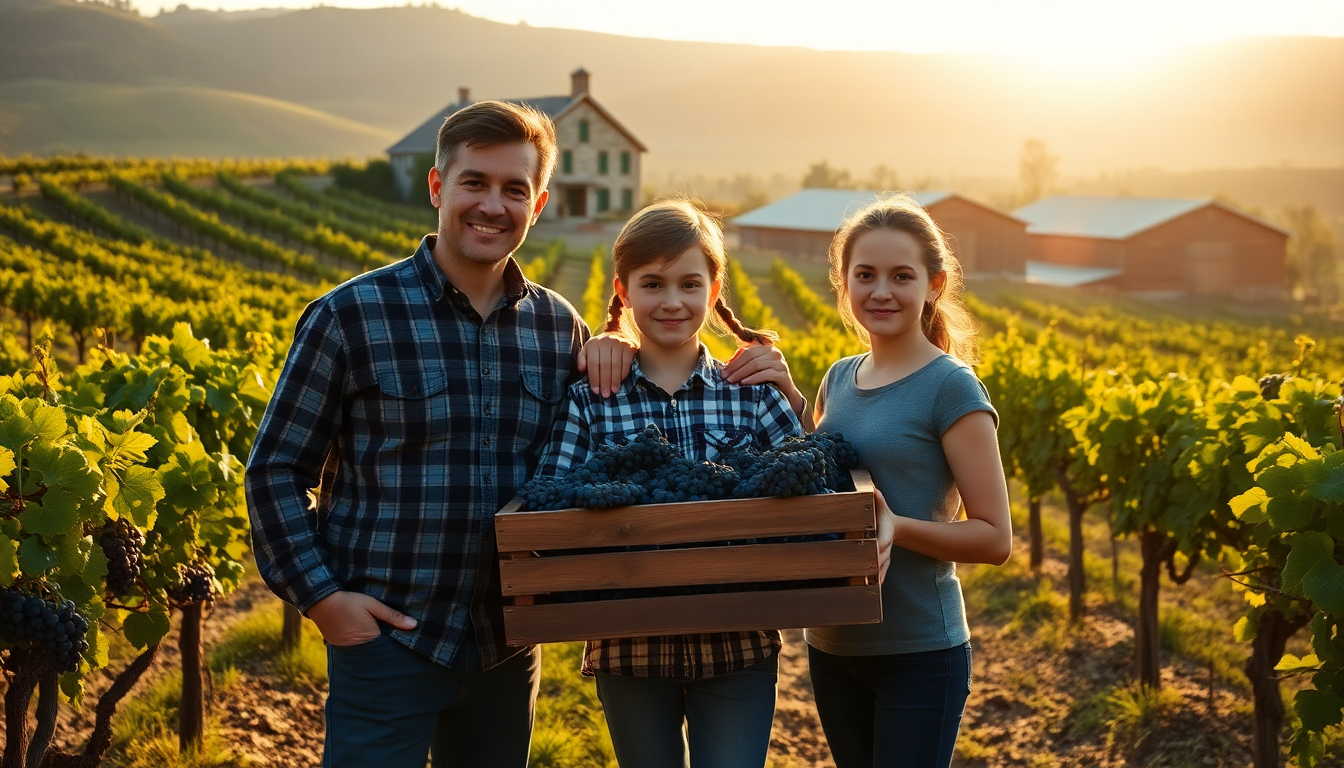
The wine industry has long been a domain of family enterprises, where generations pass down knowledge, traditions, and passion for viticulture. Curtis Family Vineyards stands as a testament to the power of sibling collaboration, demonstrating how three individuals with shared values and complementary skills can transform a vision into a thriving wine business. This comprehensive exploration delves into the journey of building and maintaining a family wine operation, examining the unique challenges, opportunities, and rewards that come with combining family bonds and business acumen in the vineyard.
The story of Curtis Family Vineyards is not merely about producing exceptional wines, though that is certainly a cornerstone of their success. It is about three siblings who chose to work together, leveraging their individual strengths while navigating the complexities of family dynamics in a professional setting. Their journey offers valuable insights for anyone considering a family business venture, particularly in the agricultural and wine production sectors.
The Foundation: How It All Began
Every successful family business has a beginning, a moment when someone decides to take a leap of faith and pursue a dream. For Curtis Family Vineyards, this journey began with a shared passion for wine and a deep connection to the land. The three Curtis siblings grew up in a household where appreciation for quality wine and agricultural stewardship were fundamental values.
The decision to establish a vineyard was not made overnight. It required years of planning, research, and preparation. The siblings spent considerable time studying viticulture, visiting established vineyards, and understanding the intricacies of wine production. They recognized that success in this industry demanded not just passion but also technical knowledge, business acumen, and unwavering commitment.
The initial investment in establishing Curtis Family Vineyards was substantial. The siblings had to secure land suitable for grape cultivation, invest in equipment, and build the necessary infrastructure for wine production. This required significant financial resources, careful planning, and a willingness to take calculated risks. The decision to invest their own capital demonstrated their confidence in the venture and their commitment to its success.
Understanding the Wine Industry
Before diving deeper into the Curtis Family Vineyards story, it is essential to understand the broader context of the wine industry. The wine business is complex, multifaceted, and highly competitive. Success requires knowledge spanning multiple disciplines: agriculture, chemistry, business management, marketing, and customer relations.
The wine industry operates on long timelines. Unlike many businesses that can see returns on investment within months or a few years, vineyards typically require three to five years before producing their first significant harvest. This extended timeline demands patience, financial stability, and unwavering belief in the long-term vision. For the Curtis siblings, understanding and accepting this reality was crucial to their planning and execution.
Quality wine production depends on numerous factors, many of which are beyond human control. Weather patterns, soil composition, pest management, and disease prevention all play critical roles in determining the success of a vintage. The siblings had to develop expertise in managing these variables while maintaining consistent quality standards across different growing seasons.
The wine market is also highly competitive and increasingly saturated. Consumers have access to wines from around the world, and establishing a distinctive brand identity is essential for success. Curtis Family Vineyards had to develop a unique value proposition and effectively communicate it to their target market.
The Three Siblings: Individual Strengths and Roles
The success of Curtis Family Vineyards is largely attributable to the complementary skills and strengths of the three siblings. Each brought unique expertise and perspectives to the venture, creating a well-rounded team capable of addressing the diverse challenges of running a wine business.
The Viticulturist
One sibling specialized in viticulture, the science and art of grape cultivation. This individual spent years studying soil science, plant biology, and vineyard management techniques. Their expertise in understanding grape varieties, optimal growing conditions, and sustainable farming practices became the backbone of Curtis Family Vineyards' agricultural operations. This sibling's deep knowledge of the land and plants ensured that the vineyard produced high-quality grapes, which are the foundation of exceptional wine.
The viticulturist's role extended beyond simply growing grapes. They were responsible for making critical decisions about which grape varieties to plant, how to manage the vineyard through different seasons, and how to adapt to changing environmental conditions. Their scientific approach to problem-solving and their passion for sustainable agriculture helped establish Curtis Family Vineyards as a quality-focused operation.
The Winemaker
The second sibling pursued formal training in winemaking and enology, the science of wine production. This individual understood the complex chemistry involved in fermentation, aging, and blending. Their expertise in transforming grapes into finished wine products was invaluable. The winemaker's role involved making crucial decisions about fermentation temperatures, aging duration, oak selection, and blending ratios that ultimately determined the character and quality of the final product.
Beyond technical expertise, the winemaker brought creativity and innovation to the operation. They experimented with different techniques, explored new flavor profiles, and continuously sought to improve the quality and distinctiveness of Curtis Family Vineyards' wines. Their passion for the craft and commitment to excellence became evident in every bottle produced.
The Business Manager
The third sibling took on the business and marketing responsibilities. This individual handled financial management, strategic planning, marketing, and customer relations. While the other two siblings focused on production, the business manager ensured that Curtis Family Vineyards operated as a viable commercial enterprise. They developed business strategies, managed finances, handled regulatory compliance, and built relationships with distributors and retailers.
The business manager's role was equally critical to the operation's success. Without effective business management, even the finest wines would struggle to reach consumers and generate revenue. This sibling's ability to balance financial prudence with strategic investment, and their skill in marketing and brand development, helped establish Curtis Family Vineyards as a recognized name in the wine industry.
Building the Vineyard: From Vision to Reality
Transforming the vision of Curtis Family Vineyards into reality required careful planning and execution across multiple domains. The siblings had to make numerous critical decisions that would shape the vineyard's character and determine its long-term success.
Site Selection and Land Acquisition
The first major decision involved selecting the right location for the vineyard. Grape cultivation is highly dependent on climate, soil composition, and topography. The siblings conducted extensive research to identify regions with optimal conditions for their chosen grape varieties. They considered factors such as temperature ranges, rainfall patterns, soil pH levels, and drainage characteristics.
Once they identified a suitable region, the process of acquiring land began. This involved negotiating with landowners, conducting soil analysis, and assessing the property's suitability for vineyard development. The siblings invested in professional consultations to ensure they were making an informed decision. The land they ultimately selected offered excellent potential for producing high-quality grapes.
Vineyard Development and Infrastructure
With land secured, the siblings began the process of developing the vineyard. This involved clearing and preparing the soil, installing irrigation systems, and establishing the physical infrastructure necessary for vineyard operations. They invested in modern equipment and technology to optimize grape production and ensure efficient operations.
The development phase also included decisions about vineyard layout, row spacing, and trellis systems. These seemingly technical decisions had significant implications for grape quality, ease of harvesting, and long-term vineyard management. The viticulturist sibling's expertise was invaluable during this phase, ensuring that every aspect of the physical development aligned with best practices in viticulture.
Grape Variety Selection
One of the most consequential decisions involved selecting which grape varieties to cultivate. This decision would influence the types of wines Curtis Family Vineyards could produce and would shape the vineyard's identity in the market. The siblings conducted extensive research into different varieties, considering factors such as their suitability to the local climate, market demand, and their personal preferences.
They ultimately decided to focus on a carefully curated selection of varieties that would allow them to produce distinctive wines while maintaining quality standards. This decision reflected both their commitment to quality and their understanding of market dynamics. Rather than attempting to produce every type of wine, they chose to specialize, which allowed them to develop expertise and build a distinctive brand identity.
The Production Process: From Grape to Glass
Understanding Curtis Family Vineyards' success requires examining their approach to wine production. The siblings implemented rigorous quality control measures and adopted best practices throughout the production process.
Harvesting and Grape Processing
The harvest season is one of the most critical periods in wine production. Timing is essential, as grapes must be harvested at optimal ripeness to produce quality wine. The siblings developed protocols for monitoring grape ripeness and determining the ideal harvest date. They invested in skilled labor and modern harvesting equipment to ensure that grapes were handled carefully and processed efficiently.
Once harvested, grapes undergo processing to prepare them for fermentation. This involves crushing, destemming, and sometimes skin contact, depending on the type of wine being produced. The winemaker sibling oversaw this process, making decisions based on their understanding of how different processing methods would influence the final product's characteristics.
Fermentation and Aging
Fermentation is the process by which yeast converts grape sugars into alcohol, creating wine. This process is both a science and an art. The winemaker carefully controlled fermentation temperatures, monitored progress, and made adjustments as needed. Different fermentation temperatures and durations produce different flavor profiles and wine characteristics.
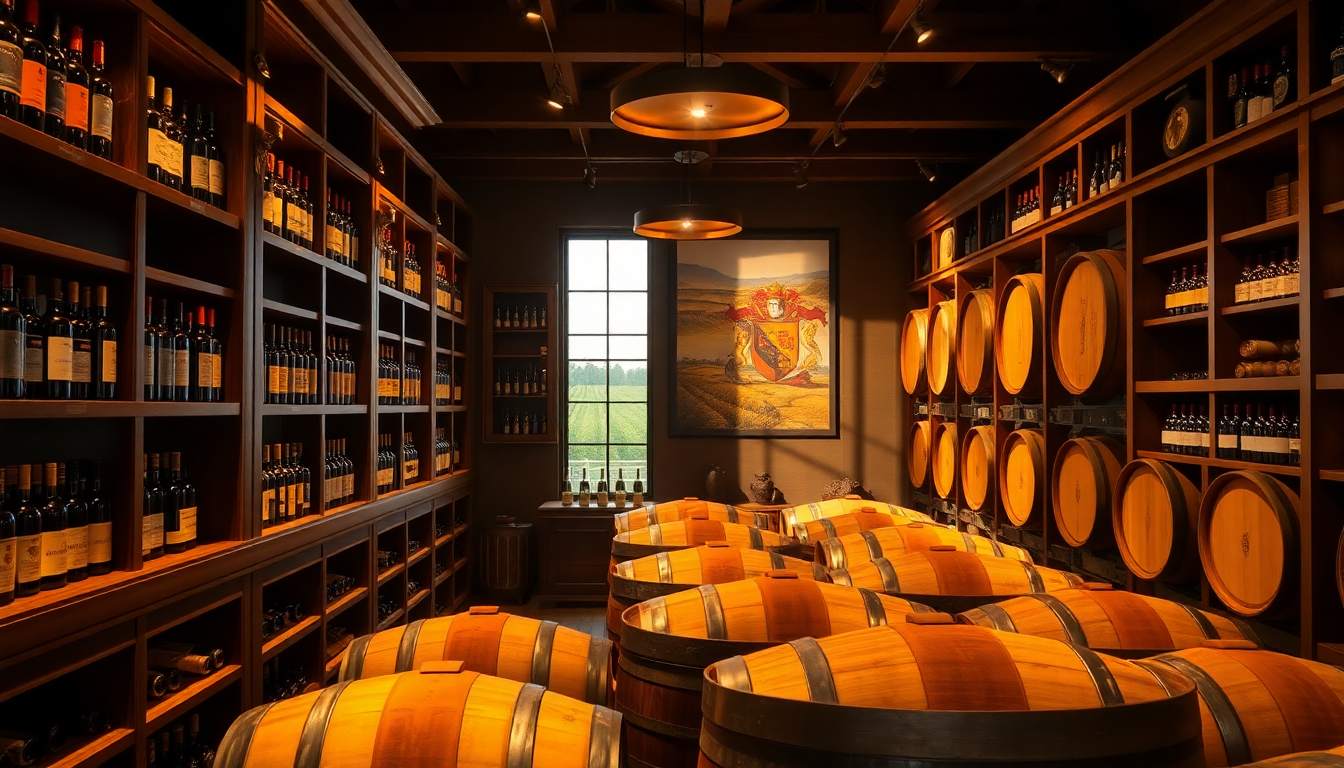
After fermentation, many wines undergo aging in barrels or tanks. This aging process allows flavors to develop and mature. The siblings invested in quality oak barrels and made decisions about aging duration based on their understanding of how different wines would benefit from extended aging. Some wines were aged for months, while others underwent longer aging periods of several years.
Blending and Bottling
Before bottling, many wines undergo blending, where different lots or vintages are combined to achieve desired flavor profiles and consistency. The winemaker made blending decisions based on their sensory evaluation and understanding of how different wines would complement each other. This blending process allowed Curtis Family Vineyards to create distinctive wines with consistent character across vintages.
The bottling process itself requires careful attention to detail. The siblings invested in modern bottling equipment and implemented strict quality control measures to ensure that every bottle met their standards. They also invested in attractive, distinctive bottle designs and labels that communicated the vineyard's identity and values to consumers.
Navigating Family Dynamics in Business
While the technical and business aspects of running Curtis Family Vineyards are important, the human element is equally critical. The siblings had to navigate the unique challenges of working together as family members while maintaining professional standards and making objective business decisions.
Communication and Decision-Making
Effective communication is essential in any business, but it becomes even more critical in family enterprises. The Curtis siblings established clear communication protocols and decision-making processes. They held regular meetings to discuss operations, address challenges, and plan for the future. These meetings provided opportunities to share information, debate different perspectives, and reach consensus on important decisions.
The siblings recognized that family relationships could sometimes complicate business decisions. To address this, they established guidelines for separating personal relationships from business matters. They agreed to make decisions based on what was best for the business, even if this sometimes meant disagreeing with a family member's preference. This professional approach helped them avoid conflicts that could damage both the business and their personal relationships.
Conflict Resolution
Despite their best efforts to maintain professionalism, conflicts inevitably arose. The siblings had to develop mechanisms for addressing disagreements constructively. They recognized that different perspectives could lead to better decisions if managed properly. Rather than viewing conflict as something to be avoided, they learned to see it as an opportunity for deeper analysis and more thoughtful decision-making.
The siblings established a culture where disagreement was acceptable as long as it was respectful and focused on the issue at hand rather than personal attacks. They learned to listen to each other's perspectives, understand the reasoning behind different viewpoints, and work toward solutions that incorporated the best ideas from all parties.
Succession Planning and Long-Term Sustainability
As the Curtis siblings built their business, they also thought about its long-term future. They recognized the importance of succession planning and ensuring that the business could continue beyond their active involvement. They discussed how the business might evolve, who might eventually take over leadership roles, and how to preserve the values and quality standards that defined Curtis Family Vineyards.
These conversations about succession were sometimes difficult, as they touched on sensitive issues about power, control, and the future direction of the business. However, the siblings' commitment to open communication and their shared values helped them navigate these discussions productively.
Marketing and Brand Development
In today's competitive wine market, producing excellent wine is necessary but not sufficient for success. Curtis Family Vineyards had to develop a strong brand identity and effectively communicate their story to consumers.
Defining the Brand Identity
The siblings recognized that their brand identity should reflect their values, their approach to winemaking, and what made Curtis Family Vineyards distinctive. They developed a brand story that emphasized their family heritage, their commitment to quality, and their sustainable farming practices. This story resonated with consumers who valued authenticity and were willing to pay premium prices for wines produced by family operations with strong values.
The brand identity extended to visual elements, including the vineyard's logo, label designs, and overall aesthetic. The siblings invested in professional design services to ensure that their visual identity was distinctive, memorable, and communicated their brand values effectively.
Distribution and Sales Channels
Getting wine to consumers requires navigating complex distribution channels. The siblings had to decide whether to sell directly to consumers through a tasting room and online sales, or to work with distributors and retailers. They ultimately adopted a multi-channel approach, recognizing that different channels served different customer segments and maximized their reach.
The direct-to-consumer channel allowed Curtis Family Vineyards to build relationships with customers, gather feedback, and maintain higher profit margins. The tasting room became not just a sales venue but also a destination where visitors could learn about the vineyard's story and experience the wines in a welcoming environment.
Working with distributors and retailers expanded their reach to consumers who might not visit the vineyard directly. The siblings carefully selected distribution partners who shared their commitment to quality and understood their brand values.
Digital Marketing and Online Presence
In the modern era, a strong online presence is essential for any business. Curtis Family Vineyards developed a comprehensive digital marketing strategy that included a professional website, social media presence, and email marketing. These digital channels allowed them to reach potential customers, share their story, and build community around their brand.
The website served as a central hub where customers could learn about the vineyard, view their wine offerings, read about their winemaking philosophy, and make purchases. Social media platforms allowed them to share behind-the-scenes content, engage with customers, and build a community of wine enthusiasts who appreciated their approach.
Sustainability and Environmental Stewardship
The Curtis siblings recognized that long-term success required not just financial viability but also environmental sustainability. They implemented practices designed to minimize their environmental impact and preserve the land for future generations.
Sustainable Viticulture Practices
The viticulturist sibling championed sustainable farming practices that reduced reliance on chemical pesticides and fertilizers. They implemented integrated pest management strategies that used natural predators and other biological controls to manage pests. They also invested in soil health through cover cropping, composting, and minimal tillage practices.
These sustainable practices offered multiple benefits. They reduced environmental impact, improved long-term soil health, and often resulted in higher-quality grapes. Consumers increasingly valued wines produced using sustainable methods, so these practices also provided marketing advantages.
Water Management
Water is a critical resource in vineyard operations, and the siblings recognized the importance of using it efficiently. They invested in modern irrigation systems that delivered water precisely where needed, minimizing waste. They also implemented rainwater harvesting systems and explored other water conservation strategies.
Energy Efficiency and Carbon Footprint
The siblings also focused on reducing their energy consumption and carbon footprint. They invested in energy-efficient equipment, explored renewable energy options, and implemented practices designed to minimize waste throughout their operations. These efforts reflected their commitment to environmental stewardship and also helped reduce operating costs.
Challenges and Obstacles
The journey of building Curtis Family Vineyards was not without challenges. The siblings faced numerous obstacles that tested their commitment and required creative problem-solving.
Financial Challenges
Starting a vineyard requires substantial capital investment, and the extended timeline before profitability creates significant financial pressure. The siblings had to manage cash flow carefully, make strategic decisions about capital allocation, and sometimes make difficult choices about which investments to prioritize. They also had to navigate the challenge of obtaining financing, as banks are often hesitant to lend to agricultural ventures with uncertain returns.
Market Competition
The wine industry is highly competitive, with established producers and new entrants constantly vying for market share. Curtis Family Vineyards had to differentiate themselves in a crowded market and convince consumers to choose their wines over countless alternatives. This required not just producing excellent wine but also developing effective marketing strategies and building strong customer relationships.
Weather and Environmental Challenges
Grape cultivation is subject to numerous environmental variables beyond human control. Unexpected frost, excessive rain, drought, or pest infestations can devastate a vintage. The siblings had to develop strategies for managing these risks, including crop insurance, diversified grape varieties, and adaptive management practices.
Regulatory and Compliance Issues
The wine industry is heavily regulated, with requirements related to labeling, alcohol content, health and safety, and environmental protection. The siblings had to navigate complex regulatory requirements and ensure that their operations remained in compliance. This required ongoing education and sometimes consultation with legal and regulatory experts.
Staffing and Labor
As the vineyard grew, the siblings needed to hire and manage employees. Finding skilled workers, training them in the vineyard's practices and values, and maintaining consistent quality standards across a growing team presented challenges. The siblings had to develop effective management practices and create a workplace culture that attracted and retained quality employees.
Growth and Expansion
As Curtis Family Vineyards established itself and achieved initial success, the siblings faced decisions about growth and expansion. They had to balance their desire to grow the business with their commitment to maintaining quality standards and preserving

Leave a comment
This site is protected by hCaptcha and the hCaptcha Privacy Policy and Terms of Service apply.