

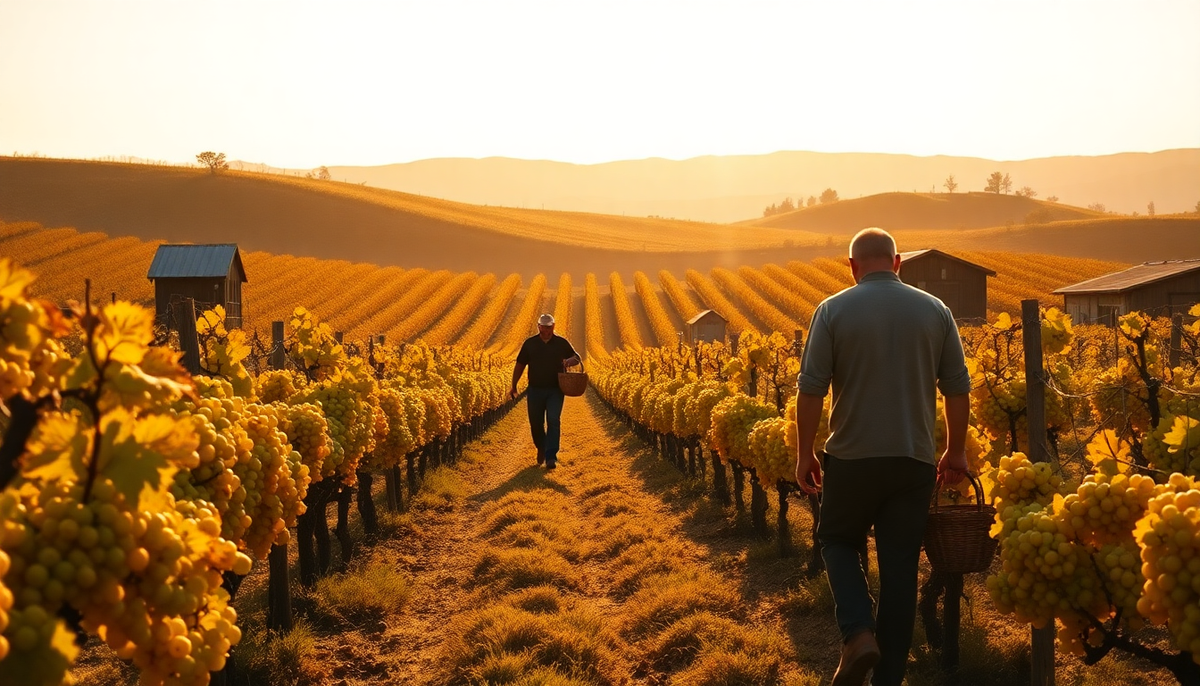
Harvest season is the most magical time of year at Curtis Family Vineyards. It's a period filled with anticipation, hard work, tradition, and the promise of exceptional wines to come. For those who have never experienced a vineyard during harvest, it's difficult to fully appreciate the complexity, dedication, and artistry that goes into bringing grapes from vine to bottle. This comprehensive guide will take you on a journey through the harvest season at Curtis Family Vineyards, exploring every aspect of this crucial time in the winemaking calendar.
Understanding Harvest Season
Harvest season, also known as vintage season, typically occurs in late summer and early fall, though the exact timing varies depending on the region, grape variety, and weather conditions. At Curtis Family Vineyards, harvest season is a carefully orchestrated event that requires months of preparation and planning. The timing of harvest is one of the most critical decisions a winemaker must make, as it directly impacts the quality and character of the final wine.
The Importance of Timing
The decision of when to harvest grapes is not made lightly. Winemakers at Curtis Family Vineyards spend weeks monitoring the ripeness of their grapes, checking sugar levels, acidity, and phenolic maturity. This process, known as phenological monitoring, involves regular tastings and laboratory analysis to determine the optimal harvest date. Too early, and the grapes won't have developed enough sugar and flavor complexity. Too late, and the grapes may become overripe, resulting in wines that lack balance and freshness.
The team at Curtis Family Vineyards uses a combination of traditional methods and modern technology to assess grape ripeness. Refractometers measure the sugar content, while pH meters and titratable acidity tests provide information about the grape's acid levels. Additionally, the winemakers conduct sensory evaluations, tasting the grapes to assess their flavor development and seed maturity. This multi-faceted approach ensures that harvest decisions are made with precision and confidence.
Factors Affecting Harvest Timing
Several environmental and viticultural factors influence when Curtis Family Vineyards decides to harvest. Weather patterns throughout the growing season play a significant role. A warm, dry summer promotes sugar accumulation and phenolic ripeness, while cool nights help preserve acidity and aromatic compounds. Rain just before harvest can dilute the grapes, so the team monitors weather forecasts closely.
The age of the vines also affects harvest timing. Younger vines typically produce grapes that ripen later than those from mature vines. At Curtis Family Vineyards, where some vineyard blocks have been producing for decades, the winemakers have accumulated extensive knowledge about how each block ripens and what harvest date produces the best results.
Preparation for Harvest
The weeks leading up to harvest are intense and demanding. The entire operation at Curtis Family Vineyards must be prepared to handle the influx of grapes that will arrive during the harvest period. This preparation begins months in advance and involves every department of the winery.
Equipment Maintenance and Setup
One of the first steps in harvest preparation is ensuring that all equipment is in perfect working order. The crushing equipment, destemming machines, fermentation tanks, and all other machinery must be thoroughly cleaned, inspected, and serviced. At Curtis Family Vineyards, this process begins in late spring, well before harvest arrives.
The winery's crush pad, where grapes are initially processed, is completely cleaned and sanitized. All hoses, pumps, and connections are checked for leaks or damage. The fermentation tanks, whether stainless steel, concrete, or wooden vessels, are inspected and cleaned. Any equipment that hasn't been used since the previous vintage is brought out of storage and tested to ensure it functions properly.
Staffing and Training
Harvest is labor-intensive, and Curtis Family Vineyards must ensure it has adequate staffing to handle the volume of work. The winery typically brings on seasonal workers to supplement its permanent staff. These workers must be trained on proper harvesting techniques, safety procedures, and the specific protocols used at Curtis Family Vineyards.
Training sessions cover topics such as how to identify ripe grapes, proper cutting techniques to avoid damaging the fruit, and how to handle grapes gently to minimize oxidation and damage. Workers learn about the different vineyard blocks and any special instructions for harvesting specific areas. Safety training is paramount, as harvest involves working in vineyards, operating machinery, and handling heavy loads.
Logistics and Planning
Harvest logistics are complex and require careful planning. Curtis Family Vineyards must coordinate the timing of harvest across multiple vineyard blocks, each of which may ripen at different times. The winery must also arrange for transportation of grapes from the vineyards to the winery, ensuring that grapes are transported quickly to minimize oxidation and maintain quality.
The winery creates detailed harvest schedules that outline which vineyard blocks will be harvested on which days. These schedules are flexible and can be adjusted based on weather conditions and grape ripeness assessments. The team also plans for contingencies, such as unexpected weather events or equipment failures.
The Harvest Process
When harvest day arrives, the vineyards at Curtis Family Vineyards come alive with activity. The process of bringing in the grapes is a carefully choreographed operation that involves numerous steps and requires coordination among many team members.
Hand Harvesting vs. Machine Harvesting
Curtis Family Vineyards employs both hand harvesting and mechanical harvesting, depending on the vineyard block and the type of wine being produced. Hand harvesting allows for selective picking, where only the ripest grapes are chosen, and damaged or unripe grapes are left behind. This method is more labor-intensive and expensive but can result in higher quality fruit.
Hand harvesters work in teams, moving through the vineyard rows with pruning shears, carefully cutting grape clusters from the vines. The grapes are placed in small bins or buckets, which are then transferred to larger containers for transport to the winery. The work is physically demanding, requiring workers to bend, reach, and carry heavy loads in sometimes hot and dusty conditions.
Mechanical harvesting, on the other hand, uses machines that shake the vines, causing grapes to fall onto a conveyor belt. This method is faster and less expensive but can result in more damaged grapes and less selective harvesting. Curtis Family Vineyards uses mechanical harvesting for some vineyard blocks, particularly those designated for more approachable, fruit-forward wines where slight damage to the grapes is less of a concern.
Transportation and Initial Processing
Once grapes are harvested, they must be transported to the winery quickly. At Curtis Family Vineyards, grapes are transported in open bins or in refrigerated trucks, depending on the distance and weather conditions. The goal is to minimize the time between harvest and processing, as grapes begin to oxidize and ferment naturally once they're picked.
Upon arrival at the winery, grapes are weighed and sampled for quality control. The winery records the weight of each load and the vineyard block it came from, maintaining detailed records that will be used throughout the winemaking process. Samples are analyzed for sugar content, acidity, and other parameters.
The grapes then move to the crush pad, where they are processed. For red wines, the grapes are typically crushed and destemmed, a process that breaks the skins to release the juice while removing the stems. For white wines, the grapes may be pressed whole or crushed gently, depending on the winemaker's preferences and the style of wine being produced.
Fermentation Begins
After crushing, the grape must (the mixture of juice, skins, seeds, and stems) is transferred to fermentation vessels. At Curtis Family Vineyards, fermentation vessels vary depending on the wine style and winemaker's preferences. Some wines ferment in stainless steel tanks, which provide temperature control and a clean, neutral environment. Others ferment in wooden barrels, which impart oak flavors and allow for subtle oxidation.
Before fermentation begins, the winemaker may add yeast to ensure a vigorous fermentation. Some winemakers prefer to use wild yeasts naturally present on the grape skins, a practice known as spontaneous or native fermentation. Curtis Family Vineyards uses both approaches, depending on the wine and the winemaker's goals.
Fermentation is an exothermic process, meaning it generates heat. Temperature control is crucial, as it affects the rate of fermentation and the flavors that develop. Stainless steel tanks can be cooled with glycol jackets or other cooling systems, while barrel fermentations are typically managed through the ambient temperature of the winery's cellar.
The Harvest Crew Experience
The people who work during harvest are the backbone of the operation. Understanding their experience provides insight into the human side of winemaking at Curtis Family Vineyards.
Daily Life During Harvest
Harvest workers at Curtis Family Vineyards typically start their day before dawn, heading to the vineyards as soon as there's enough light to work. The early start helps avoid the hottest part of the day and ensures that grapes are harvested while they're still cool. Workers spend hours in the vineyard, moving methodically through the rows, cutting grape clusters and placing them in containers.
The work is repetitive and physically demanding. Workers must maintain focus and attention to detail, ensuring that they're harvesting ripe grapes and leaving unripe fruit behind. Breaks are taken periodically to rest and hydrate. Many harvest workers develop a rhythm and camaraderie with their teammates, making the work more enjoyable despite its physical demands.
Back at the winery, other team members are equally busy. The crush pad is a hive of activity, with grapes arriving constantly and being processed into must. Tank workers monitor fermentation, taking temperature readings and performing punch-downs or pump-overs to manage the fermentation process. Lab technicians analyze samples and provide data to the winemaker.
The Harvest Community
Harvest season brings together people from diverse backgrounds and experiences. At Curtis Family Vineyards, the harvest crew includes permanent staff members, seasonal workers, and sometimes volunteers or interns. This mix of people creates a unique community united by the common goal of bringing in a successful harvest.
Many seasonal workers return to Curtis Family Vineyards year after year, becoming part of the extended family. Some have worked at the vineyard for decades, and their experience and knowledge are invaluable. These veteran harvest workers often mentor newer workers, passing down techniques and traditions.
The winery recognizes the importance of its harvest crew and works to create a positive, supportive work environment. Many wineries, including Curtis Family Vineyards, provide meals for harvest workers, creating opportunities for the team to bond and celebrate their collective efforts. Some wineries host harvest festivals or celebrations, turning the intense work period into a memorable experience.
Monitoring Fermentation
Once fermentation has begun, the winemaker's focus shifts to monitoring and managing the fermentation process. This is a critical period that requires constant attention and careful decision-making.
Temperature Management
Temperature control during fermentation is one of the most important factors affecting wine quality. Different yeast strains have optimal temperature ranges, and fermentation temperature influences the flavors and aromas that develop. Cooler fermentations tend to produce more delicate, fruity wines, while warmer fermentations can produce bolder, more robust wines.
At Curtis Family Vineyards, the winemaking team monitors fermentation temperatures closely. For tank fermentations, temperature is controlled using cooling systems. For barrel fermentations, the winemaker relies on the ambient temperature of the cellar and may move barrels to different locations within the winery to adjust temperature.
Sampling and Analysis
Throughout fermentation, the winemaker takes regular samples to monitor progress. These samples are analyzed for residual sugar, alcohol content, pH, and other parameters. The winemaker tastes the samples, assessing flavor development and the overall character of the wine.
At Curtis Family Vineyards, the winemaker typically samples fermentations daily during the active fermentation phase. As fermentation slows and approaches completion, sampling may become less frequent. The data collected during these samplings helps the winemaker make decisions about when to press the wine, when to rack it, and what adjustments, if any, need to be made.
Managing Fermentation Issues
Sometimes fermentations don't proceed as planned. A fermentation might slow or stop prematurely, leaving residual sugar in the wine. This can happen due to temperature fluctuations, nutrient deficiencies, or other factors. When this occurs, the winemaker must take corrective action.
At Curtis Family Vineyards, the winemaking team has protocols for addressing stuck fermentations. These might include warming the wine, adding yeast nutrients, or inoculating with fresh yeast. The goal is to restart fermentation and complete the conversion of sugar to alcohol.
Another potential issue is volatile acidity, which can develop if the wine is exposed to oxygen or if acetic acid bacteria contaminate the must. The winemaking team at Curtis Family Vineyards monitors for signs of volatile acidity and takes preventive measures, such as maintaining proper sanitation and managing oxygen exposure.
Post-Harvest Processing
As fermentation nears completion, the focus shifts to post-harvest processing and the next stages of winemaking.
Pressing and Separation
For red wines, after fermentation is complete or nearly complete, the wine is separated from the solids (skins, seeds, and stems). This process, called pressing, involves transferring the wine to a press, where pressure is applied to extract any remaining wine from the solids.
At Curtis Family Vineyards, the winery uses a combination of traditional basket presses and modern pneumatic presses. The free-run wine, which flows out of the fermentation vessel without pressing, is typically of higher quality and is often kept separate from the pressed wine. The pressed wine, which is extracted under pressure, can be more tannic and astringent but adds structure and complexity to the final blend.
The winemaker decides how much pressed wine to blend back into the free-run wine, if any. This decision affects the final character of the wine. Some wines might use only free-run wine, while others might incorporate a percentage of pressed wine to add structure.
Malolactic Fermentation
After the primary fermentation is complete, many red wines undergo a secondary fermentation called malolactic fermentation. This process, carried out by lactic acid bacteria, converts malic acid (which is sharp and tart) into lactic acid (which is softer and rounder). This fermentation adds complexity and softens the wine's acidity.
At Curtis Family Vineyards, malolactic fermentation can occur spontaneously, or the winemaker can inoculate the wine with specific lactic acid bacteria to ensure it occurs. The timing and management of malolactic fermentation is another important decision that affects the final wine's character.
Racking and Clarification
As fermentation progresses and the wine settles, sediment accumulates at the bottom of the fermentation vessel. This sediment, called lees, consists of dead yeast cells and other particles. The wine is periodically transferred to clean vessels, leaving the lees behind. This process, called racking, helps clarify the wine and prevents off-flavors that can develop if the wine sits too long on the lees.
At Curtis Family Vineyards, the winemaker determines the racking schedule based on the wine's development and the winemaker's preferences. Some wines might be racked multiple times during the first year, while others might be racked less frequently. The decision depends on the wine style and the winemaker's goals.
Aging and Maturation
After the initial processing, the wine enters the aging phase, where it develops complexity and refinement.
Oak Aging
Many of Curtis Family Vineyards' wines are aged in oak barrels. Oak aging imparts flavors and aromas, including vanilla, spice, and toasted notes, and allows for subtle oxidation that can add complexity. The choice of oak type, barrel age, and length of aging all influence the final wine.
At Curtis Family Vineyards, the winemaker selects oak barrels based on the wine style and desired flavor profile. New oak barrels impart more intense oak flavors, while older barrels contribute more subtle oak characteristics. The winemaker might use a combination of new and neutral barrels to achieve the desired balance.
The length of oak aging varies depending on the wine. Some wines might spend six months in oak, while others might spend two years or more. The winemaker monitors the wine's development during aging, tasting periodically to assess how the wine is evolving and when it's ready to be bottled.
Stainless Steel Aging
Not all Curtis Family Vineyards wines are aged in oak. Some wines are aged in stainless steel tanks, which provide a neutral environment that allows the wine's fruit characteristics to shine. Stainless steel aging is often used for white wines and some lighter red wines where the winemaker wants to preserve fresh, fruity flavors.
Blending
As the aging period nears completion, the winemaker begins to think about blending. Many wines are blends of different grape varieties, different vineyard blocks, or different barrel lots. The winemaker tastes various combinations, deciding which components to blend together to create the final wine.
Blending is both an art and a science. The winemaker considers how different components complement each other, how they balance in terms of acidity, tannins, and alcohol, and how they work together to create a harmonious whole. At Curtis Family Vineyards, blending decisions are made carefully, often involving multiple tastings and discussions among the winemaking team.
Quality Control and Testing
Throughout the harvest season and beyond, quality control

Leave a comment
This site is protected by hCaptcha and the hCaptcha Privacy Policy and Terms of Service apply.