

Introduction
Every great vineyard has a story, and Curtis Family Vineyards is no exception. What began as a passionate dream has blossomed into one of the most respected wine producers in the region. The journey of Curtis Family Vineyards is a testament to dedication, hard work, and an unwavering commitment to quality. In this comprehensive look back, we'll explore the origins of this remarkable establishment, the challenges overcome, and the vision that continues to guide the vineyard today.
The story of Curtis Family Vineyards is more than just a business narrative. It's a tale of family, tradition, and the pursuit of excellence in winemaking. From humble beginnings to becoming a recognized name in the wine industry, Curtis Family Vineyards has maintained its core values while adapting to the ever-changing landscape of viticulture and wine production. This blog post will take you through the pivotal moments that shaped the vineyard's history and the people who made it all possible.
The Early Days: A Dream Takes Root
The Vision Begins
The story of Curtis Family Vineyards begins with a simple yet powerful vision. The Curtis family, with generations of agricultural experience, recognized the potential of their land for grape cultivation. What started as a conversation around the dinner table about the possibility of creating something truly special eventually evolved into a concrete plan to establish a vineyard. The family saw an opportunity not just to grow grapes, but to create a legacy that would span generations.
The decision to venture into winemaking wasn't made lightly. The Curtis family spent considerable time researching the wine industry, studying soil conditions, and learning about the intricacies of viticulture. They understood that successful winemaking required more than just passion; it demanded knowledge, expertise, and a deep respect for the craft. This thoughtful approach to planning would become a hallmark of Curtis Family Vineyards' operations.
Selecting the Perfect Location
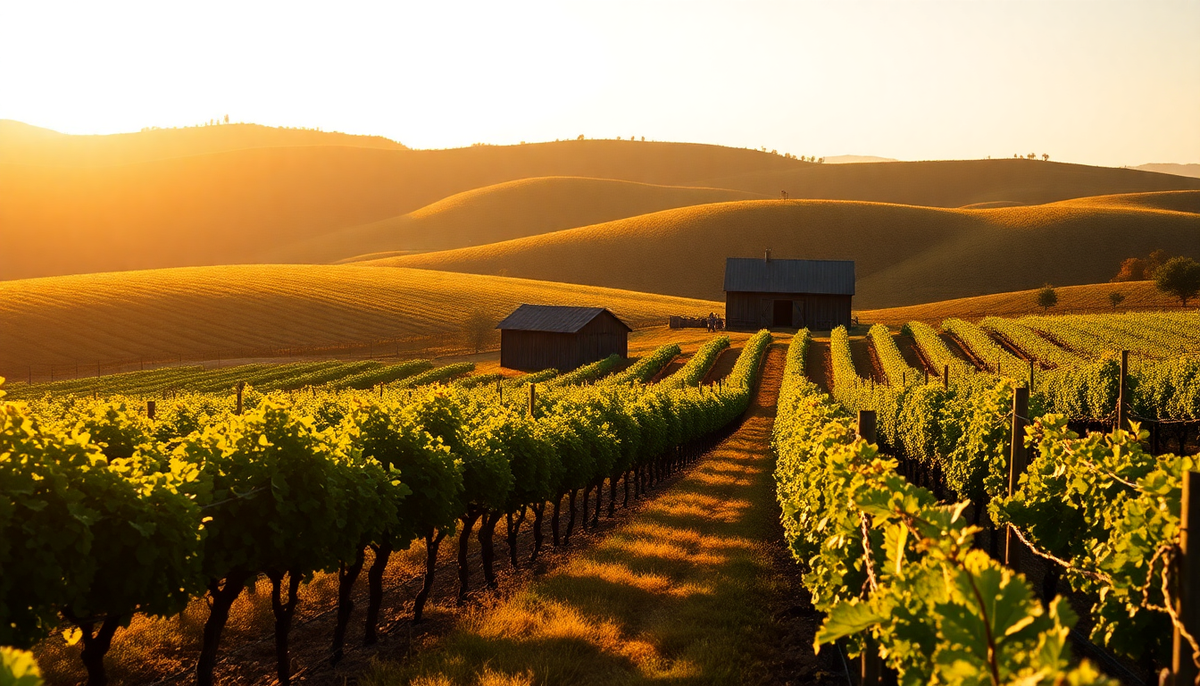
One of the most critical decisions in establishing a vineyard is choosing the right location. The Curtis family understood that terroir—the combination of soil, climate, and topography—plays a fundamental role in determining the quality of wine produced. After extensive research and consultation with viticulture experts, they identified a property that possessed all the necessary characteristics for producing exceptional wine.
The selected land offered the perfect balance of sunlight exposure, natural water drainage, and soil composition. The climate of the region provided the ideal growing conditions for various grape varieties, with warm days and cool nights that allow grapes to develop complex flavors while maintaining acidity. The family recognized that this location was truly special, and they were determined to make the most of it.
Initial Investments and Preparations
With the location secured, the Curtis family began the process of preparing the land for vineyard development. This involved significant financial investment and considerable physical labor. The family worked tirelessly to clear the land, conduct soil testing, and implement proper drainage systems. They consulted with agricultural specialists to ensure that every aspect of the land preparation met the highest standards.
The initial phase also included the construction of essential infrastructure. Irrigation systems were installed to ensure consistent water supply during dry periods. Access roads were developed to facilitate movement throughout the vineyard and to enable efficient harvesting operations. Storage facilities and a small winery building were constructed to house the equipment needed for wine production. Every decision made during this phase was guided by a commitment to quality and sustainability.
Building the Foundation: Early Operations
Planting the First Vines
The moment of truth arrived when the Curtis family planted their first vines. This was a significant milestone that represented years of planning and preparation finally coming to fruition. The family carefully selected grape varieties that would thrive in their specific terroir while also reflecting their vision for the wines they wanted to produce. The selection included both classic varieties and some more experimental choices that would allow them to develop a unique identity.
The planting process itself was meticulous. Each vine was positioned with precision, taking into account spacing requirements and future growth patterns. The family understood that the decisions made during this phase would influence the vineyard's productivity and the quality of grapes for years to come. They invested in high-quality rootstock and worked with experienced viticulturists to ensure that every vine had the best possible start.
Learning the Craft
As the vines began to grow, the Curtis family embarked on an intensive learning journey. They attended winemaking courses, visited other vineyards to observe best practices, and built relationships with experienced winemakers who could serve as mentors. This commitment to continuous learning became embedded in the vineyard's culture and remains a defining characteristic to this day.
The early years were filled with both successes and challenges. The family learned valuable lessons about pest management, disease prevention, and optimal harvesting times. They experimented with different fermentation techniques and aging processes, gradually developing their signature style. Each vintage brought new insights and opportunities for refinement, and the Curtis family approached each season with enthusiasm and a willingness to adapt.
The First Harvest
The first harvest at Curtis Family Vineyards was a momentous occasion. After years of preparation and careful cultivation, the vines had finally produced fruit ready for winemaking. The family approached this first harvest with a mixture of excitement and trepidation. They understood that this would be the true test of their planning and preparation.
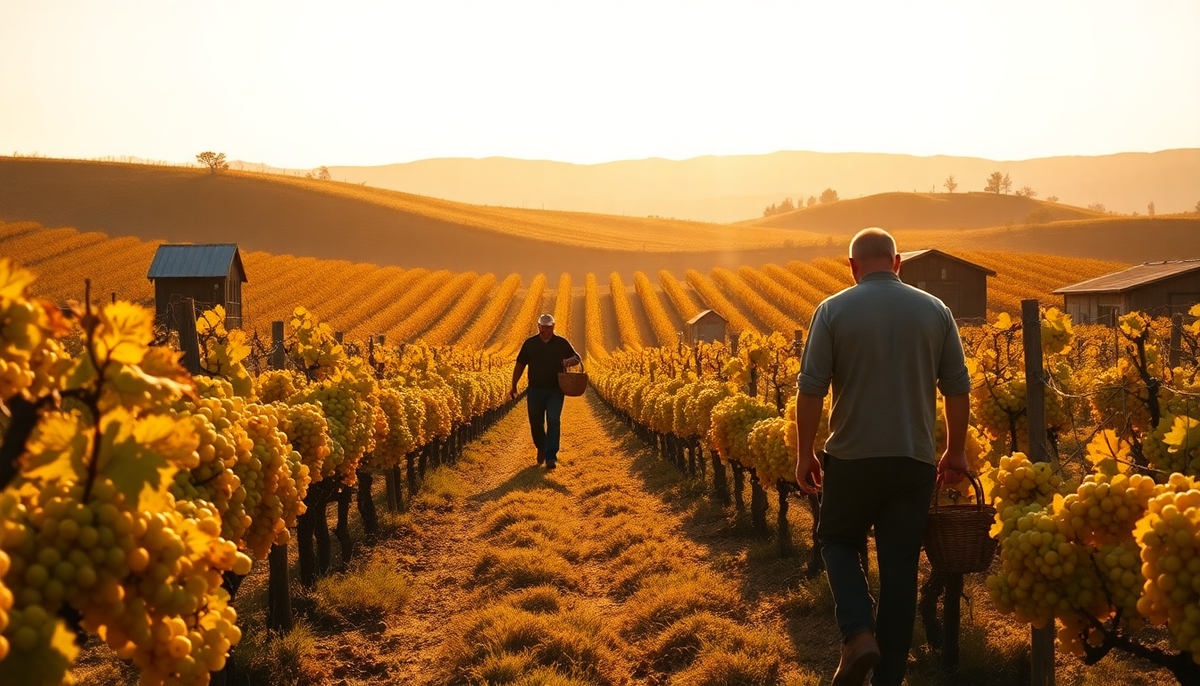
The harvest process was conducted with meticulous attention to detail. Grapes were hand-picked at optimal ripeness, carefully sorted, and transported to the winery for processing. The family worked alongside hired help, ensuring that every step of the process met their exacting standards. The first vintage represented not just the culmination of their efforts, but also the beginning of their journey as winemakers.
Establishing Identity: The Early Vintages
Developing the Signature Style
As Curtis Family Vineyards produced its first several vintages, the family began to develop a distinctive style that would become their signature. They experimented with different blending techniques, aging periods, and production methods, gradually refining their approach. The goal was to create wines that reflected both the unique characteristics of their terroir and the family's personal vision for quality and flavor.
The early vintages were not without their imperfections. Some batches didn't meet the family's high standards and were not released for sale. This commitment to quality over quantity became a cornerstone of the vineyard's philosophy. The Curtis family understood that building a reputation for excellence required the courage to reject anything that didn't measure up to their standards, even if it meant sacrificing short-term revenue.
Building Relationships with Distributors
As the vineyard began producing wine, the Curtis family faced the challenge of getting their product to market. They started by building relationships with local wine shops and restaurants, personally introducing their wines and sharing their story. These early relationships were crucial in establishing the vineyard's presence in the local market.
The family's personal approach to distribution set them apart from larger, more impersonal operations. They took time to understand what each retailer and restaurant was looking for, and they worked to ensure that Curtis Family Vineyards wines were presented in the best possible way. This hands-on approach to business relationships would become another defining characteristic of the vineyard.
Gaining Recognition
Word of mouth and the quality of their wines gradually led to increased recognition for Curtis Family Vineyards. Local wine enthusiasts began to seek out their bottles, and the vineyard started to develop a loyal following. Wine critics began to take notice, and positive reviews in regional publications helped to raise the vineyard's profile.
This early recognition was gratifying, but the Curtis family remained focused on their core mission: producing exceptional wine. They understood that building a sustainable business required consistency and continuous improvement. Rather than resting on their laurels, they used each success as motivation to push themselves further and to explore new possibilities.
Expansion and Growth: Taking the Next Steps
Expanding Vineyard Acreage
As demand for Curtis Family Vineyards wines grew, the family recognized the need to expand their production capacity. This led to the acquisition of additional land adjacent to their original vineyard. The expansion allowed them to plant more vines and increase their annual production while maintaining their commitment to quality.
The expansion process followed the same careful, deliberate approach that had characterized the vineyard's founding. New sections of land were prepared with the same attention to detail, and additional grape varieties were introduced to expand the range of wines the vineyard could produce. The family ensured that the expansion maintained the integrity of their operation and didn't compromise their values or standards.
Upgrading Winery Facilities
As production increased, the original winery building became insufficient to handle the volume of grapes and wine. The Curtis family invested in upgrading and expanding their winery facilities. New fermentation tanks, barrel storage areas, and bottling equipment were installed to accommodate increased production while maintaining the quality standards that had become synonymous with their name.
The facility upgrades also incorporated new technologies that improved efficiency and consistency. However, the family was careful to balance modernization with tradition, ensuring that technological advances enhanced rather than replaced the artisanal aspects of winemaking that were central to their identity. The expanded facilities became a point of pride for the family and a testament to their commitment to growth and excellence.
Hiring and Training Staff
With expansion came the need to hire additional staff. The Curtis family understood that the quality of their wines depended not just on their own efforts, but on the dedication and expertise of everyone involved in the operation. They invested heavily in recruiting talented individuals and providing comprehensive training programs.
The vineyard's culture of continuous learning and commitment to excellence was instilled in every new team member. The Curtis family believed that their employees were ambassadors for the vineyard, and they wanted everyone to understand and embrace the values that had guided the operation from its inception. This investment in people would prove to be one of the most important decisions the family made during the expansion phase.
Navigating Challenges: Overcoming Obstacles
Weather and Environmental Challenges
Like all vineyards, Curtis Family Vineyards has faced its share of environmental challenges. Unexpected frost, excessive rainfall, and drought conditions have all tested the family's resilience and problem-solving abilities. Each challenge presented an opportunity to learn and to develop new strategies for protecting the vineyard and ensuring consistent quality.
The family invested in advanced weather monitoring systems and worked with agricultural experts to develop contingency plans for various scenarios. They implemented sustainable practices that helped the vineyard adapt to changing environmental conditions while minimizing its impact on the surrounding ecosystem. These efforts not only helped the vineyard survive difficult years but also positioned it as a leader in sustainable viticulture.
Market Competition
As the wine industry evolved and competition increased, Curtis Family Vineyards faced the challenge of maintaining its market position while new competitors emerged. The family responded by doubling down on what made them unique: their commitment to quality, their personal relationships with customers, and their authentic story.
Rather than trying to compete on price or volume, Curtis Family Vineyards focused on building brand loyalty through consistent excellence and genuine engagement with their customers. They participated in wine tastings and festivals, hosted vineyard tours, and maintained open communication with their customer base. This approach helped the vineyard not just survive the increased competition but to thrive in a more crowded marketplace.
Economic Downturns
The wine industry, like all industries, has experienced economic cycles. Curtis Family Vineyards weathered several periods of economic uncertainty, including recessions that reduced consumer spending on premium wines. During these challenging times, the family had to make difficult decisions about production levels and pricing strategies.
However, the vineyard's strong foundation and loyal customer base helped it navigate these economic challenges. The family's long-term perspective and willingness to invest in quality even during difficult times paid dividends when the economy recovered. Their reputation for consistency and excellence made their wines attractive to consumers even when budgets were tight, as customers viewed Curtis Family Vineyards wines as a worthwhile investment.
Innovation and Evolution: Staying Relevant
Experimenting with New Varieties
While Curtis Family Vineyards maintained its commitment to classic grape varieties, the family also recognized the importance of innovation and experimentation. They began to experiment with newer varieties that showed promise in their terroir, carefully evaluating how these grapes performed and what wines they could produce.
These experiments led to the introduction of new wines that expanded the vineyard's portfolio and attracted new customers. However, the family was careful to ensure that any new additions to their lineup maintained the quality standards and distinctive character that had made Curtis Family Vineyards successful. Innovation was pursued thoughtfully, with each new product carefully evaluated before being added to the permanent lineup.
Embracing Technology
As technology advanced, Curtis Family Vineyards gradually incorporated new tools and systems that improved efficiency and consistency. From soil monitoring systems to advanced fermentation controls, technology was embraced as a means to enhance the winemaking process rather than replace the artisanal elements that defined the vineyard's identity.
The family invested in training their staff to use new technologies effectively, ensuring that technological advances translated into tangible improvements in wine quality and operational efficiency. This balanced approach to technology adoption positioned Curtis Family Vineyards as a modern vineyard that respected tradition while embracing progress.
Developing Agritourism Offerings
Recognizing the growing interest in wine tourism, Curtis Family Vineyards began to develop agritourism offerings that allowed visitors to experience the vineyard firsthand. Vineyard tours, wine tastings, and special events were introduced to give customers a deeper connection to the wines they enjoyed and to the story behind Curtis Family Vineyards.
These agritourism initiatives not only generated additional revenue but also served as powerful marketing tools. Visitors who experienced the vineyard firsthand became passionate advocates for Curtis Family Vineyards wines, sharing their experiences with friends and family. The personal connections formed during vineyard visits translated into long-term customer loyalty and word-of-mouth promotion that proved invaluable.
Building Community: The Human Element
Engaging with the Local Community
From its inception, Curtis Family Vineyards has been committed to being a positive force in the local community. The family has supported local schools, sponsored community events, and partnered with other local businesses to strengthen the regional economy. This commitment to community engagement has helped Curtis Family Vineyards develop deep roots in the area and build goodwill that extends far beyond the wine industry.
The vineyard has also become a gathering place for the community, hosting events that bring people together and celebrate the local culture. These events have helped to raise the profile of Curtis Family Vineyards while also contributing to the vitality and cohesion of the surrounding community. The family understands that their success is intertwined with the success of the community in which they operate.
Supporting Local Suppliers
Curtis Family Vineyards has made a conscious effort to support local suppliers and service providers whenever possible. From purchasing equipment and supplies to hiring contractors for various projects, the vineyard has prioritized working with local businesses. This commitment to local economic development has created a network of relationships that benefits everyone involved.
By supporting local suppliers, Curtis Family Vineyards has also ensured that the quality of materials and services meets their exacting standards. Local suppliers who understand the vineyard's values and commitment to excellence have become trusted partners in the operation. These relationships have proven to be mutually beneficial and have strengthened the vineyard's connection to the local community.
Mentoring the Next Generation
The Curtis family has been committed to sharing their knowledge and experience with the next generation of winemakers and vineyard operators. They have mentored young people interested in viticulture and winemaking, providing guidance and opportunities for hands-on learning. This commitment to education and mentorship reflects the family's belief in the importance of preserving and advancing the craft of winemaking.
Several individuals who started as interns or apprentices at Curtis Family Vineyards have gone on to establish their own successful vineyards or to take leadership positions in the wine industry. The family takes pride in these successes and views their role in mentoring the next generation as an important part of their legacy.
Sustainability and Environmental Stewardship
Implementing Sustainable Practices
As environmental awareness has grown, Curtis Family Vineyards has made a commitment to implementing sustainable practices throughout its operations. This includes careful water management, integrated pest management, and the use of organic and biodynamic farming techniques where appropriate. The family understands that protecting the environment is not just a moral imperative but also essential for the long-term viability of the vineyard.
The vineyard has invested in renewable energy sources, including solar panels that power portions of the winery operations. Waste reduction and recycling programs have been implemented to minimize the vineyard's environmental footprint. These sustainability initiatives have become integral to the vineyard's identity and have resonated with environmentally conscious consumers.
Preserving Biodiversity
Curtis Family Vineyards has recognized the importance of preserving biodiversity within and around the vineyard. The family has implemented practices designed to protect native plant and animal species, including the creation of wildlife corridors and the preservation of natural habitats. These efforts have helped to maintain the ecological balance of the region while also supporting the health of the vineyard itself.
The presence of diverse plant and animal life within the vineyard ecosystem has proven beneficial for pest control and overall vineyard health. By working with nature rather than against it, Curtis Family Vineyards has developed a more resilient and sustainable operation. This approach to environmental stewardship has become a source of pride for the family and has attracted customers who share their values.
Educating Customers About Sustainability
Curtis Family Vineyards has made an effort to educate customers about the sustainable practices employed in the production of their wines. Through vineyard tours, educational materials, and social media content, the family shares information about their environmental initiatives and explains how these practices contribute to the quality of their wines.
This educational approach has helped to build awareness and appreciation for sustainable winemaking practices among consumers. Many customers have expressed that they are willing to pay a premium for wines produced using sustainable methods, recognizing the value of supporting environmentally responsible businesses. This consumer support has validated the family's commitment to sustainability and has provided additional motivation to continue and expand these initiatives.

Leave a comment
This site is protected by hCaptcha and the hCaptcha Privacy Policy and Terms of Service apply.