

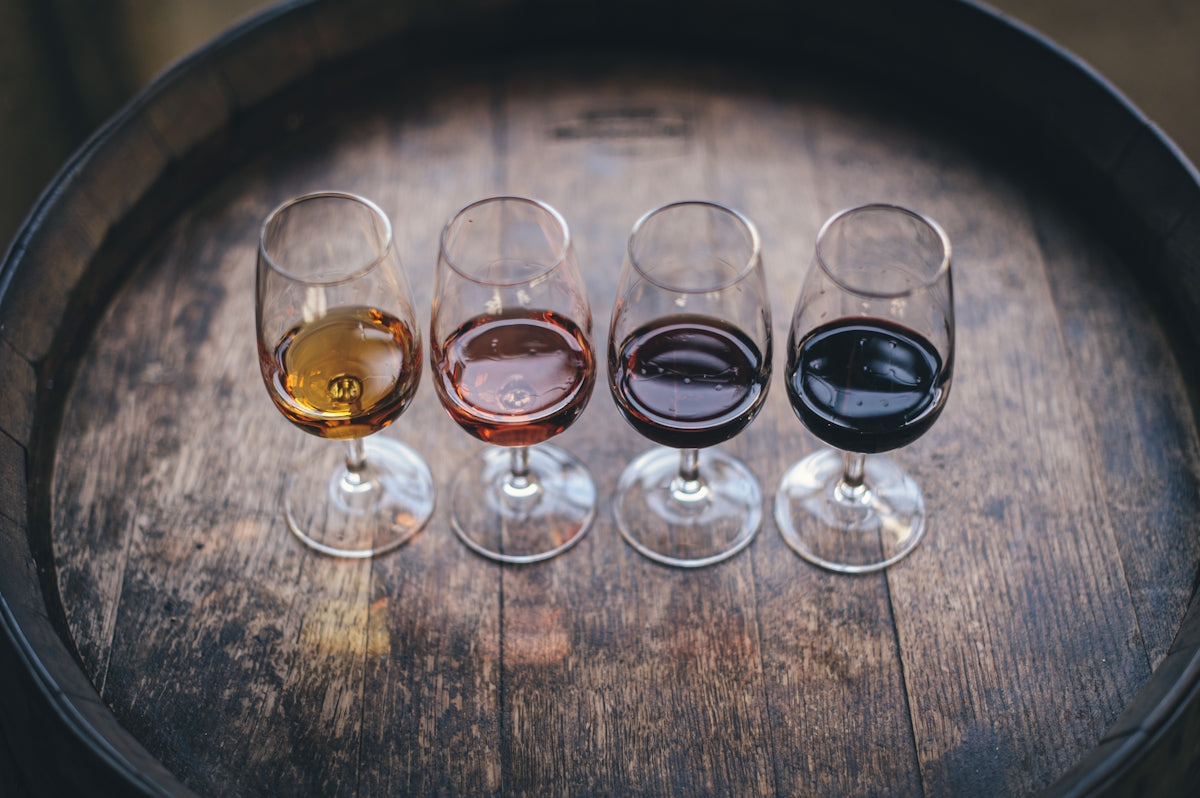
The art of winemaking is steeped in tradition and innovation, constantly evolving to meet consumer demands and environmental challenges. Among the various approaches, organic and conventional winemaking processes stand out. Both have their unique advantages and intricacies, significantly impacting the flavour, quality, and sustainability of the wines produced. At Curtis Family Vineyards, we pride ourselves on understanding these diverse methods to craft exceptional wines.
Organic Winemaking
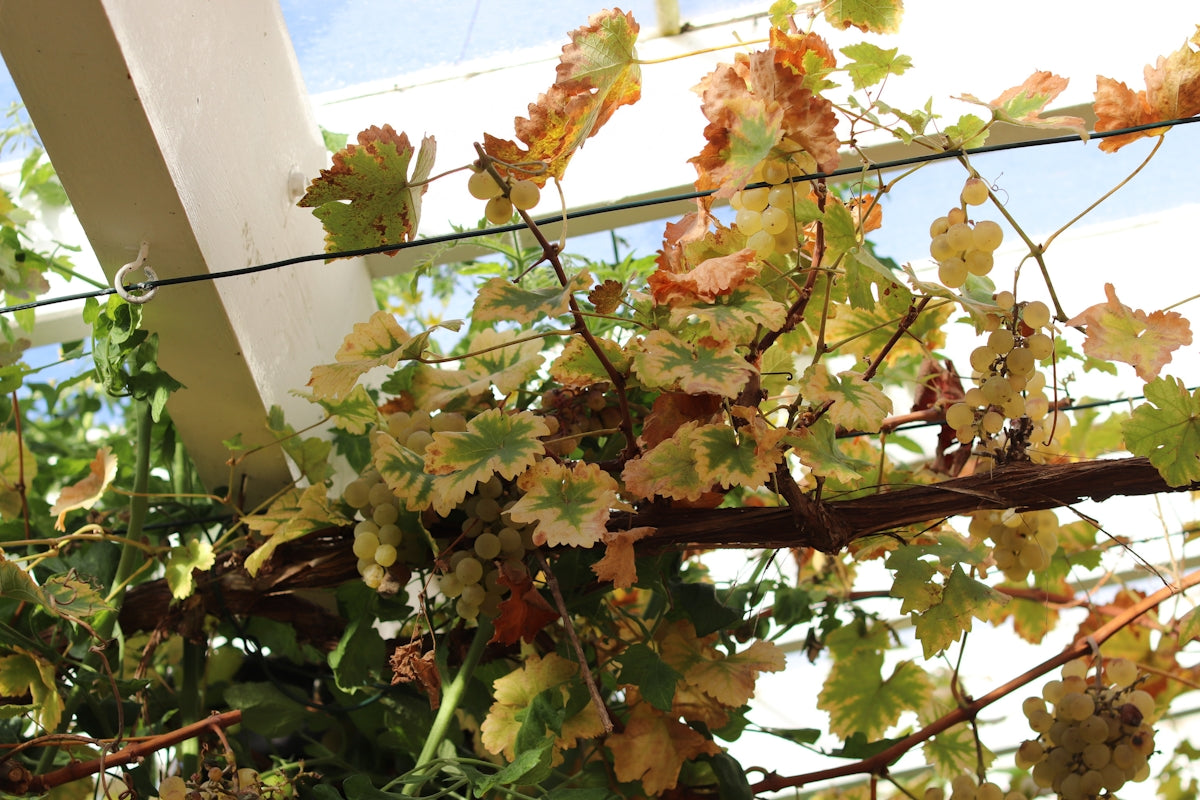
The essence of organic winemaking lies in its commitment to natural processes and environmental stewardship. It involves cultivating grapes without synthetic pesticides, herbicides, or chemical fertilizers. The emphasis is on maintaining a healthy ecosystem, promoting biodiversity, and enhancing soil fertility. This approach often includes cover cropping and composting, which enrich soil health naturally.
At times, organic wineries will utilise techniques like natural fermentation and minimal filtration to maintain the wine's authenticity. Restricting the use of sulphites—a common preservative in winemaking—also characterises organic wines, though small amounts are sometimes permitted to ensure longevity and prevent spoilage.
Pros:
- Environmentally friendly and promotes biodiversity
- Often results in wines with a more authentic taste that reflects the terroir
Cons:
- Can have higher production costs
- Limited use of preservatives may affect the wine's shelf life
Conventional Winemaking
Conventional winemaking is often more aligned with technological advancements, focusing on efficiency and economic viability. These methods typically allow the use of synthetic chemicals to protect the grapevines from diseases and pests, facilitating a more predictable yield. Many conventional winemakers embrace technological innovations, such as advanced filtration systems, to refine the final product.
The flexibility offered by conventional methods allows for the consistent production of wine in varying climatic conditions, providing stability and choice for winemakers and consumers alike.
Pros:
- Generally more cost-effective and efficient
- Greater control over the final product's flavour profile
Cons:
- May involve synthetic chemicals, affecting the wine's natural qualities
- Increased environmental impact
Curtis Family Vineyards: A Blend of Tradition and Innovation
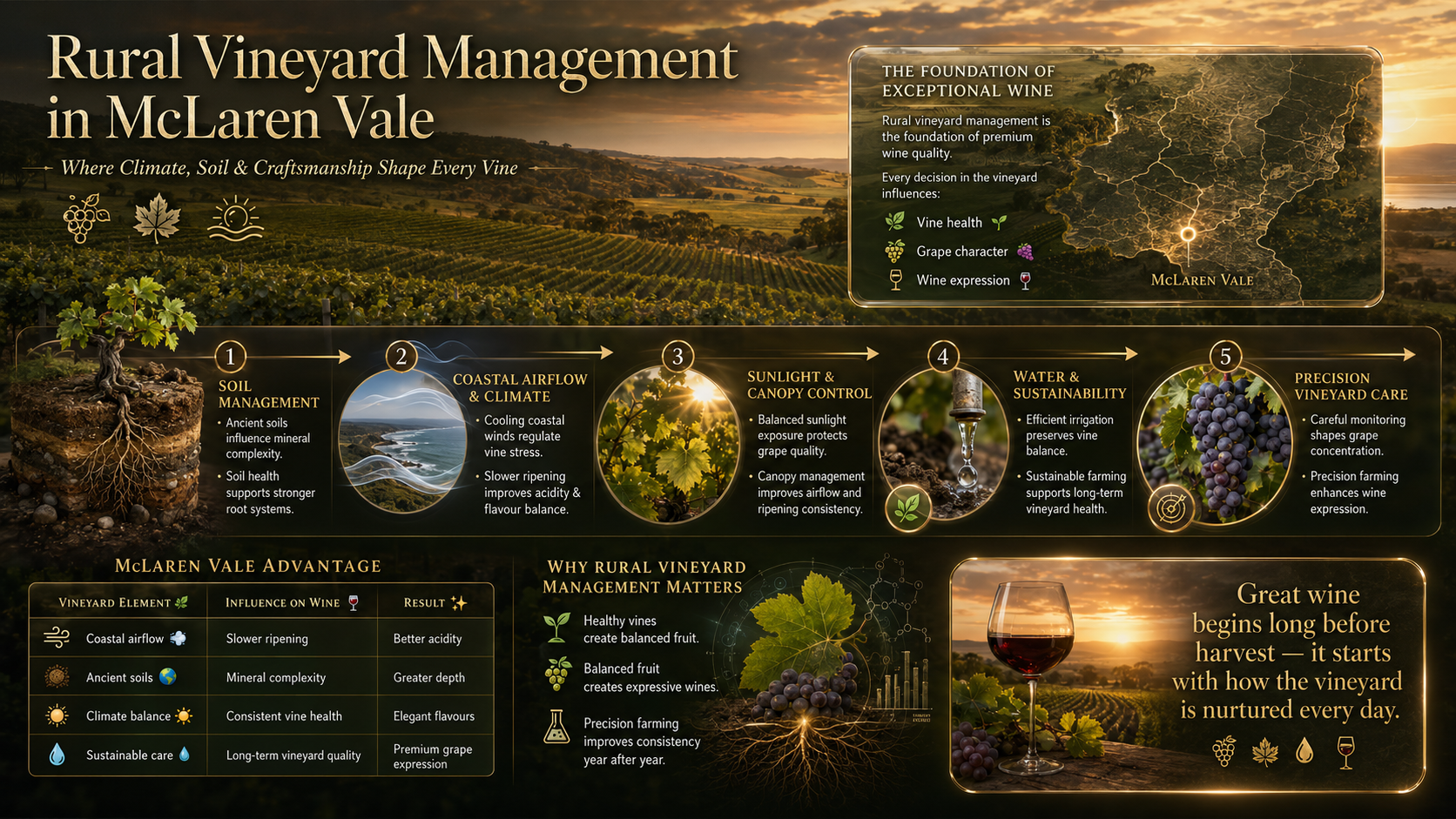
At Curtis Family Vineyards, we offer a diverse selection of wines that reflect the unique characteristics of the McLaren Vale region, crafted using both traditional and innovative techniques. Our Ancestor Shiraz exemplifies the rich flavours that result from meticulous winemaking practices that blend both organic and conventional methodologies.
We are passionate about creating wines that not only tantalise your palate but also respect our environment. Delve into our Limited Series Shiraz and experience a nuanced balance between innovation and tradition. Similarly, our Limited Series Grenache stands out as a testament to this harmonious approach.
In conclusion, whether you are an advocate of organic or conventional winemaking, both methods embody distinct principles and outcomes. At Curtis Family Vineyards, we aim to craft wines that honour these traditions while advancing sustainable practices. To explore our full selection and understand our winemaking ethos, visit our Curtis Family Vineyards website.

Leave a comment
This site is protected by hCaptcha and the hCaptcha Privacy Policy and Terms of Service apply.