

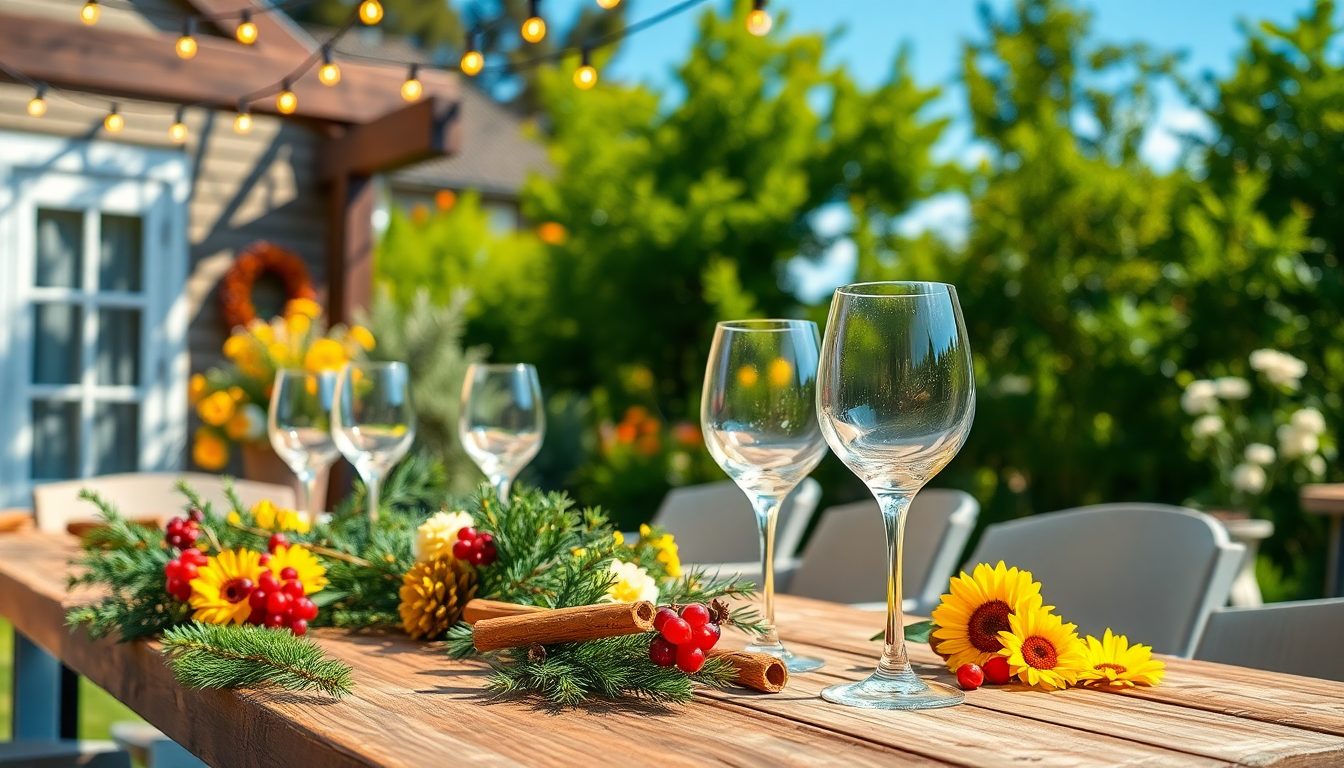
Christmas in July has become a beloved tradition for many people around the world, offering a chance to celebrate the festive spirit during the warmth of summer. While most associate Christmas with cold winter nights and hot beverages, the concept of Christmas in July invites us to embrace holiday cheer at an unexpected time of year. At Curtis Family Vineyards, we believe that this mid-year celebration is the perfect opportunity to explore wines that traditionally shine during the winter season. Whether you're planning a Christmas in July party, looking to stock your cellar with seasonal favorites, or simply want to experience the magic of holiday wines during summer, this comprehensive guide will help you navigate the world of winter wines and discover the perfect selections for your celebration.
Understanding Christmas in July
Christmas in July is more than just a novelty celebration; it's a cultural phenomenon that has gained significant traction over the past few decades. The tradition allows people to experience the joy and warmth of Christmas during the middle of the year, often as a way to combat the summer heat or to celebrate with friends and family who might not be available during the traditional December holidays. This mid-year festive occasion has inspired retailers, restaurants, and wine enthusiasts to reimagine how we celebrate and what we consume during this special time.
The beauty of Christmas in July lies in its flexibility and creativity. Unlike traditional Christmas celebrations that follow strict customs and timelines, Christmas in July allows for personalization and experimentation. This is particularly true when it comes to wine selection. Instead of being bound by seasonal availability or traditional pairings, you have the freedom to explore wines that evoke the warmth and comfort of winter while enjoying the pleasant summer weather.
The Appeal of Winter Wines in Summer
You might wonder why anyone would want to drink heavy, warming winter wines during the hot summer months. The answer is more nuanced than you might expect. Winter wines offer a unique sensory experience that transcends seasonal boundaries. These wines are crafted to provide comfort, depth, and complexity—qualities that appeal to wine enthusiasts regardless of the calendar date.
Winter wines typically feature higher alcohol content, richer body, and more pronounced tannins compared to their summer counterparts. These characteristics create a sense of warmth and satisfaction that many people find deeply satisfying, even during warm weather. Additionally, the psychological aspect of enjoying a wine associated with holiday traditions can evoke feelings of nostalgia, comfort, and joy that enhance the overall drinking experience.
Furthermore, modern wine consumption has become increasingly year-round and flexible. Wine enthusiasts no longer strictly adhere to the old adage of drinking light wines in summer and heavy wines in winter. Instead, they choose wines based on personal preference, food pairings, and the overall experience they wish to create. This shift in wine culture makes Christmas in July the perfect occasion to celebrate winter wines without any hesitation or concern about seasonal appropriateness.
Classic Winter Wine Styles
When planning your Christmas in July wine selection, it's essential to understand the classic winter wine styles that have become synonymous with holiday celebrations. These wines have earned their reputation through generations of tradition and their ability to complement festive foods and create memorable moments.
Cabernet Sauvignon
Cabernet Sauvignon stands as one of the most iconic winter wines, celebrated for its bold character and age-worthiness. This full-bodied red wine features prominent tannins, dark fruit flavors, and often displays notes of black currant, plum, and cedar. The wine's structure and complexity make it an excellent choice for pairing with rich holiday dishes such as prime rib, beef Wellington, or roasted lamb.
Curtis Family Vineyards recognizes the appeal of Cabernet Sauvignon for festive occasions. A well-crafted Cabernet from a reputable producer offers the depth and sophistication that elevates any Christmas in July celebration. The wine's ability to age gracefully means you can select bottles from various vintages, each offering a unique expression of the varietal and terroir.
Pinot Noir
While Pinot Noir is often associated with lighter, more elegant wines, premium expressions of this varietal showcase the complexity and depth that make it suitable for winter celebrations. Pinot Noir from cooler climate regions develops deeper flavors, more pronounced tannins, and greater aging potential than its warmer climate counterparts.
The beauty of Pinot Noir lies in its versatility. It pairs beautifully with a wide range of holiday dishes, from roasted poultry to mushroom-based preparations. The wine's silky texture and nuanced flavor profile create a sophisticated drinking experience that appeals to both seasoned wine enthusiasts and casual drinkers. For Christmas in July, consider selecting Pinot Noir from renowned regions such as Burgundy, Oregon, or California's cooler coastal areas.
Syrah and Shiraz
Syrah, known as Shiraz in Australia, represents another excellent choice for winter wine celebrations. This full-bodied red wine delivers intense flavors of dark berries, spices, and sometimes pepper or licorice notes. The wine's robust character and warming qualities make it particularly suitable for festive occasions.
Syrah from the Rhône Valley in France offers elegance and complexity, while Australian Shiraz provides bold, fruit-forward expressions with higher alcohol content. Both styles work wonderfully for Christmas in July celebrations, particularly when paired with grilled meats, hearty stews, or spiced dishes that complement the wine's flavor profile.
Bordeaux Blends
Bordeaux blends represent the pinnacle of wine craftsmanship, combining multiple grape varieties to create harmonious, complex wines. These blends typically feature Cabernet Sauvignon as the primary grape, supplemented by Merlot, Cabernet Franc, Petit Verdot, and sometimes Malbec. The result is a wine of exceptional depth, structure, and aging potential.
For Christmas in July, a Bordeaux blend offers sophistication and prestige. Whether you choose a wine from the Bordeaux region itself or a Bordeaux-style blend from another region, these wines deliver the complexity and richness that define winter wine celebrations. The multi-layered flavor profile ensures that each sip reveals new dimensions, making the drinking experience memorable and engaging.
Port and Fortified Wines
Port wine holds a special place in winter wine traditions, particularly in British and European holiday celebrations. This fortified wine from Portugal's Douro Valley offers rich, sweet, and complex flavors that make it perfect for sipping after dinner or pairing with desserts and cheese.
Tawny Port, aged in wooden barrels, develops nutty, caramel-like flavors and a smooth, velvety texture. Vintage Port, bottled young and aged in the bottle, offers more intense fruit flavors and greater aging potential. Both styles provide the warmth and comfort associated with winter celebrations, making them excellent additions to your Christmas in July wine selection.
Other fortified wines such as Madeira, Sherry, and Marsala also deserve consideration. These wines offer unique flavor profiles and versatility in pairing with various foods, from appetizers to desserts.
Regional Winter Wine Selections
Different wine regions around the world produce exceptional winter wines, each with distinct characteristics shaped by climate, soil, and winemaking traditions. Exploring wines from various regions adds depth and diversity to your Christmas in July celebration.
Burgundy, France
Burgundy represents the epitome of wine excellence, producing some of the world's most sought-after Pinot Noir and Chardonnay wines. The region's cool climate and limestone-rich soil create ideal conditions for producing wines of exceptional elegance and complexity. Burgundy wines are known for their finesse, subtle flavors, and remarkable aging potential.
For Christmas in July, consider selecting a Burgundy Pinot Noir from a reputable producer. These wines offer the sophistication and depth that elevate any celebration. While Burgundy wines can be expensive, the investment is justified by the quality and prestige associated with the region.
Bordeaux, France
Bordeaux stands as one of the world's most prestigious wine regions, renowned for producing exceptional red wines that define luxury and excellence. The region's Left Bank produces Cabernet Sauvignon-based wines known for their power and structure, while the Right Bank specializes in Merlot-based wines offering more softness and elegance.
A Bordeaux wine from a classified château represents the ultimate expression of winter wine sophistication. These wines age gracefully for decades, developing complex secondary flavors and remarkable depth. For Christmas in July, selecting a Bordeaux wine demonstrates a commitment to quality and celebration.
Tuscany, Italy
Tuscany produces some of Italy's most celebrated wines, including Brunello di Montalcino and Vino Nobile di Montepulciano. These wines, made primarily from the Sangiovese grape, offer rich flavors, firm tannins, and excellent aging potential. Tuscan wines embody the warmth and passion of Italian wine culture, making them perfect for festive celebrations.
The region's rolling hills, Mediterranean climate, and centuries-old winemaking traditions create wines of exceptional character. For Christmas in July, a Tuscan wine brings the warmth of Italy to your celebration, offering both quality and cultural richness.
Rhône Valley, France
The Rhône Valley produces exceptional wines from both the northern and southern regions. Northern Rhône wines, particularly Syrah from Hermitage and Côte-Rôtie, offer elegance and complexity. Southern Rhône wines, such as Châteauneuf-du-Pape, deliver bold, fruit-forward expressions with warming spice notes.
These wines represent excellent choices for Christmas in July, offering the depth and character that define winter celebrations. The Rhône Valley's diverse terroir and winemaking traditions ensure a wide range of options to suit various preferences and budgets.
Napa Valley, California
Napa Valley has established itself as a world-class wine region, producing exceptional Cabernet Sauvignon and other premium wines. The region's warm days and cool nights create ideal conditions for producing wines of remarkable quality and consistency. Napa Valley wines are known for their fruit-forward character, balanced structure, and accessibility.
For Christmas in July, a Napa Valley Cabernet Sauvignon offers American excellence and prestige. These wines pair beautifully with festive foods and provide the warmth and satisfaction associated with winter celebrations.
Barossa Valley, Australia
Barossa Valley represents one of Australia's most celebrated wine regions, renowned for producing bold, fruit-forward Shiraz wines. The region's warm climate and old vine vineyards create wines of exceptional intensity and character. Barossa Valley Shiraz offers the warmth and power that define winter wine celebrations.
These wines are known for their approachability and ability to pair with a wide range of foods. For Christmas in July, a Barossa Valley Shiraz brings Australian warmth and generosity to your celebration, offering excellent value and memorable drinking experiences.
Food Pairing Strategies for Christmas in July
The success of any wine celebration depends not only on the quality of the wines selected but also on how well they pair with the foods served. Christmas in July offers an excellent opportunity to explore creative food and wine pairings that celebrate both winter traditions and summer freshness.
Pairing with Traditional Holiday Foods
Traditional Christmas foods such as roasted turkey, prime rib, and ham pair beautifully with winter wines. A full-bodied Cabernet Sauvignon complements the richness of prime rib, while a lighter Pinot Noir works well with roasted turkey. The key is matching the wine's body and tannin structure with the richness and intensity of the food.
For ham and other cured meats, consider wines with good acidity and fruit character, such as a Côtes du Rhône or a Barbera. These wines cut through the richness of cured meats while complementing their savory, slightly sweet character.
Pairing with Summer Ingredients
Christmas in July offers the unique opportunity to combine winter wine traditions with summer ingredients. Fresh vegetables, light salads, and seasonal fruits can be incorporated into your menu, creating interesting contrasts with the heavier winter wines.
Consider pairing a full-bodied red wine with grilled vegetables, particularly those with charred or smoky flavors. The wine's tannins and fruit character complement the caramelized flavors of grilled produce. Alternatively, a lighter red wine or a rosé can provide refreshment while maintaining the festive spirit of the celebration.
Cheese and Charcuterie Selections
A well-curated cheese and charcuterie board provides excellent opportunities for wine pairing exploration. Aged cheeses such as Gruyère, Comté, and Parmigiano-Reggiano pair beautifully with full-bodied red wines. Softer cheeses such as Brie and Camembert work well with lighter reds or even some white wines.
Cured meats such as prosciutto, salami, and soppressata offer diverse pairing opportunities. The key is considering the intensity and saltiness of the meat when selecting wines. A bold Syrah can stand up to intensely flavored cured meats, while a lighter Pinot Noir complements more delicate options.
Dessert Wine Pairings
No Christmas celebration is complete without dessert, and winter wines offer excellent opportunities for creative dessert pairings. Tawny Port pairs beautifully with chocolate desserts, nuts, and dried fruits. Vintage Port offers more intensity and works well with rich, dark chocolate preparations.
Sweet wines such as Banyuls or Recioto della Valpolicella provide excellent pairings with fruit-based desserts and lighter chocolate preparations. For a more unconventional approach, consider pairing a dry wine with dessert, creating interesting contrasts that challenge traditional pairing conventions.
Building Your Christmas in July Wine Collection
Creating a well-rounded wine collection for your Christmas in July celebration requires thoughtful planning and consideration of various factors. Whether you're shopping for a single event or building a collection for future celebrations, these strategies will help you make informed decisions.
Budget Considerations
Wine collecting doesn't require unlimited financial resources. By establishing a budget and prioritizing your spending, you can build an impressive collection that offers excellent value. Consider allocating your budget across various price points, selecting a few premium bottles alongside more affordable options that still offer quality and character.
Curtis Family Vineyards recognizes that wine enthusiasts come from diverse financial backgrounds. Our selection includes wines at various price points, ensuring that everyone can find exceptional options within their budget. Remember that price doesn't always correlate with quality or enjoyment; some of the most memorable wines are those that offer excellent value.
Quantity Planning
When planning your Christmas in July celebration, consider how many bottles you'll need. A general rule of thumb suggests approximately one bottle per two people for a dinner party, though this varies based on the length of the celebration and the preferences of your guests.
For a Christmas in July gathering, consider selecting multiple wines to offer variety and allow guests to explore different styles. This approach creates a more engaging experience and accommodates diverse preferences. Additionally, having extra bottles allows for flexibility and ensures you won't run short during the celebration.
Vintage Selection
Understanding vintage variation helps you select wines that will perform well at your celebration. Some years produce exceptional wines due to ideal growing conditions, while others may be more challenging. Consulting vintage charts and wine reviews provides valuable guidance when selecting bottles.
For Christmas in July, consider selecting wines from recent vintages that have reached optimal drinking maturity. This ensures the wines will be ready to enjoy immediately, without requiring additional aging. However, if you're building a collection for future celebrations, selecting wines with aging potential allows you to develop your collection over time.
Diversification Strategy
Building a diverse wine collection ensures you have options for various occasions and preferences. Include wines from different regions, produced from different grape varieties, and representing different price points. This diversity creates a more interesting collection and allows you to explore various wine styles and expressions.
Consider including both classic, well-known wines and more adventurous selections from emerging regions or lesser-known producers. This balance provides familiarity and comfort alongside opportunities for discovery and exploration.
Storage and Serving Considerations
Proper storage and serving techniques ensure that your Christmas in July wines deliver optimal flavor and enjoyment. Understanding these fundamentals enhances your wine experience and protects your investment.
Storage Conditions
Wine is a living product that continues to evolve after bottling. Proper storage conditions preserve the wine's quality and allow it to develop gracefully. Store wine in a cool, dark place with consistent temperature, ideally between 45 and 65 degrees Fahrenheit. Fluctuating temperatures can damage wine and accelerate aging in undesirable ways.
For short-term storage, a wine refrigerator or a cool closet works well. For long-term storage or larger collections, consider investing in a wine cooler or cellar. Proper storage protects your investment and ensures your wines will be ready to enjoy when you're ready to celebrate.
Serving Temperature
Serving wine at the correct temperature significantly impacts the drinking experience. Full-bodied red wines such as Cabernet Sauvignon and Syrah are best served at approximately 65 degrees Fahrenheit, slightly cooler than room temperature. This temperature allows the wine's flavors and aromas to express themselves fully while maintaining the appropriate body and texture.
Lighter red wines such as Pinot Noir are best served slightly cooler, around 60 degrees Fahrenheit. Fortified wines such as Port are typically served at room temperature or slightly warmed. Taking time to serve wines at appropriate temperatures demonstrates respect for the wine and enhances the overall experience.
Decanting and Aeration
Decanting serves multiple purposes in wine service. For older wines, decanting separates the wine from sediment that has accumulated over years of aging.


Leave a comment
This site is protected by hCaptcha and the hCaptcha Privacy Policy and Terms of Service apply.