

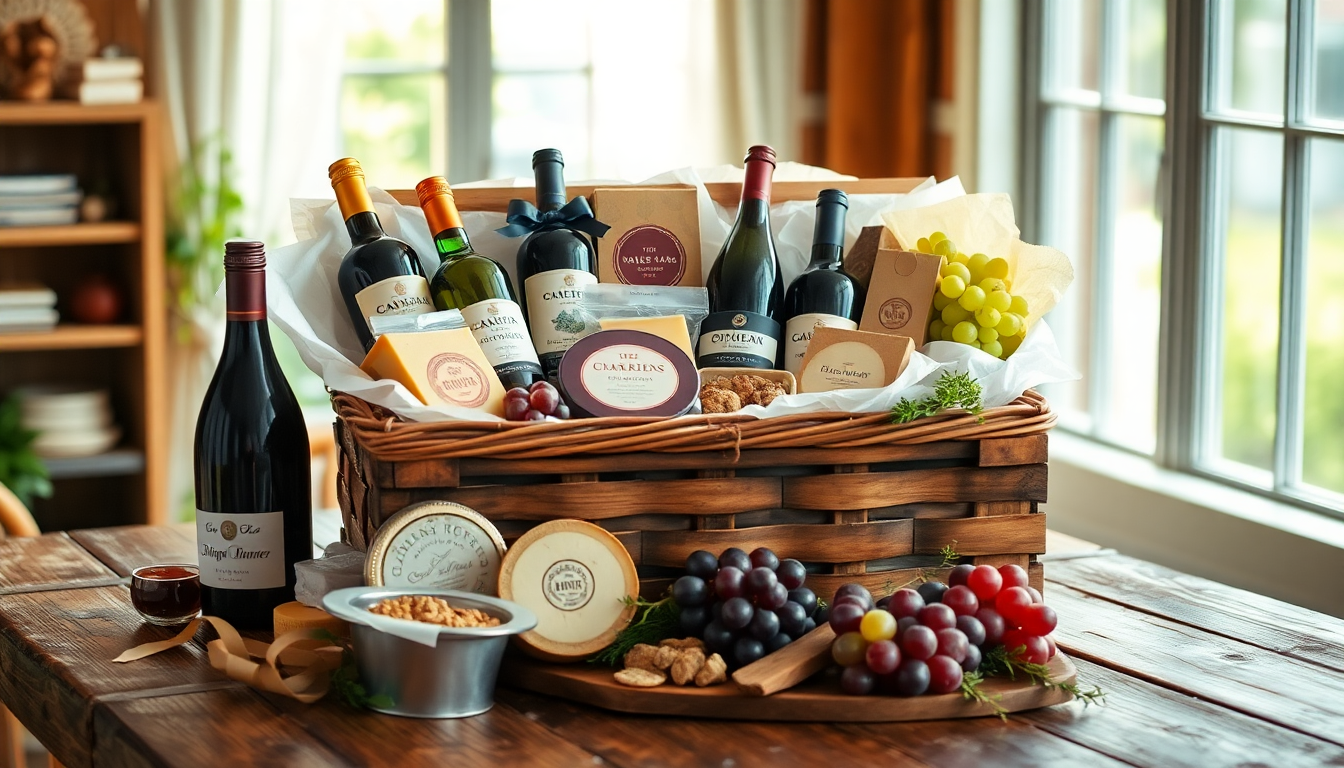
Wine gift hampers have become one of the most popular and sophisticated gift options for virtually any occasion. Whether you're celebrating a milestone, expressing gratitude, or simply wanting to delight someone special, a carefully curated wine hamper offers elegance, thoughtfulness, and the promise of enjoyable moments ahead. At Curtis Family Vineyards, we understand that creating the perfect wine gift hamper is both an art and a science. It requires knowledge of wine selection, understanding the recipient's preferences, and the ability to combine complementary items that work together harmoniously. This comprehensive guide will walk you through every aspect of building a wine gift hamper that will impress even the most discerning wine enthusiasts.
Understanding the Fundamentals of Wine Gift Hampers
A wine gift hamper is more than just a bottle of wine placed in a basket. It's a carefully orchestrated collection of items that tell a story and create an experience. The foundation of any great hamper is the wine itself, but the magic happens when you surround that wine with complementary products that enhance the overall gifting experience.
The concept of gift hampers dates back centuries, with origins in European traditions where baskets filled with local delicacies were exchanged as tokens of appreciation and celebration. Wine hampers specifically gained prominence during the Victorian era when wine became more accessible to the middle class, and the presentation of gifts became an art form in itself. Today, wine hampers represent a perfect blend of tradition and modern sophistication.
When you're building a wine gift hamper, you're essentially creating a curated experience. You're not just giving someone wine; you're giving them an invitation to slow down, appreciate quality, and enjoy a moment of pleasure. This is why the selection process is so important. Every item in the hamper should serve a purpose and contribute to the overall narrative you're creating.
Selecting the Right Wine as Your Hamper's Foundation
The wine you choose is undoubtedly the most critical component of your gift hamper. This is where your knowledge of the recipient becomes invaluable. Are they a red wine enthusiast or do they prefer white wines? Do they enjoy bold, full-bodied wines or lighter, more delicate varieties? Are they adventurous wine drinkers who appreciate exploring new regions, or do they prefer sticking with familiar favorites?
When selecting wine for a hamper, consider the recipient's lifestyle and preferences. If they're someone who enjoys entertaining, you might choose a wine that's versatile and pairs well with various foods. If they're more of a casual drinker who enjoys relaxing evenings at home, you might opt for something approachable and easy to drink without requiring extensive food pairings.
The quality of the wine matters significantly. While you don't necessarily need to include the most expensive bottles available, you should aim for wines that represent good value and quality. At Curtis Family Vineyards, we believe that exceptional wine doesn't always come with an exceptional price tag. Look for wines that have received positive reviews from reputable sources, or seek recommendations from knowledgeable wine merchants who understand your budget and the recipient's preferences.
Consider including a variety of wines in your hamper if the budget allows. A combination of red and white wines, or perhaps a sparkling wine alongside still wines, provides options and shows thoughtfulness. This variety also makes the hamper more versatile for different occasions and food pairings.
The vintage year can also be significant. If you're giving a hamper to someone celebrating a milestone birthday or anniversary, selecting a wine from a particularly good vintage year or from the year of their birth can add a personal and memorable touch. These details transform a gift from something nice into something truly special.
Pairing Wines with Complementary Foods
Once you've selected your wine, the next step is choosing foods that will complement and enhance the wine-drinking experience. The goal is to create a collection of items that work together to create a cohesive tasting experience.
Cheese is perhaps the most classic pairing with wine. When selecting cheese for your hamper, aim for variety in terms of texture and intensity. A soft cheese like brie or camembert pairs beautifully with lighter white wines, while harder cheeses like aged cheddar or gouda work wonderfully with full-bodied red wines. Consider including a blue cheese for those who appreciate more robust flavors. The key is to select cheeses that are of high quality and will remain fresh during transport and storage.
Cured meats are another excellent addition to a wine hamper. Prosciutto, salami, and other charcuterie items provide protein and interesting flavors that complement wine beautifully. These items also have the advantage of being shelf-stable, making them ideal for gift hampers. Look for artisanal producers who use traditional methods and quality ingredients.
Crackers and bread are essential components that shouldn't be overlooked. They serve as vehicles for cheese and cured meats, but they also cleanse the palate between wine tastings. Choose high-quality crackers made with interesting grains or seeds. Consider including breadsticks or artisanal bread that has been specially packaged for longevity.
Nuts add texture and nutritional value to your hamper. Almonds, walnuts, and hazelnuts all pair well with wine and provide a satisfying crunch. Roasted and salted nuts work particularly well with wine, as the salt enhances the wine's flavors and creates a pleasant contrast.
Olives are another classic wine accompaniment. Whether you choose green olives, black olives, or a mix, they provide a briny, savory element that complements many wines. Look for olives that have been marinated with interesting herbs and spices for added complexity.
Dried fruits like apricots, figs, and cranberries add sweetness and complexity to the hamper. They pair particularly well with red wines and provide a nice textural contrast to savory items. These items also have excellent shelf stability, making them ideal for gift hampers.
Selecting Accessories and Presentation Items
Beyond wine and food, the accessories you include in your hamper can significantly enhance the overall experience. A quality corkscrew is practically essential. Look for one that's well-made and easy to use. Many wine enthusiasts appreciate a classic waiter's corkscrew or a more modern lever-style opener.
Wine glasses or stemware can be a wonderful addition if your budget allows. Even simple, elegant glasses can elevate the wine-drinking experience. If you're concerned about breakage during transport, consider including wine glass charms that help drinkers identify their glasses, or opt for unbreakable alternatives like high-quality plastic wine glasses designed for outdoor entertaining.
A wine stopper or wine preserver can be a practical and thoughtful addition. These items help preserve opened wine, extending its life and allowing the recipient to enjoy it over several days rather than finishing the bottle in one sitting.
Wine-related books or guides can add an educational element to your hamper. A guide to wine regions, a book about wine tasting techniques, or even a wine journal where the recipient can record their favorite discoveries can be wonderful additions for those interested in deepening their wine knowledge.
Candles with wine-related scents or simply elegant, high-quality candles can enhance the ambiance when the recipient enjoys their wine. The right candle can create a luxurious atmosphere that complements the wine-tasting experience.
Gourmet chocolates pair beautifully with wine, particularly red wines. Look for high-quality chocolates made with quality ingredients. Dark chocolate, in particular, creates wonderful flavor combinations with many wines.
A nice cloth napkin or linen can be both practical and elegant. These items add a touch of sophistication and are useful when enjoying the contents of the hamper.
Understanding Wine Regions and Styles
To build a truly impressive wine hamper, it helps to understand different wine regions and styles. This knowledge allows you to make informed selections and create hampers with interesting narratives.
Bordeaux wines from France are known for their elegance and complexity. These wines, typically made from Cabernet Sauvignon, Merlot, and other Bordeaux varieties, age beautifully and pair well with rich foods. A Bordeaux wine in a hamper suggests sophistication and appreciation for classic wine traditions.
Burgundy wines, also from France, are prized for their finesse and subtlety. Pinot Noir and Chardonnay from this region are particularly celebrated. These wines appeal to those who appreciate nuance and complexity.
Italian wines offer wonderful diversity. Tuscan Chianti wines are approachable and food-friendly, while Barolo and Barbaresco from Piedmont are more serious, age-worthy wines. Italian wines in a hamper suggest an appreciation for Old World wine traditions and Mediterranean flavors.
Spanish wines, particularly those from Rioja and Priorat, offer excellent quality at various price points. These wines are often undervalued compared to their French counterparts, making them excellent choices for hampers that offer great value.
New World wines from regions like California, Australia, New Zealand, and South Africa have gained tremendous respect in recent years. These wines often showcase fruit-forward characteristics and are approachable to a wide range of drinkers. Including a New World wine in your hamper shows awareness of contemporary wine production and appreciation for innovation.
Portuguese wines, particularly those from the Douro Valley, offer excellent quality and value. Port wine, a fortified wine from Portugal, is a classic choice for gift hampers and pairs beautifully with chocolate and cheese.
Considering the Recipient's Preferences and Lifestyle
Building the perfect wine hamper requires deep consideration of who will receive it. Different people have different preferences, and understanding these preferences is key to creating a hamper that will be truly appreciated.
For the casual wine drinker who enjoys wine but isn't particularly knowledgeable, focus on approachable wines that are easy to drink and don't require extensive food pairings. Include items that make the wine-drinking experience more enjoyable and accessible. A wine guide or tasting notes can help them learn more about what they're drinking.
For the serious wine enthusiast, you can be more adventurous. Consider including wines from lesser-known producers or regions, or perhaps a wine from a particularly good vintage. These individuals often appreciate the educational aspect of wine, so including information about the wines' origins, production methods, and tasting notes can be particularly meaningful.
For someone who entertains frequently, select wines that are versatile and pair well with various foods. Include items that make entertaining easier, such as quality crackers, cured meats, and cheeses that can be quickly assembled into an impressive spread.
For someone who prefers to relax at home, choose wines that are comforting and easy to enjoy. Include items that enhance the cozy atmosphere, such as candles, chocolates, and perhaps a wine-related book.
For health-conscious individuals, consider including organic or biodynamic wines, and focus on fresh, wholesome food items. Many wine regions now produce excellent organic wines that appeal to environmentally and health-conscious consumers.
For those with dietary restrictions, ensure that all items in the hamper meet their needs. This might mean selecting vegan cheeses, gluten-free crackers, or wines produced without certain additives.
Budgeting and Value Considerations
Creating a wine hamper doesn't require an unlimited budget. With thoughtful planning, you can create an impressive hamper at virtually any price point.
For a modest budget of fifty to seventy-five dollars, focus on a single quality wine paired with a few carefully selected complementary items. A good wine, quality cheese, crackers, and perhaps some nuts or chocolate can create a lovely hamper that feels complete and thoughtful.
For a mid-range budget of seventy-five to one hundred fifty dollars, you have more flexibility. You might include two wines, a variety of cheeses and cured meats, quality crackers, nuts, and perhaps a wine accessory like a nice corkscrew or wine stopper.
For a generous budget of one hundred fifty to three hundred dollars, you can create a truly impressive hamper with multiple wines, a wide variety of gourmet foods, quality accessories, and perhaps even a wine-related book or premium items like specialty chocolates or artisanal bread.
For luxury hampers exceeding three hundred dollars, the possibilities are nearly endless. You might include premium wines from prestigious producers, rare or aged wines, luxury food items, high-quality glassware, and other premium accessories.
Regardless of your budget, the key is to allocate your resources thoughtfully. It's better to include fewer items of excellent quality than many items of mediocre quality. The recipient will appreciate the thoughtfulness and quality far more than quantity.
Sourcing Quality Ingredients and Products
Finding the right ingredients and products for your hamper requires knowing where to look and understanding what constitutes quality.
Wine merchants and specialty wine shops are excellent resources. The staff at these establishments can provide recommendations based on your budget and the recipient's preferences. They often have access to wines that aren't available in regular supermarkets, and they can provide valuable information about each wine's characteristics.
Gourmet food shops and delicatessens offer high-quality cheeses, cured meats, crackers, and other specialty items. These establishments often source their products carefully and can provide information about origins and production methods.
Farmers markets are wonderful places to find artisanal cheeses, local wines, and other specialty items. Shopping at farmers markets supports local producers and often results in fresher, higher-quality products.
Online retailers have made it easier than ever to source specialty items. Many producers ship directly to consumers, and online marketplaces offer access to products from around the world. However, be cautious about shipping wine, as regulations vary by location.
At Curtis Family Vineyards, we understand the importance of quality sourcing. We work with trusted producers and suppliers to ensure that every product we recommend meets our high standards. When building your hamper, don't hesitate to ask for recommendations from knowledgeable sources.
Presentation and Packaging Considerations
The way you present your wine hamper is almost as important as the contents. Beautiful presentation shows that you've put thought and care into the gift.
The basket or container you choose sets the tone for the entire hamper. Traditional wicker baskets are classic and elegant, but you might also consider wooden crates, decorative boxes, or even wine-themed containers. The container should be sturdy enough to protect the contents during transport and storage.
Layering and arrangement matter significantly. Place heavier items at the bottom and more delicate items toward the top. Use tissue paper, straw, or other packing materials to create visual interest and protect items from shifting. Arrange items so that the wine bottles are prominently displayed but not so prominently that they overshadow other items.
Color coordination can enhance the visual appeal of your hamper. Consider the colors of the wines, foods, and accessories, and try to create a harmonious color palette. Warm earth tones often work well with wine hampers, but you might also incorporate the colors of the wine region or the recipient's favorite colors.
Ribbons, bows, and decorative elements add the finishing touch. A beautiful ribbon tied around the hamper or a decorative bow adds elegance without being excessive. Consider incorporating wine-themed decorations or elements that reflect the recipient's interests.
A handwritten card or note personalizing the hamper adds a meaningful touch. Take a moment to write a few words explaining why you chose specific items or expressing your wishes for the recipient's enjoyment of the hamper.
Creating Themed Wine Hampers
Themed hampers allow you to tell a story and create a more cohesive, memorable gift. Here are several theme ideas to inspire your hamper creation.
A Mediterranean-themed hamper might include wines from Southern France, Spain, or Italy, paired with olives, cured meats, artisanal cheeses, and crackers. This theme evokes images of sunny afternoons and leisurely meals, making it perfect for someone who dreams of Mediterranean vacations or enjoys Mediterranean cuisine.
A French wine country hamper could feature wines from different French regions, paired with French cheeses like Camembert and Roquefort, French crackers, and perhaps a French wine guide. This theme appeals to Francophiles and those who appreciate classic wine traditions.
A New World wine hamper showcases wines from California, Australia, New Zealand, or South Africa, paired with foods that complement these fruit-forward wines. This theme appeals to those who appreciate contemporary wine production and are interested in exploring wines beyond traditional European regions.
A wine and chocolate hamper pairs wines with premium chocolates selected to complement the wine's characteristics. Dark chocolate with red wine, white chocolate with white wine, and milk chocolate with lighter wines create interesting flavor combinations. This theme appeals to those who love both wine and chocolate.
A wine and cheese connoisseur's hamper focuses on creating perfect wine and cheese pairings. Include detailed tasting notes explaining how each cheese complements each wine. This theme appeals to those interested in deepening their knowledge of wine and food pairing.
A relaxation and wellness hamper pairs wine with items designed to create a spa-like atmosphere. Include candles, perhaps a nice glass, and foods that promote relaxation. This theme appeals to those who value self-care and creating peaceful moments at home.
A celebration hamper designed for a specific occasion, such as an engagement, promotion, or retirement, can include wines and items that reflect the significance of the occasion. Personalization makes this theme particularly meaningful.
Understanding Wine and Food Pairing Principles
Creating a successful wine hamper requires understanding how wines pair with foods. These principles guide your selection of complementary items.
The basic principle of wine and food pairing is that wines and foods with similar flavor intensities work well together. Light wines pair well with delicate foods, while full-bodied wines complement rich, flavorful dishes. This principle applies to the items in your hamper as well.
Acidity in wine cuts through fatty foods, making acidic wines

Leave a comment
This site is protected by hCaptcha and the hCaptcha Privacy Policy and Terms of Service apply.