

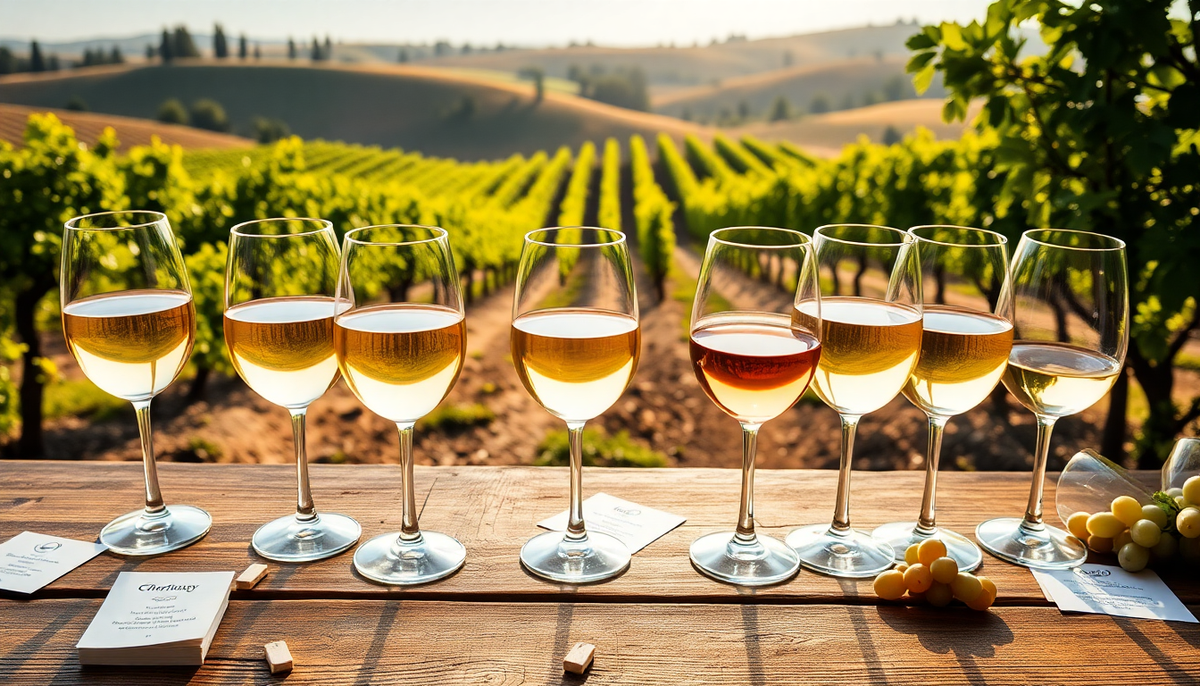
Chardonnay is one of the world's most beloved and versatile white wines, yet it remains one of the most misunderstood. For decades, wine enthusiasts have debated the merits of different Chardonnay styles, from the rich, buttery expressions that dominated the 1990s to the elegant, mineral-driven wines that have gained prominence in recent years. At Curtis Family Vineyards, we believe that understanding Chardonnay requires appreciating the full spectrum of styles this remarkable grape can produce. This comprehensive guide will explore the journey of Chardonnay from vine to glass, examining the factors that create its diverse flavor profiles and helping you discover which styles resonate most with your palate.
The History and Origins of Chardonnay
Chardonnay's story begins in the Burgundy region of France, specifically in the small village of Chardonnay in the Côte d'Or. This ancient grape has been cultivated in this region for centuries, though its exact origins remain somewhat mysterious. What we do know is that Chardonnay became synonymous with Burgundy's most prestigious white wines, particularly those from the Côte de Beaune, where villages like Meursault, Puligny-Montrachet, and Chassagne-Montrachet produced wines of extraordinary complexity and aging potential.
The reputation of Burgundian Chardonnay was built on centuries of refinement and tradition. Monks in the region played a crucial role in developing viticulture practices and understanding how to coax the best from this finicky grape. By the time modern winemaking emerged, Chardonnay had already established itself as a benchmark for quality white wine production.
However, Chardonnay's global journey truly accelerated in the twentieth century. French colonists brought the grape to California, Australia, and other wine regions around the world. What happened next was revolutionary: winemakers in these new regions began experimenting with different techniques, climates, and approaches to Chardonnay production. This experimentation led to the creation of entirely new Chardonnay styles that bore little resemblance to their Burgundian ancestors.
Today, Chardonnay is grown on every continent except Antarctica, making it the world's most widely planted premium white wine grape. This global presence has created an incredible diversity of styles, each reflecting the unique terroir and winemaking philosophy of its region.
Understanding Chardonnay's Characteristics
Before exploring the different styles of Chardonnay, it's essential to understand the grape's inherent characteristics. Chardonnay is a relatively neutral grape, meaning it doesn't have the pronounced aromatic compounds found in varieties like Sauvignon Blanc or Riesling. This neutrality is actually one of Chardonnay's greatest strengths, as it allows the grape to be a blank canvas for expressing terroir and winemaking techniques.
In its most basic form, unoaked Chardonnay typically displays flavors of green apple, citrus, and stone fruits. The acidity is usually moderate to high, providing freshness and structure. However, the moment you introduce oak aging and malolactic fermentation—two techniques we'll explore in depth—Chardonnay transforms dramatically.
The grape's skin color is greenish-yellow, and it tends to ripen relatively early in the growing season. This early ripening means that Chardonnay can be successfully grown in cooler climates, where it develops higher acidity and more delicate flavors. Conversely, in warmer regions, Chardonnay develops riper fruit flavors and higher alcohol levels.
Chardonnay's versatility extends to its ability to express vintage variation. In cooler years, Chardonnay tends to be leaner and more mineral-driven. In warmer years, it becomes richer and more fruit-forward. This vintage sensitivity has made Chardonnay a favorite among serious collectors who enjoy tracking how the same wine evolves across different years.
The Role of Terroir in Chardonnay Production
Terroir—the French concept encompassing soil, climate, and topography—plays a fundamental role in shaping Chardonnay's character. In Burgundy, the concept of terroir is so important that the entire classification system is built around it. The finest Burgundian Chardonnays come from specific vineyard sites, or "crus," that have been identified over centuries as producing exceptional wine.
The soil composition in Chardonnay regions varies dramatically and profoundly influences the final wine. In Burgundy's Côte de Beaune, limestone-rich soils impart a distinctive minerality to Chardonnay. This limestone content creates wines with a flinty, chalky character that many consider the hallmark of great white Burgundy. The limestone also influences the grape's ripening pattern and acidity levels.
In contrast, California's Chardonnay regions often feature volcanic soils or alluvial deposits that create different mineral expressions. The Santa Cruz Mountains, for example, produce Chardonnays with a different mineral profile than those from the warmer Napa Valley floor. These soil differences, combined with California's warmer climate, create Chardonnays that are typically riper and more fruit-forward than their Burgundian counterparts.
Climate is equally important in determining Chardonnay's style. Cool-climate regions like Chablis in northern Burgundy, the Adelaide Hills in Australia, and the Willamette Valley in Oregon produce Chardonnays with higher acidity, more delicate fruit flavors, and pronounced mineral characteristics. These wines are often unoaked or lightly oaked, allowing the pure expression of the grape and terroir to shine through.
Warm-climate regions like Napa Valley, Barossa Valley, and Margaret River produce riper Chardonnays with lower acidity and more pronounced fruit flavors. These wines often benefit from oak aging, which adds complexity and richness without overwhelming the fruit.
Winemaking Techniques: The Path to Different Styles
While terroir provides the foundation for Chardonnay's character, winemaking techniques determine how that terroir is expressed in the final wine. Two techniques in particular—oak aging and malolactic fermentation—are responsible for the dramatic differences between buttery and crisp Chardonnay styles.
Oak Aging and Its Impact
Oak aging is perhaps the most transformative technique in Chardonnay production. When Chardonnay is aged in oak barrels, it undergoes several chemical changes that dramatically alter its flavor profile. The wood imparts vanilla, toast, and spice notes, while also allowing for subtle oxidation that adds complexity and depth.
The type of oak used matters significantly. French oak, traditionally used in Burgundy, imparts subtle, elegant flavors and is generally considered more refined. American oak, commonly used in California, imparts bolder vanilla and coconut notes. The age of the oak also matters—new oak barrels impart stronger flavors, while older barrels provide more subtle influences.
The duration of oak aging also affects the final wine. Chardonnays aged for three to six months in oak develop subtle oak characteristics while retaining their fruit-forward nature. Those aged for nine to twelve months or longer develop deeper oak integration and more complex flavor profiles. Some premium Chardonnays are aged in oak for eighteen months or more, creating wines of extraordinary richness and complexity.
The percentage of new oak used is another crucial variable. A wine aged entirely in new oak will have pronounced oak flavors, while one aged in a mix of new and neutral oak will have more subtle oak characteristics. Some winemakers use a technique called "sur lie" aging, where the wine remains in contact with the dead yeast cells (lees) during oak aging. This technique adds richness and complexity to the wine.
Malolactic Fermentation
Malolactic fermentation is a secondary fermentation process where lactic acid bacteria convert the wine's malic acid (which is sharp and green-tasting) into lactic acid (which is softer and creamier-tasting). This process is responsible for much of the buttery character associated with rich Chardonnays.
When malolactic fermentation occurs in oak barrels, it creates additional complexity. The combination of oak aging and malolactic fermentation produces the classic buttery, creamy Chardonnay style that became so popular in the 1990s. Wines that undergo complete malolactic fermentation tend to have lower acidity and a rounder, softer mouthfeel.
Conversely, Chardonnays that undergo little or no malolactic fermentation retain their natural acidity and crisp character. These wines often display more pronounced fruit flavors and a fresher, more vibrant profile. The decision of whether to encourage or prevent malolactic fermentation is one of the most important choices a winemaker makes when crafting Chardonnay.
Fermentation Temperature and Yeast Selection
The temperature at which Chardonnay ferments significantly influences its flavor profile. Cool fermentation temperatures (around 50-55°F) preserve delicate fruit flavors and aromatic compounds, resulting in fresher, more elegant wines. Warmer fermentation temperatures (around 65-75°F) can produce riper, more fruit-forward wines with different aromatic profiles.
The choice of yeast also matters. Different yeast strains produce different flavor compounds during fermentation. Some yeasts emphasize fruit flavors, while others enhance mineral or floral characteristics. Wild yeast fermentation, where indigenous yeasts naturally present on the grape skins drive fermentation, can produce wines with unique, complex flavor profiles, though it carries more risk of spoilage.
The Buttery Chardonnay Style
The buttery Chardonnay style represents one end of the Chardonnay spectrum. These wines are characterized by rich, creamy textures, pronounced oak flavors, and notes of butter, vanilla, and toast. They typically have lower acidity and fuller body, making them feel luxurious and indulgent on the palate.
Characteristics of Buttery Chardonnay
Buttery Chardonnays typically display the following characteristics:
Flavor profile: Ripe stone fruits like peach and apricot, combined with vanilla, butter, toast, and sometimes hazelnut or almond notes. Some examples may show tropical fruit flavors like pineapple or mango.
Texture: Full-bodied with a creamy, rich mouthfeel. The wine often feels viscous and coating on the palate.
Acidity: Lower acidity, which contributes to the soft, round character. These wines rarely have the crisp, refreshing quality of cooler-climate Chardonnays.
Alcohol: Often higher alcohol content, typically 13.5% to 14.5% or higher, reflecting the riper fruit used in production.
Color: Deeper golden or straw color, often darker than crisp Chardonnays.
How Buttery Chardonnay is Made
Creating a buttery Chardonnay requires specific choices throughout the winemaking process. First, the grapes are typically harvested at higher ripeness levels, ensuring higher sugar content and lower acidity. This ripe fruit provides the foundation for the wine's rich character.
During fermentation, winemakers often use warmer fermentation temperatures and specific yeast strains that enhance the development of buttery compounds. The wine is then aged in oak barrels, often new or relatively new oak, which imparts vanilla and toast flavors. Malolactic fermentation is typically encouraged, either during or after barrel aging, which converts the malic acid to lactic acid and adds to the creamy, buttery character.
Some winemakers also use a technique called "bâtonnage," where the lees are stirred regularly during barrel aging. This technique increases the contact between the wine and the dead yeast cells, adding richness and complexity to the final wine.
The Rise and Fall of Buttery Chardonnay
The buttery Chardonnay style became dominant in the 1990s and early 2000s, particularly in California. Winemakers in regions like Napa Valley and Sonoma Coast embraced oak aging and malolactic fermentation as a way to create wines that were immediately appealing and showed well in blind tastings. Wine critics and consumers embraced these rich, opulent wines, and they became the benchmark for quality Chardonnay.
However, by the early 2000s, a backlash began. Wine enthusiasts and critics started questioning whether the heavy oak and butter flavors were obscuring the true character of the grape and terroir. Some argued that the buttery style had become formulaic and lacked the elegance and complexity of cooler-climate Chardonnays. This criticism led many winemakers to reconsider their approach and explore more restrained, terroir-driven styles.
Modern Buttery Chardonnay
Today, buttery Chardonnay remains popular, but it has evolved. Modern winemakers who embrace this style tend to be more thoughtful about oak integration and malolactic fermentation. Rather than overwhelming the wine with new oak, they use a more balanced approach that allows the fruit to shine through while still providing the richness and complexity that defines the style.
At Curtis Family Vineyards, we appreciate the buttery Chardonnay style when it's executed with restraint and balance. A well-made buttery Chardonnay can be a beautiful wine that shows the richness of ripe fruit combined with the complexity of oak aging. The key is ensuring that the oak and butter flavors enhance rather than dominate the wine's character.
The Crisp Chardonnay Style
At the opposite end of the spectrum from buttery Chardonnay lies the crisp style. These wines are characterized by bright acidity, delicate fruit flavors, and pronounced mineral characteristics. They often display little or no oak influence and emphasize the pure expression of the grape and terroir.
Characteristics of Crisp Chardonnay
Crisp Chardonnays typically display the following characteristics:
Flavor profile: Green apple, citrus, and stone fruit flavors dominate, with mineral, flinty, or chalky notes often present. Some examples may show herbaceous or floral characteristics.
Texture: Light to medium-bodied with a crisp, refreshing mouthfeel. The wine feels lively and energetic on the palate.
Acidity: High acidity is a defining characteristic, providing freshness and structure. This acidity allows the wine to pair well with food and age gracefully.
Alcohol: Lower alcohol content, typically 12% to 13%, reflecting the cooler climate in which the grapes were grown.
Color: Pale yellow or greenish-yellow color, often lighter than buttery Chardonnays.
How Crisp Chardonnay is Made
Creating a crisp Chardonnay requires a fundamentally different approach than producing buttery styles. First, the grapes are harvested earlier, at lower ripeness levels, to preserve higher acidity. This earlier harvest is crucial for maintaining the wine's freshness and vibrancy.
During fermentation, winemakers typically use cooler fermentation temperatures to preserve delicate fruit flavors and aromatic compounds. The wine may be fermented in stainless steel tanks rather than oak barrels, which prevents oak influence and allows the pure fruit and mineral character to shine through.
Malolactic fermentation is typically prevented or minimized in crisp Chardonnays. By avoiding malolactic fermentation, the wine retains its natural malic acid, which contributes to its crisp, refreshing character. Some winemakers may allow partial malolactic fermentation, creating a middle ground between fully crisp and fully buttery styles.
If oak is used at all in crisp Chardonnay production, it's typically older, neutral oak that imparts minimal flavor. The focus is on allowing the terroir and fruit character to express themselves without interference from oak flavors.
The Crisp Chardonnay Renaissance
The crisp Chardonnay style has experienced a renaissance in recent years, driven by a growing appreciation for cooler-climate wines and a desire for wines that pair well with food. Wine enthusiasts have increasingly recognized that the mineral-driven, high-acidity character of crisp Chardonnays makes them exceptionally food-friendly and capable of aging gracefully.
Regions like Chablis in France have seen renewed interest in their unoaked, mineral-driven Chardonnays. Similarly, cooler-climate regions in California, Oregon, and Australia have gained prominence for their elegant, crisp Chardonnay expressions. These wines have demonstrated that Chardonnay can be sophisticated and complex without relying on oak and butter flavors.
Modern Crisp Chardonnay
Today's crisp Chardonnays represent some of the most exciting developments in white wine production. Winemakers in cooler regions are increasingly focusing on expressing the unique characteristics of their terroir through minimal intervention winemaking. These wines often display remarkable complexity and aging potential, proving that Chardonnay doesn't need oak to be interesting or sophisticated.
The crisp style also appeals to contemporary consumers who are increasingly health-conscious and interested in wines with lower alcohol content. These wines are also more versatile with food, pairing well with everything from seafood to poultry to vegetarian dishes.
Regional Styles of Chardonnay
Understanding Chardonnay requires exploring how different regions around the world approach this versatile grape. Each region has developed its own distinctive style, shaped by climate, soil, and winemaking traditions.


Leave a comment
This site is protected by hCaptcha and the hCaptcha Privacy Policy and Terms of Service apply.