

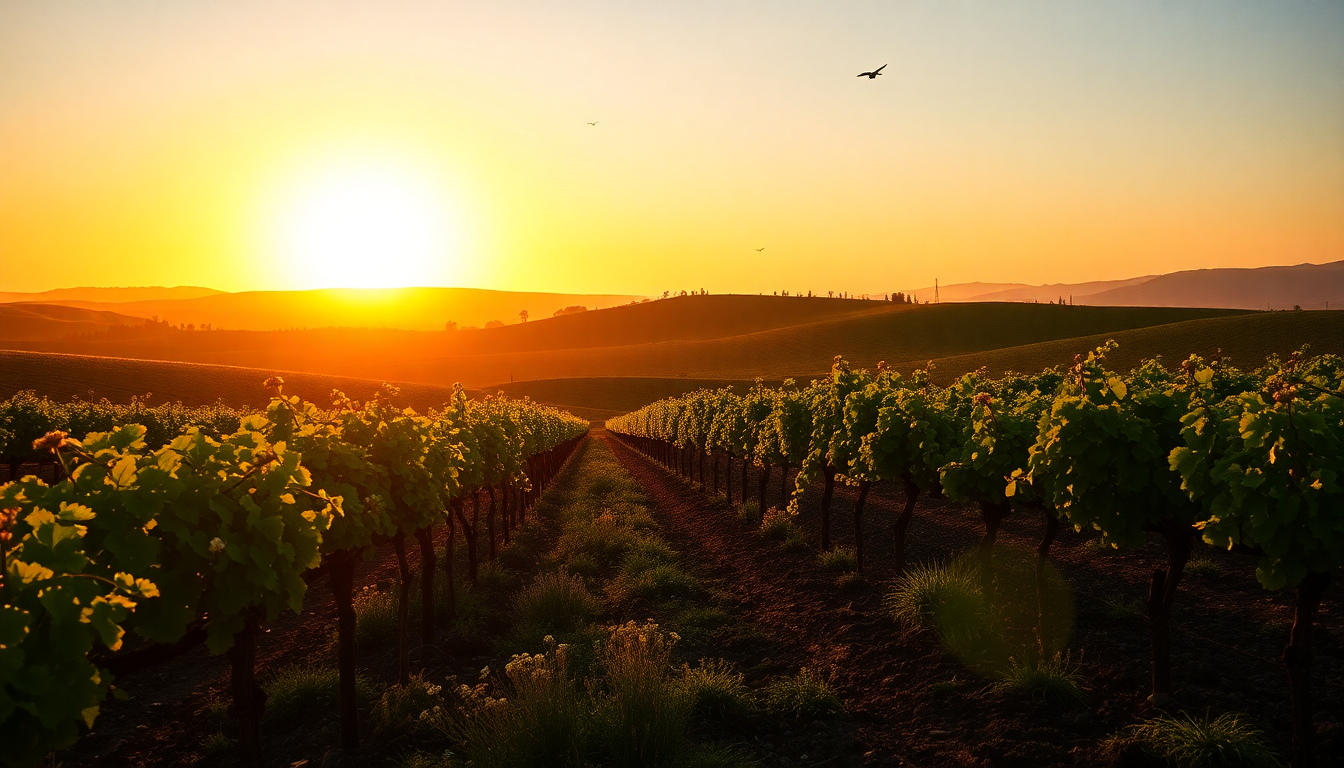
When you walk into a wine shop or browse an online wine retailer, you've probably noticed bottles labeled with terms like "biodynamic," "organic," or "natural." If you've ever wondered what these labels actually mean and whether they're worth the often higher price tag, you're not alone. At Curtis Family Vineyards, we believe that understanding what goes into your wine is just as important as enjoying it. Today, we're diving deep into the world of biodynamic wine—a fascinating approach to viticulture that's gaining momentum among wine enthusiasts and producers alike.
Biodynamic wine production is more than just a marketing buzzword. It represents a comprehensive philosophy about how wine should be made, rooted in principles that go far beyond simply avoiding pesticides. Whether you're a casual wine drinker looking to expand your knowledge or someone considering making the switch to biodynamic wines, this guide will help you understand what makes these wines special, how they're produced, and whether they might be right for you.
Understanding the Basics of Biodynamic Viticulture
Before we can truly appreciate biodynamic wine, we need to understand what biodynamic viticulture actually is. At its core, biodynamic farming is an approach to agriculture that treats the vineyard as a complete, self-sustaining ecosystem. Unlike conventional farming, which often relies on synthetic chemicals and external inputs, biodynamic farming works with nature rather than against it.
The philosophy behind biodynamic viticulture was developed in the 1920s by Rudolf Steiner, an Austrian philosopher and scientist. Steiner proposed that farms should be viewed as living organisms, with all their components—soil, plants, animals, and even cosmic forces—working together in harmony. This holistic approach has evolved over the past century and is now practiced by thousands of vineyards around the world.
The Core Principles of Biodynamics
Biodynamic viticulture is built on several fundamental principles that distinguish it from other sustainable or organic farming methods. First and foremost is the concept of the vineyard as a closed-loop system. Biodynamic farmers aim to produce everything they need within their own vineyard ecosystem, minimizing external inputs. This means creating compost on-site, encouraging beneficial insects, and maintaining soil health through natural means.
Another key principle is the use of specific preparations made from natural materials. These preparations, often called "biodynamic sprays" or "biodynamic preparations," are applied to the vineyard at specific times to enhance soil fertility and plant health. The most famous of these is preparation 500, which involves cow manure fermented in a cow horn buried in the soil during winter. While this might sound unusual to the uninitiated, practitioners swear by its effectiveness in promoting soil microbial activity and plant vitality.
Biodynamic farmers also pay close attention to lunar and seasonal cycles. They believe that the moon's phases influence plant growth and development, and they time their vineyard activities—pruning, planting, harvesting—accordingly. This practice, known as "lunar agriculture," is based on the observation that the moon affects water movement in plants, similar to how it affects ocean tides.
The Difference Between Biodynamic, Organic, and Natural Wine
Many people use the terms "biodynamic," "organic," and "natural" interchangeably when discussing wine, but these categories actually have distinct meanings and requirements. Understanding these differences is crucial for making informed choices about the wines you purchase.
Organic Wine Production
Organic wine production prohibits the use of synthetic pesticides, herbicides, and fungicides. Instead, organic farmers use natural alternatives like sulfur and copper compounds to manage pests and diseases. Organic certification requires that vineyards meet specific standards set by regulatory bodies, which vary by country. In the United States, for example, wines labeled as "organic" must be certified by the USDA and cannot contain added sulfites.
The organic approach focuses primarily on what you don't use—synthetic chemicals—rather than on a comprehensive farming philosophy. While organic farming is certainly better for the environment than conventional farming, it doesn't necessarily embrace the holistic, ecosystem-based approach that defines biodynamic viticulture.
Natural Wine Production
Natural wine is perhaps the most loosely defined category of the three. There's no official certification for natural wine, and different producers have different interpretations of what "natural" means. Generally, natural wines are made with minimal intervention, using native yeasts for fermentation and little to no added sulfites. Natural winemakers often eschew modern winemaking techniques in favor of traditional methods.
Natural wines can be made from organically or biodynamically grown grapes, but they can also be made from conventionally grown grapes. The focus is on the winemaking process rather than the vineyard practices. Natural wines are known for their unpredictability—they can be absolutely delicious or quite challenging, depending on how the fermentation process unfolds.
Biodynamic Wine Production
Biodynamic wine production encompasses both the vineyard practices and, often, the winemaking philosophy. Biodynamic certification is more rigorous than organic certification and requires adherence to specific practices outlined by biodynamic certification bodies like Demeter International. Biodynamic vineyards must follow the principles we discussed earlier, including the use of specific preparations and attention to lunar cycles.
Importantly, biodynamic viticulture is a subset of organic viticulture—all certified biodynamic vineyards are also organic, but not all organic vineyards are biodynamic. Biodynamic farming goes further, incorporating a comprehensive philosophy about how humans should work with nature.
The Science Behind Biodynamic Practices
One of the most common criticisms of biodynamic viticulture is that some of its practices seem unscientific or even mystical. The use of cow horns, lunar cycles, and cosmic forces can certainly sound unconventional to modern ears. However, there is actually a growing body of scientific research that supports many biodynamic practices, even if the mechanisms aren't fully understood.
Soil Health and Microbial Activity
One area where biodynamic practices have shown clear benefits is soil health. Biodynamic vineyards typically have more diverse microbial communities in their soil compared to conventional vineyards. This increased microbial diversity leads to better nutrient cycling, improved water retention, and greater soil resilience. The biodynamic preparations, particularly preparation 500, have been shown in studies to increase microbial activity in the soil, which enhances nutrient availability for the vines.
Healthy soil is the foundation of healthy plants and, ultimately, high-quality wine. Vines grown in biodynamically managed soil tend to have deeper root systems, which allows them to access more nutrients and water. This results in grapes with more complex flavor profiles and better balance.
Plant Immunity and Disease Resistance
Another area where biodynamic practices show promise is in enhancing plant immunity and disease resistance. Some biodynamic preparations contain minerals and plant materials that have been shown to stimulate the plant's natural defense mechanisms. For example, preparation 501, which is made from ground quartz, is believed to enhance the plant's ability to utilize light energy and resist fungal diseases.
While the exact mechanisms aren't fully understood, research has shown that biodynamically managed vineyards often have lower disease pressure compared to conventional vineyards, even without the use of synthetic fungicides. This could be due to the enhanced plant immunity, the increased biodiversity in the vineyard ecosystem, or a combination of factors.
Biodiversity and Ecosystem Balance
Biodynamic vineyards are typically more biodiverse than conventional vineyards. This increased biodiversity creates a more balanced ecosystem where natural predators keep pest populations in check. For example, biodynamic vineyards often have populations of beneficial insects like ladybugs and parasitic wasps that prey on common vineyard pests. This natural pest control reduces the need for any kind of pesticide application, synthetic or otherwise.
The increased biodiversity also contributes to soil health. A diverse community of soil organisms—bacteria, fungi, nematodes, and arthropods—creates a more resilient and productive soil ecosystem. This is one reason why biodynamic vineyards often show improved soil structure and water-holding capacity over time.
The Biodynamic Calendar and Lunar Cycles
One of the most distinctive aspects of biodynamic viticulture is the use of the biodynamic calendar, which guides vineyard activities based on lunar and seasonal cycles. While this practice might seem mystical to outsiders, it's based on careful observation and has been refined over decades of practice.
Understanding the Lunar Cycle
The biodynamic calendar divides the lunar month into four phases: the new moon, the first quarter, the full moon, and the last quarter. Each phase is believed to have different effects on plant growth and development. During the new moon and first quarter, when the moon is waxing, the emphasis is on above-ground growth. During the full moon and last quarter, when the moon is waning, the emphasis shifts to root development and below-ground processes.
Biodynamic farmers use this knowledge to time their vineyard activities. For example, pruning is often done during the waning moon to encourage root development and strengthen the vine's foundation. Harvesting might be timed to coincide with specific lunar phases to optimize the quality of the grapes.
The Zodiacal Calendar
In addition to the lunar cycle, the biodynamic calendar also incorporates the zodiacal calendar. The zodiac is divided into four elements—fire, earth, air, and water—each associated with different types of plant growth. Fire and air signs are associated with above-ground growth, while earth and water signs are associated with root development and flowering.
Biodynamic farmers use this information to plan their vineyard activities throughout the year. For example, they might prune during an earth sign to encourage root development, or harvest during a fire sign to enhance the wine's aromatic qualities.
Practical Application in the Vineyard
In practice, the biodynamic calendar helps farmers make decisions about when to perform specific tasks. While some of these decisions might seem arbitrary to conventional farmers, biodynamic practitioners report that timing their activities according to the calendar results in better outcomes. For example, they might notice that compost applied during certain lunar phases breaks down more quickly or that pruning done at specific times results in healthier vine growth.
It's important to note that while the biodynamic calendar is based on observation and tradition, it's not a substitute for practical vineyard management. Biodynamic farmers still need to monitor their vineyards for pests and diseases, manage canopy growth, and make decisions based on current conditions. The calendar is a tool that helps optimize these activities, not a rigid set of rules that overrides practical considerations.
Biodynamic Preparations: What They Are and How They Work
One of the most distinctive aspects of biodynamic viticulture is the use of specific preparations made from natural materials. These preparations are applied to the vineyard at specific times to enhance soil fertility, plant health, and wine quality. While the names and descriptions of these preparations might sound unusual, they're based on careful observation and have been refined over decades of practice.
Preparation 500: The Foundation
Preparation 500 is perhaps the most famous biodynamic preparation. It's made by filling a cow horn with fresh cow manure and burying it in the soil during the winter months. The manure ferments in the horn over the winter, and in the spring, the fermented material is extracted and diluted in water. This diluted preparation is then sprayed on the vineyard.
The theory behind preparation 500 is that the cow horn acts as a container that concentrates cosmic and telluric forces, enhancing the fermentation process. The fermented manure is rich in beneficial microorganisms and nutrients that stimulate soil microbial activity and plant growth. Research has shown that preparation 500 does indeed increase microbial activity in the soil and can improve plant growth and disease resistance.
Preparation 501: Enhancing Light Utilization
Preparation 501 is made from ground quartz (silica) and is applied to the vineyard foliage during the growing season. The theory is that silica enhances the plant's ability to utilize light energy and strengthens the plant's structure. Silica is indeed an important mineral for plant health, and research has shown that increased silica content can enhance plant immunity and disease resistance.
Compost Preparations: Building Soil Fertility
Biodynamic farmers also use several preparations that are added to compost to enhance its quality and effectiveness. These preparations, numbered 502 through 507, are made from various plant materials like yarrow, chamomile, nettles, oak bark, dandelion, and valerian. Each preparation is believed to have specific effects on soil fertility and plant health.
For example, preparation 502 (yarrow) is believed to enhance potassium and sulfur cycling in the soil, while preparation 503 (chamomile) is believed to improve calcium and silica cycling. These preparations are added to compost in small amounts, and the compost is then applied to the vineyard.
The Efficacy of Biodynamic Preparations
While the mechanisms behind biodynamic preparations aren't fully understood by conventional science, research has shown that they do have measurable effects. Studies have found that biodynamically managed vineyards have higher microbial diversity, better soil structure, and improved plant health compared to conventional vineyards. Whether these improvements are due to the specific preparations or to the overall biodynamic approach is still being researched, but the results are clear.
The Environmental Benefits of Biodynamic Viticulture
One of the most compelling reasons to choose biodynamic wine is the environmental benefits of biodynamic viticulture. Biodynamic farming practices are designed to work with nature rather than against it, resulting in vineyards that are more sustainable and environmentally friendly than conventional vineyards.
Reduced Chemical Input
The most obvious environmental benefit of biodynamic viticulture is the elimination of synthetic pesticides, herbicides, and fungicides. These chemicals can contaminate groundwater, harm non-target organisms, and disrupt ecosystems. By relying on natural pest management and soil health to prevent disease, biodynamic vineyards avoid these problems.
Enhanced Biodiversity
Biodynamic vineyards are typically more biodiverse than conventional vineyards. This increased biodiversity benefits not only the vineyard itself but also the surrounding ecosystem. Birds, insects, and other wildlife find habitat in biodynamic vineyards, and the diverse plant and animal communities create a more resilient ecosystem.
Improved Soil Health
Biodynamic practices lead to improved soil health, which has numerous environmental benefits. Healthy soil sequesters more carbon, retains more water, and is more resistant to erosion. Over time, biodynamic vineyards build soil organic matter, which improves the soil's ability to support plant growth and resist degradation.
Water Conservation
Biodynamically managed vineyards typically have better water retention in the soil due to improved soil structure and increased organic matter. This means that vines can access water more efficiently, reducing the need for irrigation. In regions where water is scarce, this can be a significant environmental benefit.
Climate Resilience
The improved soil health and increased biodiversity in biodynamic vineyards make them more resilient to climate variability. Vines with deeper root systems can access water during droughts, and diverse ecosystems are more resistant to pest outbreaks and disease. As climate change brings more extreme weather events, this resilience becomes increasingly important.
The Quality and Taste of Biodynamic Wine
Beyond the environmental and philosophical benefits, many wine enthusiasts choose biodynamic wines because they believe they taste better. But is this just marketing hype, or is there something real to the claim that biodynamic wines have superior quality?
Terroir Expression
One of the most commonly cited benefits of biodynamic viticulture is that it enhances the expression of terroir—the unique characteristics of a vineyard's location, including soil, climate, and topography. Biodynamic farmers argue that by working with nature and building healthy soil, they allow the vines to express the unique qualities of their environment more fully.
This makes sense from a viticultural perspective. Vines grown in healthy soil with deep root systems can access a wider range of minerals and nutrients, which can result in more complex and nuanced flavors. Additionally, vines that are healthier and more resilient may produce grapes with better balance and more interesting flavor profiles.
Flavor Complexity
Many wine professionals and enthusiasts report that biodynamic wines have greater flavor complexity and depth compared to conventional wines. This could be due to several factors: the improved soil health leading to more complex grape chemistry, the reduced use of chemicals allowing natural flavors to shine through, or the overall philosophy of minimal intervention in the winemaking process.
Aging Potential
Some biodynamic wine enthusiasts claim that biodynamic wines have better aging potential than conventional wines. While this is difficult to prove definitively, it makes sense that wines made from grapes grown in healthy soil with better balance might age more gracefully. However, aging potential depends on many factors, including grape variety, winemaking technique, and storage conditions, so it's difficult to attribute this solely to biodynamic viticulture.
The Placebo Effect
It's important to acknowledge that some of the perceived superiority of biodynamic wines might be due to the placebo effect. If you know that a wine is biodynamic and you believe that biodynamic wines are better, you might unconsciously rate it more highly. This is a well-documented phenomenon in wine tasting, and it's difficult to separate from the actual quality of the wine.
That said, blind tastings have shown that biodynamic wines often perform well compared to conventional wines, suggesting that there is something real to the quality difference, not just placebo effect.
Biodynamic Certification and Standards
If you


Leave a comment
This site is protected by hCaptcha and the hCaptcha Privacy Policy and Terms of Service apply.