

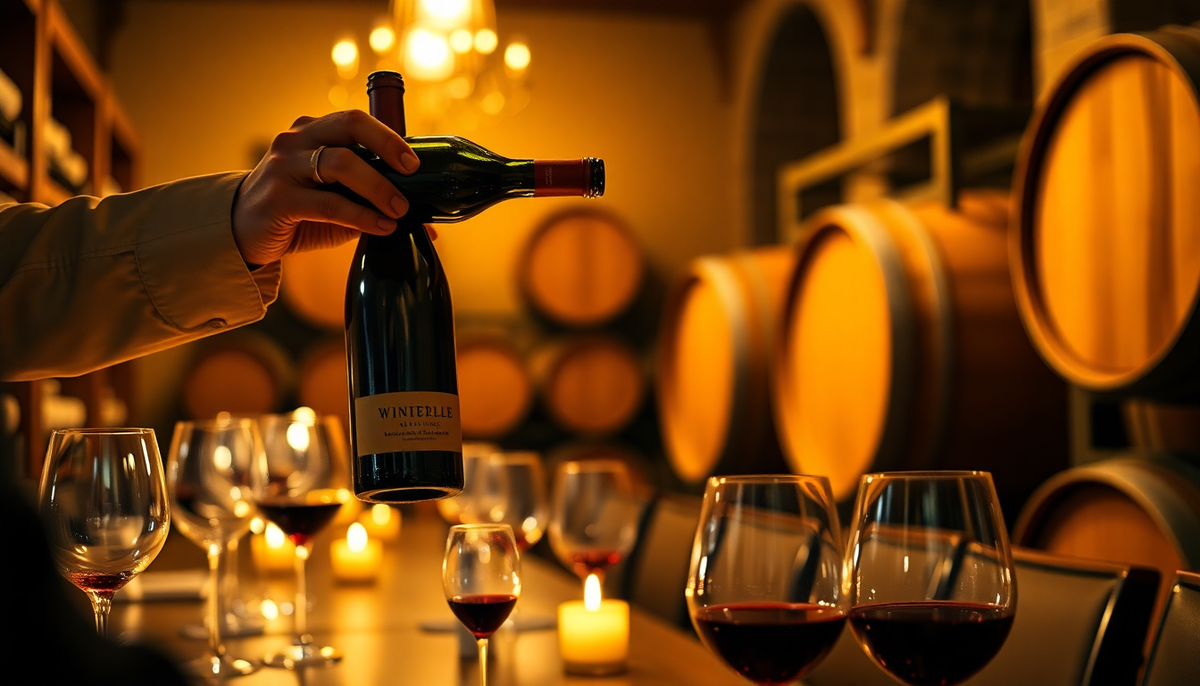
Anniversaries are milestones that deserve to be celebrated in style, and few things capture the essence of a special occasion quite like a carefully selected bottle of wine. Whether you're commemorating your first year together or your fiftieth, choosing the right wine can transform a meaningful moment into an unforgettable memory. At Curtis Family Vineyards, we understand that selecting an anniversary wine is more than just picking a bottle off the shelf—it's about finding a wine that tells a story, reflects your taste, and honors the significance of your relationship.
This comprehensive guide will walk you through everything you need to know about selecting the perfect anniversary wine. From understanding different wine styles and regions to considering your budget and personal preferences, we'll help you navigate the world of wine with confidence and discover a bottle that's truly worth celebrating.
Understanding the Significance of Anniversary Wines
Throughout history, wine has been intertwined with celebrations and milestones. The tradition of pairing specific wines with anniversaries dates back centuries, with different wines becoming associated with different years of marriage. While modern anniversary traditions have evolved, the symbolism of wine as a gift of celebration remains as strong as ever.
When you choose a wine for an anniversary, you're not simply selecting a beverage—you're making a statement about the importance of the occasion. A thoughtfully chosen bottle demonstrates care, consideration, and an understanding of your partner's preferences. It shows that you've taken time to reflect on what would bring joy and create a memorable experience.
The beauty of wine as an anniversary gift lies in its versatility. Whether you're celebrating a milestone year or simply want to mark another year of togetherness, there's a wine out there that's perfect for your occasion. The key is understanding what makes a wine special and how to match it with your unique celebration.
The Traditional Anniversary Wine Selections
Many people are familiar with the concept of traditional anniversary gifts, and wine plays a significant role in these traditions. Understanding these associations can help guide your selection, even if you choose to venture beyond the traditional recommendations.
For the first anniversary, traditionally associated with paper, many couples choose light, fresh wines that symbolize new beginnings. Champagne or Prosecco are popular choices, representing celebration and the effervescence of new love. These sparkling wines are perfect for toasting to the year ahead and setting a joyful tone for future celebrations.
The fifth anniversary, traditionally marked with wood, pairs beautifully with wines aged in oak barrels. These wines have developed complexity and character through their time in wood, much like a relationship that has deepened over five years. Burgundy, Bordeaux, or quality American oak-aged wines are excellent choices for this milestone.
The tenth anniversary, traditionally associated with tin or aluminum, calls for wines with a silvery, refined quality. This is an excellent time to explore premium selections that have been carefully crafted and refined. A fine Riesling, aged white Burgundy, or a prestigious red wine would be appropriate choices.
The twenty-fifth anniversary, marked by silver, suggests wines with a bright, luminous quality. Champagne is a traditional choice for this milestone, particularly vintage Champagne that has been aged to perfection. The silver bubbles and pale golden color of quality Champagne make it a fitting choice for this significant celebration.
The fiftieth anniversary, the golden anniversary, calls for wines of exceptional quality and prestige. Vintage wines from significant years, rare selections, or wines from prestigious producers are appropriate choices. These wines should be of a quality that reflects the remarkable achievement of fifty years together.
Exploring Wine Regions and Styles
One of the most enjoyable aspects of selecting an anniversary wine is exploring the diverse world of wine regions and styles. Each region produces wines with distinct characteristics, influenced by climate, soil, grape varieties, and winemaking traditions. Understanding these differences can help you find a wine that resonates with your palate and preferences.
Old World Wine Regions
The traditional wine regions of Europe—France, Italy, Spain, and Germany—are often referred to as the Old World. These regions have centuries of winemaking tradition and have established themselves as producers of some of the world's finest wines.
France remains the gold standard for many wine enthusiasts. Bordeaux produces powerful red wines blended from Cabernet Sauvignon, Merlot, and other varieties. These wines are known for their structure, aging potential, and complexity. A fine Bordeaux wine can age for decades, making it an excellent choice for a milestone anniversary where you might want to cellar the wine for a special future occasion.
Burgundy, also in France, produces elegant Pinot Noir and Chardonnay wines that are prized for their finesse and subtlety. These wines often have a sense of place that reflects the specific vineyard where the grapes were grown. A quality Burgundy wine is a sophisticated choice for an anniversary celebration.
Champagne, the northernmost wine region of France, produces the world's most celebrated sparkling wine. Champagne is synonymous with celebration and is an excellent choice for virtually any anniversary. The complexity, elegance, and festive nature of Champagne make it a timeless anniversary selection.
Italy's wine regions offer tremendous diversity. Tuscany produces Chianti and Brunello di Montalcino, wines with earthy character and food-friendly acidity. Piedmont in northern Italy produces Barolo and Barbaresco, powerful wines made from the Nebbiolo grape that are known for their structure and aging potential.
Spain's Rioja region produces wines with a distinctive style, often aged in American oak which gives them a vanilla and spice character. These wines offer excellent value and are increasingly recognized for their quality and complexity.
Germany produces exceptional white wines, particularly Rieslings, which range from dry to sweet. German wines are known for their elegance, aromatic qualities, and the ability to pair beautifully with a wide range of foods.
New World Wine Regions
The New World wine regions—primarily in North America, South America, Australia, and New Zealand—have emerged as major players in the global wine market. These regions often produce wines with bold fruit flavors and modern winemaking techniques.
California's Napa Valley is renowned for its Cabernet Sauvignon wines, which are full-bodied, fruit-forward, and often aged in new French oak. Napa Valley wines have become synonymous with premium American wine and are excellent choices for special occasions.
Sonoma County in California offers diverse wine styles, from Pinot Noir to Zinfandel, often at slightly more accessible price points than Napa Valley wines. The region's varied microclimates allow for the production of many different wine styles.
Oregon's Willamette Valley has established itself as a premier Pinot Noir region, producing elegant wines with bright acidity and red fruit flavors. These wines are often more food-friendly and approachable than their California counterparts.
Washington State produces excellent Cabernet Sauvignon and Riesling wines, with the Columbia Valley region being particularly notable for its quality and consistency.
Argentina's Mendoza region is famous for its Malbec wines, which are full-bodied, fruit-forward, and often offer excellent value. Argentine wines have become increasingly popular for celebrations due to their quality and affordability.
Chile produces a wide range of wines, from Cabernet Sauvignon to Carmenere, often at very reasonable prices. Chilean wines offer excellent quality-to-value ratios, making them accessible choices for anniversary celebrations.
Australia's wine regions produce bold, fruit-forward wines, particularly Shiraz, which are known for their richness and power. Australian wines are increasingly recognized for their quality and are excellent choices for those who prefer fuller-bodied wines.
New Zealand's Marlborough region produces exceptional Sauvignon Blanc wines, known for their vibrant acidity and distinctive herbaceous character. New Zealand also produces excellent Pinot Noir wines from the Central Otago region.
Matching Wine to Your Preferences
Selecting an anniversary wine ultimately comes down to understanding your own preferences and those of your partner. Wine appreciation is deeply personal, and what matters most is choosing a wine that you'll both enjoy.
Understanding Your Palate
Before selecting an anniversary wine, take time to reflect on what styles of wine you typically enjoy. Do you prefer red wines or white wines? Are you drawn to full-bodied wines with high alcohol content, or do you prefer lighter, more delicate wines? Do you enjoy wines with oak aging, or do you prefer wines that showcase the fruit character of the grape?
Consider wines you've enjoyed in the past. If you've had a particularly memorable wine experience, that might provide inspiration for your anniversary selection. Perhaps you enjoyed a wine during a special trip, or a wine that was served at a meaningful event. These memories can guide your selection.
Think about the foods you enjoy. Wine is meant to be enjoyed with food, and selecting a wine that pairs well with your favorite dishes will enhance your anniversary celebration. If you're planning a special dinner, consider what you'll be eating and select a wine that complements those flavors.
Exploring New Styles
While it's important to consider your established preferences, an anniversary is also an excellent opportunity to explore new wine styles. Perhaps you've primarily enjoyed red wines but want to discover a white wine that might surprise you. Or maybe you've never tried a natural wine or an orange wine, and this is the perfect occasion to expand your horizons.
Wine exploration can be enjoyable and rewarding. Visit a local wine shop and speak with knowledgeable staff members who can offer recommendations based on your preferences. Many wine shops offer tastings, which provide an excellent opportunity to sample wines before making a purchase.
Online wine communities and resources can also provide valuable guidance. Wine review websites, blogs, and social media communities dedicated to wine can offer recommendations and insights from other wine enthusiasts.
Considering Your Budget
Anniversary wines are available at virtually every price point, from under twenty dollars to several hundred dollars or more. Determining your budget is an important first step in the selection process.
Budget-Friendly Options
If you're working with a modest budget, don't despair. Many excellent wines are available for under fifty dollars. Quality wine producers around the world have made it possible to find delicious, well-made wines at accessible price points.
Spanish wines from Rioja and Priorat offer excellent quality at reasonable prices. Portuguese wines, particularly those from the Douro Valley, provide outstanding value. Argentine Malbecs and Chilean Cabernet Sauvignons are known for their quality-to-value ratios.
Many wine regions produce excellent wines at lower price points. Look for wines from emerging regions or from producers who are building their reputation. These wines often offer excellent quality at more accessible prices than established, prestigious producers.
Mid-Range Selections
In the fifty to one hundred fifty dollar range, you'll find many excellent wines from established producers and regions. This price range allows you to select wines from prestigious regions like Bordeaux or Burgundy, or premium selections from New World producers.
Wines in this price range often have more complexity and aging potential than less expensive options. They're suitable for special occasions and will provide a memorable tasting experience.
Premium and Luxury Selections
For those with a larger budget, wines over one hundred fifty dollars offer the opportunity to select truly exceptional bottles. These might include rare vintages, wines from prestigious producers, or wines from legendary vineyards.
Premium wines often have significant aging potential and can be cellared for future occasions. Some people choose to purchase a premium wine for a milestone anniversary with the intention of opening it on a future anniversary, creating a tradition of celebrating with increasingly mature wines.
Vintage Considerations
The vintage, or year the grapes were harvested, can significantly impact a wine's character and quality. Understanding vintage variation can help you make an informed selection.
Understanding Vintage Quality
Some years produce exceptional wines due to ideal growing conditions, while other years result in wines that are less impressive. Vintage charts and ratings can provide guidance on which years produced the best wines in specific regions.
However, it's important to remember that vintage ratings are generalizations. A wine from a "lesser" vintage year might still be excellent, particularly if it comes from a skilled producer who knows how to make the best of challenging conditions.
Selecting Vintage Years
For anniversary wines, some people like to select wines from the year of their wedding or the year they were born. This adds a personal significance to the selection. Wines from significant years in your relationship can also be meaningful choices.
If you're selecting a wine to age, choosing a vintage from a year known for producing long-lived wines in that region is important. Conversely, if you plan to drink the wine soon, selecting a vintage that's currently drinking well is more appropriate.
The Role of Wine Ratings and Reviews
Wine ratings and reviews can be helpful tools in the selection process, but they should be considered as guidance rather than definitive judgments.
Understanding Wine Ratings
Major wine publications and critics assign numerical ratings to wines, typically on a 100-point scale. These ratings can help you identify highly regarded wines, but they shouldn't be the only factor in your decision.
Remember that wine appreciation is subjective. A wine that receives a high rating from a professional critic might not be your personal preference. Conversely, a wine with a lower rating might be exactly what you're looking for.
Using Reviews Wisely
Wine reviews can provide valuable information about a wine's characteristics, flavor profile, and aging potential. Reading multiple reviews can give you a well-rounded perspective on a wine.
However, don't let reviews discourage you from trying a wine that appeals to you. The best wine is the one you enjoy, regardless of what critics say.
Presentation and Packaging
The presentation of your anniversary wine contributes to the overall experience of the celebration. Consider how the wine will be presented and whether special packaging might enhance the occasion.
Bottle Selection
Standard 750ml bottles are the most common, but wines are available in various sizes. Larger format bottles, such as magnums (1.5 liters), can be impressive for special occasions. Smaller bottles, such as half-bottles (375ml), might be appropriate if you prefer to open a premium wine without committing to a full bottle.
Gift Presentation
If you're presenting the wine as a gift, consider special packaging or presentation. Many wine retailers offer gift wrapping services, and some wines come in special packaging designed for gift-giving.
A handwritten note explaining why you selected this particular wine can add a personal touch. Share what the wine means to you, why you chose it, or what you hope to experience when you open it together.
Cellaring Considerations
If you're selecting a wine to age, proper storage is essential. Wine should be stored on its side in a cool, dark place with consistent temperature. If you don't have ideal storage conditions at home, consider using a professional wine storage facility.
Food Pairing for Your Anniversary Celebration
Selecting a wine that pairs well with your anniversary meal is an important consideration. The right wine and food combination can elevate both the wine and the food, creating a memorable culinary experience.
Classic Pairings
Red wines pair beautifully with red meats, game, and rich sauces. If you're planning a steak dinner, a Cabernet Sauvignon or Bordeaux wine would be excellent choices. For lamb, consider a wine with good structure and tannins, such as a Barolo or a Rhône wine.
White wines pair well with seafood, poultry, and lighter dishes. A Sauvignon Blanc or Albariño would complement fish beautifully. For chicken, consider a Chardonnay or a white Burgundy.
Rosé wines are versatile and pair well with a wide range of foods. They're particularly good with Mediterranean cuisine, salads, and lighter fare.
Sparkling wines pair well with virtually any food and are particularly good with appetizers, seafood, and desserts.
Exploring Food and Wine Pairing
The principles of food and wine pairing involve matching the weight and intensity of the wine with the weight and intensity of the food. A light wine pairs well with light food, while a full-bodied wine complements heavier, richer dishes.
Consider the flavors in your dish and look for wines with complementary or contrasting flavors. A wine with acidity can cut through rich, fatty foods. A wine with tannins can complement foods with umami flavors.
Don't be afraid to experiment. Some of the most interesting pairings come from unexpected combinations. If you're unsure about a pairing, consult with a wine professional or do some research online.
Special Anniversary Wine Traditions
Many couples develop their own wine traditions around anniversaries, creating meaningful rituals that mark the passage of time in their relationship.
The Anniversary Wine Collection
Some couples start a wine collection, purchasing a special bottle each anniversary. Over time, this creates a collection of wines from different years, regions, and producers, each representing a specific year in their relationship. Opening these wines on future anniversaries becomes a way of revisiting memories and celebrating the journey together.
Vertical Tastings
A vertical tasting involves tasting multiple vintages of the same wine from the same producer. For an anniversary celebration, you might purchase two or three different vintages of a wine you both enjoy and taste them side by side. This allows you to experience how the wine has evolved over time and provides interesting conversation about the differences between vintages.
Wine and Travel
If you've traveled to wine regions together, selecting a wine from a region you've visited can be a meaningful way to commemorate that experience. Alternatively, you might use your anniversary as an opportunity to plan a wine country trip, selecting wines from the region you plan to visit.
Sharing Wine with Loved Ones
Some couples choose to share their anniversary wine with close friends and family, turning the celebration into a communal experience. This might involve hosting a dinner party where the anniversary wine is served, or simply sharing a glass with those closest to you.


Leave a comment
This site is protected by hCaptcha and the hCaptcha Privacy Policy and Terms of Service apply.