

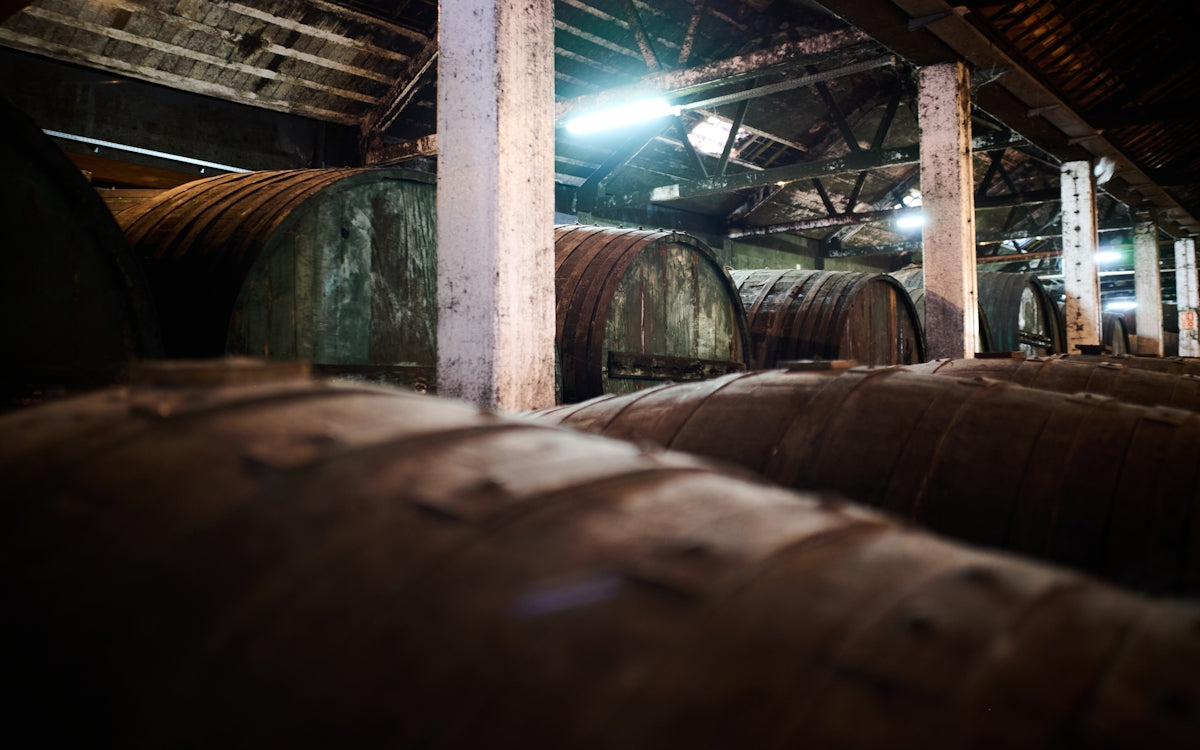
In the world of winemaking, sustainability and environmental consciousness have taken centre stage, leading to the rise of both organic and biodynamic practices. While these two approaches share certain similarities, they have distinct differences that set them apart. As a family-run vineyard committed to producing high-quality wines with sustainable practices, Curtis Family Vineyards offers both types of wines. Let's explore these methods to understand how they impact the wines you love.
Organic Winemaking
Organic winemaking is a method that focuses on producing wine without synthetic chemicals, such as pesticides, herbicides, and artificial fertilisers. The essence of organic wine-growing is the nurturing of fertile soil and healthy vines, resulting in grapes that reflect the terroir of the vineyard. The grapes are cultivated in harmony with nature, maintaining biodiversity and ecosystem health.
One fine example of organic wine from our selection is the Heritage Grenache, a wine that not only embodies the spirit of its origin but also champions sustainable cultivation practices. By choosing organic wines like ours, you're supporting a winemaking culture that values the environment.
Biodynamic Winemaking
Biodynamic winemaking, on the other hand, takes a holistic approach. It was inspired by the philosophies of Rudolf Steiner in the early 20th century. It integrates the entire farm as a single organism, incorporating the lunar calendar and natural cycles. Biodynamic farming goes beyond organic; it includes preparations made from fermented manure, minerals, and herbs to enhance the vitality of the vineyard.
By following the lunar and astrological influences, biodynamic winemaking creates wines that are a pure expression of nature's rhythm. At Curtis Family Vineyards, our Cavaliere Cabernet Sauvignon embodies this philosophy, offering a robust wine that's a testament to the intricacies of biodynamic practices.
Conclusion
Whether you favour the structured practices of organic winemaking or the holistic approach of biodynamics, each method provides unique benefits, contributing to the creation of exceptional wines. Curtis Family Vineyards is proud to offer wines that reflect our commitment to the environment and quality—resulting in wines that not only taste delightful but also honour sustainable practices.
Explore our collection and experience the difference with wines like the Martins Vineyard Shiraz and the refreshing Queen of Hearts Rosè, crafted with passion and respect for the land that nurtures our vines.
Visit Curtis Family Vineyards to learn more about our commitment to sustainable winemaking and discover our full range of products that capture the essence of McLaren Vale.

Leave a comment
This site is protected by hCaptcha and the hCaptcha Privacy Policy and Terms of Service apply.