

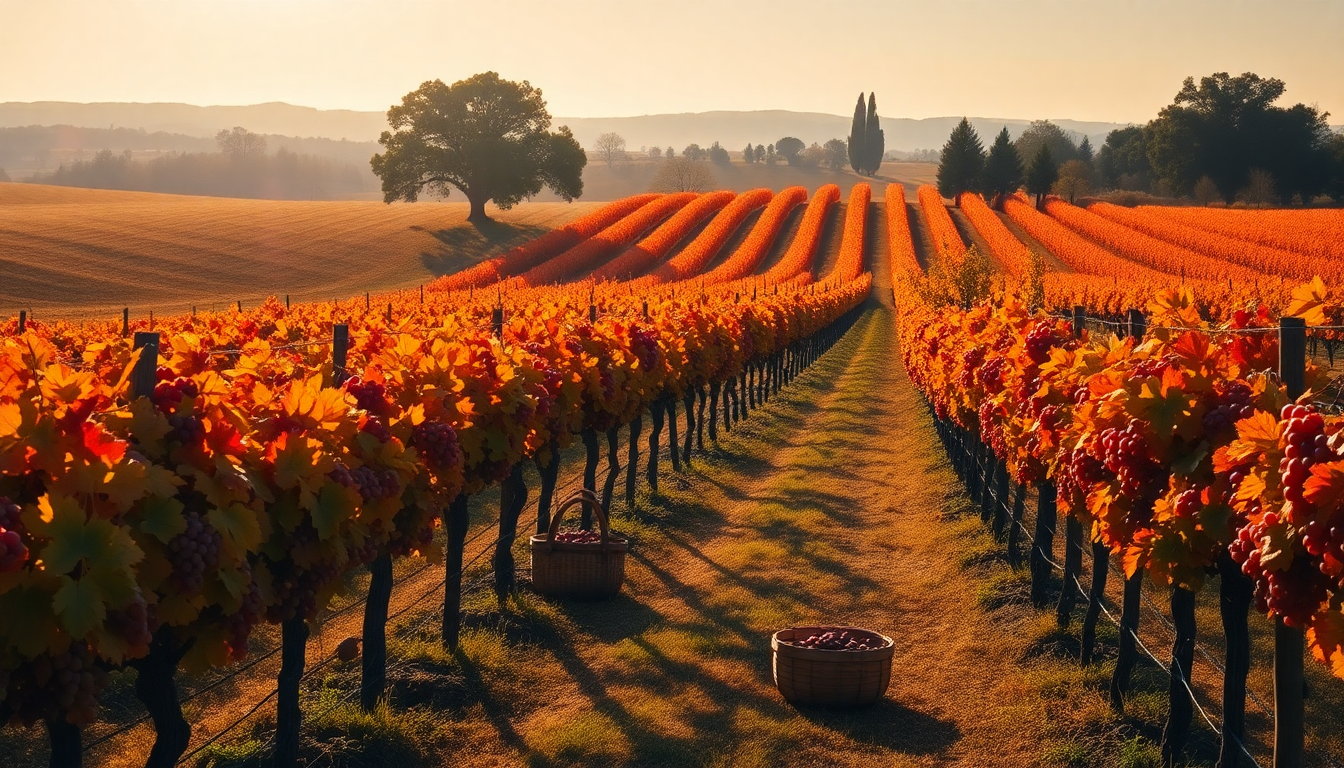
As the summer heat begins to fade and the first hints of cooler weather creep into the air, wine enthusiasts around the world turn their attention to one of the most celebrated times in the vineyard calendar: autumn harvest season. This magical time of year brings with it a sense of anticipation, tradition, and the promise of exceptional wines that will be enjoyed for years to come. At Curtis Family Vineyards, we understand the profound significance of the autumn harvest and the role it plays in creating wines that truly capture the essence of the season.
The autumn harvest represents far more than just the practical task of picking grapes from the vines. It embodies centuries of winemaking tradition, the culmination of months of careful cultivation and monitoring, and the beginning of the transformation process that will turn simple fruit into liquid gold. For those who appreciate fine wine, autumn harvest season is a time to celebrate not only the wines themselves but also the artistry, science, and passion that goes into every bottle.
Understanding the Autumn Harvest Season
The autumn harvest season typically begins in late August or early September in the Northern Hemisphere, though the exact timing varies depending on the specific region, grape variety, and weather conditions of that particular year. This variation in timing is one of the factors that makes each vintage unique and contributes to the character and quality of the wines produced.
The Perfect Timing for Harvest
Determining the optimal time to harvest grapes is one of the most critical decisions a winemaker must make. Too early, and the grapes may lack sufficient sugar development and phenolic ripeness. Too late, and the grapes may become overripe, potentially leading to wines with excessive alcohol content and diminished acidity. This delicate balance is what separates good wines from truly exceptional ones.
At Curtis Family Vineyards, our team of experienced viticulturists monitors the vineyards closely throughout the growing season. We conduct regular testing of sugar levels, acidity, and phenolic maturity to determine the precise moment when each block of grapes has reached optimal ripeness. This meticulous attention to detail ensures that every grape that makes its way to the winery is at its absolute best.
The decision to harvest is influenced by numerous factors. Weather patterns throughout the season, including rainfall, temperature fluctuations, and sunlight exposure, all play crucial roles in determining grape ripeness. A particularly warm autumn can accelerate ripening, while unexpected rain or cool temperatures can slow the process. These natural variables are part of what makes winemaking both an art and a science.
Weather Patterns and Their Impact
The autumn weather patterns in wine-growing regions have a profound impact on the character of the wines produced. A warm, dry autumn allows grapes to achieve optimal ripeness while maintaining good acidity levels, resulting in well-balanced wines with excellent aging potential. Conversely, a cool, wet autumn may result in grapes that struggle to reach full ripeness, potentially leading to wines with higher acidity and lower alcohol content.
Climate change has introduced new challenges and opportunities for winemakers. Some regions are experiencing longer growing seasons, allowing for extended hang time on the vines and greater flavor development. Other regions are facing increased pressure from extreme weather events, including unexpected frosts, hail, or excessive rainfall during the critical harvest period.
Curtis Family Vineyards has adapted to these changing conditions by implementing sustainable vineyard management practices that help us work in harmony with nature. These practices include careful canopy management to optimize sun exposure, strategic irrigation planning, and the use of cover crops to improve soil health and water retention.
The Harvest Process at Curtis Family Vineyards
The actual harvest process is a carefully orchestrated event that requires precision, timing, and teamwork. At Curtis Family Vineyards, we employ both traditional hand-harvesting methods and modern mechanical harvesting techniques, depending on the specific requirements of each vineyard block and the style of wine we're aiming to produce.
Hand Harvesting: A Time-Honored Tradition
Hand harvesting remains an essential part of our winemaking process, particularly for our premium wines. This traditional method allows our harvest team to carefully select individual bunches of grapes, leaving behind any that haven't reached optimal ripeness or that show signs of disease or damage. The selective nature of hand harvesting ensures that only the finest fruit makes its way into our wines.
The hand harvest process begins early in the morning, often before dawn, when the grapes are cool and at their best. Our experienced harvest workers move through the vineyards with practiced efficiency, using sharp pruning shears to cut bunches from the vines and placing them gently into collection bins. This careful handling minimizes damage to the grapes and helps preserve the delicate skins that contain much of the flavor and color compounds we value in our wines.
Hand harvesting is labor-intensive and requires a skilled workforce, but the quality benefits are undeniable. The ability to make real-time decisions about which grapes to harvest and which to leave behind allows us to achieve a level of quality control that simply isn't possible with mechanical harvesting alone.
Mechanical Harvesting: Efficiency Meets Quality
For certain vineyard blocks and wine styles, mechanical harvesting offers significant advantages in terms of efficiency and consistency. Modern mechanical harvesters use gentle vibration technology to remove grapes from the vines without damaging the fruit or the vines themselves. These machines can cover large areas quickly, which is particularly valuable when weather conditions are changing rapidly or when we need to harvest a large volume of grapes in a short timeframe.
The decision to use mechanical harvesting is never taken lightly. We carefully evaluate each vineyard block to determine whether mechanical harvesting is appropriate. For wines where we prioritize freshness and delicate flavors, hand harvesting remains our preferred method. For wines where we're seeking bold, fruit-forward characteristics, mechanical harvesting can be an excellent choice.
The Journey from Vineyard to Winery
Once the grapes have been harvested, they begin their journey to the winery, where the real magic of winemaking begins. At Curtis Family Vineyards, we understand that the handling of grapes between the vineyard and the winery is critical to the final quality of the wine. We use refrigerated transport whenever possible to keep the grapes cool and preserve their freshness.
The time between harvest and processing is kept as short as possible. Ideally, grapes should be processed within a few hours of harvest to minimize oxidation and preserve the delicate aromatic compounds that contribute to the wine's character. This commitment to minimal processing time is one of the hallmarks of our winemaking philosophy.
The Science Behind Autumn Harvest Wines
The autumn harvest produces wines with distinct characteristics that set them apart from wines made from grapes harvested at other times of the year. Understanding the science behind these differences helps us appreciate why autumn harvest wines hold such a special place in the world of fine wine.
Sugar Development and Fermentation
As grapes ripen on the vine, they accumulate sugars through a process called photosynthesis. These sugars are essential for fermentation, the process by which yeast converts sugar into alcohol and carbon dioxide. The amount of sugar in the grapes at harvest directly influences the potential alcohol content of the finished wine.
Autumn harvest grapes typically have higher sugar levels than grapes harvested earlier in the season, which means they can produce wines with higher alcohol content. This increased alcohol can contribute to a fuller body and more intense flavors in the finished wine. However, achieving the right balance between alcohol content and acidity is crucial for creating wines that are both powerful and elegant.
At Curtis Family Vineyards, we carefully monitor sugar levels throughout the ripening process. We use a measurement called Brix, which indicates the percentage of sugar in the grape juice. Different grape varieties and wine styles require different Brix levels at harvest. For example, grapes destined for sparkling wine might be harvested at lower Brix levels to maintain higher acidity, while grapes for full-bodied red wines might be harvested at higher Brix levels to achieve greater richness and complexity.
Phenolic Ripeness and Flavor Development
While sugar content is important, it's only part of the story. Phenolic ripeness, which refers to the maturity of the compounds that contribute to color, tannin structure, and flavor, is equally important. These phenolic compounds develop gradually throughout the growing season and reach their peak at a specific point in the ripening process.
For red wines, phenolic ripeness is particularly important because these compounds contribute to the wine's color, tannin structure, and aging potential. Grapes harvested at optimal phenolic ripeness produce wines with better color stability, more refined tannins, and greater complexity. This is why experienced winemakers often prioritize phenolic ripeness over sugar content when making harvest decisions.
Autumn harvest conditions often favor the development of these phenolic compounds. The cooler nights and warmer days of early autumn create ideal conditions for flavor development while maintaining good acidity levels. This balance is what allows autumn harvest wines to achieve such remarkable complexity and aging potential.
Acidity and Balance
Acidity is one of the most important components of wine, yet it's often overlooked by casual wine drinkers. Acidity provides structure, freshness, and aging potential to wine. It also acts as a natural preservative, helping wines age gracefully over many years.
As grapes ripen, their acidity naturally decreases. This is why timing the harvest is so critical. Harvest too early, and the wine may be too acidic and lack ripe fruit flavors. Harvest too late, and the wine may lack the acidity needed for balance and aging potential. The autumn harvest season, with its cooler nights, helps preserve acidity levels while allowing sugars and phenolic compounds to develop fully.
At Curtis Family Vineyards, we conduct regular acidity tests throughout the ripening period. We measure both titratable acidity (the total amount of acid in the wine) and pH (which indicates how strong or weak those acids are). These measurements help us determine the optimal harvest date for each vineyard block.
Autumn Harvest Wine Styles and Characteristics
Different grape varieties and winemaking techniques produce distinctly different wine styles during the autumn harvest. Understanding these variations helps wine enthusiasts appreciate the diversity and complexity of autumn harvest wines.
Full-Bodied Red Wines
Autumn harvest conditions are particularly favorable for producing full-bodied red wines. The extended ripening period allows red grape varieties like Cabernet Sauvignon, Merlot, and Syrah to develop deep color, rich flavors, and well-structured tannins. These wines often exhibit notes of dark fruits, spices, and earth, with a velvety texture that appeals to many wine lovers.
At Curtis Family Vineyards, our autumn harvest red wines are crafted to showcase the best characteristics of our vineyard. We use careful temperature control during fermentation to extract optimal color and flavor while managing tannin extraction. The result is wines that are both powerful and elegant, with excellent aging potential.
Elegant White Wines
While red wines often steal the spotlight during autumn harvest season, white wines produced from autumn-harvested grapes can be equally impressive. Varieties like Chardonnay and Sauvignon Blanc benefit from the extended ripening period, developing greater complexity and depth while maintaining the freshness and acidity that define great white wines.
Autumn harvest white wines often exhibit richer, more complex flavors than their earlier-harvested counterparts. They may show notes of stone fruits, citrus, and minerals, with a fuller body and greater aging potential. These wines pair beautifully with a wide range of foods and can age gracefully for many years.
Dessert Wines and Late Harvest Selections
Some of the world's most prized wines are produced from grapes harvested late in the autumn season. Late harvest wines, ice wines, and other dessert wines are made from grapes that have achieved exceptional ripeness and often show the effects of noble rot, a beneficial fungus that concentrates sugars and flavors in the grapes.
These wines are characterized by their sweetness, complexity, and remarkable aging potential. A great late harvest wine can age for decades, developing increasingly complex flavors and aromas as it matures. At Curtis Family Vineyards, we produce a selection of late harvest wines that showcase the incredible potential of autumn-harvested grapes.
The Winemaking Process Following Harvest
Once the grapes arrive at the winery, the transformation from fruit to wine begins in earnest. The autumn harvest marks the beginning of a complex process that will continue for months or even years.
Crushing and Destemming
The first step in the winemaking process is crushing the grapes to break the skins and release the juice. At Curtis Family Vineyards, we use gentle crushing techniques that break the skins without damaging the seeds, which can impart bitter flavors if crushed too aggressively.
For red wines, the grapes are typically destemmed, meaning the stems are removed before fermentation. The stems contain tannins that can be harsh and astringent if not managed carefully. However, some winemakers choose to include a portion of whole clusters (uncrushed grapes with stems attached) in the fermentation to add complexity and structure.
Fermentation
Fermentation is the process by which yeast converts the sugars in grape juice into alcohol and carbon dioxide. This is where the real transformation occurs, as the simple grape juice begins to develop the complex flavors and aromas that define wine.
At Curtis Family Vineyards, we use a combination of wild yeast fermentation and cultured yeast inoculation, depending on the specific wine we're producing. Wild yeast fermentation, which relies on naturally occurring yeasts present on the grape skins and in the winery, can produce wines with greater complexity and unique character. Cultured yeast fermentation, using selected yeast strains, provides greater control and consistency.
Temperature control during fermentation is critical. For red wines, we typically ferment at warmer temperatures (around 70-85 degrees Fahrenheit) to extract color and flavor from the grape skins. For white wines, cooler fermentation temperatures (around 45-55 degrees Fahrenheit) help preserve delicate aromas and maintain freshness.
Maceration and Skin Contact
For red wines, the period following fermentation, known as maceration, is crucial for developing color, tannin structure, and flavor. During maceration, the grape skins remain in contact with the fermenting juice, allowing color compounds and tannins to be extracted into the wine.
The length of maceration varies depending on the wine style we're aiming for. A longer maceration period (two to four weeks or more) produces wines with deeper color, more pronounced tannins, and greater aging potential. A shorter maceration period produces lighter-colored wines with softer tannins and more immediate appeal.
At Curtis Family Vineyards, we carefully monitor the maceration process, tasting the wine regularly to determine when optimal extraction has been achieved. This hands-on approach ensures that each wine develops exactly the character we're aiming for.
Pressing and Separation
Once fermentation and maceration are complete, the solid grape material (skins, seeds, and stems) must be separated from the liquid wine. This is accomplished through pressing, a process that gently squeezes the remaining juice from the solids.
The wine produced from the initial free-run juice (juice that flows freely without pressing) is typically of the highest quality. The wine produced from pressing is often more tannic and rustic, but it can add complexity and structure to the final blend. At Curtis Family Vineyards, we carefully blend free-run and pressed wines to achieve the optimal balance of quality and character.
Malolactic Fermentation
Many of our wines undergo a secondary fermentation called malolactic fermentation (MLF), in which lactic acid bacteria convert malic acid (which is sharp and tart) into lactic acid (which is softer and rounder). This process softens the wine's acidity and adds complexity, contributing to a more rounded, integrated flavor profile.
Malolactic fermentation is particularly important for red wines, where it helps soften harsh tannins and develop greater complexity. For white wines, MLF is sometimes used to add richness and complexity, though some winemakers avoid it to preserve freshness and acidity.
Aging and Maturation of Autumn Harvest Wines
Following fermentation and initial processing, autumn harvest wines enter a period of aging and maturation that can last from several months to several years, depending on the wine style and quality level.
Oak Aging
Many of our premium wines are aged in oak barrels, which impart subtle flavors and allow for gentle oxidation that helps develop complexity. The choice of oak type, barrel size, and aging duration significantly influences the final character of the wine.
French oak barrels, traditionally used in Bordeaux and Burgundy, impart subtle flavors of vanilla, spice, and toast. American oak barrels tend to impart bolder flavors of vanilla and coconut. The age of the oak also matters; new oak imparts more pronounced flavors, while older oak provides more subtle influences.
At Curtis Family Vineyards, we carefully select oak barrels based on the specific wine we're producing. For our premium red wines, we use a combination of new and neutral oak to achieve optimal balance between oak influence and fruit character. The length of oak aging varies from 12 to 24 months, depending on the wine style.
Stainless Steel Aging
Some of our wines are aged in stainless steel tanks rather than oak. Stainless steel provides an inert environment that allows the wine to develop and mature without the influence of oak. This approach is particularly valuable for white wines and lighter red wines, where we want to preserve freshness and delicate fruit flavors.
Stainless steel aging also allows for easier temperature control, which is important for managing the aging process and preventing unwanted oxidation or


Leave a comment
This site is protected by hCaptcha and the hCaptcha Privacy Policy and Terms of Service apply.