

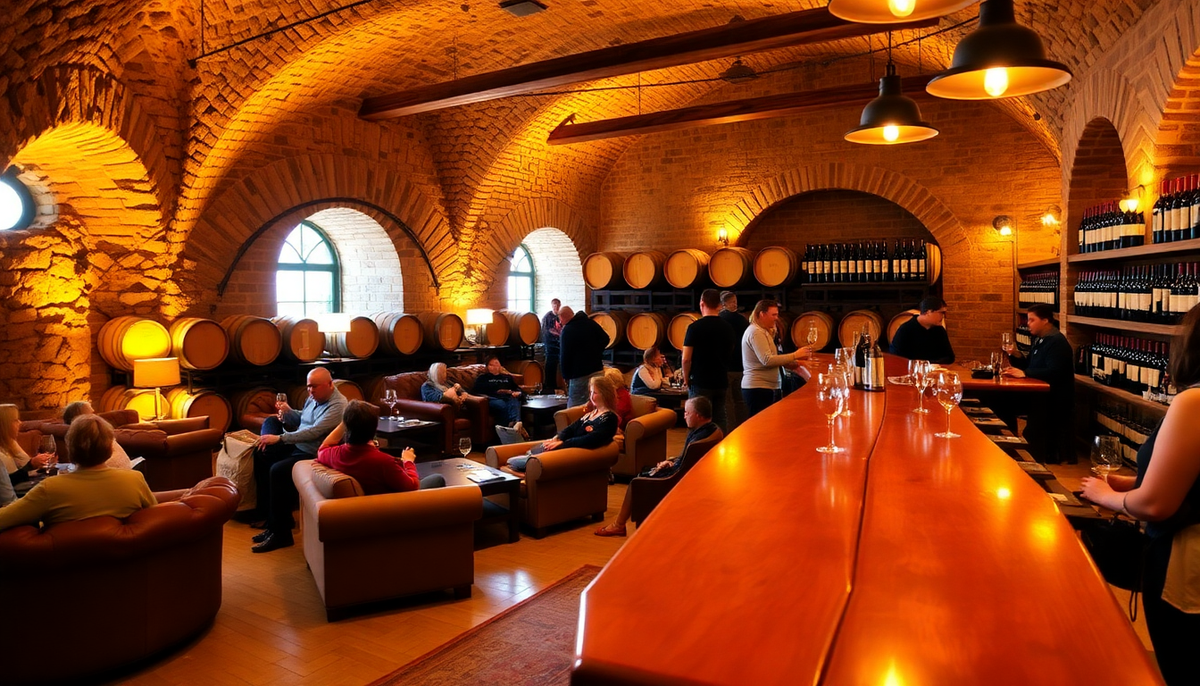
When you think of a winery's cellar door, you might imagine a quaint, peaceful space where visitors leisurely sip wine while gazing at rolling vineyards. While that romantic image certainly captures part of the experience at Curtis Family Vineyards, the reality is far more dynamic, complex, and fascinating than most people realize. Our cellar door is the beating heart of our operation, where hospitality, education, sales, and genuine human connection converge in ways that make every single day unique and rewarding.
At Curtis Family Vineyards, we've been welcoming guests through our cellar door for years, and we've learned that this space is so much more than just a tasting room. It's where our winemaking philosophy comes to life, where customers become friends, and where the true essence of our family business shines through. In this comprehensive look at what happens behind the scenes at our cellar door, we'll walk you through a typical day, introduce you to the people who make it all happen, and share the insights that have shaped how we approach hospitality and wine education.
The Early Morning Preparation
Our day at the cellar door doesn't begin when we unlock the doors for guests. It starts hours earlier, in the quiet moments before the sun fully rises over our vineyards. The preparation phase is absolutely crucial to ensuring that everything runs smoothly once visitors arrive.
Setting Up the Tasting Stations
Around 7:30 AM, our cellar door manager arrives to begin the morning setup. The first task is preparing the tasting stations. We have three main stations throughout our cellar door space, each designed to accommodate different group sizes and preferences. Every station needs to be meticulously cleaned and organized. Wine glasses are polished to a shine, ensuring they're free from any spots or residue that might affect the tasting experience. We use specific glassware for different wine types because we believe the right glass truly does enhance the tasting experience.
The tasting stations are stocked with water pitchers and glasses for palate cleansing, small plates for cheese and crackers, and spit buckets for guests who prefer not to swallow every taste. We also prepare our tasting notes and flavor profiles, which are printed and laminated for durability. These notes are the result of careful consideration by our winemaking team and are updated seasonally as our wines evolve.
Temperature and Ambiance Control
One aspect of cellar door preparation that many visitors never think about is temperature control. Wine is sensitive to temperature fluctuations, and our tasting room must maintain a consistent, cool environment. Our team checks the climate control systems to ensure everything is functioning properly. During warmer months, this becomes even more critical. We want our white wines to be properly chilled and our red wines to be at the ideal serving temperature.
Beyond the technical aspects, we also focus on creating the right ambiance. Soft background music is selected and tested. We ensure that the lighting is warm and welcoming but bright enough for guests to properly appreciate the color and clarity of our wines. Fresh flowers are arranged at the entrance and throughout the space. These small touches might seem minor, but they collectively create an atmosphere that makes guests feel valued and special.
Inventory and Stock Checks
Our team conducts a thorough inventory check each morning. We verify that we have adequate supplies of all our wines available for tasting. We check our retail inventory to ensure popular bottles are well-stocked. We also review any special orders from the previous day and confirm that they're ready for pickup or shipment. This organizational system prevents the embarrassment of running out of a particular wine during the day and ensures we can fulfill customer requests promptly.
The Mid-Morning Rush
By 10:00 AM, our cellar door is officially open, and the first guests of the day begin arriving. The mid-morning period is typically when we see a steady flow of walk-in visitors, often tourists exploring the wine region or locals who've decided to take a weekday break.
Greeting and Welcoming Guests
Our team members are trained to greet every guest within the first few minutes of their arrival. We've learned that the initial greeting sets the tone for the entire visit. Our staff introduces themselves by name, asks guests where they're from, and inquires about their wine preferences and experience level. This information is invaluable because it allows us to tailor the tasting experience to each individual or group.
We have guests ranging from serious wine collectors who can discuss tannin profiles and terroir with expertise, to people who've never tasted wine before and are nervous about saying the wrong thing. Our approach is to meet everyone exactly where they are. For experienced wine enthusiasts, we might dive into the technical aspects of our winemaking process. For newcomers, we focus on making the experience fun, educational, and pressure-free.
The Tasting Experience
When a guest sits down for a tasting, they're not just sampling wine. They're embarking on a journey through our vineyard, our philosophy, and our family's passion for winemaking. Our standard tasting typically includes five to seven wines, arranged in a specific order that makes sense from a flavor perspective. We usually start with lighter, crisper wines and progress toward fuller-bodied reds.
As guests taste each wine, our team members share stories about that particular wine. We discuss the vintage, the weather conditions that year, the grape varieties used, and the winemaking techniques employed. We explain what they should be looking for in terms of color, aroma, and flavor. We encourage guests to share their own impressions and reactions. Some people taste notes of blackberry and leather in a wine, while others might detect cherry and spice. There's no wrong answer, and we celebrate the diversity of perception.
Handling Different Personalities and Preferences
The mid-morning period introduces us to a wide variety of personalities. Some guests are chatty and want to engage in lengthy conversations about wine. Others prefer a quieter, more contemplative experience. Some are on a tight schedule and want to taste quickly before moving on to their next activity. Our team is trained to read these cues and adjust accordingly.
We've also learned to handle the occasional challenging situation with grace. Sometimes a guest arrives already intoxicated from visiting other wineries. Sometimes someone is dismissive of wine or skeptical about whether they'll enjoy it. Sometimes a guest has unrealistic expectations about what they'll experience. In all these cases, our team responds with patience, humor, and genuine care. We've found that kindness and authenticity go a long way in turning a potentially awkward situation into a positive memory.
The Lunch Hour and Afternoon Dynamics
As we move into the lunch hour, the character of our cellar door shifts. The mid-morning walk-in traffic typically slows down, but we often see groups arriving for planned tastings or lunch reservations.
Hosting Larger Groups
One of the most rewarding aspects of our cellar door is hosting larger groups. We might have a book club, a corporate team-building event, a wedding party, or a group of friends celebrating a special occasion. These group tastings require different management than individual visitors. We need to ensure that everyone in the group can hear our presentation, that glasses are filled at the same pace, and that the experience feels cohesive rather than chaotic.
For group tastings, we often prepare a more structured presentation. We might discuss the history of Curtis Family Vineyards, explain our winemaking philosophy in more detail, and take questions from the group. We've found that groups often ask more thoughtful questions than individual visitors, perhaps because they feel more confident in a group setting or because the collective knowledge of the group is greater.
Food Pairings and Culinary Integration
Many of our guests enjoy pairing our wines with food. While we don't operate a full restaurant at our cellar door, we do offer carefully curated cheese and charcuterie boards that pair beautifully with our wines. Our team has spent considerable time learning which of our wines pair best with different cheeses, cured meats, and accompaniments.
We've discovered that food pairings can be transformative for guests' understanding of wine. A wine that might seem a bit austere on its own can become absolutely delicious when paired with the right cheese. A wine that tastes good by itself can become extraordinary when paired with a complementary food. These moments of discovery are some of the most gratifying parts of our job.
Managing the Afternoon Slump
The early afternoon, typically between 1:00 PM and 3:00 PM, is often our slowest period. Many people are at lunch or back at their hotels resting. This is actually a valuable time for our team. We use this period to restock supplies, clean and reset tasting stations, and handle administrative tasks. We might also use this time to conduct staff training or to discuss any issues that arose during the morning.
This slower period also allows our team to take breaks and recharge. Working in hospitality is emotionally and mentally demanding. Our staff is constantly smiling, engaging, and being "on." The afternoon lull gives them a chance to step back, grab a bite to eat, and prepare for the evening rush.
The Late Afternoon and Evening Peak
As we move into the late afternoon, typically around 4:00 PM, our cellar door experiences another surge in visitors. This is often when people finish their day of wine tasting or activities and decide to visit us before heading to dinner or back to their accommodations.
The Evening Crowd
The evening crowd has a different energy than the morning visitors. Some are more relaxed and have been tasting wine all day, so they're in a festive mood. Others are visiting us as their first or only stop and are approaching the experience with fresh enthusiasm. We also see more couples and groups of friends in the evening, often celebrating special occasions or simply enjoying time together.
Our team adjusts their approach for the evening crowd. We might be a bit more casual and fun-loving, matching the energy of the guests. We're also more likely to make recommendations for wine to take home or to encourage guests to join our wine club, as evening visitors are often in a more purchasing mindset than morning visitors.
The Wine Club Conversation
One significant aspect of our evening interactions is discussing our wine club. Our wine club is the lifeblood of our business, providing consistent revenue and allowing us to maintain relationships with our most loyal customers. When appropriate, we introduce guests to the benefits of club membership: receiving our newest releases before they're available to the general public, enjoying member discounts, and being part of an exclusive community of Curtis Family Vineyards enthusiasts.
We don't push the wine club aggressively. Instead, we share information about it naturally during conversations. We tell stories about club members who've become friends, about special club-only events we host, and about the unique wines that club members get to experience. Many of our best club members joined because they felt genuinely welcomed and valued, not because they were sold to.
Handling Peak Capacity
On busy evenings, our cellar door can reach capacity. We have a maximum number of guests we can comfortably accommodate at any given time, both for safety reasons and to ensure that every guest receives quality attention. When we're at or near capacity, our team manages the flow carefully. We might ask walk-in guests if they'd like to make a reservation for a specific time, or we might invite them to enjoy our outdoor patio area while they wait for a tasting station to open up.
Managing capacity is a delicate balance. We want to maximize our revenue and serve as many guests as possible, but we never want to sacrifice the quality of the experience. A guest who feels rushed or neglected is unlikely to become a repeat customer or club member, no matter how good our wine is.
The People Behind the Counter
The true magic of Curtis Family Vineyards' cellar door experience comes from our team. These are the people who spend their days sharing our passion for wine, creating memorable experiences, and building relationships with our customers.
Our Cellar Door Staff
Our team includes full-time staff members who've been with us for years, as well as seasonal workers who bring fresh energy and perspectives. Each team member brings their own personality and expertise to the role. Some are wine experts who can discuss the intricacies of fermentation and oak aging. Others are natural storytellers who excel at making guests feel welcome and entertained. Some are detail-oriented organizers who ensure everything runs smoothly behind the scenes.
We invest significantly in training our staff. New team members go through a comprehensive onboarding process that includes learning about our wines, our winemaking philosophy, our vineyard, and our family history. We teach them about wine basics, tasting techniques, and food pairings. But perhaps most importantly, we teach them about hospitality and genuine human connection.
Building Relationships with Regular Guests
One of the most rewarding aspects of working at our cellar door is building relationships with regular guests. We have customers who visit us multiple times a year, and our staff gets to know them by name. We remember their preferences, their stories, and their families. We ask about their lives and genuinely care about their answers.
These relationships transform the cellar door experience from a transactional interaction into something much more meaningful. A regular guest isn't just buying wine; they're visiting friends. They're part of the Curtis Family Vineyards community. These relationships also provide valuable feedback that helps us improve our wines and our service.
The Challenges of Hospitality Work
While working at our cellar door is rewarding, it's also challenging. Our team members deal with difficult customers occasionally. They manage their own emotions and fatigue while maintaining a warm, welcoming demeanor. They navigate complex wine conversations while ensuring that less knowledgeable guests don't feel intimidated. They balance the need to be friendly and engaging with the need to move guests through the tasting experience efficiently.
We acknowledge these challenges and support our team accordingly. We have regular check-ins to discuss any issues or concerns. We celebrate successes and learn from difficulties. We provide competitive compensation and benefits because we believe that taking care of our team translates directly into better care for our guests.
The Winemaking Connection
While our cellar door is primarily a hospitality and sales space, it's deeply connected to our winemaking operation. Throughout the day, our team shares information about our winemaking process, and this connection is crucial to the overall experience.
Sharing the Winemaking Story
When guests taste our wines, they're not just tasting the final product. They're tasting the result of months or years of careful work by our winemaking team. Our cellar door staff shares this story. We explain how we select grapes from our vineyard, how we decide when to harvest, how we ferment and age our wines, and how we make blending decisions.
This storytelling transforms wine from a simple beverage into something with depth and meaning. Guests understand that the wine they're tasting represents countless decisions, experiments, and refinements. They appreciate the skill and artistry involved in winemaking. This appreciation often translates into a willingness to pay premium prices for our wines and to become loyal customers.
Seasonal Changes and Vintage Variations
Our cellar door experience changes with the seasons and with different vintages. In spring, we might be discussing the previous year's harvest and the current year's budbreak. In summer, we're talking about flowering and fruit development. In fall, we're preparing for harvest and discussing the vintage conditions. In winter, we're focused on fermentation and aging.
These seasonal changes keep the cellar door experience fresh and interesting, even for repeat visitors. A guest who visits us in spring will have a different experience than someone who visits in fall, even if they taste the same wines. The context and the stories are different.
Similarly, as we release new vintages, our tasting lineup changes. We might retire an older vintage and introduce a new one. We might offer vertical tastings that allow guests to compare different vintages of the same wine. These changes give regular customers reasons to return and new things to discover.
The Business Side of the Cellar Door
While the cellar door is fundamentally about hospitality and sharing our passion for wine, it's also a critical business operation. Our team manages sales, inventory, customer data, and financial transactions throughout the day.
Point of Sale and Transaction Management
Every wine purchase, wine club membership, and merchandise sale goes through our point of sale system. Our team is trained to process transactions efficiently and accurately. We accept various payment methods and handle both in-person and online orders. We also manage shipping for guests who purchase wine to be delivered to their homes.
The financial side of the cellar door is significant. Our tasting room revenue, wine club subscriptions, and direct-to-consumer sales represent a substantial portion of our overall business. The cellar door is not just a marketing tool; it's a revenue generator that helps sustain our entire operation.
Customer Data and Relationship Management
We maintain detailed records of our customers and their preferences. We track which wines they've purchased, which wines they've tasted, and any special requests or preferences they've mentioned. This data allows us to personalize future interactions and to make targeted recommendations.
We use this information ethically and respectfully. We never share customer data with third parties without permission. We use it to enhance the customer experience and to ensure that our marketing communications are relevant and valuable. A customer who prefers red wines will receive different recommendations and promotions than someone who prefers white wines.
Analyzing Trends and Feedback
Our team collects feedback from guests throughout the day. We ask what they think of our wines, what they'd like to see us produce, and how we can improve their experience. We also observe which wines are most popular, which pairings guests prefer, and which stories resonate most strongly.
This feedback is invaluable for our business. It informs our winemaking decisions, helps us understand market preferences, and guides our marketing strategies. A wine that consistently receives rave reviews from cellar door visitors might be a good candidate for increased production. A wine that doesn't generate much enthusiasm might be discontinued or reformulated.

Leave a comment
This site is protected by hCaptcha and the hCaptcha Privacy Policy and Terms of Service apply.