

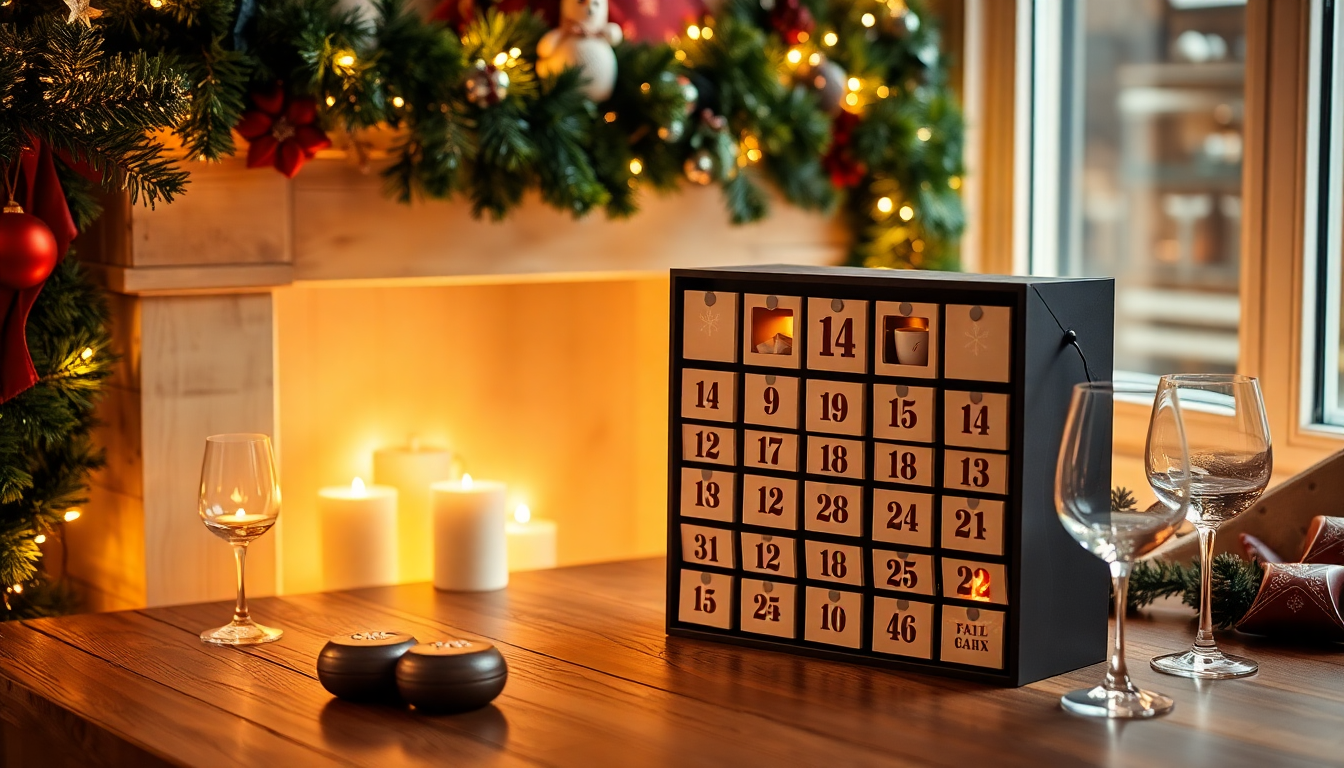
Wine advent calendars have become increasingly popular over the past decade, transforming the traditional holiday countdown experience into something far more sophisticated and indulgent. What was once a simple chocolate-filled cardboard box has evolved into a luxury gift option that appeals to wine enthusiasts, casual drinkers, and gift-givers alike. But with prices ranging from modest to extravagant, many people find themselves asking the crucial question: are wine advent calendars actually worth the investment? This comprehensive guide will explore every aspect of wine advent calendars, helping you make an informed decision about whether they're the right choice for you or your loved ones.
Understanding Wine Advent Calendars
Wine advent calendars represent a modern twist on the traditional advent calendar concept. Instead of revealing a small piece of chocolate each day leading up to Christmas, these calendars feature miniature bottles of wine, spirits, or wine-related products. Each day from December 1st through December 24th, you open a door or window to discover a new wine selection, creating a daily ritual of anticipation and discovery throughout the holiday season.
The concept gained significant traction in the early 2010s when wine retailers and producers recognized the potential for creating premium gift experiences. What started as a niche product has now become a mainstream holiday offering, with major wine retailers, specialty shops, and even some supermarkets stocking wine advent calendars. Curtis Family Vineyards and other quality wine producers have embraced this trend, recognizing that it offers customers a unique way to explore different wines and expand their palates during the festive season.
The Evolution of Wine Advent Calendars
The history of advent calendars dates back to the 19th century in Germany, where families would mark the days leading up to Christmas with chalk marks on doors or by lighting candles. The first printed advent calendar appeared in the 1850s, and by the early 1900s, chocolate advent calendars became the standard. The transition to wine advent calendars is a natural progression reflecting changing consumer preferences and the growing sophistication of gift-giving culture.
Today's wine advent calendars come in various formats and price points. Some feature wines from a single producer, while others offer a curated selection from multiple wineries. Premium versions might include rare or limited-edition wines, while budget-friendly options focus on quality everyday drinking wines. The packaging has also evolved significantly, with many calendars featuring beautiful, reusable boxes that add to the overall gift experience.
Types of Wine Advent Calendars Available
The wine advent calendar market has diversified considerably, offering options to suit virtually every preference and budget. Understanding the different types available can help you determine which option offers the best value for your specific needs.
Single Producer Calendars
Many wineries, including established producers like Curtis Family Vineyards, create advent calendars featuring exclusively their own wines. These calendars typically showcase the range of wines a producer offers, allowing customers to explore different varietals, vintages, or styles from a single source. The advantage of single-producer calendars is consistency in quality and the opportunity to develop a deeper appreciation for a particular winery's offerings.
Single producer calendars often range from $50 to $150, depending on the quality of wines included and the packaging. They're particularly appealing to people who already have a favorite winery or who want to develop loyalty to a specific producer. These calendars frequently include educational materials about each wine, tasting notes, and food pairing suggestions, adding educational value to the experience.
Multi-Producer Curated Calendars
These calendars feature selections from various wineries and producers, offering a diverse tasting experience. Curators—often wine experts or retailers—select wines that complement each other or represent different styles and regions. This type of calendar is ideal for people who enjoy variety and want to discover new producers and wines they might not otherwise try.
Curated multi-producer calendars typically cost between $75 and $250, with premium versions reaching $500 or more. The quality and reputation of the curator significantly impacts the value proposition. Calendars curated by respected wine experts or established retailers tend to offer better selections and more thoughtful pairings than those created by less experienced sources.
Specialty and Themed Calendars
Some wine advent calendars focus on specific themes or wine styles. You might find calendars dedicated to rosé wines, natural wines, organic wines, sparkling wines, or wines from specific regions like Bordeaux or Tuscany. These specialized calendars appeal to people with particular interests or preferences and allow for deeper exploration of specific wine categories.
Themed calendars often command premium prices because they require more specialized curation and sourcing. However, they offer exceptional value for enthusiasts who are passionate about their chosen category. A sparkling wine advent calendar, for example, might cost $150 to $300 but provide an unparalleled opportunity to compare different styles and producers of champagne and other sparkling wines.
Budget-Friendly Options
For those with limited budgets, numerous wine advent calendars are available in the $30 to $60 range. These typically feature everyday drinking wines—solid, reliable selections that are enjoyable but not necessarily rare or premium. While they may not include prestigious labels or exceptional vintages, they still provide excellent value for the daily ritual and the opportunity to discover new wines.
Budget-friendly calendars are perfect for casual wine drinkers, people new to wine appreciation, or those who simply want to enjoy the advent calendar experience without significant financial investment. They're also excellent for gift-giving to people whose wine preferences you're unsure about.
Evaluating Value and Quality
Determining whether a wine advent calendar offers good value requires considering multiple factors beyond just the price per bottle.
Price Per Bottle Analysis
One straightforward way to evaluate value is to calculate the cost per bottle. Most wine advent calendars contain 24 bottles, though some include 25 or other variations. If a calendar costs $120 and contains 24 bottles, that's $5 per bottle. Compare this to what you'd pay for similar wines at retail prices.
However, this calculation has limitations. The bottles in advent calendars are typically smaller than standard 750ml bottles—usually 187ml or 250ml—so the price per volume is often higher than standard retail. Additionally, the packaging, curation, and presentation add value that shouldn't be ignored when evaluating the overall worth.
Quality of Wine Selection
The quality of wines included is paramount. Premium advent calendars from reputable producers or curators typically include better wines than budget options. Look for calendars that feature wines you recognize or that come from producers known for quality. Reading reviews from other purchasers can provide valuable insights into whether the wines included are genuinely good or merely adequate.
The best wine advent calendars include a mix of wines—some familiar favorites alongside new discoveries. This balance keeps the experience interesting while ensuring that most selections will be enjoyable. If a calendar includes mostly unknown wines from obscure producers, it might be a red flag unless the curator has a strong reputation for finding hidden gems.
Packaging and Presentation
The presentation matters, especially if you're giving the calendar as a gift. High-quality packaging, attractive design, and reusable boxes add to the perceived value and the overall experience. Some premium calendars feature wooden boxes or beautifully designed cardboard that can be repurposed for storage or decoration.
However, excessive packaging that's purely decorative without functional value might indicate that you're paying more for presentation than for the wine itself. The best calendars balance attractive presentation with practical design that enhances rather than detracts from the wine-tasting experience.
Educational Content
Many quality wine advent calendars include tasting notes, food pairing suggestions, producer information, and other educational materials. This content adds significant value, particularly for people interested in learning more about wine. Calendars that include detailed information about each wine's origin, production methods, and characteristics offer more value than those that simply include bottles with minimal context.
The Experience Factor
Beyond the tangible value of the wines themselves, wine advent calendars offer an intangible but significant benefit: the experience they create.
Daily Ritual and Anticipation
One of the most appealing aspects of wine advent calendars is the daily ritual they create. Opening a door each day to discover a new wine builds anticipation and creates a sense of celebration throughout the holiday season. This daily moment of discovery, however brief, adds a special quality to the weeks leading up to Christmas that many people find genuinely valuable.
For people living alone or those who find the holiday season challenging, this daily ritual can provide meaningful structure and something to look forward to each day. The experience of discovery and the opportunity to try new wines creates positive moments that extend throughout the season.
Social and Sharing Opportunities
Wine advent calendars create natural opportunities for social engagement. You might share your daily discovery with friends or family, discuss the wines you're tasting, or host tasting parties featuring multiple selections from your calendar. This social dimension adds value beyond the wines themselves, creating connections and shared experiences.
Some people enjoy comparing their advent calendar selections with friends who have purchased different calendars, turning the experience into a friendly competition or collaborative tasting adventure. This social aspect can be particularly valuable during the holiday season when connection and shared experiences are especially meaningful.
Learning and Exploration
For wine enthusiasts and those interested in developing their wine knowledge, advent calendars offer an excellent learning opportunity. Tasting 24 different wines over the course of a month provides exposure to various styles, regions, and producers. This systematic exploration can accelerate learning and help develop a more sophisticated palate.
The structured nature of the advent calendar—one wine per day—creates a manageable pace for learning. Rather than being overwhelmed by too many options, you can focus on one wine at a time, take notes, and develop your understanding gradually. This educational value is particularly significant for people new to wine appreciation.
Practical Considerations
Before purchasing a wine advent calendar, several practical factors deserve consideration.
Storage and Temperature Control
Wine requires proper storage conditions to maintain quality. Before purchasing an advent calendar, ensure you have appropriate storage space. Ideally, wine should be stored in a cool, dark place with consistent temperature. If you live in a warm climate or don't have proper storage, the wines in your calendar might deteriorate before you get to them.
Some people purchase advent calendars in November and store them properly until December, while others prefer to purchase them closer to December 1st to minimize storage time. Consider your storage capabilities when deciding whether an advent calendar is practical for your situation.
Alcohol Content and Preferences
Wine advent calendars typically feature still wines, but some include sparkling wines, fortified wines, or other beverages. If you have preferences about alcohol content or specific wine styles you dislike, review the calendar's contents carefully. Some calendars include wines that might not appeal to your palate, which could reduce the overall value.
If you're purchasing a calendar for someone else, understanding their wine preferences is crucial. A calendar featuring primarily red wines might disappoint someone who prefers white wines. The best calendars include variety to appeal to different preferences.
Time Commitment
Enjoying a wine advent calendar requires a time commitment. You need to set aside time each day to open your calendar and, ideally, to taste and appreciate the wine. If you're extremely busy during the holiday season, you might find yourself rushing through the experience or skipping days, which diminishes the value.
Consider whether you realistically have time to engage with the calendar meaningfully. If you do, the time investment is part of what makes the experience valuable. If you don't, a wine advent calendar might not be the best choice for you.
Dietary and Health Considerations
Some people avoid alcohol for health, religious, or personal reasons. Obviously, a wine advent calendar isn't appropriate for these individuals. Additionally, some people have sulfite sensitivities or other dietary restrictions that might limit which wines they can enjoy. Understanding these considerations is important when purchasing for yourself or others.
Comparing Wine Advent Calendars to Alternatives
To determine whether a wine advent calendar is worth it, it's helpful to compare it to alternative gift options and ways to explore wine.
Wine Subscription Services
Wine subscription services deliver curated selections monthly, typically at similar or lower price points than advent calendars. However, subscriptions extend throughout the year rather than being concentrated in December. If you prefer a year-round wine exploration experience, a subscription might offer better value than a single advent calendar.
The advantage of advent calendars over subscriptions is the concentrated, festive nature of the experience. The disadvantage is that you only get one month of discovery rather than ongoing exploration. For some people, the focused, holiday-themed nature of advent calendars makes them more appealing than year-round subscriptions.
Individual Wine Purchases
You could purchase 24 individual bottles of wine at retail prices, selecting exactly what you want. This approach offers complete control over your selections but requires significant research and decision-making. It also lacks the element of surprise and discovery that makes advent calendars appealing.
The convenience factor of advent calendars—having someone else do the curation and selection work—has real value. For busy people or those uncertain about wine selection, this convenience justifies the advent calendar format.
Wine Tasting Events
Local wine tasting events, wine bar visits, or winery tours offer alternative ways to explore wines. These experiences provide social interaction and expert guidance that advent calendars don't. However, they typically cost more and don't provide the daily ritual aspect that advent calendars offer.
The ideal approach for serious wine enthusiasts might combine multiple methods: attending occasional tasting events for expert guidance, maintaining a subscription for year-round exploration, and enjoying an advent calendar for the festive, concentrated experience during the holiday season.
Making Your Decision
Whether a wine advent calendar is worth it depends on your individual circumstances, preferences, and priorities.
Best For Wine Advent Calendars
Wine advent calendars are particularly worthwhile for:
- Wine enthusiasts who enjoy exploring new wines and expanding their knowledge
- People who appreciate daily rituals and the anticipation they create
- Gift-givers looking for unique, memorable presents for wine-loving friends or family members
- Those who want to discover new producers and wine styles in a structured, manageable way
- People who enjoy the festive, holiday-themed aspect of advent calendars
- Anyone seeking a conversation starter or social experience around wine
- Individuals interested in learning about wine in a systematic, guided way
Less Ideal For Wine Advent Calendars
Wine advent calendars might not be the best choice for:
- People with limited budgets who could purchase more wine for the same price through other means
- Those without proper wine storage facilities
- Individuals who don't have time to engage meaningfully with the daily ritual
- People with specific wine preferences that might not be reflected in a curated calendar
- Those who prefer year-round wine exploration over a concentrated December experience
- Anyone who doesn't enjoy wine or prefers other beverages
- People who are extremely particular about wine quality and might be disappointed by some selections
Tips for Maximizing Value
If you decide that a wine advent calendar is right for you, several strategies can help maximize the value and enjoyment.
Research Before Purchasing
Don't purchase the first advent calendar you see. Research different options, read reviews, and compare selections. Look at what wines are included, research the producers, and consider whether the selections align with your preferences. Spending an hour researching can help you avoid purchasing a calendar that disappoints.
Check retailer websites, wine blogs, and customer reviews on platforms like Amazon or specialty wine retailers. Pay attention to feedback about wine quality, packaging, and overall satisfaction. This research helps ensure you're making an informed purchase.
Purchase from Reputable Sources
Buy from established wine retailers, wineries, or specialty shops rather than unknown sources. Reputable retailers have reputations to maintain and are more likely to curate quality selections. They also typically offer better customer service if you have issues with your purchase.
Curtis Family Vineyards and other established producers create advent calendars with quality control and curation that you can trust. Purchasing from known sources reduces the risk of disappointment.
Store Properly
Once you receive your calendar, store it in a cool, dark place with consistent temperature. Avoid direct sunlight and temperature fluctuations. Proper storage ensures that the wines maintain their quality throughout the month.
If you purchase your calendar well in advance, consider storing it in a wine fridge or cool closet rather than displaying it in a warm room. The wines will taste better if they're stored properly.
Engage Fully With the Experience
To maximize value, engage meaningfully with each wine. Take time to open the bottle, pour it properly, and taste it thoughtfully. Read the tasting notes if provided. Consider the wine's characteristics, how it compares to other wines you've tried, and whether you'd purchase it again.
If possible, share the experience with others. Discuss the wines with friends or family, take notes about your favorites, and use the experience as a learning opportunity. The more you engage with the calendar, the more value you'll derive from it.
Keep Notes
Maintain a simple record of the wines you taste from your advent calendar. Note which ones you particularly enjoyed, which you didn't care for, and any wines you'd like to purchase again. This record becomes a valuable reference for future wine purchases and helps you develop your wine knowledge over time.
Plan Pairings
If the calendar includes food pairing suggestions, plan meals around the wines. Enjoying a wine with an appropriate food pairing enhances the tasting experience significantly. This planning adds another dimension to the daily ritual and makes the experience more memorable.
The Sustainability Question
An increasingly important consideration is the environmental impact of wine advent calendars, particularly regarding packaging and transportation.
Packaging Waste
Wine advent calendars generate significant packaging waste. The individual bottles are packaged in cardboard or wooden boxes, often with additional protective materials. While some calendars feature reusable boxes, others are designed for single use.
If environmental impact is important to you, look for calendars with minimal packaging or reusable boxes. Some producers are increasingly focusing on sustainable packaging options, recognizing consumer concerns about waste.


Leave a comment
This site is protected by hCaptcha and the hCaptcha Privacy Policy and Terms of Service apply.