

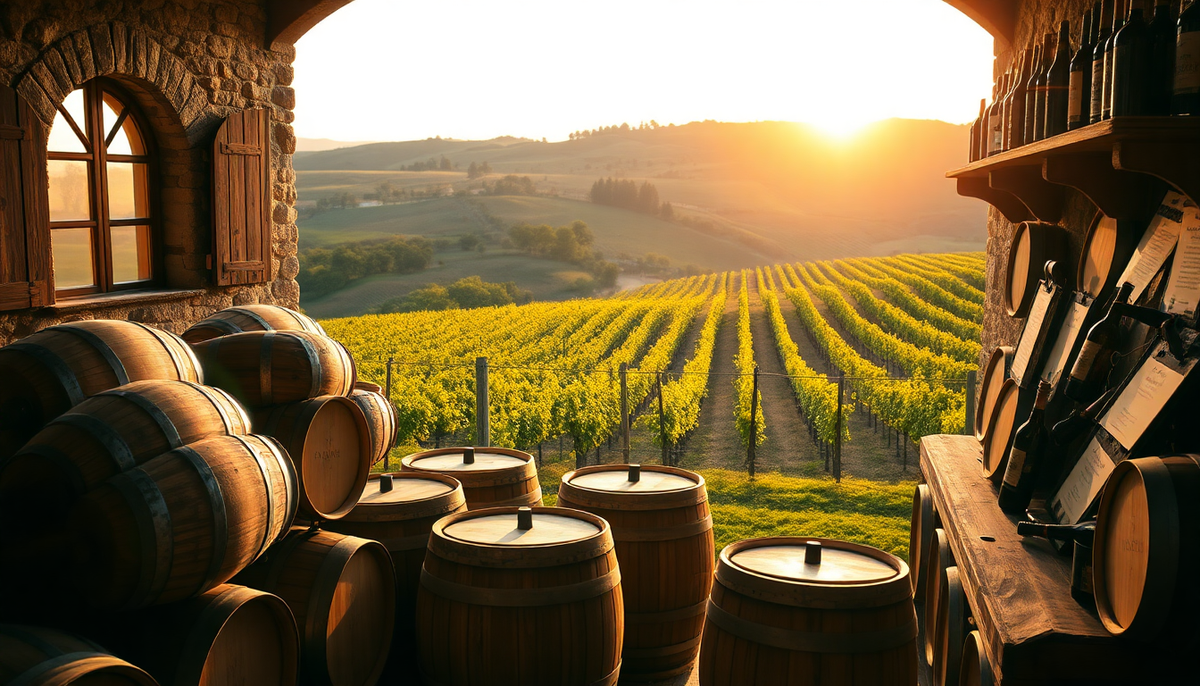
When you uncork a bottle of wine, you're not just opening a beverage—you're opening a story. For family-owned wineries like Curtis Family Vineyards, that story is one of passion, tradition, dedication, and an unwavering commitment to quality that spans generations. In an industry increasingly dominated by large corporations and mass-production facilities, family-owned wineries stand as beacons of authenticity and excellence. They represent something fundamentally different from their larger counterparts, and that difference is something you can genuinely taste in every sip.
The wine industry has undergone tremendous transformation over the past few decades. Consolidation has created massive wine conglomerates that control hundreds of brands and produce millions of bottles annually. While these large operations have their place in the market, there's something irreplaceable about the experience of drinking wine from a family-owned vineyard. The difference isn't just marketing speak or romantic nostalgia—it's rooted in fundamental business philosophy, production methods, and the personal investment that family ownership brings to winemaking.
The Heart of Family Winemaking
Family-owned wineries operate from a fundamentally different perspective than corporate wine producers. When your family name is on the label, when your reputation is built over decades of personal relationships with customers, and when your children and grandchildren will inherit the vineyard you're building today, every decision carries weight that extends far beyond quarterly earnings reports.
This long-term perspective shapes everything about how family wineries operate. Curtis Family Vineyards, like many family-owned operations, approaches winemaking with a multi-generational mindset. Decisions about vineyard management, grape selection, fermentation techniques, and aging processes are made with consideration for how they'll impact not just this year's vintage, but the vineyard's reputation for decades to come.
The Personal Touch in Every Bottle
One of the most significant differences between family-owned and corporate wineries is the level of personal involvement in the winemaking process. In a family winery, you're likely to find family members actively involved in every aspect of production—from tending the vines to blending the final product. This isn't a job that ends at five o'clock; it's a way of life.
The winemaker at a family vineyard often has a deep, personal connection to the land. They've walked those rows of vines countless times, observed how the soil changes from one section to another, and learned through experience and experimentation what works best for their specific terroir. This intimate knowledge is impossible to replicate through corporate procedures and standardized protocols.
When you visit Curtis Family Vineyards, you might encounter family members who can tell you about specific vineyard blocks, explain the reasoning behind particular winemaking decisions, or share stories about how the vineyard has evolved over the years. This personal connection creates an authenticity that resonates with wine enthusiasts who value knowing the story behind what they're drinking.
Quality Over Quantity: The Family Winery Philosophy
Family-owned wineries typically prioritize quality over quantity in ways that larger producers simply cannot. A corporate wine operation might be evaluated based on how many cases it can produce and sell. A family winery is evaluated based on the quality of those cases and the satisfaction of customers who've become part of the extended family.
This fundamental difference in priorities leads to distinct practices throughout the vineyard and winery. Family operations often limit their production intentionally, choosing to make fewer bottles of higher quality rather than maximizing output. They're more likely to invest in premium equipment, sustainable farming practices, and extended aging processes that might not show immediate returns but enhance the final product.
Sustainable Farming Practices
Family-owned wineries have a vested interest in maintaining the health and sustainability of their land. These vineyards will be passed down to the next generation, so environmental stewardship isn't just an ethical choice—it's a practical necessity. Many family wineries have adopted organic or biodynamic farming practices, not because it's trendy, but because they understand that healthy soil produces better grapes.
Curtis Family Vineyards, like many family operations, likely invests in practices that might cost more in the short term but pay dividends in the long term. This might include cover cropping to improve soil health, careful water management to stress vines in beneficial ways, and integrated pest management that reduces reliance on chemical interventions.
These sustainable practices often result in grapes with more complex flavor profiles and better natural balance. The vines, stressed appropriately by the environment, produce smaller berries with more concentrated flavors. The result is wine with greater depth and character than what you might find from vineyards focused purely on maximizing yield.
Extended Aging and Patience
Family wineries are more likely to age their wines longer before release. While a large producer might release a wine as soon as it's technically ready to drink, a family winery might hold it for additional years to allow the flavors to develop and integrate more fully.
This patience with aging represents a significant financial investment. Money is tied up in inventory for longer periods, and there's always the risk that market preferences might shift. Yet family winemakers understand that some wines simply need time to reach their potential. A Cabernet Sauvignon might need five years in the bottle to develop the complexity and smoothness that makes it truly special. A family winery is willing to wait because they're not desperate to generate immediate cash flow.
The Terroir Advantage
Terroir—the complete natural environment in which a wine is produced—is a concept that family wineries understand intimately. The soil composition, climate patterns, elevation, and even the specific microorganisms present in a vineyard all influence the character of the wine produced there. Large corporate wineries might source grapes from multiple regions and blend them to create a consistent product. Family wineries typically focus on expressing the unique characteristics of their specific location.
This focus on terroir means that family-owned vineyards become increasingly distinctive over time. As the family learns more about their land and how to work with it, they develop wines that are unmistakably from their vineyard. You can taste the place in the wine—the mineral notes from the soil, the ripeness patterns influenced by local climate, the subtle characteristics that make that vineyard's wines unique.
Building a Sense of Place
When you drink wine from a family vineyard, you're tasting the accumulated knowledge and experience of people who have spent decades learning their specific piece of land. This creates wines with a sense of place that's difficult to replicate. Curtis Family Vineyards' wines carry the character of their vineyard location, shaped by years of observation and adaptation.
This sense of place becomes part of the wine's identity and appeal. Wine enthusiasts who appreciate terroir-driven wines often develop strong preferences for specific family vineyards because they can taste the distinctive characteristics that make those wines special. It's not just about the grape variety or the winemaking technique—it's about the expression of a specific place.
Innovation Within Tradition
There's a common misconception that family-owned wineries are stuck in the past, unwilling to embrace new techniques or ideas. In reality, many family wineries are quite innovative, but they innovate within the context of tradition. They're willing to experiment with new techniques, but they do so carefully and thoughtfully, always asking whether a change will genuinely improve the wine.
This balanced approach to innovation allows family wineries to benefit from modern advances while maintaining the character and quality that define them. They might use modern laboratory analysis to understand their fermentation processes better, but they'll still rely on traditional techniques that have proven effective over decades. They might experiment with new oak sources or fermentation vessels, but only if they believe it will enhance the final product.
Experimentation and Learning
Family winemakers are often passionate learners who stay current with developments in winemaking science and technique. They attend conferences, read research, and network with other winemakers. However, they apply this knowledge selectively, always with an eye toward how it might benefit their specific wines and vineyard.
This approach to innovation often results in wines that feel both classic and contemporary. They honor winemaking traditions while incorporating modern understanding of fermentation science, oak aging, and other technical aspects of production. The result is wines that appeal to both traditionalists who appreciate classic winemaking and modern wine enthusiasts who appreciate technical excellence.
The Economic Impact of Family Wineries
Beyond the quality of the wine itself, family-owned wineries make a significant economic difference in their communities. These businesses typically employ local workers, source materials from local suppliers, and reinvest profits back into their operations and communities rather than sending them to distant corporate headquarters.
Family wineries often become anchors for wine tourism in their regions. Visitors come to tour the vineyard, taste the wines, and learn about the winemaking process. This tourism generates revenue not just for the winery itself but for local restaurants, hotels, and other businesses. The family winery becomes a destination, drawing people to the region and supporting the broader local economy.
Employment and Community Ties
A family winery typically maintains stronger ties to its local community than a large corporate operation. The family members who own and operate the winery live in the community, their children attend local schools, and they're invested in the long-term health and prosperity of the area. This creates a different kind of business relationship with employees and suppliers.
Workers at family wineries often feel more connected to the mission and values of the business. They're not just employees of a distant corporation; they're part of a family enterprise with a clear identity and purpose. This can lead to greater job satisfaction, lower turnover, and a more cohesive team working toward shared goals.
The Story Behind the Wine
One of the most valuable things that family-owned wineries offer is a genuine story. Every bottle of wine from a family vineyard comes with a narrative—the story of the family that founded it, the challenges they've overcome, the innovations they've developed, and their vision for the future.
This narrative adds value to the wine in ways that go beyond the liquid in the bottle. When you drink wine from Curtis Family Vineyards, you're not just consuming a product; you're participating in a story that spans generations. You're supporting a family's dream and legacy. This emotional connection is something that mass-produced wine simply cannot provide.
Building Relationships with Customers
Family wineries typically build deeper relationships with their customers than large producers can. The family members who run the winery often interact directly with customers, whether through tastings, events, or social media. These interactions create a sense of community and connection that transforms customers into advocates.
Many family wineries develop loyal followings of customers who return year after year, not just because they love the wine, but because they feel connected to the family and the vineyard. These customers become ambassadors for the winery, recommending the wines to friends and family, and supporting the business through thick and thin.
Challenges Faced by Family Wineries
While family-owned wineries have many advantages, they also face unique challenges that larger producers don't encounter. Understanding these challenges provides insight into why the wines from family vineyards are often so special—they're produced despite significant obstacles.
Succession Planning and Generational Transitions
One of the most significant challenges for family wineries is succession planning. What happens when the founder retires or passes away? Will the next generation want to continue the business? Do they have the skills and passion necessary to maintain quality and move the business forward?
Successful family wineries carefully plan for generational transitions, often involving the next generation in the business from an early age. They invest in education and training, gradually transferring responsibility, and creating systems that preserve the family's values and vision while allowing for evolution and growth.
Financial Constraints
Family wineries typically operate with tighter financial constraints than large corporations. They can't weather extended periods of poor sales or bad vintages as easily as a large conglomerate can. This means they must be more careful about investments and more responsive to market conditions.
However, this financial constraint also drives innovation and efficiency. Family winemakers learn to do more with less, to make smart investments that generate strong returns, and to build sustainable business models that can thrive over the long term.
Competition from Large Producers
Family wineries compete in a market increasingly dominated by large producers with massive marketing budgets and distribution networks. A small family winery simply cannot match the advertising spending of a major wine conglomerate. Instead, they must rely on the quality of their wine, word-of-mouth recommendations, and direct relationships with customers.
This competition has actually driven many family wineries to focus even more intensely on quality and authenticity. They've learned that they can't compete on price or volume, so they compete on character, story, and the genuine passion that family ownership brings to winemaking.
The Sensory Difference: What You Taste
All of these factors—the personal involvement, the focus on quality, the sustainable practices, the patience with aging, the understanding of terroir—ultimately manifest in the wine itself. When you taste wine from a family-owned vineyard, you're tasting the cumulative effect of all these decisions and values.
Family winery wines often have greater complexity and depth than mass-produced alternatives. The flavors are more nuanced, the finish is longer, and there's a sense of balance and harmony that suggests careful attention to every detail of production. These aren't wines designed to appeal to the broadest possible market; they're wines made by people who care deeply about quality and are willing to make decisions that might limit commercial appeal in service of excellence.
Complexity and Depth
The complexity you find in family winery wines comes from many sources. It might come from older vines that produce smaller berries with more concentrated flavors. It might come from extended aging that allows flavors to develop and integrate. It might come from careful blending that combines different vineyard blocks or different vintages to create a more interesting whole than any single component could provide.
This complexity rewards careful tasting and appreciation. These aren't wines that reveal all their character in the first sip. Instead, they unfold over time, revealing new layers of flavor and aroma as they warm in the glass or as you return to them over the course of an evening.
Balance and Harmony
Family winemakers understand that great wine is about balance. The acidity should complement the fruit, the tannins should be integrated rather than harsh, the alcohol should be present but not dominant. Achieving this balance requires skill, experience, and a willingness to make decisions that might reduce the wine's immediate appeal in service of long-term quality.
A wine from a family vineyard often feels more balanced and harmonious than wines from producers focused on making bold, fruit-forward wines designed for immediate consumption. This balance makes the wine more versatile with food and more enjoyable over extended periods of time.
The Environmental Stewardship Factor
Beyond the quality of the wine itself, family-owned wineries often demonstrate a commitment to environmental stewardship that goes beyond what's required by law or expected by the market. This commitment stems from the understanding that the vineyard is a long-term asset that will be passed down to future generations.
Many family wineries have implemented practices that reduce their environmental impact, from water conservation to renewable energy use to habitat preservation. These practices might not show up directly in the taste of the wine, but they reflect a philosophy that values sustainability and long-term thinking.
Preserving the Land for Future Generations
When a family knows that their children and grandchildren will inherit the vineyard, they make different decisions about land management than they might if they were simply trying to maximize short-term profits. They invest in soil health, they protect water resources, and they maintain natural habitats that support biodiversity.
This long-term perspective on land stewardship is one of the most valuable contributions that family wineries make to their regions. They're not just producing wine; they're preserving and improving the land for future generations.
The Cultural Significance of Family Wineries
Family-owned wineries play an important cultural role that extends beyond wine production. They preserve traditions, maintain connections to the land, and embody values that are increasingly rare in our modern economy. In a world of corporate consolidation and mass production, family wineries represent an alternative model of business that prioritizes quality, authenticity, and long-term thinking.
These vineyards become cultural institutions in their regions, places where people gather to celebrate, to learn, and to connect with something larger than themselves. Wine tastings become social events, vineyard tours become educational experiences, and the family winery becomes a gathering place for the community.
Preserving Winemaking Heritage
Family wineries preserve winemaking traditions and techniques that might otherwise be lost. They maintain knowledge about how to work with specific grape varieties, how to manage vineyards in particular climates, and how to produce wines with distinctive character. This knowledge, accumulated over decades or even centuries, is invaluable.
When a family winery closes or is absorbed into a larger corporation, this accumulated knowledge is often lost. The specific techniques that made that vineyard's wines distinctive might be abandoned in favor of standardized corporate procedures. By supporting family wineries, we're supporting the preservation of winemaking heritage and cultural knowledge.
How to Identify and Support Family Wineries
If you want to experience the difference that family ownership makes, there are several ways to identify and support family-owned wineries. The most obvious approach is to look for wineries where the family name appears on the label or in the winery's branding. Curtis Family Vineyards, for example, makes it clear through its name that it's a family operation.
Beyond the name, you can look for indicators of family involvement in the winery's story and marketing materials. Do family members appear in the winery's promotional materials? Does the winery's website or social media feature family members discussing their work? Are there stories about how the vineyard was founded and how it's evolved over time?
Visiting Family Wineries
One of the best ways to experience the difference that family ownership makes is to visit family wineries in person. When you visit, you're likely to encounter family members who can tell you about their wines and their vineyard. You'll get a sense of


Leave a comment
This site is protected by hCaptcha and the hCaptcha Privacy Policy and Terms of Service apply.