

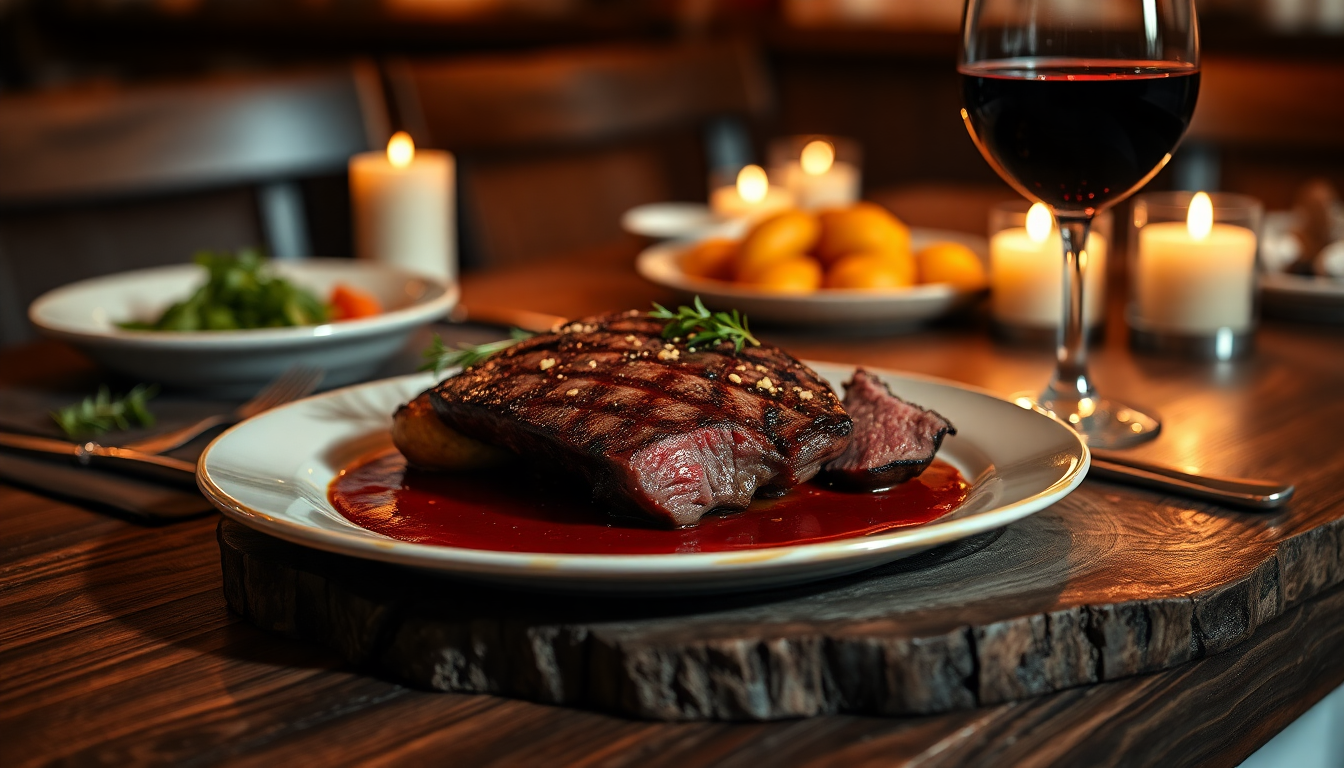
When it comes to culinary enjoyment, few combinations are as timeless and satisfying as a perfectly cooked steak paired with an exceptional wine. The art of matching wine with steak is both a science and an art form, requiring an understanding of flavor profiles, tannin structures, and the characteristics that make certain wines complement beef dishes so beautifully. At Curtis Family Vineyards, we've spent years perfecting our understanding of these pairings, and we're excited to share our comprehensive guide to help you elevate your dining experience.
Understanding the Basics of Wine and Steak Pairing
The fundamental principle behind pairing wine with steak lies in understanding how the components of both interact on your palate. When you take a bite of steak, you're experiencing fat, protein, umami flavors, and the char or crust that develops during cooking. Wine, on the other hand, brings acidity, tannins, alcohol, and various fruit and mineral notes to the table.
The magic happens when these elements work together harmoniously. The acidity in wine cuts through the richness of the steak's fat, cleansing your palate and preparing it for the next bite. The tannins in wine bind with the proteins in the meat, creating a sensation that feels more integrated and less astringent than the wine alone would be. This interplay is what makes certain wine and steak combinations feel absolutely perfect.
The Role of Tannins
Tannins are perhaps the most important element to understand when pairing wine with steak. These compounds, which come from grape skins, seeds, and stems, create a drying sensation in your mouth. Many people initially find this sensation unpleasant, but when paired with the fat and protein in steak, tannins become essential to a successful pairing.
The reason tannins work so well with steak is chemical. The proteins and fats in beef bind with tannins, softening their harsh edges and creating a more pleasant mouthfeel. This is why full-bodied red wines with higher tannin content are traditionally paired with steak. The tannins don't just complement the steak; they're transformed by it, becoming smoother and more integrated into the overall flavor experience.
Acidity and Fat Balance
Acidity is another crucial component in wine and steak pairing. The acid in wine serves multiple purposes when paired with a fatty cut of steak. First, it cuts through the richness, preventing the pairing from feeling heavy or cloying. Second, it cleanses your palate between bites, allowing you to fully appreciate each subsequent bite of steak. Third, it enhances the perception of flavors in both the wine and the meat.
This is why wines with good acidity, even if they're not particularly high in tannins, can work wonderfully with steak. The acidity provides structure and balance, making the pairing feel complete and satisfying.
Classic Red Wine Pairings for Steak
When most people think of wine and steak pairing, they immediately envision red wine. This is for good reason. Red wines, with their tannin structures and flavor profiles, are naturally suited to complement beef dishes. Let's explore some of the most classic and reliable red wine pairings for steak.
Cabernet Sauvignon: The Gold Standard
Cabernet Sauvignon is perhaps the most iconic steak wine, and for excellent reasons. This grape variety produces wines with firm tannin structures, moderate to high acidity, and flavors that range from dark fruits like blackberry and plum to more savory notes of tobacco, leather, and cedar.
The beauty of Cabernet Sauvignon lies in its versatility with different steak preparations. A young, fruit-forward Cabernet Sauvignon pairs beautifully with a simply seasoned grilled steak, allowing the wine's fruit flavors to shine alongside the meat's savory notes. A more mature Cabernet Sauvignon, with its developed secondary flavors and softer tannins, works wonderfully with a richly sauced steak or one topped with compound butter.
At Curtis Family Vineyards, we've found that Cabernet Sauvignon works across the board with virtually any steak preparation. Whether you're enjoying a New York strip, a ribeye, or a filet mignon, a well-made Cabernet Sauvignon will enhance your meal. The wine's tannins grip the steak's proteins, while its acidity cuts through the fat, creating a harmonious balance that keeps you coming back for another bite.
Malbec: The Underrated Champion
While Cabernet Sauvignon often steals the spotlight, Malbec deserves serious consideration as a steak wine. This Argentine varietal produces wines with deep color, ripe fruit flavors, and moderate tannins that are often softer and more approachable than those found in Cabernet Sauvignon.
Malbec brings flavors of dark plum, blackberry, and cherry, often with notes of spice and cocoa. These characteristics make it particularly suited to grilled or charred steaks, where the wine's fruit flavors echo the caramelized crust of the meat. The moderate tannin structure means that Malbec can work well with slightly leaner cuts of steak, as it won't overwhelm the meat with excessive astringency.
Many wine enthusiasts find Malbec to be more approachable than Cabernet Sauvignon, especially younger vintages. If you're looking for a steak wine that's delicious to drink on its own while still providing excellent pairing potential, Malbec is an excellent choice.
Bordeaux Blends: The Sophisticated Option
Bordeaux blends, which typically combine Cabernet Sauvignon with Merlot, Cabernet Franc, Petit Verdot, and Malbec, represent some of the world's finest wines. These blends are crafted to achieve balance and complexity, with each grape variety contributing its own characteristics to create a harmonious whole.
For steak pairing, Bordeaux blends offer sophistication and depth. The Cabernet Sauvignon provides structure and tannins, while the Merlot adds softness and plum flavors. Cabernet Franc contributes herbal and spicy notes, while Petit Verdot adds color and tannin structure. The result is a wine that's greater than the sum of its parts, offering multiple layers of flavor that evolve as you drink it alongside your steak.
Bordeaux blends are particularly well-suited to special occasions and premium steak cuts. If you're splurging on a high-quality ribeye or porterhouse, a fine Bordeaux blend is the perfect companion.
Pinot Noir: The Lighter Alternative
While Pinot Noir is often considered a lighter red wine, it shouldn't be dismissed as a steak pairing option. Pinot Noir from cooler climates, particularly those from Oregon, Burgundy, or New Zealand, can have enough structure and acidity to work beautifully with steak.
Pinot Noir brings flavors of red cherry, raspberry, and strawberry, along with earthy undertones and sometimes a hint of spice. The wine's moderate tannins and good acidity make it particularly well-suited to leaner cuts of steak or to steak preparations that don't involve heavy sauces.
If you prefer wines that are more delicate and nuanced, Pinot Noir offers a sophisticated alternative to the heavier Cabernet Sauvignon or Malbec. It's an excellent choice if you want to enjoy the steak's flavor without the wine overwhelming it.
Syrah/Shiraz: The Bold Choice
Syrah, known as Shiraz in Australia, produces full-bodied wines with firm tannins and flavors ranging from dark berries to pepper and smoke. These wines are bold and assertive, making them excellent choices for equally bold steak preparations.
Syrah pairs particularly well with grilled or charred steaks, where the wine's peppery and smoky notes complement the meat's caramelized crust. The wine's high alcohol content and firm tannins mean it can stand up to richly marbled cuts like ribeye or wagyu beef.
If you enjoy wines with personality and aren't afraid of bold flavors, Syrah is an excellent steak wine to explore.
Understanding Different Steak Cuts and Their Wine Pairings
Not all steaks are created equal, and different cuts have different characteristics that influence which wines pair best with them. Understanding these differences can help you make more informed pairing decisions.
Filet Mignon: The Delicate Cut
Filet mignon is prized for its tenderness and mild flavor. Because this cut is leaner and more delicate than others, it pairs best with wines that won't overpower it. Medium-bodied red wines with moderate tannins work wonderfully with filet mignon.
Pinot Noir is an excellent choice for filet mignon, as its delicate structure complements the meat's subtle flavors. A lighter Merlot or a Cabernet Franc can also work beautifully. If you prefer fuller-bodied wines, choose a Cabernet Sauvignon that's on the softer, more elegant side rather than one with aggressive tannins.
Ribeye: The Marbled Classic
Ribeye steaks are known for their generous marbling, which means they have more fat distributed throughout the meat. This fat content makes ribeye one of the most forgiving steak cuts when it comes to wine pairing.
The richness of a ribeye calls for wines with good acidity and tannin structure to cut through the fat. Full-bodied Cabernet Sauvignon is an obvious choice, but Malbec, Syrah, and even Bordeaux blends work wonderfully. The fat in the ribeye softens the wine's tannins, creating a luxurious mouthfeel that enhances both the steak and the wine.
New York Strip: The Balanced Cut
The New York strip steak offers a balance between tenderness and flavor, with moderate marbling. This versatility makes it an excellent canvas for wine pairing.
New York strip pairs well with a wide range of red wines. Cabernet Sauvignon is the classic choice, but Malbec, Pinot Noir, and even lighter Syrah can work beautifully depending on how the steak is prepared. If the steak is simply seasoned and grilled, a medium-bodied wine allows the steak's flavor to shine. If it's topped with a rich sauce, a fuller-bodied wine provides better balance.
Porterhouse and T-Bone: The Combination Cut
Porterhouse and T-bone steaks are essentially two steaks in one, with both strip and tenderloin portions separated by a T-shaped bone. This combination of textures and flavors calls for a wine that can handle both the leaner strip portion and the more tender filet portion.
A versatile wine like Cabernet Sauvignon or a Bordeaux blend works best with these cuts. The wine's structure and complexity allow it to complement both portions of the steak, creating a harmonious pairing throughout the meal.
Wagyu and Prime Cuts: The Premium Option
Wagyu beef and prime-grade steaks have exceptional marbling and fat content, making them some of the richest and most luxurious steak options available. These premium cuts call for equally premium wines.
Full-bodied red wines with firm tannins and good acidity are essential for pairing with wagyu and prime steaks. Cabernet Sauvignon, Malbec, Syrah, and fine Bordeaux blends all work beautifully. The wine's tannins and acidity help balance the meat's richness, preventing the pairing from feeling overwhelming.
Cooking Methods and Wine Pairing Considerations
How you cook your steak influences which wines pair best with it. Different cooking methods create different flavor profiles and textures that interact differently with wine.
Grilled Steaks
Grilling creates a flavorful crust through the Maillard reaction, developing complex caramelized flavors and a slightly charred exterior. These bold flavors pair well with wines that have enough structure and flavor intensity to match them.
Full-bodied red wines with good tannin structure work best with grilled steaks. Cabernet Sauvignon, Malbec, and Syrah all complement the grilled flavors beautifully. The wine's tannins grip the meat's proteins, while its acidity cuts through the char and fat.
Pan-Seared Steaks
Pan-searing creates a beautiful crust while keeping the interior tender and juicy. The result is a steak with concentrated flavors and a rich, buttery texture. These steaks pair well with wines that have good acidity to cut through the richness while still having enough body to complement the meat.
Medium to full-bodied red wines work well with pan-seared steaks. Cabernet Sauvignon, Merlot, and Pinot Noir all offer good options depending on the steak's richness and your personal preferences.
Sous Vide Steaks
Sous vide cooking produces incredibly tender steaks with precise doneness throughout. Because sous vide steaks don't develop a crust through high-heat cooking, they have a more delicate flavor profile than grilled or pan-seared steaks.
These steaks pair well with medium-bodied red wines that won't overpower the meat's subtle flavors. Pinot Noir, lighter Merlot, and Cabernet Franc are excellent choices. If you finish a sous vide steak with a quick sear to develop a crust, you can move up to fuller-bodied wines.
Reverse-Seared Steaks
Reverse-searing involves cooking a steak slowly at low temperature and then finishing it with a quick, high-heat sear. This method produces a perfectly cooked interior with a flavorful crust, offering the best of both worlds.
Because reverse-seared steaks have both tenderness and a flavorful crust, they pair well with a wide range of red wines. Cabernet Sauvignon, Malbec, Pinot Noir, and Bordeaux blends all work beautifully, depending on your preferences.
Sauce Considerations in Wine Pairing
The sauce or topping you choose for your steak significantly influences which wines pair best with your meal. Understanding how different sauces interact with wine can help you make better pairing decisions.
Red Wine Reduction
A red wine reduction sauce creates a natural affinity with red wine pairings. The wine in the sauce and the wine in your glass share similar flavor profiles, creating a harmonious pairing.
When pairing with a red wine reduction, choose a wine that complements the sauce's flavors. If the sauce is made with Cabernet Sauvignon, pairing with a Cabernet Sauvignon creates a cohesive experience. Alternatively, you might choose a wine that contrasts with the sauce, such as a Pinot Noir or Merlot, to create a more complex flavor profile.
Peppercorn Sauce
Peppercorn sauce brings spicy, peppery flavors that pair beautifully with wines that have peppery or spicy notes. Syrah, with its natural pepper and spice characteristics, is an excellent choice for steak with peppercorn sauce.
Cabernet Sauvignon and Malbec also work well, as their tannins and acidity complement the sauce's bold flavors. The key is choosing a wine with enough personality to stand up to the sauce without being overwhelmed by it.
Béarnaise Sauce
Béarnaise sauce, made with butter, egg yolks, and tarragon, is rich and luxurious. This creamy sauce calls for wines with good acidity to cut through the richness and cleanse the palate.
Medium to full-bodied red wines with good acidity work best with béarnaise. Cabernet Sauvignon, Merlot, and even some Pinot Noir options can work beautifully. The wine's acidity is essential for balancing the sauce's richness.
Mushroom Sauce
Mushroom sauce brings earthy, umami flavors that pair beautifully with red wines that have earthy undertones. Pinot Noir, with its earthy characteristics, is an excellent choice for steak with mushroom sauce.
Merlot and Cabernet Franc also work well, as their earthy notes complement the mushroom flavors. The combination of the steak's savory flavors, the sauce's umami, and the wine's earthy notes creates a deeply satisfying pairing.
Blue Cheese Topping
Blue cheese brings bold, salty, and slightly funky flavors that require wines with enough structure and personality to complement them. Full-bodied red wines work best with blue cheese-topped steaks.
Cabernet Sauvignon, Malbec, and Syrah all pair beautifully with blue cheese. The wine's tannins and acidity help balance the cheese's bold flavors, creating a sophisticated and complex pairing.
Exploring White Wine and Rosé Pairings with Steak
While red wine is the traditional choice for steak, certain white wines and rosés can create surprisingly delicious pairings, especially with lighter



Leave a comment
This site is protected by hCaptcha and the hCaptcha Privacy Policy and Terms of Service apply.