

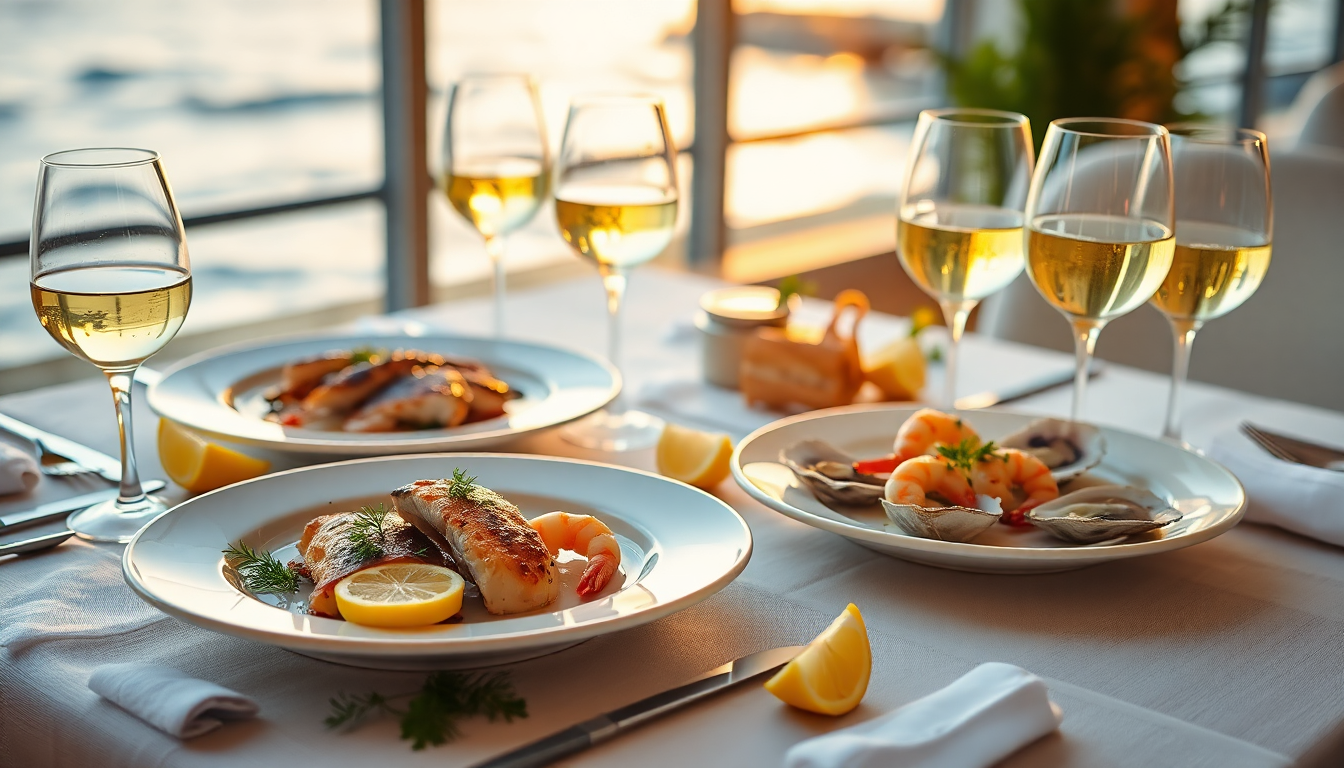
Seafood and wine pairing is one of the most elegant and rewarding aspects of culinary enjoyment. Whether you're planning a special dinner, hosting a gathering, or simply looking to enhance your everyday meals, understanding which wines complement different types of seafood can elevate your dining experience to new heights. At Curtis Family Vineyards, we believe that the right wine pairing can transform a good meal into an unforgettable one. This comprehensive guide will walk you through everything you need to know about pairing wine with seafood, from light white wines to surprising red options, and from delicate fish to rich shellfish preparations.
Understanding the Basics of Wine and Seafood Pairing
The fundamental principle behind pairing wine with seafood is balance. The goal is to create a harmonious relationship between the flavors and textures of both the wine and the dish. Unlike some food and wine pairings that rely on matching intensity, seafood pairings often benefit from complementary contrasts. A crisp, acidic white wine can cut through the richness of buttery seafood, while a light red might echo the earthiness of certain preparations.
When considering seafood and wine pairings, several factors come into play. The type of seafood, the cooking method, the sauce or preparation style, and the accompanying ingredients all influence which wine will work best. A delicate white fish prepared simply with lemon will pair differently than the same fish prepared in a rich cream sauce. Understanding these nuances allows you to make informed choices that enhance both the wine and the food.
The acidity in wine plays a crucial role in seafood pairings. High-acid wines help cleanse the palate between bites and prevent the richness of seafood from becoming overwhelming. This is why many of the classic seafood wines are known for their crisp, refreshing acidity. Additionally, the minerality often found in white wines can echo the briny, oceanic qualities of fresh seafood, creating a natural affinity between the two.
White Wines: The Classic Choice for Seafood
White wine remains the most popular choice for seafood pairings, and for good reason. The versatility of white wines allows them to complement virtually every type of seafood preparation. From the lightest, most delicate fish to rich shellfish dishes, there's a white wine that will enhance the experience.
Sauvignon Blanc: The Versatile Seafood Companion
Sauvignon Blanc is perhaps the most reliable white wine for seafood pairings. Known for its crisp acidity, herbaceous notes, and mineral qualities, Sauvignon Blanc works beautifully with a wide range of seafood dishes. The wine's natural acidity cuts through the richness of oily fish like salmon and mackerel, while its herbaceous character complements lighter preparations of white fish.
Sauvignon Blanc from different regions offers varying flavor profiles. Loire Valley Sauvignon Blancs tend to be more mineral-driven and herbaceous, with notes of grass and green apple. These work particularly well with oysters, clams, and other raw or lightly cooked shellfish. New Zealand Sauvignon Blancs, on the other hand, often display more tropical fruit characteristics alongside their herbaceous notes, making them excellent choices for seafood with Asian-inspired flavors or those prepared with citrus.
The beauty of Sauvignon Blanc lies in its ability to adapt to different preparations. Whether your seafood is grilled, poached, steamed, or served raw, Sauvignon Blanc can accommodate the dish. For grilled fish with herbs, choose a more herbaceous Sauvignon Blanc. For seafood with tropical fruit elements or spicy preparations, opt for a New Zealand version with more fruit-forward characteristics.
Pinot Grigio: Light and Refreshing
Pinot Grigio offers a lighter, more delicate approach to seafood pairing. With its pale color and subtle flavors, Pinot Grigio is ideal for the most delicate fish preparations. The wine's light body ensures it won't overpower subtle seafood flavors, while its crisp acidity provides the necessary balance.
Italian Pinot Grigio, particularly those from the Veneto region, are known for their mineral qualities and subtle fruit flavors. These wines pair beautifully with simple preparations of white fish, such as branzino or sole, especially when prepared with minimal sauce. The wine's delicate nature makes it an excellent choice for seafood appetizers and lighter courses.
Pinot Grigio is also an excellent choice for seafood in cream sauces, as the wine's acidity helps cut through the richness without overwhelming the dish. A classic preparation of scallops in a light cream sauce with Pinot Grigio is a timeless pairing that demonstrates the wine's versatility.
Albariño: The Spanish Seafood Secret
Albariño, a white wine from Spain's Rías Baixas region, is often called the perfect seafood wine. This wine is produced in a region famous for its seafood, particularly shellfish, and it has evolved to pair beautifully with these local treasures. Albariño offers a wonderful balance of crisp acidity, mineral notes, and subtle stone fruit flavors.
The wine's salinity and mineral character make it particularly suited to oysters, clams, mussels, and other shellfish. The briny quality of the wine echoes the oceanic nature of these ingredients, creating a natural harmony. Albariño also works well with white fish preparations, particularly those with garlic and olive oil, which are common in Spanish coastal cuisine.
What makes Albariño special is its ability to handle richer seafood preparations while maintaining its refreshing quality. A seafood paella or a rich seafood stew paired with Albariño demonstrates the wine's ability to complement complex, flavorful dishes without losing its character.
Chablis: Unoaked Chardonnay Excellence
Chablis, the unoaked Chardonnay from France's northernmost wine region, represents a different approach to white wine and seafood pairing. Without the influence of oak, Chablis showcases the pure, mineral character of Chardonnay grapes grown in a cool climate. The result is a wine with crisp acidity, green apple and citrus notes, and a distinctive mineral quality.
Chablis is particularly well-suited to oysters, where it's considered a classic pairing. The wine's mineral character and acidity complement the briny, delicate flavor of oysters perfectly. Chablis also pairs beautifully with white fish, particularly when prepared simply to allow the wine's subtle flavors to shine.
The beauty of Chablis lies in its ability to age gracefully while maintaining its freshness. Younger Chablis offers vibrant acidity and bright fruit, while older examples develop more complex, mineral-driven characteristics. Both styles work well with seafood, though younger versions are ideal for lighter preparations and older versions can handle slightly richer dishes.
Riesling: The Underrated Seafood Pairing
Riesling is often overlooked in seafood pairing discussions, yet it offers remarkable versatility and can be an excellent choice for many seafood dishes. The key to successful Riesling and seafood pairing lies in choosing the right style. Dry or off-dry Rieslings work best, as they provide the necessary acidity without excessive sweetness.
German Rieslings, particularly those from the Mosel region, offer a wonderful balance of acidity, subtle sweetness, and mineral notes. These wines pair beautifully with seafood preparations that include slightly sweet elements, such as seafood with fruit-based sauces or Asian-inspired preparations with sweet and spicy flavors.
Riesling's aromatic qualities also make it an excellent choice for seafood with aromatic herbs and spices. A seafood dish with ginger, lemongrass, or other aromatic elements can be beautifully complemented by a dry Riesling. The wine's natural sweetness and acidity create a balance that enhances both the wine and the food.
Vermentino: Mediterranean Freshness
Vermentino, a white wine from Sardinia and other Mediterranean regions, offers a fresh, mineral-driven approach to seafood pairing. With its crisp acidity and subtle citrus and stone fruit flavors, Vermentino is ideal for Mediterranean seafood preparations.
This wine pairs beautifully with grilled fish, seafood pasta dishes, and Mediterranean-style preparations featuring olive oil, garlic, and herbs. The wine's mineral quality echoes the coastal environment where both the wine and the seafood originate, creating a natural affinity.
Vermentino is also an excellent choice for seafood antipasti and lighter seafood courses. The wine's refreshing nature makes it perfect for warm weather dining and outdoor entertaining.
Rosé Wines: The Versatile Middle Ground
Rosé wines occupy an interesting position in the wine and seafood pairing world. Often overlooked in favor of white wines, quality rosés can offer remarkable versatility and can be excellent choices for many seafood dishes.
The beauty of rosé lies in its ability to bridge the gap between white and red wines. A dry rosé offers the refreshing acidity of white wine while providing slightly more body and complexity. This makes rosé an excellent choice for seafood preparations that might be too rich for a light white wine but not quite suitable for a red wine.
Provence rosés, known for their pale color and dry character, are particularly well-suited to seafood. These wines pair beautifully with grilled fish, seafood salads, and Mediterranean-style preparations. The wine's subtle fruit flavors and crisp acidity complement a wide range of seafood dishes without overwhelming them.
Rosé is also an excellent choice for seafood with slightly spicy preparations or those featuring Asian flavors. The wine's slight sweetness and acidity create a balance that works well with these flavor profiles. Additionally, rosé is ideal for casual seafood dining and outdoor entertaining, where its refreshing nature and approachable character make it a crowd-pleaser.
Light Red Wines: Surprising Seafood Partners
While white wine remains the traditional choice for seafood, certain light red wines can offer surprising and delightful pairings with specific seafood preparations. The key is choosing wines with sufficient acidity and light body to complement rather than overpower the seafood.
Pinot Noir: The Red Wine Seafood Option
Pinot Noir, particularly lighter examples from cooler climates, can be an excellent choice for certain seafood dishes. The wine's silky texture, bright acidity, and subtle red fruit flavors make it suitable for seafood preparations that might be too rich or complex for white wine.
Pinot Noir pairs beautifully with salmon, particularly when the fish is grilled or prepared with earthy elements like mushrooms or truffles. The wine's subtle tannins and acidity complement the richness of salmon without overwhelming its delicate flavor. Oregon and Burgundy Pinot Noirs are particularly well-suited to this pairing.
Pinot Noir also works well with seafood preparations that include red wine sauces or those featuring darker, earthier ingredients. A seafood dish with mushrooms, olives, or tomato-based sauces can be beautifully complemented by a light Pinot Noir.
Gamay: Light and Fruity
Gamay, the red wine grape of Beaujolais, offers a light, fruity approach to red wine and seafood pairing. With its low tannins, bright acidity, and cherry and raspberry flavors, Gamay can work well with certain seafood preparations.
Gamay pairs particularly well with seafood that has been prepared with herbs, spices, or slightly smoky elements. The wine's fruity character and light body make it suitable for seafood salads and lighter seafood preparations. Beaujolais Cru wines, with their more complex flavors and structure, can handle slightly richer seafood dishes.
Barbera: Italian Versatility
Barbera, an Italian red wine known for its high acidity and low tannins, can be an interesting choice for certain seafood preparations. The wine's acidity makes it more suitable for seafood than many other red wines, while its fruit-forward character provides enough body to complement richer preparations.
Barbera pairs well with seafood pasta dishes, particularly those with tomato-based sauces. The wine's acidity complements the acidity of tomato, while its fruit flavors echo the flavors of the dish. Barbera can also work with grilled seafood, particularly when the fish has been prepared with herbs and spices.
Sparkling Wines: Celebration and Versatility
Sparkling wines deserve special mention in any discussion of wine and seafood pairing. The combination of bubbles, acidity, and often subtle fruit flavors makes sparkling wines remarkably versatile with seafood.
Champagne and other high-quality sparkling wines are classic choices for oysters and other raw shellfish. The bubbles provide a refreshing contrast to the briny, delicate flavors of oysters, while the wine's acidity and complexity complement the seafood beautifully. Champagne also works well with caviar and other luxury seafood preparations.
Beyond oysters, sparkling wines pair well with a wide range of seafood dishes. The bubbles and acidity make them excellent choices for seafood appetizers, light seafood courses, and even some richer seafood preparations. Prosecco and other lighter sparkling wines offer a more casual approach to seafood pairing, making them ideal for everyday dining and entertaining.
The versatility of sparkling wines makes them an excellent choice when you're uncertain about which wine to serve with a particular seafood dish. The combination of acidity, bubbles, and often subtle fruit flavors allows sparkling wines to complement virtually any seafood preparation.
Specific Seafood and Wine Pairings
Understanding general principles of wine and seafood pairing is valuable, but specific knowledge about which wines work best with particular types of seafood is equally important. Different seafood varieties have distinct flavor profiles and textures that call for different wine approaches.
Oysters and Clams
Oysters and clams are perhaps the most wine-friendly seafood. Their briny, delicate flavors pair beautifully with a wide range of wines. For raw oysters, Sauvignon Blanc, Chablis, and Champagne are classic choices. The mineral quality of these wines echoes the oceanic nature of the oysters, creating a natural harmony.
Albariño is another excellent choice for oysters, particularly those from Spanish regions. The wine's salinity and mineral character make it an ideal partner for these delicate shellfish. Vermentino and other Mediterranean white wines also work beautifully with oysters.
For cooked oysters, such as those prepared in a cream sauce or grilled, slightly richer white wines like unoaked Chardonnay or Pinot Grigio work well. The wine's body and acidity complement the richer preparation while maintaining the delicate oyster flavor.
Clams, whether served raw, steamed, or in pasta dishes, pair well with similar wines to oysters. Sauvignon Blanc and Albariño are excellent choices for raw clams, while slightly richer white wines work well with cooked preparations.
Mussels
Mussels, with their slightly sweet, briny flavor, pair beautifully with crisp white wines. Sauvignon Blanc is an excellent choice for mussels, particularly when they're prepared simply with white wine and herbs. The wine's herbaceous character and acidity complement the mussels' delicate flavor.
Albariño is another outstanding choice for mussels, particularly in Spanish-style preparations. The wine's mineral quality and acidity make it an ideal partner for these shellfish. Vermentino and other Mediterranean white wines also work well with mussels.
For mussels prepared in cream sauces or with richer preparations, slightly fuller-bodied white wines like unoaked Chardonnay or Pinot Grigio work well. The wine's body provides enough substance to complement the richer sauce while its acidity cuts through the richness.
Scallops
Scallops, with their delicate, slightly sweet flavor, are versatile seafood that pairs well with a range of wines. For simply prepared scallops, light white wines like Pinot Grigio or Sauvignon Blanc are excellent choices. The wine's delicate nature ensures it won't overpower the subtle scallop flavor.
For scallops prepared in cream sauces, slightly richer white wines like unoaked Chardonnay work beautifully. The wine's body and acidity complement the richness of the sauce while maintaining the delicate scallop flavor. Riesling can also be an excellent choice for scallops, particularly when the dish includes slightly sweet elements.
For grilled or seared scallops, particularly those with a caramelized crust, Sauvignon Blanc or even a light Pinot Noir can work well. The wine's acidity and subtle fruit flavors complement the caramelized flavors of the scallops.
White Fish
White fish varieties like sole, flounder, halibut, and branzino are delicate seafood that pairs well with light, crisp white wines. Pinot Grigio is an excellent choice for simply prepared white fish, as the wine's delicate nature won't overpower the subtle fish flavor.
Sauvignon Blanc works well with white fish, particularly when the fish is prepared with herbs or citrus. The wine's herbaceous character and


Leave a comment
This site is protected by hCaptcha and the hCaptcha Privacy Policy and Terms of Service apply.