

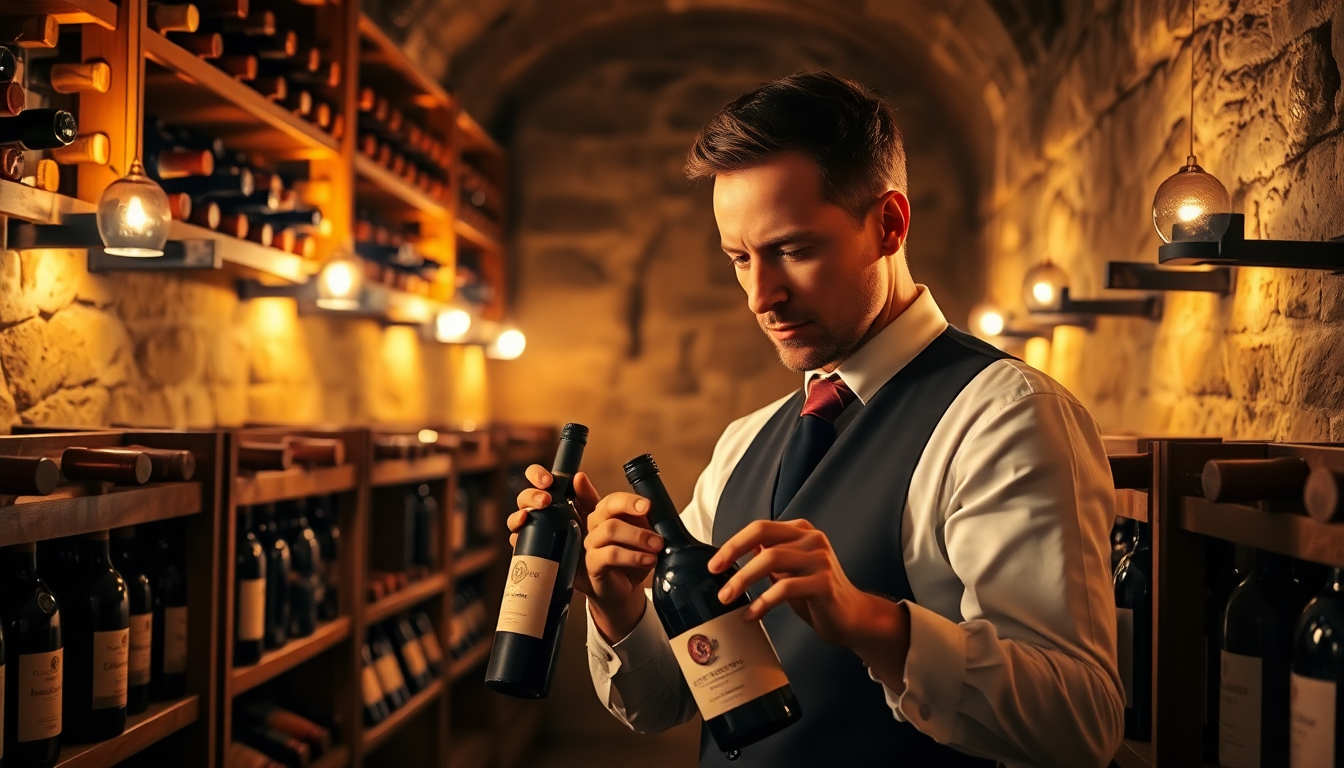
Wine has captivated humanity for thousands of years, and one of the most fascinating aspects of this ancient beverage is its ability to improve with age. But not all wines are created equal when it comes to aging potential. Some wines are meant to be enjoyed fresh and young, while others can develop remarkable complexity and depth over decades or even centuries. At Curtis Family Vineyards, we believe understanding what makes a wine age-worthy is essential for any wine enthusiast looking to build a meaningful collection or simply appreciate the wines they drink.
The question of what makes a wine age-worthy is more complex than many people realize. It involves chemistry, biology, geography, winemaking techniques, and a deep understanding of how different components in wine interact over time. In this comprehensive guide, we'll explore the factors that determine whether a wine can gracefully age and develop into something truly special.
The Science Behind Wine Aging
Understanding Wine Chemistry
At its core, wine aging is a chemical process. When wine is first produced, it contains numerous compounds that interact with each other in complex ways. The primary components that affect aging potential include tannins, acidity, alcohol, and various phenolic compounds. Understanding how these elements work together is fundamental to comprehending why some wines age beautifully while others deteriorate.
Tannins are perhaps the most important factor in determining a wine's aging potential. These polyphenolic compounds come from grape skins, seeds, and stems, as well as from oak barrels used during winemaking. Young wines with high tannin content often taste astringent and harsh, but over time, these tannins polymerize and soften, creating a smoother, more integrated mouthfeel. This transformation is one of the primary reasons wine enthusiasts age their bottles.
Acidity is another crucial component. Wines with good acidity have a natural preservative quality that helps them age gracefully. The acid acts as a buffer against oxidation and microbial spoilage, allowing the wine to maintain its freshness over extended periods. This is why wines from cooler climates, which naturally have higher acidity, tend to have better aging potential than those from warmer regions.
Alcohol content also plays a significant role. Wines with higher alcohol levels have better preservative qualities, which is why fortified wines like Port and Sherry can age for exceptionally long periods. However, the relationship between alcohol and aging is not straightforward, as excessive alcohol can sometimes overpower other flavors and create an unbalanced wine.
Oxidation and Reduction
One of the most important chemical processes that occurs during wine aging is the slow oxidation of the wine. Unlike the rapid oxidation that occurs when wine is exposed to air after opening, the oxidation that happens in a sealed bottle is extremely gradual and controlled. This slow oxidation leads to the development of complex flavors and aromas that are characteristic of aged wines.
During this process, compounds in the wine break down and recombine, creating new flavor compounds. This is why a ten-year-old wine might taste completely different from the same wine when it was first released. The oxidation process is essential for developing the tertiary flavors that make aged wines so interesting and complex.
Conversely, reduction is the opposite process, where the wine becomes less oxidized. Some wines benefit from a period of reduction, which can help preserve their fresh, fruity characteristics while still allowing for some aging and development. The balance between oxidation and reduction is delicate and varies depending on the wine's composition and storage conditions.
The Role of Grape Variety
Classic Age-Worthy Varieties
Certain grape varieties are renowned for their aging potential, and these grapes have been selected and cultivated for centuries specifically because of their ability to produce wines that improve with time. Understanding which varieties are naturally age-worthy is crucial for anyone interested in building a wine collection.
Cabernet Sauvignon is perhaps the most famous age-worthy red wine grape. Wines made from this variety typically have high tannin levels, good acidity, and the ability to develop complex secondary flavors over decades. A great Cabernet Sauvignon from a top vintage can easily age for twenty to thirty years or more, continuously evolving and improving throughout this period.
Nebbiolo, the grape behind the legendary wines of Barolo and Barbaresco in Italy, is another classic age-worthy variety. These wines are known for their powerful tannins and high acidity, which allow them to age for fifty years or more. Young Nebbiolo wines can be quite austere and challenging to drink, but with proper aging, they develop into wines of extraordinary complexity and elegance.
Pinot Noir, while often thought of as a lighter, more delicate red wine, can also age beautifully when produced with sufficient structure and concentration. The best examples from Burgundy and other premium regions can age for twenty years or more, developing earthy, savory characteristics that are quite different from the wine's youthful fruit-forward profile.
For white wines, Riesling stands out as perhaps the most age-worthy variety. High-quality Rieslings, particularly those with good acidity and some residual sugar, can age for decades, developing honeyed, complex flavors while maintaining their freshness. Similarly, white Burgundies made from Chardonnay can age beautifully, developing rich, buttery characteristics over time.
Lesser-Known Age-Worthy Varieties
Beyond the classic varieties, there are many other grapes that produce age-worthy wines. Tempranillo from Spain, particularly when used in Rioja and Ribera del Duero wines, can age for twenty to thirty years. Sangiovese, the primary grape of Tuscany, produces wines like Brunello di Montalcino that can age for fifty years or more.
In the New World, varieties like Syrah and Grenache are increasingly recognized for their aging potential. Australian Shiraz, in particular, has demonstrated remarkable ability to age gracefully, with some bottles improving for thirty years or more. These discoveries have expanded our understanding of which varieties can produce age-worthy wines and have challenged some traditional European assumptions about wine aging.
Terroir and Geographic Factors
Climate and Vintage Variation
The concept of terroir encompasses all the environmental factors that influence grape growing and wine production, including climate, soil, topography, and even the cultural practices of the region. Terroir plays a crucial role in determining whether a wine will be age-worthy.
Cooler climate regions naturally produce wines with higher acidity and lower alcohol, which are ideal conditions for aging. Bordeaux, Burgundy, and other classic European wine regions are located in relatively cool climates, which is one reason their wines have such excellent aging potential. The longer growing season in cooler regions allows grapes to develop more complex flavors while maintaining good acidity.
Vintage variation is another important factor. In cooler climates, some years are warmer and produce riper, more concentrated wines, while other years are cooler and produce leaner, more acidic wines. Generally, the warmer vintages in cool climate regions produce the most age-worthy wines, as they have the best balance of ripeness and acidity. This is why certain vintages of Bordeaux or Burgundy command premium prices and are highly sought after by collectors.
Soil Composition
The soil in which grapes are grown significantly influences the wine's aging potential. Soils that are less fertile tend to produce wines with more concentration and complexity, as the vines must work harder to extract nutrients. Limestone-based soils, common in many classic wine regions, are particularly associated with producing age-worthy wines. The minerals in these soils contribute to the wine's structure and complexity.
Volcanic soils, found in regions like the Mosel in Germany and parts of the Rhône Valley in France, also produce excellent age-worthy wines. The mineral content of volcanic soils imparts distinctive characteristics to the wine that can develop beautifully over time.
Winemaking Techniques and Their Impact on Aging
Extraction and Tannin Management
The way a wine is made has a profound impact on its aging potential. Winemakers have numerous decisions to make during the production process that directly affect how well a wine will age. One of the most important decisions involves tannin extraction during fermentation.
Extended maceration, where the grape skins remain in contact with the juice for longer periods, increases tannin extraction. This results in wines with more structure and aging potential, though they may be more austere when young. Conversely, shorter maceration periods produce softer, more approachable wines that may not age as well.
The temperature at which fermentation occurs also affects aging potential. Cooler fermentations tend to preserve more delicate flavors and can result in wines with better balance, while warmer fermentations can extract more color and tannins. Skilled winemakers carefully manage fermentation temperature to achieve the desired balance between extraction and freshness.
Oak Aging and Its Effects
The use of oak barrels during aging is another crucial factor in determining a wine's aging potential. Oak contributes tannins, vanilla, and spice flavors to wine, and it also allows for very slow oxidation, which is beneficial for aging. However, the impact of oak varies depending on the type of oak used, the age of the barrel, and the length of time the wine spends in oak.
New oak barrels impart more flavor and tannins than older barrels, and French oak imparts different characteristics than American oak. Winemakers must carefully balance the benefits of oak aging with the risk of over-oaking the wine, which can mask the wine's natural flavors and actually reduce its aging potential.
The length of time a wine spends in oak is also important. Wines destined for long aging often spend longer in barrel, allowing them to develop more complexity and integrate the oak flavors more thoroughly. However, excessive oak aging can dry out the wine and make it less enjoyable.
Sulfite Usage
Sulfites are used in winemaking as a preservative and antioxidant. The amount of sulfites added to a wine significantly affects its aging potential. Wines with adequate sulfite levels are better protected against oxidation and microbial spoilage, allowing them to age more gracefully. However, excessive sulfites can interfere with the wine's flavor development and create unpleasant aromas.
Finding the right balance of sulfites is crucial for winemakers who want to produce age-worthy wines. Natural winemakers, who use minimal or no added sulfites, often produce wines with less reliable aging potential, though some natural wines can still age beautifully if they have sufficient natural acidity and tannins.
The Importance of Balance
Harmony of Components
Perhaps the most important factor in determining whether a wine is age-worthy is the balance and harmony of its components. A wine with high tannins but low acidity may not age well, as the tannins will eventually become harsh and the wine will lack the freshness needed to maintain interest over time. Similarly, a wine with high acidity but insufficient tannins or fruit may become too lean and austere with age.
The best age-worthy wines have a harmonious balance of all their components. The tannins are integrated with the fruit flavors, the acidity is present but not overwhelming, and the alcohol is well-balanced with the other elements. This balance is what allows the wine to evolve gracefully over time, with each component developing and changing in a way that enhances the overall experience.
Fruit Concentration
Wines with good fruit concentration tend to age better than lighter, more delicate wines. The fruit flavors in a young wine provide the foundation for the complex secondary flavors that develop with age. If a wine lacks sufficient fruit concentration, it may become thin and uninteresting as the primary fruit flavors fade with age.
This is why wines from riper vintages or from vineyards that produce more concentrated fruit tend to have better aging potential. The concentration provides a buffer against the loss of fruit flavors that naturally occurs with age.
Specific Wine Styles and Their Aging Potential
Red Wines
Red wines generally have better aging potential than white wines, primarily because of their higher tannin content. However, not all red wines are created equal when it comes to aging. Light-bodied red wines like Pinot Noir and Grenache may age for ten to twenty years, while full-bodied wines like Cabernet Sauvignon and Nebbiolo can age for thirty years or more.
Bordeaux blends, which typically combine Cabernet Sauvignon with Merlot and other varieties, are among the most age-worthy red wines. The structure and complexity of these blends allow them to develop beautifully over decades. Similarly, Tuscan wines made from Sangiovese can age for fifty years or more, developing complex, earthy flavors that are quite different from their youthful profile.
Burgundy, made from Pinot Noir, represents a different style of age-worthy red wine. While individual bottles may not age as long as Bordeaux, the best examples can age for thirty years or more, developing silky tannins and complex flavors that showcase the terroir of the region.
White Wines
White wines generally have less aging potential than red wines because they lack the tannins that provide structure and protection against oxidation. However, certain white wines can age beautifully and develop remarkable complexity over time.
High-quality Rieslings, particularly those from Germany and Alsace, can age for twenty to thirty years or more. The acidity in these wines provides excellent preservation, and the residual sugar can develop into honeyed, complex flavors with age. Similarly, white Burgundies made from Chardonnay can age for fifteen to twenty years, developing rich, buttery characteristics.
Sauvignon Blanc and other herbaceous white wines generally have less aging potential, though some premium examples from the Loire Valley can age for ten to fifteen years. These wines are typically best enjoyed within five to ten years of release, when their fresh, vibrant characteristics are most apparent.
Fortified Wines
Fortified wines, which have had spirits added to increase their alcohol content, have exceptional aging potential. Port, Sherry, and Madeira can age for fifty years, a hundred years, or even longer. The high alcohol content and the oxidative aging process used for some of these wines create a stable product that can improve indefinitely.
Vintage Port, in particular, is renowned for its aging potential. A great vintage Port can age for fifty to a hundred years, developing complex, dried fruit flavors and a silky texture. Similarly, aged Sherry can develop remarkable complexity and depth, with some bottles aging for decades.
Storage Conditions and Their Critical Role
Temperature Control
Proper storage conditions are absolutely essential for wine to age successfully. Temperature is perhaps the most important factor. Wine should be stored at a consistent temperature, ideally between 45 and 65 degrees Fahrenheit, with 55 degrees being considered optimal. Fluctuations in temperature can cause the wine to expand and contract, potentially allowing air to seep past the cork and oxidize the wine prematurely.
Excessive heat accelerates the aging process and can cause the wine to age too quickly, losing its freshness and developing cooked flavors. Conversely, temperatures that are too cold can slow the aging process excessively and may cause the wine to become unstable.
Light Exposure
Light, particularly ultraviolet light, can damage wine and cause it to age prematurely. This is why wine bottles are typically made from dark glass, which filters out much of the harmful light. Wine should be stored in a dark location, away from direct sunlight and fluorescent lights.
Extended exposure to light can cause a wine to develop a musty, unpleasant flavor known as light strike. This is particularly problematic for white wines and light-colored wines, which are more susceptible to light damage than darker red wines.
Humidity and Cork Condition
Humidity levels in the storage environment should be moderate, ideally between 50 and 80 percent. Low humidity can cause corks to dry out, allowing air to enter the bottle and oxidize the wine. High humidity can promote mold growth and damage the wine labels, though this is less critical than cork condition.
The cork itself is crucial for proper aging. A good cork will maintain a seal that allows only minimal oxygen exchange, which is necessary for the wine to age properly. Poor quality corks or corks that have dried out can allow excessive oxidation, ruining the wine.
Bottle Position
Wine bottles should be stored on their side, with the wine in contact with the cork. This keeps the cork moist and prevents it from drying out. Bottles stored upright for extended periods may develop dried-out corks that allow air to enter the bottle.
How to Identify Age-Worthy Wines
Reading Wine Labels and Descriptions
Learning to identify age-worthy wines requires understanding what to look for on labels and in wine descriptions. Words like "structured," "complex," "concentrated," and "balanced" suggest a wine with good aging potential. Conversely, descriptions emphasizing "fresh," "fruity," and "approachable" suggest a wine meant for near-term consumption.
The alcohol level can also provide clues. Wines with alcohol levels between 13 and 15 percent often have good aging potential, as they have sufficient alcohol for preservation without being excessively high. Very high alcohol wines may be less age-worthy, as the alcohol can overpower other flavors.
Tasting Notes and Professional Reviews
Professional wine critics often comment on a wine's aging potential in their reviews. Learning to read these reviews and understand what they're saying about a wine's future development is valuable. Critics may note that a wine is "drinking well now but will improve over the next ten years" or that it's "still quite young and needs time to develop."
Tasting notes that mention tannins, acidity,

Leave a comment
This site is protected by hCaptcha and the hCaptcha Privacy Policy and Terms of Service apply.