

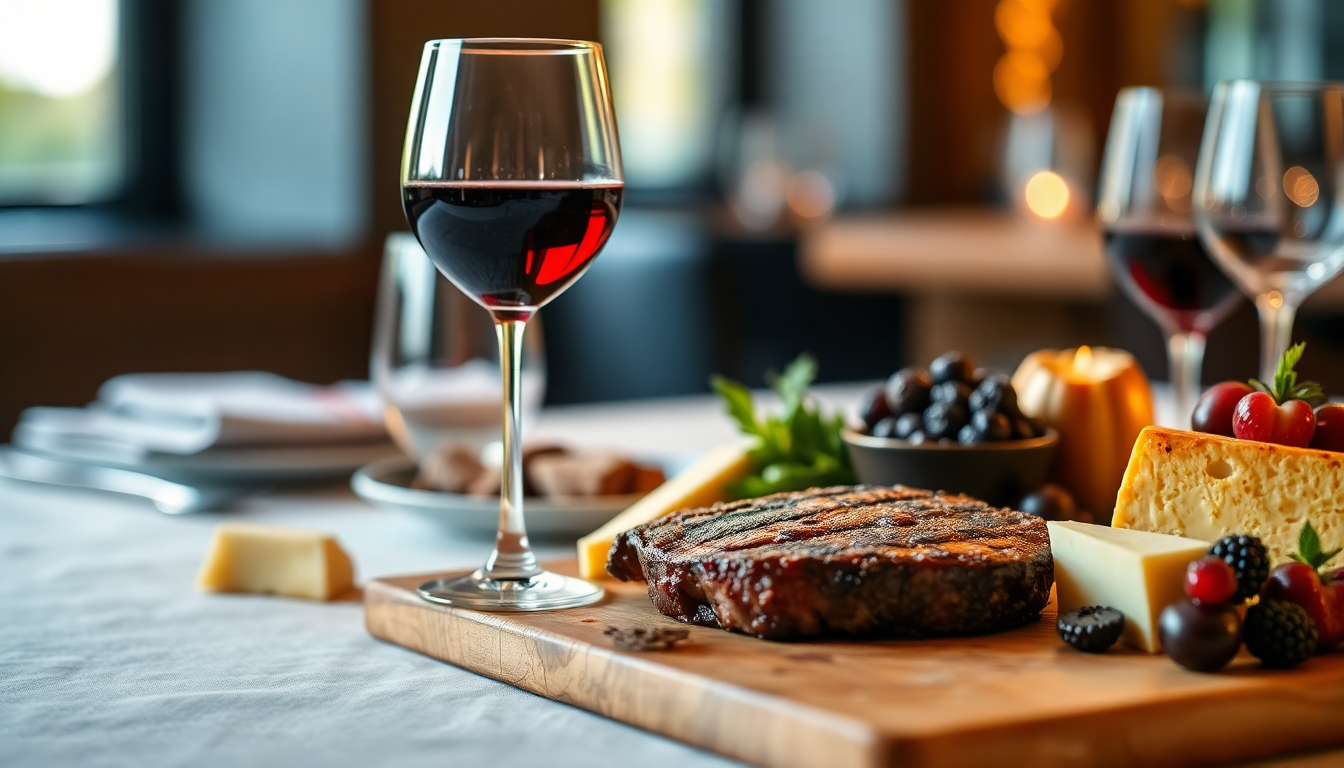
Cabernet Sauvignon stands as one of the world's most celebrated and versatile red wines, renowned for its bold flavors, structured tannins, and remarkable aging potential. Whether you're enjoying a glass from Curtis Family Vineyards or exploring bottles from around the globe, understanding which foods complement this magnificent wine can elevate your dining experience to extraordinary heights. This comprehensive guide explores the art and science of pairing food with Cabernet Sauvignon, offering insights that will help you create memorable meals that showcase both the wine and your culinary creations.
Understanding Cabernet Sauvignon's Flavor Profile
Before diving into specific food pairings, it's essential to understand what makes Cabernet Sauvignon such a distinctive wine. This noble grape variety produces wines with a complex array of flavors and characteristics that influence how they interact with food.
The Core Flavor Notes
Cabernet Sauvignon typically exhibits flavors ranging from dark fruits like blackberry, plum, and black cherry to more savory notes including tobacco, leather, and graphite. Depending on the region where the grapes are grown and the winemaking techniques employed, you might also detect hints of eucalyptus, mint, or even bell pepper. These diverse flavor profiles mean that Cabernet Sauvignon can pair successfully with a wide variety of foods, from simple preparations to elaborate dishes.
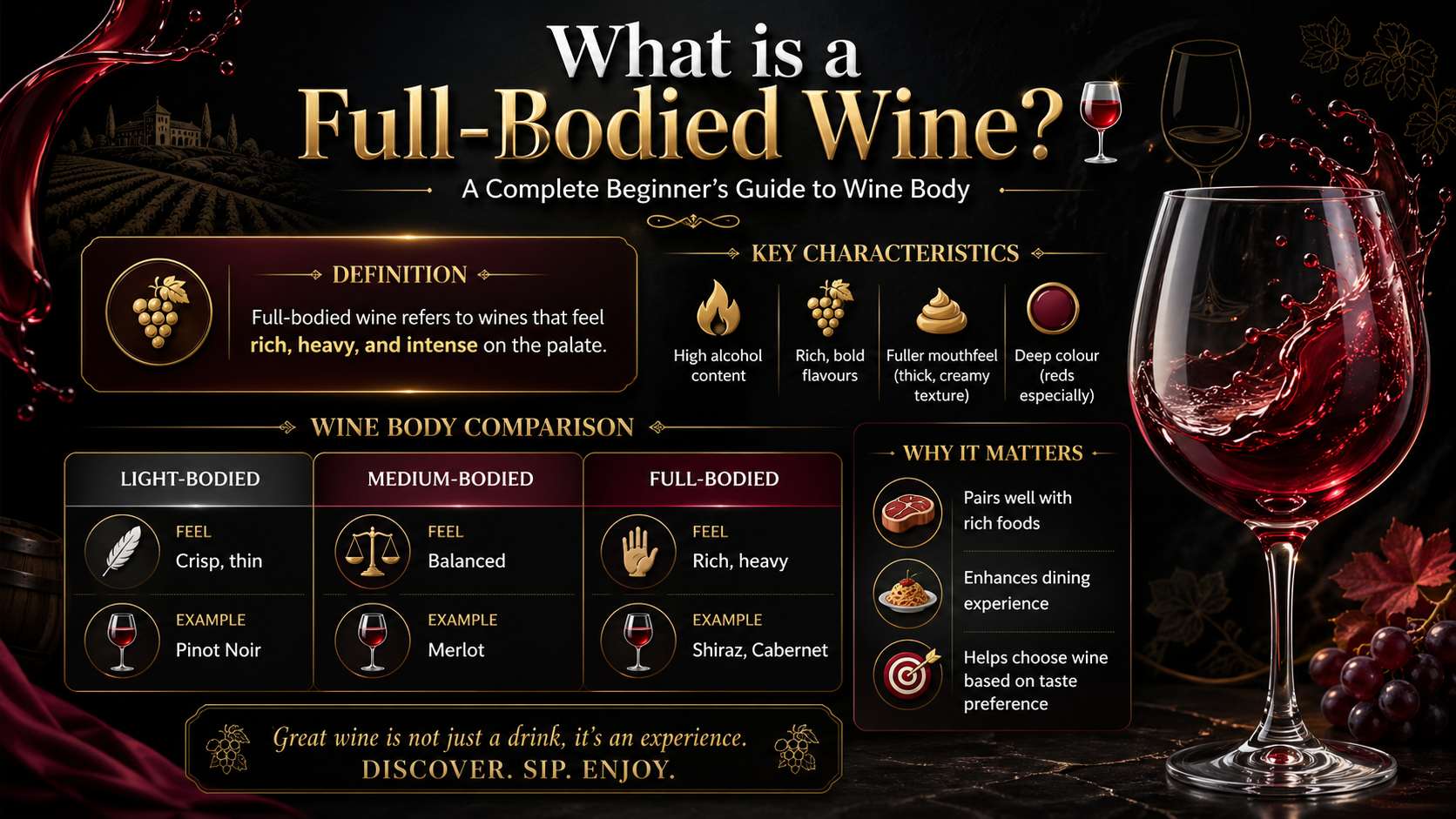
The wine's structure is equally important to its flavor profile. Cabernet Sauvignon is known for its firm tannins—the compounds that create a drying sensation in your mouth. These tannins are what make the wine age-worthy and also what make it such an excellent partner for rich, fatty foods. The tannins bind with proteins and fats in food, creating a harmonious balance that enhances both the wine and the dish.
Regional Variations
The expression of Cabernet Sauvignon varies significantly depending on where it's produced. California Cabernets, particularly those from Napa Valley, tend to be fruit-forward with ripe, jammy characteristics and higher alcohol content. Bordeaux wines from France, where Cabernet Sauvignon is often blended with other varieties, typically display more restraint, with pronounced earthy and herbal notes. Australian Cabernets often showcase bold, concentrated fruit flavors with hints of mint and eucalyptus. Understanding these regional differences can help you make more informed pairing decisions.
Classic Meat Pairings
The most traditional and reliable pairings for Cabernet Sauvignon involve beef and other red meats. The wine's structure and tannin content make it particularly well-suited to these proteins.
Beef: The Perfect Match
Beef is arguably the most iconic pairing with Cabernet Sauvignon, and for good reason. The fat content in beef, particularly in cuts like ribeye, New York strip, and prime rib, interacts beautifully with the wine's tannins. When you consume tannins alongside fatty foods, the tannins bind with the fat molecules, softening their astringent quality and making the wine taste smoother and more integrated.
A perfectly cooked steak, seasoned simply with salt and pepper, allows the wine's complex flavors to shine. The umami-rich qualities of beef complement the wine's darker fruit notes and savory undertones. For special occasions, consider pairing an aged Cabernet Sauvignon with a dry-aged ribeye or a luxurious filet mignon topped with a red wine reduction. The wine's aging potential means that older vintages, which have developed more nuanced and integrated flavors, pair exceptionally well with premium beef preparations.
Beef stews and braises are equally excellent pairings. When beef is slow-cooked in a sauce that often includes red wine, herbs, and aromatics, the resulting dish has flavors that echo and complement those found in Cabernet Sauvignon. The tender, fall-apart texture of braised beef and the rich, concentrated sauce create a luxurious mouthfeel that harmonizes with the wine's full body and structure.
Lamb and Game Meats
Lamb is another excellent choice for Cabernet Sauvignon pairing. The meat's distinctive flavor profile, which some describe as slightly gamey, pairs beautifully with the wine's herbal and earthy notes. A lamb chop or lamb steak, grilled or roasted with rosemary and garlic, creates a sophisticated pairing that highlights both the wine and the meat.
Game meats such as venison, duck, and wild boar also pair wonderfully with Cabernet Sauvignon. These meats have more pronounced flavors than domesticated poultry or pork, and they stand up well to the wine's bold character. A venison steak with a cherry gastrique or a duck breast with a red wine sauce would be ideal accompaniments to a quality Cabernet Sauvignon.
Pork Preparations
While pork is generally considered a lighter meat, certain preparations pair excellently with Cabernet Sauvignon. Pork shoulder, when slow-roasted until tender and served with a rich sauce, can be a wonderful pairing. The key is ensuring that the pork dish has sufficient richness and depth of flavor to match the wine's intensity. Pork ribs, particularly when prepared with a savory rub and slow-smoked, also work well with Cabernet Sauvignon, especially wines from warmer climates that have more fruit-forward characteristics.
Savory Dishes Beyond Meat
While meat is the most obvious pairing for Cabernet Sauvignon, numerous other savory dishes can create compelling combinations with this wine.
Mushroom-Based Dishes
Mushrooms, particularly earthy varieties like porcini, cremini, and shiitake, contain umami compounds that resonate beautifully with Cabernet Sauvignon's savory notes. A creamy mushroom risotto, a hearty mushroom and barley soup, or a simple sautéed mushroom medley can all pair wonderfully with the wine. The earthiness of mushrooms echoes the wine's mineral and herbal characteristics, creating a harmonious pairing that doesn't require meat.
Mushroom-based vegetarian dishes have become increasingly sophisticated, and many can stand up to the intensity of Cabernet Sauvignon. A mushroom Wellington, with its layers of sautéed mushrooms, duxelles, and pastry, provides enough richness and complexity to pair well with a full-bodied red wine.
Tomato-Based Sauces
Tomato-based sauces, particularly those with depth and complexity, can pair nicely with Cabernet Sauvignon. The acidity in tomatoes complements the wine's acidity, while the umami flavors in concentrated tomato sauces echo the wine's savory notes. A rich Bolognese sauce served over pasta, a hearty tomato-based soup, or a classic Italian ragu all work well with Cabernet Sauvignon.
However, it's important to note that very acidic or fresh tomato preparations might not be ideal pairings. The wine's tannins can interact poorly with high acidity, potentially creating a harsh or metallic taste. Cooked tomato sauces, where the acidity has mellowed and the flavors have concentrated, are generally better choices than fresh tomato preparations.
Cheese and Charcuterie
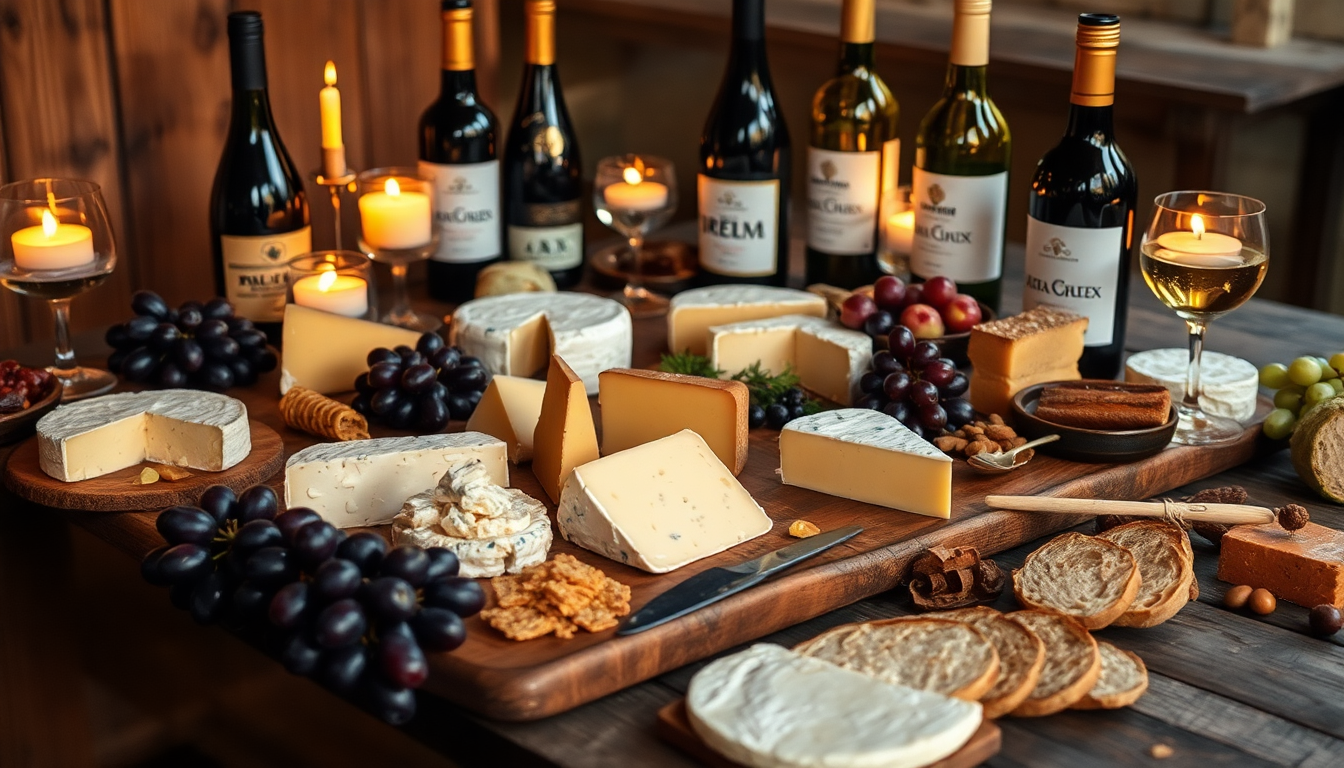
Aged cheeses, particularly hard varieties like Parmesan, Gruyère, and aged cheddar, pair beautifully with Cabernet Sauvignon. The saltiness and umami qualities of these cheeses complement the wine's savory notes, while their firm texture provides a pleasant contrast to the wine's full body.
Cured meats and charcuterie also make excellent pairings. Prosciutto, salami, and other cured meats have concentrated flavors and fat content that work well with Cabernet Sauvignon. A charcuterie board featuring aged cheeses, cured meats, nuts, and dried fruits can be an excellent accompaniment to a glass of Cabernet Sauvignon, whether you're enjoying it casually or as part of a more formal tasting.
Vegetable Pairings
While Cabernet Sauvignon is primarily known for pairing with meat and rich dishes, certain vegetables can create interesting and satisfying combinations.
Root Vegetables
Root vegetables like beets, carrots, and parsnips, particularly when roasted until caramelized, develop sweet and earthy flavors that complement Cabernet Sauvignon. The natural sugars in these vegetables, when concentrated through roasting, create a pleasant sweetness that balances the wine's tannins. A vegetable gratin featuring root vegetables and a creamy sauce can be a satisfying pairing, especially with wines that have fruit-forward characteristics.
Cruciferous Vegetables
Broccoli, cauliflower, and Brussels sprouts, when prepared with richness—such as roasted with olive oil and garlic, or prepared in a creamy sauce—can pair with Cabernet Sauvignon. The key is ensuring that these vegetables have enough flavor intensity and richness to stand up to the wine's bold character. Charred Brussels sprouts with bacon or a cauliflower steak with a savory sauce would be more suitable pairings than simple steamed vegetables.
Grilled Vegetables
Grilled vegetables, particularly those with a charred exterior, develop complex flavors that can pair well with Cabernet Sauvignon. Grilled eggplant, zucchini, and bell peppers, especially when served with a rich sauce or alongside other substantial dishes, create interesting flavor combinations. The char on the vegetables adds a smoky quality that echoes certain Cabernet Sauvignons, particularly those from cooler climates or older vintages.
Spiced and Seasoned Dishes
The way food is seasoned significantly impacts how well it pairs with Cabernet Sauvignon. Certain spices and seasonings create particularly harmonious combinations.
Herbs and Aromatics
Dishes featuring herbs like rosemary, thyme, oregano, and sage pair beautifully with Cabernet Sauvignon. These herbs often appear in the wine's flavor profile, creating a natural affinity. A herb-crusted lamb chop, a rosemary-infused beef stew, or a thyme-roasted chicken breast all create excellent pairings. The herbal notes in the wine and the food create a cohesive flavor experience.
Garlic and onions, when caramelized or deeply cooked, develop sweet and savory qualities that complement the wine. A French onion soup, with its deep, caramelized onions and rich beef broth, pairs wonderfully with Cabernet Sauvignon.
Peppery and Spicy Preparations
Black pepper, when used generously in a dish's preparation, can create an interesting pairing with Cabernet Sauvignon. The peppery spice echoes certain characteristics in the wine, particularly in Cabernets from cooler regions. A peppercorn-crusted steak or a dish with a black pepper sauce would be excellent choices.
However, very spicy dishes with hot chili peppers are generally not ideal pairings with Cabernet Sauvignon. The heat from chili peppers can amplify the wine's tannins, creating a harsh, drying sensation in the mouth. If you're pairing wine with spicy food, lighter red wines or white wines might be better choices.
Umami-Rich Preparations
Dishes with pronounced umami flavors—such as those featuring soy sauce, miso, Worcestershire sauce, or aged cheeses—can create compelling pairings with Cabernet Sauvignon. The umami compounds in these ingredients resonate with the wine's savory notes. A beef dish with a soy-based sauce, a miso-marinated fish, or a Worcestershire-seasoned burger all create interesting flavor combinations with Cabernet Sauvignon.
Sauce and Preparation Considerations
The sauce or preparation method used for a dish can significantly impact how well it pairs with Cabernet Sauvignon.
Red Wine Reductions
Sauces made with red wine reductions are perhaps the most natural pairing with Cabernet Sauvignon. When a dish is prepared with a red wine sauce, the wine in the sauce and the wine in your glass share similar flavor compounds, creating a harmonious pairing. A beef tenderloin with a red wine reduction, a duck breast with a cherry-red wine sauce, or a lamb chop with a red wine and herb sauce all exemplify this principle.
Cream-Based Sauces
Rich, cream-based sauces pair well with Cabernet Sauvignon, particularly wines with good acidity that can cut through the richness. A beef stroganoff with a sour cream sauce, a creamy mushroom sauce over steak, or a Béarnaise sauce accompanying a grilled steak all create luxurious pairings. The fat in cream sauces interacts beautifully with the wine's tannins, softening them and creating a smooth, integrated mouthfeel.
Oil-Based and Herb Sauces
Lighter preparations with oil-based or herb sauces can also pair well with Cabernet Sauvignon, particularly if the dish has sufficient richness or umami. A steak with a chimichurri sauce, a lamb chop with an herb oil, or a grilled fish with a basil and garlic oil can all work, though these pairings are generally more successful with lighter-bodied Cabernets or younger wines.
Cuisine-Specific Pairings
Different culinary traditions offer unique opportunities for pairing with Cabernet Sauvignon.
French Cuisine
French cuisine and Cabernet Sauvignon are natural partners, given that Cabernet Sauvignon is a cornerstone of French winemaking. Classic French dishes like beef Bourguignon, coq au vin, and cassoulet all pair beautifully with Cabernet Sauvignon. These dishes often feature the wine itself in their preparation, creating a seamless pairing. French bistro fare, such as steak frites with béarnaise sauce or a classic French onion soup, also pairs excellently with Cabernet Sauvignon.
Italian Cuisine
While Italian cuisine is often paired with Italian wines, Cabernet Sauvignon can work well with many Italian dishes. Hearty pasta dishes with meat sauces, risotto with mushrooms or beef, and Italian meat preparations all pair nicely. The key is choosing dishes with sufficient richness and depth of flavor. A simple pasta with tomato sauce might not be ideal, but a rich Bolognese or a creamy carbonara would work well.
Spanish Cuisine
Spanish cuisine offers excellent pairing opportunities with Cabernet Sauvignon. Dishes featuring beef, lamb, or game meats, particularly those prepared with Spanish spices and aromatics, pair well with the wine. A Spanish beef stew, a lamb dish with paprika and garlic, or a grilled steak with Spanish herbs all create harmonious pairings.
American Cuisine
American cuisine, particularly steakhouse fare, is perhaps the most obvious pairing for Cabernet Sauvignon. A classic American steak dinner—featuring a perfectly cooked steak, baked potato, and grilled vegetables—is an iconic pairing. American barbecue, particularly beef brisket or ribs, can also pair well with Cabernet Sauvignon, especially wines with fruit-forward characteristics that can balance the smoky, savory flavors of barbecued meat.
Regional Pairing Considerations
Different Cabernet Sauvignon-producing regions create wines with distinct characteristics that influence pairing possibilities.
Napa Valley Cabernets
Napa Valley Cabernet Sauvignons are typically fruit-forward, with ripe berry flavors, higher alcohol content, and softer tannins than their Bordeaux counterparts. These wines pair beautifully with rich, flavorful dishes that can stand up to their boldness. A perfectly cooked ribeye, a luxurious beef Wellington, or a rich beef stew all showcase Napa Cabernets wonderfully. The wines' fruit-forward nature also makes them slightly more versatile than some other Cabernets, allowing them to pair with a broader range of dishes.
Bordeaux Wines
Bordeaux Cabernet Sauvignons, often blended with Merlot and other varieties, tend to be more restrained and elegant than their New World counterparts. These wines often feature more pronounced earthy and herbal notes, along with firmer tannins. They pair beautifully with classic French preparations and with dishes that emphasize quality ingredients and refined preparation. A perfectly aged Bordeaux pairs wonderfully with a simple grilled steak or a classic French beef preparation.
Australian Cabernets
Australian Cabernet Sauvignons are known for their bold, concentrated fruit flavors and often feature distinctive mint and eucalyptus notes. These wines pair well with robust, flavorful dishes that can match their intensity. Grilled meats with bold seasonings, barbecued dishes, and hearty stews all work well with Australian Cabernets. The wines' fruit-forward nature makes them slightly more approachable with a wider range of foods than some other regional styles.
Washington State Cabernets
Washington State produces excellent Cabernet Sauvignons that often fall somewhere between the fruit-forward

Leave a comment
This site is protected by hCaptcha and the hCaptcha Privacy Policy and Terms of Service apply.