

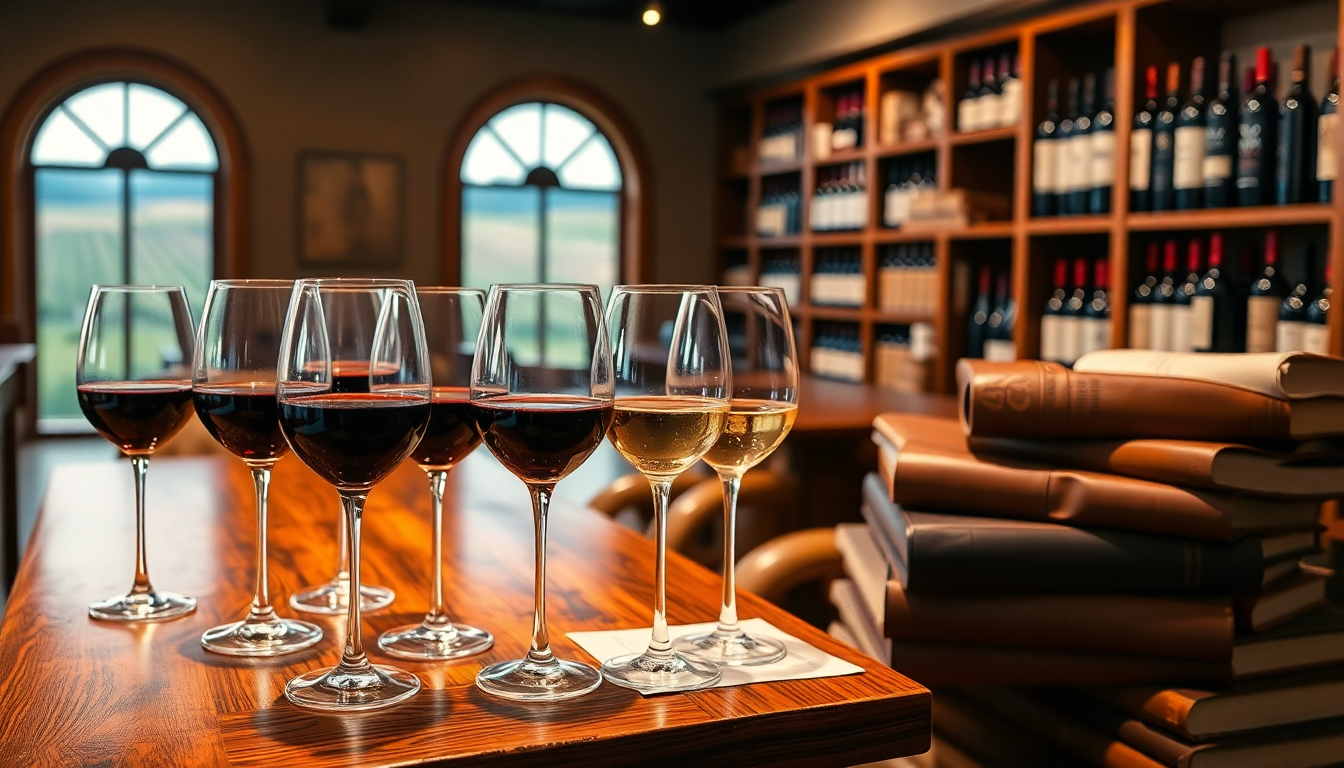
When you walk into a wine shop or browse an online wine retailer, you've likely encountered the term "Reserve" on various wine labels. At Curtis Family Vineyards, we understand that many wine enthusiasts and casual drinkers alike wonder what this designation actually means. Is it simply a marketing term? Does it indicate superior quality? Is there a legal definition behind it? The answer is more nuanced than you might expect, and understanding what "Reserve" truly means can significantly enhance your wine appreciation and purchasing decisions.
The world of wine is filled with terminology that can seem confusing and sometimes even contradictory. Unlike some wine classifications that are strictly regulated by law, the term "Reserve" exists in a gray area that varies dramatically depending on where the wine is produced. This ambiguity has led to considerable debate within the wine industry, and it's one of the reasons why educating yourself about wine labels is so important. In this comprehensive guide, we'll explore the history of Reserve wines, examine how different countries define this term, discuss what it typically indicates about quality, and provide you with practical advice for navigating Reserve wines when making your next purchase.
The Historical Origins of Reserve Wine
To understand what Reserve wine means today, we need to look back at its historical roots. The concept of Reserve wines originated in Europe, particularly in Spain and Portugal, where winemakers began setting aside their best barrels of wine for aging and special occasions. These wines were literally "reserved" for important events, family celebrations, or for the winemaker's personal collection. The practice reflected a belief that certain wines had the potential to improve significantly with age and deserved special treatment and extended aging periods.
In Spain, the term "Reserva" became formalized relatively early, with specific regulations governing how long wines needed to age before they could carry this designation. Spanish winemakers recognized that their finest wines could develop greater complexity, elegance, and depth when given adequate time in oak barrels and bottle aging. This practice became so established that it eventually became law, with the Spanish government implementing strict requirements for what could be labeled as Reserva.
Portugal followed a similar path, developing its own Reserve wine classifications, particularly for Port wines and table wines. Portuguese winemakers understood that their best wines deserved recognition and that consumers would pay premium prices for wines that had undergone extended aging. The Reserve designation became a mark of quality and a promise that the wine had received special attention and aging treatment.
As European winemaking traditions spread to the New World, particularly to the United States, Argentina, and Australia, the concept of Reserve wines traveled with them. However, without the same legal frameworks that existed in Europe, American and other New World winemakers had considerably more freedom in how they used the term. This freedom would eventually lead to the confusion and inconsistency that characterizes the Reserve designation today.
Understanding Reserve Wine Regulations by Country
One of the most important things to understand about Reserve wines is that regulations vary significantly by country. What qualifies as a Reserve wine in Spain is entirely different from what qualifies as a Reserve wine in the United States. This variation is crucial to understand when you're evaluating whether a Reserve wine is worth the typically higher price tag.
Spain's Reserva Classification
Spain has one of the most strictly regulated Reserve wine systems in the world. Spanish wines are classified into several categories based on aging requirements, and Reserva is one of the most prestigious. For a red wine to be labeled as Reserva in Spain, it must meet specific requirements set by the Denominación de Origen (DO) system. Generally, Spanish Reserva red wines must age for a minimum of three years, with at least one year of that aging occurring in oak barrels. The remaining time can be spent in the bottle.
For white and rosé wines, the requirements are less stringent. Spanish white Reserva wines typically need to age for at least two years, with a minimum of six months in oak. These regulations ensure that Spanish Reserva wines have indeed received extended aging and oak treatment, making the designation more meaningful than in countries without such requirements.
Spain also has a higher classification called Gran Reserva, which requires even more aging. Gran Reserva red wines must age for a minimum of five years, with at least two years in oak barrels. This creates a clear hierarchy where consumers can understand that a Gran Reserva wine has received significantly more aging than a standard Reserva wine.
Portugal's Reserve Classifications
Portugal, like Spain, has established legal requirements for Reserve wines. Portuguese Reserva wines must meet specific aging requirements that vary depending on the wine region and type. For many Portuguese red wines, Reserva designation requires aging for at least two years, with a portion of that time in oak. Portugal also recognizes a higher classification, Reserva Particular, which indicates even more careful selection and aging.
Port wines, one of Portugal's most famous exports, have their own Reserve classifications. Tawny Port Reserve, for example, indicates a wine that has aged for at least seven years in wooden casks, developing its characteristic tawny color and complex flavor profile. These regulations help ensure that Portuguese Reserve wines represent genuine quality and extended aging.
France's Approach to Reserve Wines
Interestingly, France does not have an official legal definition for the term "Reserve" or its French equivalent "Réserve." This might seem surprising given France's prominence in the wine world, but it reflects the French approach to wine classification, which relies more heavily on appellation systems and producer reputation than on specific aging designations. French winemakers may use the term "Réserve" on their labels, but it carries no legal weight or specific meaning.
In France, quality is more commonly indicated through the appellation system, where wines from specific regions with strict regulations are considered superior. A wine from a prestigious appellation like Bordeaux or Burgundy carries more weight in terms of quality indication than a Reserve designation would. This is why you'll see French wines labeled with their appellation prominently displayed rather than with Reserve designations.
Italy's Reserve System
Italy has established regulations for Reserve wines, though they vary by region and wine type. The term "Riserva" in Italy indicates that a wine has undergone extended aging beyond the minimum requirements for its classification. For many Italian wines, Riserva designation requires additional aging in oak and bottle. For example, Barolo Riserva must age for a minimum of five years, with at least two years in oak barrels.
Italian winemakers use the Riserva designation to indicate wines that have been given special treatment and aging, similar to the Spanish system. This helps consumers understand that they're purchasing a wine that has received more attention and time to develop complexity and depth.
Germany's Reserve Concept
Germany does not have an official legal definition for Reserve wines, similar to France. However, German winemakers may use terms like "Reserva" or "Reserve" on their labels to indicate wines that have been specially selected or aged. Without legal requirements, these designations are largely at the discretion of the producer and may not have consistent meaning across different wineries.
United States and New World Regulations
The United States has no legal definition for the term "Reserve" at the federal level. This is perhaps the most important thing to understand about American Reserve wines. The Alcohol and Tobacco Tax and Trade Bureau (TTB), which regulates wine labeling in the United States, does not require any specific aging, oak treatment, or quality standards for wines labeled as Reserve. This means that theoretically, any winemaker could label any wine as Reserve without meeting any particular criteria.
However, some American wine regions have established their own guidelines. For example, the Napa Valley Vintners Association has established voluntary guidelines suggesting that Reserve wines should represent the winery's finest wines and should have been aged appropriately. But these are voluntary guidelines, not legal requirements, and many wineries choose not to follow them.
This lack of regulation has led to significant variation in what Reserve means among American winemakers. Some use the designation responsibly, reserving it for wines that have been specially selected and aged. Others use it more liberally as a marketing tool to justify higher prices. This is why it's particularly important for consumers to research individual producers and understand their philosophy regarding Reserve designations.
Australia, New Zealand, Argentina, and other New World wine-producing countries similarly lack strict legal definitions for Reserve wines. This gives producers considerable freedom in how they use the term, which can be both a blessing and a curse for consumers trying to make informed purchasing decisions.
What Reserve Wine Typically Indicates
Despite the lack of universal legal definitions, the term "Reserve" generally indicates certain characteristics and qualities that consumers should understand. While these are not guaranteed in every case, particularly in countries without legal requirements, they represent what the term traditionally means and what most quality-conscious producers intend when they use it.
Extended Aging
The most consistent characteristic of Reserve wines is extended aging. Whether required by law or simply by tradition, Reserve wines typically spend more time aging than standard wines from the same producer. This aging might occur in oak barrels, in the bottle, or in a combination of both. The extended aging allows the wine to develop greater complexity, soften its tannins, and integrate its flavors more fully.
For red wines, this extended aging is particularly important. Young red wines often have harsh tannins and aggressive flavors that can be unpleasant. Extended aging allows these tannins to polymerize and soften, creating a smoother, more elegant wine. The wine also develops secondary flavors that add complexity and interest. A Reserve wine typically represents the winemaker's belief that the wine has the structure and quality to benefit from this extended aging.
Superior Quality Selection
Reserve wines typically represent a winemaker's finest wines. The grapes used to produce Reserve wines are often carefully selected from the best vineyard blocks or the best vintage years. The winemaking process for Reserve wines may involve more careful attention to detail, more selective harvesting, and more rigorous quality control.
This selection process means that Reserve wines are often produced in smaller quantities than standard wines. A winery might produce thousands of cases of their standard wine but only hundreds of cases of their Reserve wine. This scarcity, combined with the superior quality, contributes to the higher price of Reserve wines.
Oak Aging
Many Reserve wines, particularly red wines, spend significant time aging in oak barrels. Oak aging imparts flavors and aromas to the wine while also allowing for slow oxidation that helps develop complexity. The type of oak used, whether it's new oak or neutral oak, and the length of time in oak all influence the final character of the wine.
Reserve wines often spend time in new oak, which imparts more pronounced oak flavors and aromas. This oak treatment contributes to the wine's complexity and can add notes of vanilla, spice, and toast. However, quality winemakers are careful not to let oak flavors overwhelm the wine's natural fruit character.
Aging Potential
Reserve wines are typically produced with the intention that they will age well in the bottle. These wines have the structure, acidity, and tannin levels necessary to develop and improve over years or even decades. A Reserve wine purchased today might be even better in five, ten, or twenty years, depending on the wine and storage conditions.
This aging potential is one of the reasons Reserve wines command higher prices. Consumers are not just paying for the wine as it is today but for its potential to improve and develop over time. For serious wine collectors, this aging potential is a crucial consideration when deciding whether a Reserve wine is worth the investment.
The Marketing Aspect of Reserve Wines
It's important to acknowledge that the term "Reserve" is also used as a marketing tool, particularly in countries without strict legal definitions. Some producers use the Reserve designation primarily to justify higher prices rather than because the wine has undergone any special treatment or selection process. This is one of the reasons why understanding individual producers and their philosophies is so important.
In the United States, where there are no legal requirements for the Reserve designation, some large producers use the term liberally across their product lines. You might see a producer offering a standard wine, a Reserve wine, and a Premium Reserve wine, each at progressively higher price points. While there might be quality differences between these wines, the differences might not justify the price increases, and the Reserve designation might be more about marketing than about genuine quality differences.
Conversely, many quality-focused producers use the Reserve designation sparingly and only for wines that truly represent their finest work. These producers understand that overusing the designation would dilute its meaning and damage their reputation. For these producers, the Reserve designation carries real weight and indicates genuine quality and special treatment.
This is why it's crucial to research individual producers and understand their approach to Reserve wines. Reading reviews, visiting wineries, and tasting wines from different producers will help you develop an understanding of which producers use the Reserve designation responsibly and which use it primarily as a marketing tool.
How to Evaluate Reserve Wines
When you're considering purchasing a Reserve wine, there are several factors you should evaluate to determine whether it's worth the premium price.
Research the Producer
Start by researching the winery or producer. What is their reputation? Do they have a history of producing quality wines? How do they define Reserve wines? Many quality producers provide information about their Reserve wines on their websites, explaining their selection process and aging requirements. Reading this information can give you insight into whether the producer takes the Reserve designation seriously.
Check the Vintage
The vintage year is crucial when evaluating Reserve wines. Some years produce better grapes than others, and a Reserve wine from a great vintage will typically be superior to a Reserve wine from a poor vintage. Research the vintage year for the wine you're considering. Wine publications and websites often provide vintage ratings that can help you understand how good a particular year was.
Read Reviews and Ratings
Professional wine critics and publications like Wine Spectator, Wine Advocate, and Decanter provide detailed reviews and ratings of wines. These reviews can give you insight into the quality of a specific wine and whether it's worth the price. However, remember that ratings are subjective, and you might not always agree with a critic's assessment. Use ratings as one data point among many, not as the sole basis for your decision.
Consider the Price
While Reserve wines typically cost more than standard wines, you should evaluate whether the price increase is justified. A Reserve wine that costs 50% more than the standard wine might be worth it if the quality difference is significant. However, a Reserve wine that costs three times as much as the standard wine might not be worth the premium unless it's from a particularly prestigious producer or vintage.
Taste the Wine
If possible, taste the wine before purchasing a full bottle. Many wine shops offer tastings, and some wineries allow visitors to taste their wines. Tasting the wine will give you a sense of its quality and whether you enjoy it. This is the most direct way to evaluate whether a wine is worth the price you're being asked to pay.
Consider Your Intended Use
Think about how you plan to use the wine. Are you planning to drink it immediately or age it? If you're planning to drink it soon, you might be better off with a standard wine that's ready to drink now rather than a Reserve wine that might benefit from additional aging. Conversely, if you're a collector interested in aging wines, a Reserve wine with good aging potential might be an excellent investment.
Reserve Wines from Different Regions
To better understand what Reserve wines mean in practice, let's examine how different wine regions approach the designation.
Napa Valley Reserve Wines
Napa Valley is one of the most prestigious wine regions in the United States, and many Napa Valley producers take the Reserve designation seriously. While there are no legal requirements, many Napa Valley producers follow the voluntary guidelines established by the Napa Valley Vintners Association. These guidelines suggest that Reserve wines should represent the winery's finest wines and should have been aged appropriately.
Many Napa Valley producers use the Reserve designation for wines made from their best vineyard blocks, aged in new oak, and produced in limited quantities. These wines often command premium prices, sometimes two to three times the price of the winery's standard wines. For established, quality-focused producers, these premium prices are often justified by the superior quality of the wines.
Bordeaux Reserve Wines
Bordeaux, in France, does not have an official Reserve classification system. Instead, quality is indicated through the appellation system and the reputation of individual châteaux. However, many Bordeaux producers do produce special cuvées or limited editions that are similar in concept to Reserve wines. These wines are often made from the best grapes and aged longer than standard wines.
The most prestigious Bordeaux wines, such as those from the Left Bank châteaux like Château Lafite Rothschild or Château Latour, are already considered among the finest wines in the world. These producers don't need a Reserve designation to indicate quality; their reputation and appellation speak for themselves.
Rioja Reserva Wines
Rioja, in Spain, has a well-established and legally defined Reserve system. Rioja Reserva wines must age for a minimum of three years, with at least one year in oak. This legal requirement ensures that Rioja Reserva wines have indeed received extended aging and oak treatment.
Rioja Reserva wines are known for their balance of fruit, oak, and earthy flavors. The aging in oak imparts vanilla and spice notes, while the extended aging allows the wine to develop complexity and elegance. For consumers looking for Reserve wines with a clear legal definition and consistent quality standards, Rioja Reserva wines are an excellent choice.
Barolo Riserva Wines
Barolo, in Italy, produces some of the world's finest red wines. Barolo Riserva wines must age for a minimum of five years, with at least two years in oak. This extended aging requirement ensures that Barolo Riserva wines are fully developed and ready to drink, though they can continue to age for many more years.
Barolo Riserva wines are known for their power, complexity, and aging potential. These wines often have high tannin levels and high acidity, which allow them to age gracefully for decades.

Leave a comment
This site is protected by hCaptcha and the hCaptcha Privacy Policy and Terms of Service apply.