

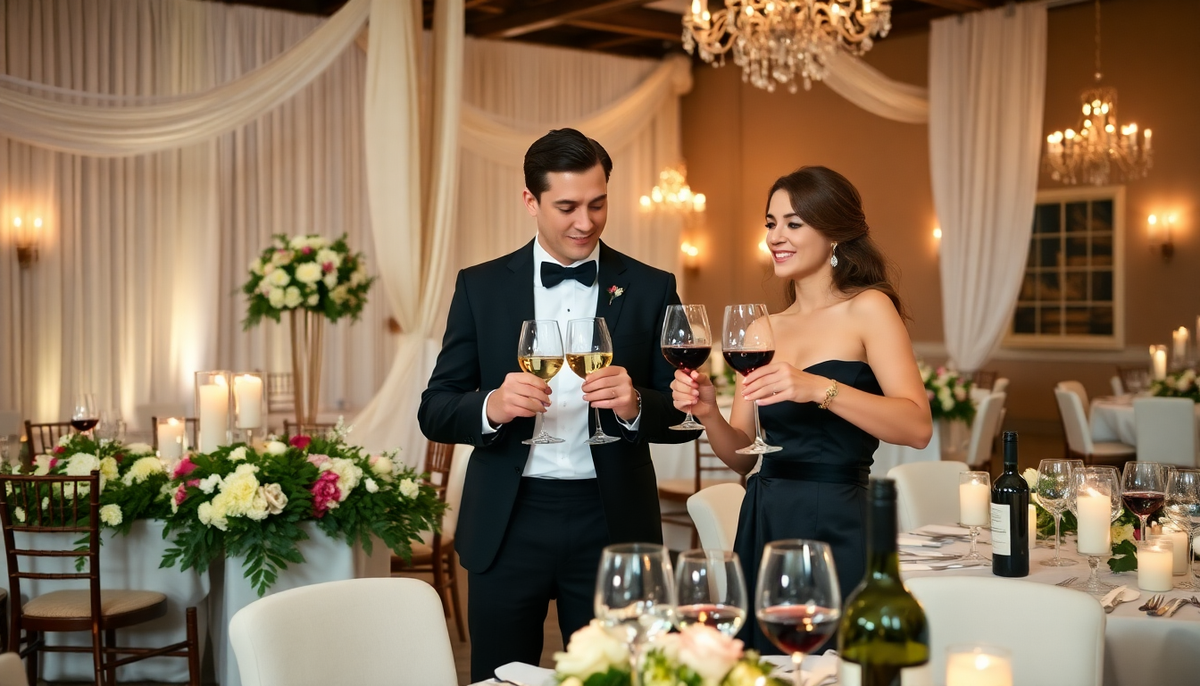
Your wedding day is one of the most important celebrations of your life, and every detail matters—including the wine selection. Whether you're planning an intimate gathering or a grand celebration, choosing the right wines can elevate your reception and create memorable moments for your guests. At Curtis Family Vineyards, we understand that selecting wedding wines is more than just picking bottles; it's about creating an experience that complements your menu, reflects your personal taste, and sets the perfect tone for your celebration.
This comprehensive guide will walk you through everything you need to know about selecting wines for your wedding, from understanding different wine styles to pairing them with your menu, budgeting wisely, and ensuring your guests have an unforgettable experience.
Understanding Wine Basics for Your Wedding
Before diving into specific selections, it's important to understand the fundamental categories of wine and how they work in a wedding setting. Wine is typically classified by color—red, white, rosé, and sparkling—and each category offers distinct characteristics that can enhance different aspects of your celebration.
Red Wines
Red wines are produced from dark-colored grape varieties and derive their color from the grape skins during fermentation. They range from light and fruity to full-bodied and complex, offering versatility for various courses and food pairings.
Light red wines like Pinot Noir and Beaujolais offer delicate flavors with lower tannin levels, making them approachable and food-friendly. These wines work wonderfully for cocktail hours, lighter appetizers, and can even complement fish dishes. Medium-bodied reds such as Merlot and Sangiovese provide a balanced approach with moderate tannins and fruit-forward characteristics. Full-bodied reds like Cabernet Sauvignon and Syrah deliver bold flavors, higher tannin content, and excellent aging potential, making them ideal for hearty main courses and formal dinners.
When selecting red wines for your wedding, consider the season, your menu, and your guests' preferences. Summer weddings might benefit from lighter reds served slightly chilled, while winter celebrations call for fuller-bodied wines served at traditional cellar temperature.
White Wines
White wines are made from green or yellow grape varieties, or sometimes from red grapes where the skins are removed before fermentation. They range from bone-dry to sweet, offering numerous options for different courses and preferences.
Crisp, dry white wines like Sauvignon Blanc and Pinot Grigio are refreshing and versatile, perfect for aperitifs, seafood courses, and lighter appetizers. Medium-bodied whites such as Chardonnay and Viognier offer more complexity and can pair beautifully with creamy sauces, poultry, and richer appetizers. Sweet or off-dry whites like Riesling and Gewürztraminer provide excellent options for guests who prefer sweeter beverages and can pair wonderfully with spicy foods or dessert courses.
White wines are typically served chilled, making them refreshing choices for warm-weather weddings. They're also excellent for cocktail hours and can be enjoyed throughout the entire reception.
Rosé Wines
Rosé has become increasingly popular for weddings, and for good reason. These wines offer the refreshing qualities of white wine with the fruit-forward characteristics of red wine. Made from red grape varieties with limited skin contact, rosé wines range from pale pink to deeper salmon colors.
Rosé wines are incredibly versatile, pairing well with a wide range of foods from appetizers to main courses. They're particularly popular for daytime weddings, outdoor celebrations, and spring or summer events. The beautiful color also adds visual appeal to your reception, and many guests appreciate the approachable nature of these wines.
Sparkling Wines
Sparkling wines, including Champagne, Prosecco, and Cava, are essential for wedding celebrations. The bubbles add festivity and elegance to toasts, and these wines work beautifully as aperitifs or throughout the meal.
Champagne, produced in the Champagne region of France, represents the pinnacle of sparkling wine quality and prestige. However, excellent sparkling wines from other regions offer outstanding quality at various price points. Prosecco from Italy tends to be fruitier and more approachable, while Spanish Cava offers excellent value without compromising quality.
Assessing Your Wedding Style and Guest Preferences
Your wine selection should reflect your personal style and the overall aesthetic of your wedding. Consider whether you're planning a formal black-tie affair, a casual garden party, a rustic barn celebration, or something entirely unique.
Formal and Elegant Weddings
For formal weddings, classic wine selections demonstrate sophistication and refinement. Consider offering a curated selection of premium wines, perhaps featuring a prestigious Champagne for toasts, a distinguished white wine like Chardonnay or Sauvignon Blanc, and a classic red like Cabernet Sauvignon or Bordeaux blend.
These selections signal elegance and allow you to showcase quality over quantity. Your guests will appreciate the thoughtfulness of carefully chosen wines that complement your menu and venue.
Casual and Relaxed Celebrations
Casual weddings benefit from approachable, food-friendly wines that encourage enjoyment without pretension. Consider offering a selection of wines that are easy to drink and pair well with diverse appetizers and main courses.
Rosé, Pinot Noir, and Sauvignon Blanc are excellent choices for casual celebrations. These wines are unpretentious, delicious, and appeal to a broad range of palates. You might also consider offering a fun, slightly off-dry wine that appeals to guests who don't typically drink wine.
Themed or Cultural Celebrations
If your wedding reflects a specific cultural heritage or theme, your wine selection can honor that tradition. Italian weddings might feature Prosecco and Italian wines, Spanish celebrations could showcase Cava and Spanish varietals, and French-themed events might emphasize Champagne and French wines.
This approach adds authenticity to your celebration and creates a cohesive experience that extends from your menu to your beverage selection.
Pairing Wine with Your Wedding Menu
One of the most important considerations in selecting wedding wines is how they'll pair with your menu. The right wine and food combinations enhance both the wine and the food, creating a harmonious dining experience.
Appetizers and Cocktail Hour
Your cocktail hour sets the tone for the evening and offers an opportunity to introduce guests to your wine selection. Sparkling wines are always appropriate for this portion of your reception, offering elegance and festivity.
Light white wines like Sauvignon Blanc or Pinot Grigio pair beautifully with cheese, seafood appetizers, and vegetable-based hors d'oeuvres. Rosé works wonderfully with a variety of appetizers, from charcuterie to grilled vegetables. If you're serving heavier appetizers like meatballs or sausages, consider offering a light red wine like Pinot Noir.
First Courses
If your reception includes a plated first course, your wine selection should complement these dishes. Seafood appetizers pair beautifully with crisp white wines or light rosé. Soup courses work well with medium-bodied whites or light reds, depending on the soup's richness and ingredients.
Consider the sauce and preparation method when selecting wines for first courses. Cream-based sauces pair well with fuller-bodied whites like Chardonnay, while tomato-based preparations work nicely with lighter reds or rosé.
Main Courses
Your main course wine selection is crucial, as this is typically where guests spend the most time with their wine. If you're serving a single main course, select a wine that complements it perfectly. If offering multiple entrée options, consider wines that work well with all choices, or offer multiple wine options.
Poultry dishes pair beautifully with medium-bodied whites like Chardonnay or Pinot Grigio, or with light reds like Pinot Noir. Fish and seafood main courses work wonderfully with crisp whites, fuller-bodied whites, or even light rosé. Beef and lamb dishes call for fuller-bodied reds like Cabernet Sauvignon, Merlot, or Syrah.
For surf-and-turf presentations or mixed protein courses, consider a versatile wine like Pinot Noir that bridges the gap between seafood and meat pairings.
Dessert and Closing
As your reception winds down, consider offering a dessert wine or continuing with sparkling wine. Sweet wines like late-harvest Riesling or fortified wines like Port pair beautifully with desserts. Alternatively, sparkling wine can be offered throughout the reception, including with dessert.
Some couples choose to skip dessert wine entirely, instead offering coffee, tea, and perhaps a digestif like brandy or liqueur.
Determining Your Wine Budget
Wine represents a significant portion of your reception budget, typically accounting for 10-15% of total costs. However, this percentage can vary based on your overall budget, guest count, and wine selections.
Budget-Friendly Approach
If you're working with a limited budget, focus on quality over quantity. Select one or two excellent wines rather than offering multiple mediocre options. Many outstanding wines are available at reasonable price points, particularly from regions like Spain, Portugal, and Argentina.
Consider offering wine during dinner service only, rather than throughout the entire reception. This approach reduces consumption while still providing a quality experience. You might also consider offering beer and cocktails as alternatives, which can be more budget-friendly than wine.
Mid-Range Budget
With a moderate budget, you can offer a selection of quality wines that provide variety without excessive expense. Consider offering a sparkling wine for toasts, a white wine, a rosé, and a red wine. This selection provides options for different preferences while maintaining quality standards.
Look for wines in the $15-30 price range per bottle, which often provide excellent quality and value. Many wine retailers and distributors offer volume discounts for wedding purchases, which can help stretch your budget further.
Premium Budget
If budget isn't a constraint, you have the opportunity to showcase exceptional wines that will impress your guests and create memorable experiences. Consider offering premium Champagne, prestigious wines from renowned producers, or rare and special selections.
You might also consider offering wine pairings with each course, where different wines are served with different dishes. This approach creates a sophisticated experience and allows guests to explore wine in depth.
Working with Wine Professionals
Whether you're purchasing wine from a retailer, working with your venue's sommelier, or consulting with a wine distributor, professional guidance can significantly enhance your wine selection process.
Sommelier Consultation
If your venue employs a sommelier or wine director, take advantage of their expertise. They understand your menu, your venue, and your guests' preferences. A good sommelier can recommend wines that complement your menu perfectly and work within your budget.
Discuss your vision, budget, and any specific preferences with your sommelier. Ask for recommendations and be open to their suggestions—they often have access to special selections and can negotiate pricing for your event.
Wine Retailer Guidance
Local wine retailers often provide excellent guidance for wedding wine selection. Many retailers have experience with wedding events and can recommend wines based on your menu, budget, and preferences.
Visit your local wine shop and discuss your wedding plans. Ask to taste potential selections and get recommendations. Many retailers will also offer volume discounts for wedding purchases and can arrange delivery to your venue.
Wine Distributor Services
Some wine distributors specialize in event planning and can provide comprehensive wine services for your wedding. They often offer tasting events, can source specific wines, and may provide service staff for wine service.
If you're interested in working with a distributor, ask for references from other weddings they've served and inquire about their pricing structure and services.
Selecting Specific Wine Recommendations
While wine preferences are personal, certain selections have proven popular and successful for wedding celebrations. Here are some recommendations across different price points and styles.
Sparkling Wines
For toasts and aperitifs, consider Champagne from prestigious producers like Veuve Clicquot, Moët & Chandon, or Bollinger. If budget is a consideration, excellent alternatives include Prosecco from Italy or Cava from Spain.
For a mid-range option, consider Champagne from smaller producers or non-vintage selections, which offer excellent quality at lower price points. Crémant from other French regions provides another excellent sparkling wine option.
White Wines
Sauvignon Blanc from the Loire Valley in France offers crisp, refreshing characteristics perfect for aperitifs and seafood courses. Pinot Grigio from Italy provides an approachable, food-friendly option that appeals to broad palates.
For a more sophisticated selection, consider Chardonnay from Burgundy or California, which offers complexity and elegance. Riesling from Germany or Alsace provides versatility, pairing well with diverse foods and appealing to guests who prefer slightly sweeter wines.
Rosé Wines
Provence rosé represents the gold standard for wedding rosé selections, offering dry, elegant characteristics with beautiful color. These wines pair beautifully with diverse appetizers and main courses.
For budget-conscious selections, rosé from Spain or Italy offers excellent quality at lower price points. Many California producers also create outstanding rosé wines that work beautifully for weddings.
Red Wines
Pinot Noir offers versatility and elegance, pairing well with diverse foods while remaining approachable for casual wine drinkers. Selections from Burgundy, Oregon, or California all offer excellent options.
Cabernet Sauvignon from Napa Valley or Bordeaux provides a classic choice for formal weddings and pairs beautifully with beef and lamb. Merlot offers a slightly softer alternative that appeals to broader palates.
For something unique, consider Syrah from the Rhône Valley or Australia, which offers bold flavors and excellent food pairing potential.
Quantity Planning and Consumption Estimates
Determining how much wine to purchase is crucial for ensuring adequate supply without excessive waste. Several factors influence consumption, including the length of your reception, the time of day, the availability of other beverages, and your guest demographics.
Calculating Wine Quantities
A general rule of thumb suggests planning for approximately one glass of wine per guest for each hour of reception. However, this can vary significantly based on your specific circumstances.
For a four-hour evening reception with 100 guests, plan for approximately 400 glasses of wine. Since a standard 750ml bottle contains approximately five glasses, you would need roughly 80 bottles total.
However, consider that not all guests will drink wine. Some prefer beer, cocktails, or non-alcoholic beverages. A more conservative estimate might account for 60-70% of guests consuming wine, reducing your needs accordingly.
Accounting for Different Wine Types
If offering multiple wine types, consider how consumption will be distributed. Typically, white wine and rosé consumption exceeds red wine consumption, particularly at daytime or outdoor events. Sparkling wine consumption depends on the length of your cocktail hour and whether it's offered throughout the reception.
A reasonable distribution for a mixed reception might be 40% white wine, 30% rosé, 20% red wine, and 10% sparkling wine. Adjust these percentages based on your menu and guest preferences.
Accounting for Toasts and Special Moments
Remember to account for additional sparkling wine for toasts and special moments throughout your reception. Plan for at least one additional glass per guest for toasts, and consider whether you'll offer sparkling wine for dessert or other special moments.
Wine Service and Presentation
How you serve and present your wine significantly impacts your guests' experience. Proper service demonstrates thoughtfulness and enhances the overall quality of your reception.
Temperature and Storage
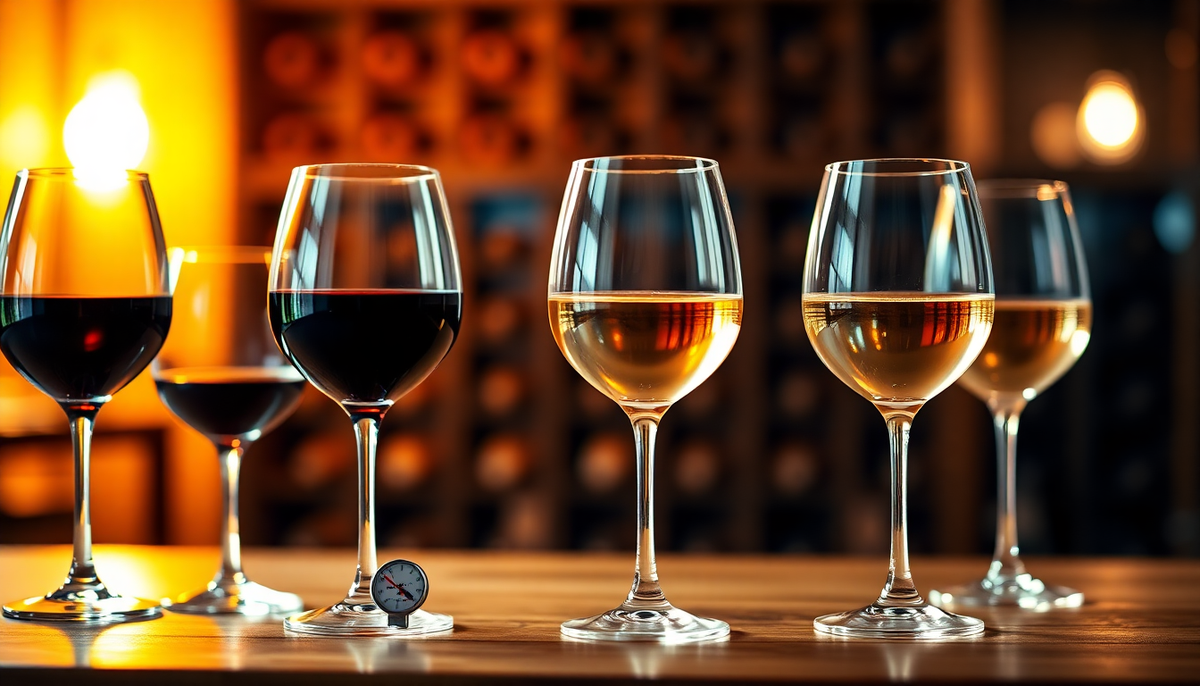
Proper wine temperature is essential for optimal enjoyment. White wines and rosé should be served chilled, typically between 45-55 degrees Fahrenheit. Red wines are best served at slightly cool room temperature, around 60-65 degrees Fahrenheit.
Ensure adequate refrigeration for white wines and rosé throughout your reception. Consider renting additional coolers or ice buckets if your venue's refrigeration is limited. Red wines can be stored at room temperature but should be kept away from direct sunlight and heat sources.
Glassware
Using appropriate glassware enhances wine enjoyment and demonstrates attention to detail. White wine glasses have smaller bowls than red wine glasses, helping maintain cooler temperatures. Red wine glasses have larger bowls, allowing wine to breathe and develop its full characteristics.
Sparkling wine is best served in flute glasses, which preserve bubbles and direct them upward for visual appeal. If budget is a consideration, all-purpose wine glasses work adequately for all wine types.
Wine Service Staff
Professional wine service enhances your guests' experience. Wine service staff should be knowledgeable about your wine selections and able to answer questions about the wines being served.
Discuss service style with your venue or caterer. Some prefer wine service where staff circulates with bottles, while others prefer guests to help themselves from a wine bar or table. Both approaches work well; choose based on your venue's capabilities and your preferences.
Wine Presentation
Consider how you'll present your wine selections to guests. A simple card at each table describing the wines being served adds a nice touch. You might include the wine name, region, and a brief description of its characteristics.
For a more elaborate presentation, consider a wine tasting during your cocktail hour, where a sommelier or knowledgeable staff member discusses your wine selections and their pairings with your menu.
Special Considerations and Unique Situations
Different wedding scenarios call for different wine approaches. Consider your specific

Leave a comment
This site is protected by hCaptcha and the hCaptcha Privacy Policy and Terms of Service apply.