

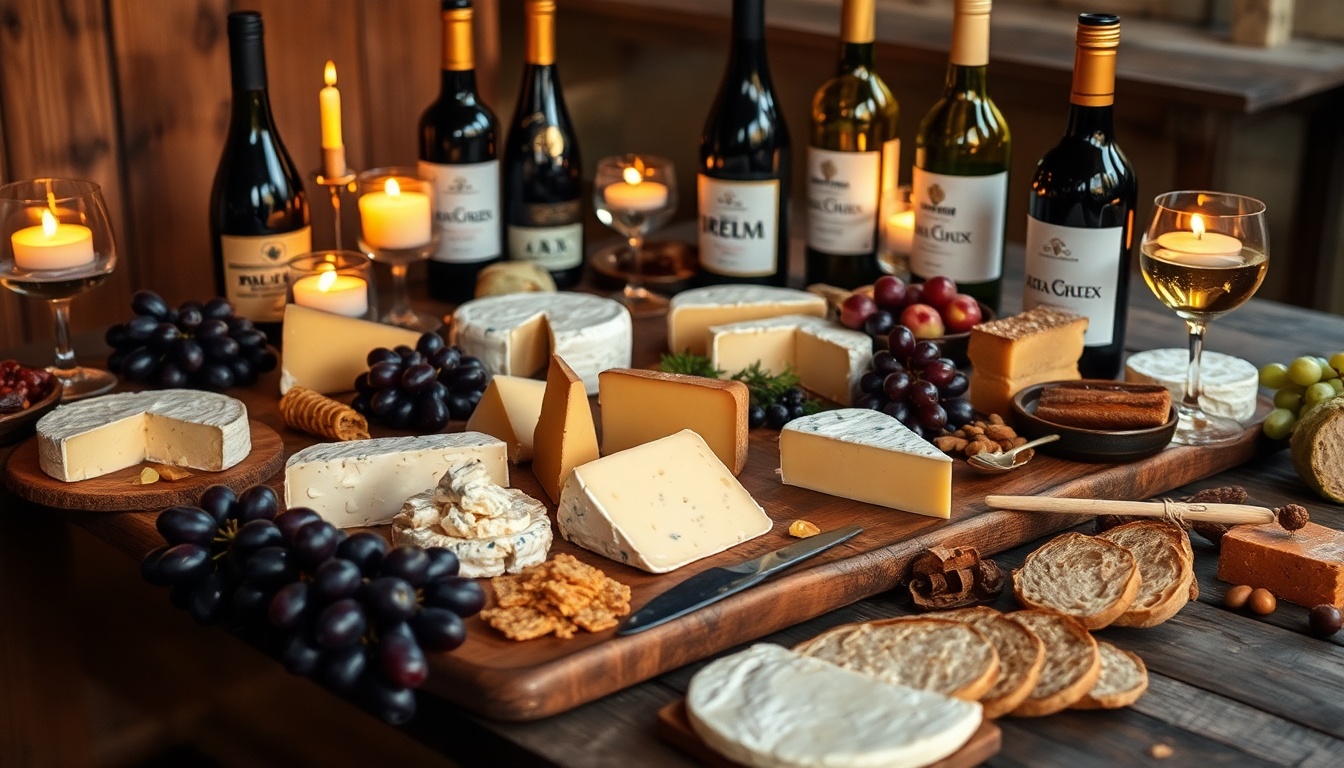
Wine and cheese pairing is one of the most elegant and enjoyable culinary experiences you can explore. Whether you're hosting a dinner party, attending a wine tasting, or simply looking to enhance your appreciation of fine wines and artisanal cheeses, understanding the fundamentals of pairing these two sophisticated foods can transform your palate and elevate your entertaining game. At Curtis Family Vineyards, we believe that everyone deserves to experience the magic that happens when the right wine meets the perfect cheese. This comprehensive guide will walk you through everything you need to know to become confident in your pairing choices.
Understanding the Basics of Wine and Cheese Pairing
Before diving into specific pairings, it's essential to understand why wine and cheese work so well together. Both wine and cheese are complex foods with multiple flavor components, and when paired thoughtfully, they can enhance each other's best qualities while minimizing any harsh or unpleasant characteristics.
The Science Behind the Pairing
Wine and cheese pairing works on several scientific principles. First, both contain proteins and fats that interact with your taste buds in complementary ways. Wine contains tannins, which are compounds that create a drying sensation in your mouth. These tannins can actually soften when paired with the fatty components found in cheese, creating a more balanced and pleasant tasting experience.
Additionally, the acidity in wine plays a crucial role in pairing. Acidic wines can cut through the richness of cheese, cleansing your palate between bites and preventing flavor fatigue. This is why crisp white wines often pair beautifully with creamy cheeses—the acidity provides balance to the richness.
The flavor compounds in both wine and cheese can also complement each other directly. For example, if a wine has fruity notes and a cheese has nutty undertones, these flavors can work together to create a more complex and interesting taste experience than either would provide alone.
Key Flavor Components to Consider
When thinking about wine and cheese pairing, you should consider several key flavor components. The intensity of the wine should generally match the intensity of the cheese. A delicate, light white wine would be overwhelmed by a pungent blue cheese, just as a bold red wine might overpower a mild, creamy brie.
The texture of both the wine and cheese matters as well. Full-bodied wines have more weight and richness, while light-bodied wines are more delicate. Similarly, some cheeses are creamy and soft, while others are hard and crumbly. Matching textures can create a harmonious experience.
Acidity, sweetness, and tannin levels in wine should also be considered. A wine with high acidity works well with rich cheeses, while a wine with some residual sweetness can complement sharp or salty cheeses. Tannins in red wines pair well with aged, hard cheeses that have similar structural qualities.
The Major Wine Categories and Their Pairing Potential
Understanding the different categories of wine is fundamental to successful pairing. Each category has distinct characteristics that make it suitable for different types of cheese.
White Wines
White wines are incredibly versatile for cheese pairing and are often the go-to choice for beginners. They typically have higher acidity and lighter body than red wines, making them excellent for cutting through rich, creamy cheeses.
Crisp white wines like Sauvignon Blanc, Pinot Grigio, and Albariño are excellent choices for fresh, young cheeses. Their bright acidity and citrus notes complement the delicate flavors of cheeses like fresh mozzarella, chèvre, and ricotta. These wines are perfect for summer entertaining and pair beautifully with lighter fare.
Medium-bodied white wines such as Chardonnay, Viognier, and Grüner Veltliner offer more complexity and can pair with a wider range of cheeses. Unoaked Chardonnays work particularly well with soft-ripened cheeses like Brie and Camembert, while oaked versions can handle slightly more assertive cheeses.
Aromatic white wines like Riesling, Gewürztraminer, and Muscat bring floral and fruity notes that can create interesting contrasts with cheese. Even though some of these wines have residual sweetness, they can pair wonderfully with sharp or pungent cheeses, as the sweetness balances the intensity.
Red Wines
Red wines are often considered the classic choice for cheese pairing, particularly with aged and hard cheeses. The tannins in red wine create a structural similarity with aged cheeses that have been developing complexity over time.
Light-bodied red wines like Pinot Noir and Beaujolais are excellent for beginners because they're more forgiving and pair well with a broader range of cheeses than heavier reds. These wines have lower tannin levels and often feature bright fruit flavors that complement both soft and semi-hard cheeses.
Medium-bodied red wines such as Merlot, Grenache, and Sangiovese offer more structure and can pair with aged cheeses, semi-hard varieties, and even some blue cheeses. These wines have enough body to stand up to more assertive flavors without overwhelming them.
Full-bodied red wines like Cabernet Sauvignon, Syrah, and Barolo are best paired with aged, hard cheeses and pungent varieties. The robust tannins and complex flavors in these wines require cheeses with equally bold characteristics to create a balanced pairing.
Rosé Wines
Rosé wines are often overlooked in pairing discussions, but they're incredibly versatile and can be an excellent choice for cheese boards. With the acidity of white wine and some of the fruit characteristics of red wine, rosé can bridge the gap between different cheese styles.
Dry rosés work particularly well with a variety of cheeses, from fresh and creamy varieties to semi-hard aged cheeses. The wine's refreshing nature makes it perfect for entertaining, and it's often a crowd-pleaser that appeals to a wide range of palates.
Sparkling Wines
Champagne, Prosecco, Cava, and other sparkling wines are excellent choices for cheese pairing, particularly for entertaining. The bubbles and acidity in sparkling wines make them incredibly versatile, and they can pair with almost any cheese you choose to serve.
The effervescence of sparkling wine creates a palate-cleansing effect that's particularly useful when serving multiple cheeses. This makes sparkling wine an excellent choice for cheese boards with diverse selections.
Cheese Categories and Their Characteristics
To become proficient at wine and cheese pairing, you need to understand the different categories of cheese and their flavor profiles.
Fresh Cheeses
Fresh cheeses are young, unaged cheeses that are typically soft and creamy. Examples include ricotta, mozzarella, chèvre, and cream cheese. These cheeses have delicate, mild flavors and are often slightly tangy.
Fresh cheeses pair beautifully with crisp white wines that have good acidity. The brightness of wines like Sauvignon Blanc or Pinot Grigio complements the delicate nature of fresh cheeses without overwhelming them. Sparkling wines are also excellent choices, as the bubbles and acidity provide a refreshing contrast to the creaminess of the cheese.
Soft-Ripened Cheeses
Soft-ripened cheeses like Brie, Camembert, and Taleggio develop a soft, creamy interior as they age. These cheeses have a white or washed rind and become increasingly rich and complex as they mature.
Medium-bodied white wines work particularly well with soft-ripened cheeses. Unoaked Chardonnay, Pinot Blanc, and Alsatian wines are excellent choices. The richness of these wines matches the creaminess of the cheese, while their acidity prevents the pairing from becoming too heavy. Light-bodied red wines like Pinot Noir can also work well, particularly with more mature examples of these cheeses.
Semi-Hard Cheeses
Semi-hard cheeses like Gruyère, Emmental, Manchego, and Gouda have been aged for several months and have developed a firmer texture and more complex flavor profile. These cheeses often have nutty, caramel, or fruity notes.
These cheeses pair well with medium-bodied wines, both red and white. A Chardonnay or Riesling works beautifully, as does a Merlot or Grenache. The key is to match the intensity of the wine to the intensity of the cheese. More aged examples of semi-hard cheeses can handle fuller-bodied wines.
Hard Cheeses
Hard cheeses like Parmigiano-Reggiano, Pecorino Romano, and aged Cheddar have been aged for years and have developed crystalline textures and intense, complex flavors. These cheeses are often salty and have pronounced nutty or fruity characteristics.
Full-bodied red wines are the classic pairing for hard cheeses. Cabernet Sauvignon, Barolo, and Brunello di Montalcino all work wonderfully. The tannins in these wines provide structure that matches the firmness of the cheese, and the complex flavors complement the cheese's intensity. Some aged white wines can also work, particularly those with good acidity and complexity.
Blue Cheeses
Blue cheeses like Roquefort, Gorgonzola, and Stilton have veins of blue mold running through them, creating a pungent, salty, and sometimes spicy flavor profile. These cheeses are intense and require careful pairing.
The traditional pairing for blue cheese is Port wine, which has sweetness that balances the cheese's intensity. However, other options work well too. Sweet white wines like Riesling or Sauternes can provide excellent balance. Some people also enjoy pairing blue cheeses with bold red wines like Syrah or Zinfandel, where the wine's fruit and spice can stand up to the cheese's assertiveness.
Washed-Rind Cheeses
Washed-rind cheeses like Époisses, Taleggio, and Reblochon have been washed in brine or alcohol during aging, giving them a distinctive aroma and flavor. These cheeses are often pungent and have a creamy interior with a firmer rind.
These assertive cheeses pair well with aromatic white wines like Gewürztraminer or Riesling, which can match their intensity. Light-bodied red wines like Pinot Noir can also work, as can sparkling wines, which provide a refreshing contrast to the cheese's boldness.
Specific Pairing Recommendations
Now that you understand the basics, let's explore some specific pairings that work particularly well together.
Classic Pairings
Some pairings have stood the test of time because they work so well together. Brie with Chardonnay is a classic combination where the wine's richness matches the cheese's creaminess, and the acidity prevents the pairing from becoming too heavy. The subtle oak in many Chardonnays can also complement the earthy notes in mature Brie.
Gruyère with Pinot Noir is another timeless pairing. The wine's bright acidity and red fruit flavors complement the cheese's nutty, caramel notes beautifully. This pairing works across a range of Pinot Noir styles, from lighter, more delicate examples to fuller-bodied versions.
Parmigiano-Reggiano with Barolo is a pairing that showcases the best of both Italian traditions. The wine's complex tannins and dark fruit flavors match the cheese's crystalline texture and intense, nutty flavor. This is a pairing for special occasions and serious cheese lovers.
Roquefort with Sauternes is perhaps the most famous blue cheese pairing. The wine's sweetness and richness balance the cheese's pungency and saltiness, creating a harmonious and luxurious combination.
Contemporary Pairings
While classic pairings are wonderful, don't be afraid to explore more contemporary combinations. Fresh mozzarella with Sauvignon Blanc is a lighter, more modern pairing that's perfect for summer entertaining. The wine's herbaceous notes and bright acidity complement the cheese's delicate, milky flavor.
Aged Cheddar with Zinfandel is an excellent pairing that showcases how American wines and cheeses can work together beautifully. The wine's bold fruit flavors and spicy notes complement the cheese's sharp, complex character.
Manchego with Albariño is a Spanish pairing that's gaining popularity. The wine's crisp acidity and citrus notes work wonderfully with the cheese's nutty, slightly sweet character.
Gouda with Riesling is an underrated pairing that deserves more attention. The wine's slight sweetness and floral notes complement the cheese's caramel and nutty flavors, creating a balanced and interesting combination.
Unexpected Pairings
Some of the most interesting pairings are those that might seem unconventional at first. Chèvre with Gewürztraminer is a pairing that works because the wine's floral and spicy notes complement the cheese's tangy character. The slight sweetness in many Gewürztraminers also provides balance.
Taleggio with Pinot Grigio is a pairing that might seem too light, but the wine's crisp acidity and subtle fruit flavors actually work well with the cheese's creamy texture and earthy, mushroomy notes.
Pecorino Romano with Vermentino is an Italian pairing that showcases how regional wines and cheeses often work well together. The wine's bright acidity and mineral notes complement the cheese's sharp, salty character.
Camembert with Beaujolais is a pairing that bridges the gap between white and red wine pairings. The wine's light body and bright fruit flavors work well with the cheese's creamy texture and earthy notes.
Building Your Own Cheese Board
Creating a successful cheese board requires more than just selecting good wines and cheeses. You need to think about balance, variety, and presentation.
Selecting Your Cheeses
When building a cheese board, aim for variety in terms of texture, flavor intensity, and type. A good rule of thumb is to include at least one cheese from each major category: a fresh cheese, a soft-ripened cheese, a semi-hard cheese, and a hard cheese. If you want to include a blue cheese, that's wonderful, but it's not essential.
Consider the number of people you're serving and the occasion. For a casual gathering, three to four cheeses are usually sufficient. For a more formal event or a larger group, you might include five to seven different cheeses.
When selecting specific cheeses, consider seasonality. Spring and summer are excellent times for fresh and soft-ripened cheeses, while fall and winter are ideal for aged, hard cheeses. This doesn't mean you can't enjoy these cheeses year-round, but seasonal selections often taste better and support local producers.
Selecting Your Wines
Choose wines that complement the cheeses you've selected, but also consider the preferences of your guests. If you're unsure about your guests' preferences, sparkling wine is always a safe choice because it pairs well with almost any cheese.
Try to include both white and red wine options if you're serving a diverse selection of cheeses. This gives your guests flexibility and allows them to explore different combinations.
Consider the alcohol content and intensity of the wines you choose. If you're serving a variety of cheeses with different intensity levels, you might want to include wines at different intensity levels as well.
Presentation and Arrangement
The presentation of your cheese board is important for both aesthetic and practical reasons. Arrange your cheeses so that they're easily accessible and clearly distinguishable from one another. Use separate knives for each cheese to prevent flavors from mixing.
Include labels for each cheese and wine so your guests know what they're tasting. This is particularly helpful if you're serving less common varieties that your guests might not be familiar with.
Arrange your cheeses in a logical order, typically from mildest to most intense. This allows your guests to taste in a way that won't overwhelm their palates. Start with fresh cheeses, move to soft-ripened varieties, then semi-hard, and finish with hard and blue cheeses.
Include complementary items on your board such as crackers, bread, nuts, dried fruit, and fresh fruit. These items provide texture contrast and can help cleanse the palate between tastings. However, be careful not to overwhelm the cheeses with too many accompaniments.
Hosting a Wine and Cheese Tasting
If you want to take your appreciation of wine and cheese pairing to the next level, consider hosting a tasting event. This can be a fun and educational experience for you and your guests.
Planning Your Tasting
Decide on a theme for your tasting. You might focus on wines from a specific region, cheeses from a particular country, or pairings that showcase a specific wine or cheese style. Having a theme helps create a cohesive experience and makes it easier to select complementary items.
Determine the number of wines and cheeses you'll be tasting. For a beginner's tasting, three to four wines paired with three to four cheeses is usually sufficient. More experienced tasters might enjoy a larger selection.
Plan the order of your tasting carefully. Generally, you should taste lighter wines before heavier ones, and milder cheeses before more intense varieties. This prevents your palate from being

Leave a comment
This site is protected by hCaptcha and the hCaptcha Privacy Policy and Terms of Service apply.