

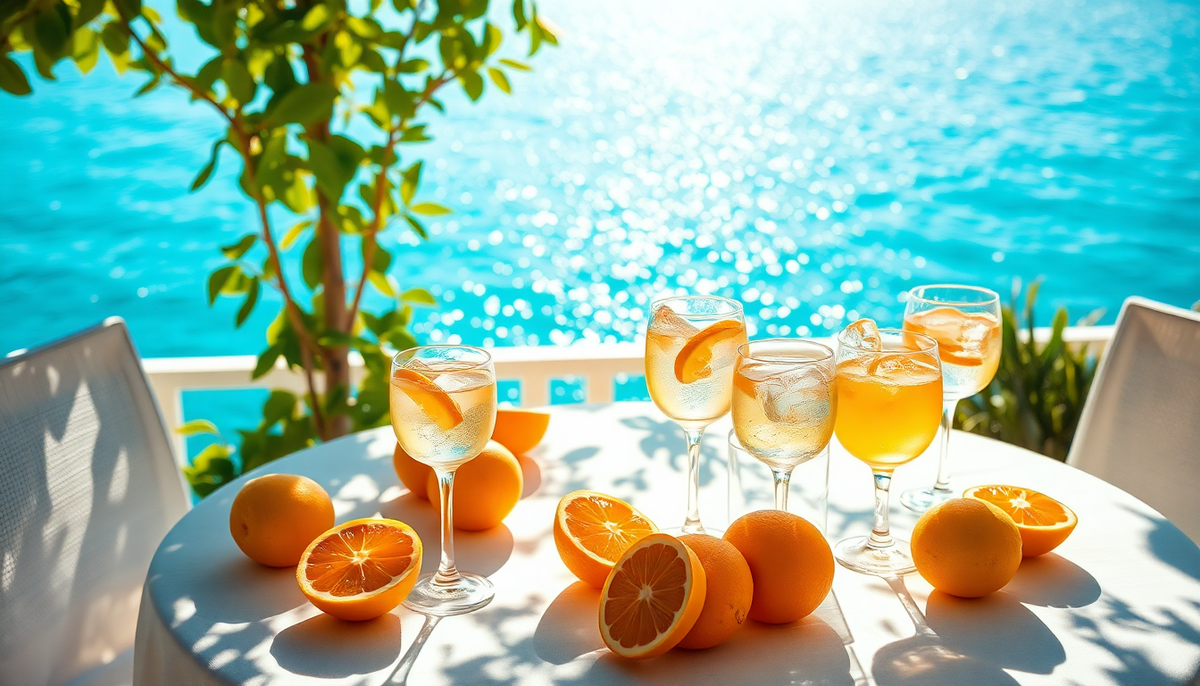
As the summer heat intensifies and the sun beats down relentlessly, there's nothing quite like reaching for a chilled glass of crisp white wine or delicate rosé to refresh your palate and cool your body. At Curtis Family Vineyards, we understand that summer wine selection is an art form, and choosing the right bottle can transform an ordinary hot day into a memorable experience. This comprehensive guide will explore everything you need to know about selecting, serving, and enjoying refreshing summer whites and rosés during those sweltering months.
Understanding Summer Wine Selection
When temperatures soar and humidity becomes oppressive, the wines we choose to drink shift dramatically from the heavier, fuller-bodied selections we might enjoy during cooler months. Summer wine selection is not merely about personal preference; it's about understanding how heat affects our taste perception, how alcohol content influences our experience, and how the right wine can actually help us feel more refreshed and satisfied.
The science behind summer wine preferences is fascinating. During hot weather, our bodies naturally crave lighter, more refreshing beverages. This is why white wines and rosés become the stars of the season. These wines typically have lower alcohol content than their red counterparts, contain higher acidity levels that stimulate our taste buds and create a refreshing sensation, and often feature bright, crisp flavors that feel invigorating rather than heavy.
The Chemistry of Refreshment
The refreshing quality of white wines and rosés comes down to several chemical components. Acidity is perhaps the most important factor. Wines with higher acidity levels create a tingling sensation on the palate that feels cooling and stimulating, even when the wine itself is chilled. This acidity also helps cleanse the palate between sips and between courses, making these wines excellent choices for summer meals and gatherings.
Alcohol content also plays a crucial role in summer wine selection. Wines with lower alcohol content, typically ranging from 10 to 12.5 percent ABV, feel lighter and less warming in the mouth compared to fuller-bodied wines that might contain 14 to 15 percent ABV or higher. This lower alcohol content means you can enjoy multiple glasses without feeling overly intoxicated, making these wines perfect for long summer afternoons and evening gatherings.
The flavor profiles of summer whites and rosés tend toward brightness and freshness. You'll find notes of citrus, green apple, stone fruits, and tropical fruits rather than the heavier oak and dark fruit characteristics of winter wines. These bright flavors feel more refreshing on the palate and pair beautifully with the lighter foods we typically enjoy during summer months.
The World of White Wines for Summer
White wines offer an incredible diversity of styles, flavors, and characteristics, making them the perfect choice for summer enjoyment. From crisp and mineral-driven selections to fruity and aromatic options, there's a white wine for every taste preference and occasion.
Sauvignon Blanc: The Quintessential Summer White
Sauvignon Blanc stands as one of the most popular white wine choices for summer, and for good reason. This wine is characterized by its vibrant acidity, herbaceous notes, and citrus flavors that make it incredibly refreshing on hot days. The best Sauvignon Blancs come from regions like the Loire Valley in France, New Zealand, and California's Napa Valley.
The flavor profile of Sauvignon Blanc varies depending on its origin. Loire Valley versions tend to be more mineral-driven with notes of green apple and fresh herbs. New Zealand Sauvignon Blancs are known for their tropical fruit notes and herbaceous characteristics, with flavors of passion fruit, grapefruit, and fresh-cut grass. California Sauvignon Blancs often fall somewhere in between, offering a balance of citrus, stone fruit, and herbal notes.
What makes Sauvignon Blanc particularly excellent for summer is its versatility. It pairs wonderfully with light seafood dishes, fresh salads, goat cheese, and vegetable-based appetizers. The wine's natural acidity complements these lighter foods perfectly, creating a harmonious dining experience. At Curtis Family Vineyards, we recommend serving Sauvignon Blanc at around 45-50 degrees Fahrenheit to fully appreciate its crisp characteristics.
Pinot Grigio: Light, Crisp, and Approachable
Pinot Grigio has become synonymous with summer wine drinking for many people, and its popularity is well-deserved. This Italian white wine is known for its light body, crisp acidity, and delicate fruit flavors. Unlike Sauvignon Blanc, which can be quite herbaceous, Pinot Grigio tends toward subtle fruit notes with a clean, mineral finish.
The best Pinot Grigios come from northeastern Italy, particularly the regions of Friuli-Venezia Giulia and Trentino-Alto Adige. These wines are typically light in color, ranging from pale yellow to almost colorless, and offer flavors of green apple, pear, white peach, and sometimes a hint of almond. The wine's natural acidity and low alcohol content make it incredibly refreshing, and its subtle flavors won't overpower lighter summer dishes.
Pinot Grigio's approachability makes it an excellent choice for those new to wine drinking or for casual summer gatherings where you want a wine that appeals to a broad range of palates. The wine's light body means it won't feel heavy or warming, even on the hottest days. We recommend serving Pinot Grigio well-chilled, around 40-45 degrees Fahrenheit, to maximize its refreshing qualities.
Albariño: Spain's Summer Treasure
For those seeking something slightly different, Albariño offers a wonderful alternative to the more commonly seen white wines. This Spanish white wine comes primarily from the Rías Baixas region in Galicia and is known for its bright acidity, mineral character, and citrus flavors with a hint of salinity.
Albariño's flavor profile includes notes of lemon, lime, green apple, and sometimes a subtle minerality that reflects the wine's coastal origins. The wine's acidity is particularly pronounced, making it exceptionally refreshing on hot days. Many Albariños also carry a slight saline quality that makes them feel even more cooling and refreshing, particularly when paired with seafood.
The versatility of Albariño is remarkable. It pairs beautifully with shellfish, white fish, light pasta dishes, and Mediterranean-inspired appetizers. The wine's natural minerality and acidity make it an excellent choice for outdoor summer gatherings where you want a wine that can stand up to various foods and flavors. At Curtis Family Vineyards, we particularly recommend Albariño for those seeking a white wine with more character and complexity than the more mainstream options.
Vermentino: Italy's Coastal Gem
Vermentino is another excellent Italian white wine that deserves more attention from summer wine enthusiasts. This wine comes primarily from Sardinia and coastal regions of Tuscany and is known for its bright acidity, citrus flavors, and subtle herbal notes.
Vermentino offers a flavor profile that includes lemon, lime, grapefruit, and sometimes notes of white flowers and fresh herbs. The wine's acidity is crisp and clean, making it incredibly refreshing. Like Albariño, Vermentino often carries a subtle minerality that reflects its Mediterranean origins, giving it a sense of place and authenticity.
This wine is particularly excellent for pairing with Mediterranean cuisine, including fresh seafood, light pasta dishes, and vegetable-based preparations. The wine's natural acidity and bright flavors complement these dishes beautifully without overwhelming them. Vermentino is also an excellent choice for sipping on its own during hot summer afternoons, as its refreshing qualities make it satisfying even without food.
Grüner Veltliner: Austria's Crisp Contribution
Austria's Grüner Veltliner is a white wine that deserves a place in every summer wine lover's collection. This wine is known for its bright acidity, citrus flavors, and subtle herbal and mineral notes that make it incredibly refreshing and food-friendly.
Grüner Veltliner offers flavors of green apple, lemon, lime, and sometimes white peach, along with herbal notes of fresh-cut grass and white pepper. The wine's acidity is pronounced but balanced, creating a wine that feels crisp and clean on the palate. The wine's mineral character adds complexity and interest, making it more than just a simple refreshing quaff.
What makes Grüner Veltliner particularly excellent for summer is its versatility with food. It pairs beautifully with a wide range of cuisines, from Asian dishes to Mediterranean preparations. The wine's natural acidity and bright flavors make it an excellent choice for outdoor summer gatherings where you want a wine that can adapt to various foods and flavors.
Muscadet: France's Underrated Summer Selection
Muscadet, produced in the Loire Valley region of France, is often overlooked in favor of more famous white wines, but it deserves serious consideration for summer drinking. This wine is known for its light body, crisp acidity, and subtle fruit flavors that make it incredibly refreshing.
Muscadet offers flavors of green apple, pear, and sometimes a hint of citrus, along with a subtle minerality that reflects the wine's origins in the Loire Valley. The wine's acidity is clean and crisp, and its low alcohol content makes it perfect for long summer afternoons. Many Muscadets are aged on their lees, which adds a subtle complexity and a slightly creamy texture that balances the wine's acidity beautifully.
This wine is particularly excellent for pairing with seafood, as its acidity and mineral character complement fish and shellfish beautifully. Muscadet is also an excellent choice for those seeking a white wine with more character than some of the more mainstream options, but without the intensity of wines like Sauvignon Blanc.
The Elegance of Rosé Wines
Rosé wines have experienced a remarkable renaissance in recent years, moving from being dismissed as a simple, sweet wine to being recognized as a sophisticated and complex beverage worthy of serious consideration. For summer drinking, rosé offers a unique combination of the refreshing qualities of white wine with the complexity and depth of red wine.
Understanding Rosé Production
The color of rosé wine comes from the brief contact between the grape juice and the grape skins during fermentation. Unlike red wines, where the juice remains in contact with the skins for an extended period, rosé wines are typically fermented with the skins for only a few hours to a few days. This brief contact gives rosé its characteristic pink color while allowing the wine to develop some of the complexity and tannin structure of red wines without becoming too heavy or dark.
The exact shade of rosé can vary dramatically depending on the grape varieties used, the length of skin contact, and the winemaking techniques employed. Some rosés are pale pink, almost salmon-colored, while others are deeper pink or even coral-colored. Generally speaking, paler rosés tend to be lighter and more delicate, while deeper-colored rosés often have more body and complexity.
Provence Rosé: The Gold Standard
When most people think of rosé wine, they think of Provence rosé from southern France. This region has become synonymous with high-quality rosé production, and for good reason. Provence rosés are known for their pale pink color, crisp acidity, and delicate fruit flavors that make them incredibly refreshing and elegant.
Provence rosés are typically made from a blend of grape varieties, including Grenache, Cinsault, and Mourvèdre. The resulting wines offer flavors of strawberry, raspberry, citrus, and sometimes white peach, along with subtle herbal notes. The wines' acidity is crisp and clean, and their low alcohol content makes them perfect for summer drinking.
What distinguishes Provence rosé from other rosés is its emphasis on elegance and subtlety. These wines are not fruit-forward or sweet; instead, they offer a balance of fruit, acidity, and minerality that makes them sophisticated and food-friendly. At Curtis Family Vineyards, we particularly recommend Provence rosés for those seeking a wine that can be enjoyed on its own or paired with a wide range of summer foods.
Spanish Rosados: Bold and Flavorful
Spanish rosados offer a different approach to rosé winemaking compared to their French counterparts. These wines tend to be deeper in color and more fruit-forward, with bolder flavors and slightly higher alcohol content. Spanish rosados are typically made from Garnacha, Tempranillo, or other Spanish grape varieties.
Spanish rosados offer flavors of strawberry, raspberry, watermelon, and sometimes citrus, along with subtle spice notes. The wines' acidity is crisp, but the wines often have more body and structure than Provence rosés. This makes Spanish rosados excellent choices for pairing with heartier summer foods, including grilled meats, spicy dishes, and flavorful appetizers.
The diversity of Spanish rosados is remarkable. Some are light and delicate, while others are bold and complex. This diversity means there's a Spanish rosado for every taste preference and occasion. We recommend exploring different Spanish rosados to find the styles that appeal most to your palate.
Italian Rosatos: Elegant and Versatile
Italian rosatos offer yet another approach to rosé winemaking. These wines tend to fall somewhere between the delicate Provence rosés and the bolder Spanish rosados, offering a balance of elegance and fruit-forward flavors. Italian rosatos are produced throughout the country, with notable examples coming from regions like Tuscany, Piedmont, and Sicily.
Italian rosatos typically offer flavors of strawberry, raspberry, citrus, and sometimes white peach, along with subtle herbal and mineral notes. The wines' acidity is crisp and clean, and their alcohol content is typically moderate. This balance makes Italian rosatos excellent choices for summer drinking and food pairing.
What makes Italian rosatos particularly appealing is their versatility. These wines can be enjoyed on their own or paired with a wide range of summer foods. The wines' balance of fruit, acidity, and minerality makes them sophisticated enough for special occasions while remaining approachable and refreshing for casual summer gatherings.
Rosé from Other Regions
While France, Spain, and Italy dominate the rosé market, excellent rosés are produced in many other regions around the world. California produces some outstanding rosés, particularly from regions like Paso Robles and Santa Barbara County. These American rosés often offer bolder fruit flavors and slightly higher alcohol content compared to their European counterparts.
Argentina and Chile also produce excellent rosés, often made from Malbec or other red grape varieties. These South American rosés tend to be fruit-forward and bold, with flavors of strawberry, raspberry, and watermelon. The wines' acidity is crisp, making them refreshing and food-friendly.
Even regions not traditionally known for rosé production are beginning to produce excellent examples. New Zealand, Australia, and South Africa all produce quality rosés that deserve consideration. The diversity of rosé styles available means there's truly something for every taste preference and occasion.
Serving and Storage Considerations
Proper serving and storage of white wines and rosés is crucial to ensuring you get the most enjoyment from these delicate beverages. The way you serve and store these wines can dramatically affect their flavor, aroma, and overall quality.
Temperature Matters
Temperature is perhaps the most important factor in serving white wines and rosés. These wines should be served well-chilled, but not so cold that you lose the subtle flavors and aromas that make them special. The ideal serving temperature for most white wines is between 45 and 50 degrees Fahrenheit, while rosés are typically best served slightly warmer, between 50 and 55 degrees Fahrenheit.
Serving white wines and rosés too cold can mute their flavors and aromas, making them taste flat and uninteresting. Conversely, serving them too warm can make them feel less refreshing and can cause the alcohol to become more pronounced. Finding the right temperature is key to maximizing your enjoyment.
For summer gatherings, we recommend chilling your white wines and rosés in the refrigerator for at least two to three hours before serving. If you need to chill them more quickly, you can place the bottle in an ice bucket filled with ice and water for 15 to 20 minutes. Avoid placing white wines or rosés in the freezer, as this can cause the wine to become too cold and can potentially damage the bottle.
Glassware Selection
The type of glass you use to serve white wines and rosés can significantly affect your enjoyment of these beverages. The ideal glass for white wines and rosés is a standard white wine glass, which typically has a smaller bowl than a red wine glass. This smaller bowl helps concentrate the wine's aromas and keeps the wine at the proper temperature longer.
When selecting a glass, look for one with a stem that allows you to hold the glass without warming the wine with your hand. The bowl should be large enough to allow you to swirl the wine gently, which helps release the wine's aromas. Avoid using oversized glasses, as these can make it difficult to maintain the proper temperature and can dilute the wine's aromas.
Storage and Preservation
Proper storage of white wines and rosés is important to maintaining their quality and freshness. These wines are best enjoyed young, typically within one to three years of the vintage, though some higher-quality examples can age longer. Store your white wines and rosés in a cool, dark place, ideally at


Leave a comment
This site is protected by hCaptcha and the hCaptcha Privacy Policy and Terms of Service apply.