

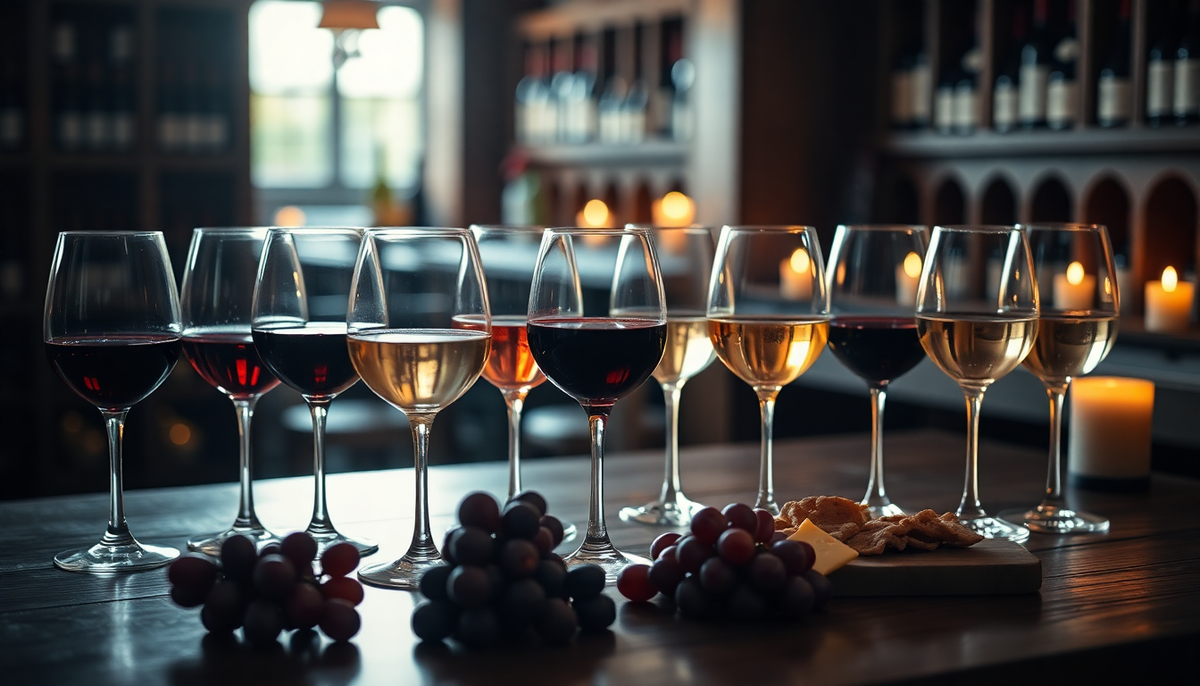
The wine industry has undergone a remarkable transformation over the past decade. What was once considered a niche market has blossomed into a thriving segment that captures the attention of wine enthusiasts, health-conscious consumers, and casual drinkers alike. Low and no-alcohol wines represent one of the most significant shifts in how we think about wine consumption, challenging centuries-old traditions and opening new possibilities for those who want to enjoy wine without the full alcoholic content.
At Curtis Family Vineyards, we've witnessed firsthand the growing curiosity surrounding these alternative wine options. Whether you're interested in reducing your alcohol intake, exploring new flavor profiles, or simply curious about what the future of wine might look like, this comprehensive guide will help you understand whether low and no-alcohol wines are worth your time and investment.
Understanding the Basics: What Are Low and No-Alcohol Wines?
Before diving into whether these wines are worth trying, it's essential to understand what we're actually talking about. The wine industry has established clear definitions for these categories, though they can vary slightly depending on regional regulations.
No-Alcohol Wine: The Definition
No-alcohol wine, often labeled as dealcoholized wine, contains less than 0.5% alcohol by volume (ABV). This minimal alcohol content is so low that it's considered negligible for most purposes, including driving and health considerations. The term "no-alcohol" is somewhat misleading because technically, these wines do contain trace amounts of alcohol, but the quantity is so insignificant that it's essentially alcohol-free.
Low-Alcohol Wine: The Middle Ground
Low-alcohol wines typically contain between 0.5% and 5.5% ABV, though some definitions extend this range to 6% or even 7% ABV depending on the source. These wines retain more of the traditional winemaking characteristics while offering a significantly reduced alcohol content compared to standard wines, which typically range from 12% to 15% ABV.
The Production Process
Understanding how these wines are made is crucial to appreciating their value and limitations. There are several methods used to produce low and no-alcohol wines, each with its own advantages and drawbacks.
The most common method is reverse osmosis, which uses a membrane to separate alcohol molecules from the wine. This process is relatively gentle and can preserve many of the wine's original characteristics, though some delicate flavors may be lost in the process.
Another popular technique is spinning cone technology, which uses centrifugal force and heat to separate alcohol from the wine. This method is known for preserving flavor profiles better than some alternatives, though it requires significant investment in equipment.
Arrested fermentation is another approach where winemakers stop the fermentation process before all the sugar converts to alcohol. This method can result in wines with residual sweetness and is often used for low-alcohol wines rather than completely dealcoholized options.
Some producers use a combination of these methods or develop proprietary techniques to achieve their desired results. The method chosen can significantly impact the final product's taste, aroma, and overall quality.
The Health Perspective: Is There a Real Benefit?
One of the primary reasons consumers turn to low and no-alcohol wines is health consciousness. Let's examine whether these products genuinely offer health advantages.
Reduced Caloric Intake
Alcohol is calorie-dense, containing seven calories per gram compared to four calories per gram for carbohydrates and protein. A standard glass of wine typically contains 120 to 150 calories, with much of this coming from alcohol. No-alcohol wines can contain as few as 20 to 40 calories per glass, making them an attractive option for those watching their caloric intake.
However, it's important to note that many no-alcohol wines compensate for the missing alcohol with added sugars to improve taste and mouthfeel. This means that while you're reducing alcohol calories, you might not be reducing total calories as dramatically as you'd expect. Always check the nutritional label to understand what you're actually consuming.
Liver Health and Alcohol-Related Risks
The liver is the primary organ responsible for processing alcohol. By consuming low or no-alcohol wines, you're significantly reducing the burden on this vital organ. For individuals with liver disease, those taking medications that interact poorly with alcohol, or those with a family history of alcohol-related health issues, this can be a meaningful benefit.
Regular alcohol consumption, even in moderate amounts, can contribute to fatty liver disease, cirrhosis, and other hepatic conditions. Switching to low or no-alcohol alternatives eliminates this risk entirely.
Cardiovascular Considerations
The relationship between wine and heart health is complex. Some research suggests that moderate wine consumption, particularly red wine, may offer cardiovascular benefits due to compounds like resveratrol. However, these benefits are modest and can be obtained from other sources like grapes and berries.
Excessive alcohol consumption, on the other hand, is clearly linked to increased cardiovascular risk, including hypertension, arrhythmias, and cardiomyopathy. For those who struggle with moderation or have cardiovascular concerns, low and no-alcohol wines provide a way to enjoy the social and sensory aspects of wine without the health risks.
Mental Health and Sleep Quality
Alcohol affects sleep architecture, reducing the quality of rest even when it helps you fall asleep initially. By choosing low or no-alcohol wines, particularly in the evening, you may experience better sleep quality. Additionally, for those managing anxiety or depression, reducing alcohol consumption can have positive mental health effects, as alcohol is a central nervous system depressant that can exacerbate mood disorders.
Pregnancy and Specific Health Conditions
For pregnant women, no-alcohol wine is the only safe option, as even small amounts of alcohol can potentially harm fetal development. Similarly, individuals with certain medical conditions, those taking specific medications, or those in recovery from alcohol addiction find no-alcohol wines to be a valuable option that allows them to participate in social drinking without health risks.
The Taste Test: Do They Actually Taste Good?
This is perhaps the most important question for wine enthusiasts. After all, health benefits mean little if the product tastes unpleasant. The honest answer is nuanced: some low and no-alcohol wines are genuinely delicious, while others fall short of expectations.
The Challenge of Flavor Without Alcohol
Alcohol serves multiple functions in wine beyond intoxication. It acts as a solvent that carries flavor compounds, contributes to the wine's body and mouthfeel, and provides a subtle warmth and complexity that many wine drinkers appreciate. Removing alcohol removes all these contributions, creating a significant challenge for winemakers.
The absence of alcohol can make wines taste thinner, less complex, and sometimes overly sweet or acidic. This is why many no-alcohol wines taste noticeably different from their full-alcohol counterparts, even when made from the same grapes and using similar production methods.
Improvements in Quality
The good news is that the quality of low and no-alcohol wines has improved dramatically over the past five years. As demand has increased, more resources have been invested in research and development. Major wine producers have entered the market, bringing their expertise and resources to bear on the challenge of creating better-tasting low and no-alcohol options.
Some of the best low and no-alcohol wines now come from established wineries that have applied their traditional winemaking knowledge to these new products. These wines often display surprising complexity, balance, and character that would have been unthinkable a decade ago.
Variability and Personal Preference
Taste is subjective, and this is particularly true with low and no-alcohol wines. What one person finds delightful, another might find disappointing. The best approach is to try several different brands and styles to discover what works for your palate.
Some people find that they prefer certain styles of low and no-alcohol wine. For instance, some find that no-alcohol red wines work better than whites, or vice versa. Others discover that they enjoy low-alcohol wines (around 4-5% ABV) more than completely dealcoholized options, as they retain more of the traditional wine characteristics.
Specific Wine Styles Worth Trying
Sparkling no-alcohol wines have gained particular acclaim in recent years. The carbonation and complexity of these wines can mask some of the deficiencies that plague still no-alcohol wines. Many wine drinkers find that a quality no-alcohol sparkling wine is an excellent substitute for champagne or prosecco.
Rosé and white no-alcohol wines tend to perform better than reds in blind tastings, possibly because the lighter color and fresher flavor profile are less dependent on the complexity that alcohol provides.
Red no-alcohol wines remain the most challenging category, though some producers have made impressive strides. Look for wines made from fruit-forward grape varieties like Pinot Noir or Grenache, which can maintain their character even without alcohol.
The Social and Lifestyle Advantages
Beyond health and taste, low and no-alcohol wines offer significant social and lifestyle benefits that shouldn't be overlooked.
Inclusion and Social Participation
One of the most underrated benefits of no-alcohol wine is the ability to participate fully in social situations without feeling excluded. Whether it's a wine tasting, a dinner party, or a celebration, having a quality no-alcohol option allows people to join in without drawing attention to themselves or feeling like they're missing out.
For those in recovery from alcohol addiction, this is particularly valuable. It allows them to maintain social connections and participate in wine-related activities without triggering relapse or feeling isolated.
Driving and Responsibility
The ability to enjoy wine while remaining completely sober enough to drive is a practical advantage that appeals to many consumers. Whether you're the designated driver, need to drive home after an event, or simply want to enjoy wine without any impairment, no-alcohol wines provide this option.
Flexibility in Consumption Patterns
Low and no-alcohol wines allow for greater flexibility in how and when you consume wine. You can enjoy a glass in the morning without affecting your productivity, have multiple glasses throughout an evening without becoming intoxicated, or enjoy wine with lunch without worrying about afternoon drowsiness.
Pairing with Medications and Health Regimens
Many people take medications that interact poorly with alcohol, or they're following health regimens that preclude alcohol consumption. Low and no-alcohol wines allow these individuals to enjoy wine's sensory and social aspects without compromising their health or medication effectiveness.
The Economic Perspective: Value for Money
Price is an important consideration for most consumers. Are low and no-alcohol wines worth the investment?
Pricing Trends
Low and no-alcohol wines typically cost more per bottle than standard wines of similar quality. This is partly due to the additional processing required to remove alcohol, and partly due to the smaller market size, which means less economies of scale.
However, prices have been declining as the market grows and production becomes more efficient. Five years ago, a decent no-alcohol wine might cost $15 to $20 per bottle. Today, you can find quality options in the $8 to $15 range, with premium options available at higher price points.
Cost-Benefit Analysis
When considering whether low and no-alcohol wines are worth the price, consider the total value proposition. If you're buying them for health reasons and they're replacing more expensive health supplements or medical treatments, they may offer good value. If you're buying them because you genuinely enjoy them and they enhance your social life, the premium might be justified.
However, if you're primarily motivated by cost savings, low and no-alcohol wines might not be the best choice. You could achieve similar health benefits by simply drinking less regular wine, which would be more economical.
Premium vs. Budget Options
Like regular wines, low and no-alcohol wines exist at various price points. Budget options ($5-$10) can be surprisingly good, particularly for sparkling varieties. Mid-range options ($10-$15) often offer the best value, with good quality and reasonable prices. Premium options ($15+) can be excellent but require careful selection, as not all expensive no-alcohol wines are worth their price.
Exploring Different Styles and Producers
The low and no-alcohol wine market includes offerings from both established wine producers and newer companies specializing in these products.
Established Wine Producers
Major wine companies have recognized the market potential and have launched their own low and no-alcohol lines. These producers bring decades of winemaking expertise to the challenge, and their products often reflect this experience. Brands from established wine regions like Bordeaux, Burgundy, and Napa Valley now offer no-alcohol options that maintain some of the character of their full-alcohol counterparts.
Specialized Producers
Several companies have built their entire business around low and no-alcohol wines. These producers often invest heavily in research and development, experimenting with different production methods and grape varieties to create the best possible products. Some of these companies have achieved remarkable success, winning awards and gaining recognition from wine critics.
Regional Variations
Different wine regions have approached low and no-alcohol wine production differently. Some regions have embraced the category enthusiastically, while others have been slower to adopt. This creates interesting variations in style and quality depending on where the wine is produced.
Exploring Through Tastings
The best way to discover which low and no-alcohol wines you enjoy is through systematic tasting. Many wine shops now offer no-alcohol wine tastings, and some online retailers provide sample packs that allow you to try multiple options without committing to full bottles.
The Environmental and Sustainability Angle
An often-overlooked aspect of low and no-alcohol wines is their environmental impact.
Reduced Transportation Emissions
Since alcohol contributes significantly to wine's weight, no-alcohol wines are lighter and require less energy to transport. Over the course of a year, if a significant portion of wine consumption shifted to no-alcohol options, the transportation emissions savings could be substantial.
Water Usage in Production
The dealcoholization process does require additional water and energy compared to standard winemaking. However, some production methods are more efficient than others, and as technology improves, the environmental footprint of producing low and no-alcohol wines continues to decrease.
Sustainable Viticulture
Many producers of low and no-alcohol wines are also committed to sustainable and organic viticulture. The newer, more environmentally conscious wine producers often focus on this category, making it easier to find sustainably produced low and no-alcohol options.
Packaging Considerations
Some low and no-alcohol wine producers are leaders in sustainable packaging, using lighter bottles, alternative closures, and recyclable materials. If environmental impact is important to you, seeking out these producers can align your wine consumption with your values.
Addressing Common Misconceptions
Several misconceptions about low and no-alcohol wines persist, and it's worth addressing them directly.
Misconception 1: They're Only for People Who Can't Drink
While low and no-alcohol wines are certainly valuable for those who can't or shouldn't consume alcohol, they're increasingly enjoyed by people who simply prefer them. Many wine drinkers enjoy low and no-alcohol wines alongside regular wines, choosing based on the occasion, time of day, or personal preference rather than necessity.
Misconception 2: They All Taste Bad
While some low and no-alcohol wines are indeed subpar, many are genuinely delicious. The quality varies, just as it does with regular wines, but excellent options are available at various price points.
Misconception 3: They Provide the Same Health Benefits as Grapes
While no-alcohol wines do contain some of the beneficial compounds found in grapes, the processing required to remove alcohol can reduce the concentration of certain compounds. However, they still retain many beneficial elements and are certainly healthier than full-alcohol wines.
Misconception 4: They're a New Invention
Dealcoholized wines have existed for over a century, though modern production methods are much more sophisticated. The category isn't new; it's just newly popular.
Misconception 5: They're Significantly More Expensive Than Regular Wine
While low and no-alcohol wines typically cost more than budget regular wines, they're often competitively priced with mid-range regular wines. Premium options can be expensive, but so can premium regular wines.
The Future of Low and No-Alcohol Wine
The trajectory of the low and no-alcohol wine market suggests continued growth and improvement.
Market Growth Projections
Industry analysts project that the low and no-alcohol wine market will continue to expand significantly over the next decade. This growth is driven by changing consumer preferences, health consciousness, and the improving quality of available products.
Technological Innovations
Ongoing research into better dealcoholization methods promises wines that more closely resemble their full-alcohol counterparts. New techniques are being developed that can preserve more of the wine's original character while removing the alcohol.
Increased Producer Participation
As the market grows, more established wine producers are entering the space. This influx of expertise and resources will likely accelerate improvements in quality and expand the variety of available options.
Regulatory Evolution
As the category matures, regulations around labeling, production methods, and health claims will likely become more standardized, making it easier for consumers to understand what they're purchasing.
Making Your Decision: Is It Worth Trying?
After examining all these factors, the question remains: is low and no-alcohol wine worth trying?
For Health-Conscious Consumers
If you're interested in reducing your alcohol intake for health reasons, low and no-alcohol wines are definitely worth exploring. The health benefits are real, and the quality of available options has improved dramatically. Even if you don't find them to be perfect replacements for regular wine, they can be a valuable tool in a health-conscious lifestyle.
For Wine Enthusiasts
If you're a serious wine enthusiast, low and no-alcohol wines are worth trying simply for the experience. The category represents an interesting challenge for winemakers and offers unique flavor profiles. Some wine lovers find that they genuinely enjoy certain low and no-alcohol wines and

Leave a comment
This site is protected by hCaptcha and the hCaptcha Privacy Policy and Terms of Service apply.