

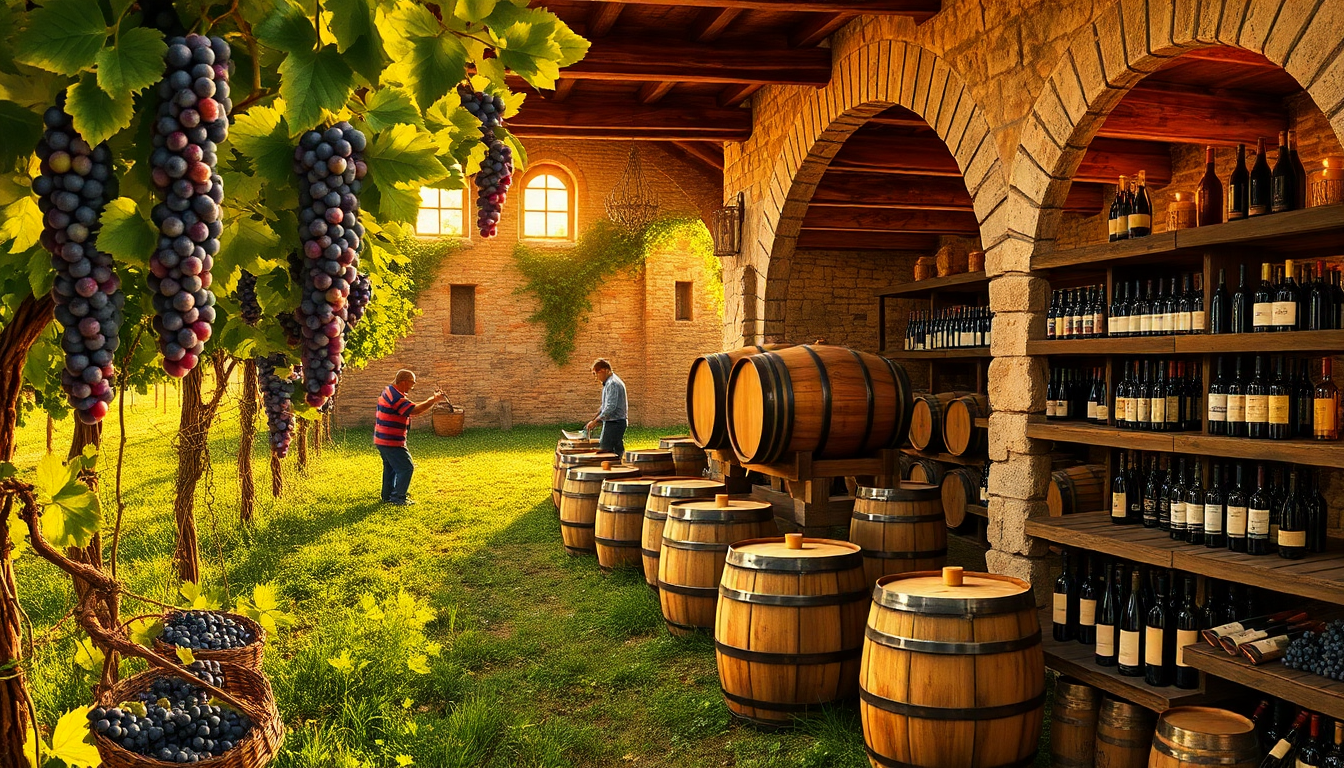
Wine has been enjoyed by civilizations for thousands of years, yet many people remain curious about the intricate process that transforms simple grapes into the complex, flavorful beverages we savor today. At Curtis Family Vineyards, we believe that understanding winemaking enhances your appreciation for every glass you drink. This comprehensive guide will walk you through each stage of wine production, from vineyard to bottle, revealing the science, art, and passion that goes into creating exceptional wine.
Understanding the Basics of Winemaking
Before diving into the detailed steps of winemaking, it's important to understand what wine fundamentally is. Wine is an alcoholic beverage produced by fermenting grape juice with yeast. The yeast consumes the natural sugars present in the grapes and converts them into alcohol and carbon dioxide. While this basic definition seems straightforward, the reality of winemaking is far more nuanced and complex.
The winemaking process is influenced by countless variables, including grape variety, climate conditions, soil composition, harvest timing, and the winemaker's decisions throughout production. Each of these factors plays a crucial role in determining the final character, flavor profile, and quality of the wine. Understanding these elements helps explain why wines from different regions, vineyards, and vintages can taste so distinctly different.
The Role of Terroir
One of the most important concepts in winemaking is terroir, a French term that encompasses the complete natural environment in which grapes are grown. Terroir includes the soil composition, topography, climate, and even the microorganisms present in the vineyard. The concept of terroir is fundamental to understanding why certain regions produce distinctive wines year after year.
At Curtis Family Vineyards, we recognize that our terroir is one of our greatest assets. The specific combination of our soil, climate, and geographic location creates conditions that are ideal for producing wines with unique characteristics that cannot be replicated elsewhere. This is why wine enthusiasts often seek out wines from specific regions and vineyards.
Stage One: Vineyard Management and Grape Growing
The journey to creating exceptional wine begins long before harvest, in the vineyard itself. Proper vineyard management is essential for producing high-quality grapes, which are the foundation of great wine.
Vine Planting and Development
The first step in establishing a vineyard is selecting the right location and preparing the soil. Grapevines require well-draining soil and adequate sunlight. The soil must be analyzed to ensure it has the proper pH balance and mineral content. Once the location is selected, vineyard managers must choose which grape varieties to plant based on the climate and desired wine style.
Young vines typically take three to five years to produce fruit suitable for winemaking. During this establishment period, vineyard workers focus on training the vines to grow in the desired shape and direction. This training is crucial for ensuring that the vines develop strong root systems and produce healthy fruit in subsequent years.
Seasonal Vineyard Care
Throughout the growing season, vineyard managers must carefully tend to the vines. This includes pruning, which involves removing excess growth to direct the vine's energy toward fruit production. Pruning also improves air circulation around the fruit, reducing the risk of fungal diseases.
Canopy management is another critical practice. This involves removing leaves and shoots to ensure that the grape clusters receive adequate sunlight. Proper sunlight exposure is essential for developing the sugars, acids, and phenolic compounds that give wine its flavor, color, and structure.
Vineyard workers must also monitor for pests and diseases. While some vineyards use pesticides and fungicides, many winemakers, including those at Curtis Family Vineyards, prefer sustainable or organic practices that minimize chemical inputs. These approaches often involve using natural predators, beneficial insects, and cultural practices to manage vineyard health.
Water Management
Irrigation is a critical aspect of vineyard management, though the approach varies depending on climate and rainfall patterns. In regions with adequate rainfall, minimal irrigation may be needed. In drier climates, careful irrigation management is essential for ensuring that vines have sufficient water without becoming over-watered, which can dilute the grapes' flavors.
Many premium winemakers practice deficit irrigation, which involves deliberately limiting water availability during certain growth stages. This stress encourages the vine to produce more concentrated flavors in the grapes, resulting in more complex wines.
Stage Two: Harvest and Grape Selection
Harvest is one of the most critical decisions in winemaking. The timing of harvest dramatically affects the final wine's character, alcohol content, and flavor profile.
Determining Harvest Readiness
Winemakers monitor grape ripeness throughout the growing season by measuring several key parameters. Sugar content, measured in degrees Brix, indicates how much sugar is present in the grapes. Acidity levels, expressed as pH and titratable acidity, affect the wine's freshness and balance. Phenolic ripeness, which measures the maturity of tannins and color compounds, is particularly important for red wines.
Different winemakers have different philosophies about optimal ripeness. Some prefer to harvest earlier when acidity is higher and alcohol levels are lower, resulting in more elegant, food-friendly wines. Others wait for fuller ripeness, producing richer, more powerful wines with higher alcohol content.
Harvest Methods
Grapes can be harvested by hand or by machine. Hand harvesting allows workers to select only the ripest, healthiest grapes and to handle them gently, minimizing damage. This method is labor-intensive and expensive but is preferred by many premium winemakers because it results in higher quality fruit.
Machine harvesting is faster and more economical, making it practical for large-scale operations. Modern harvesting machines can be quite selective, though they may cause more damage to grapes than hand harvesting.
Sorting and Destemming
After harvest, grapes are transported to the winery where they undergo sorting. Workers remove any damaged grapes, leaves, or debris. This sorting step is crucial for ensuring that only quality fruit enters the fermentation process.
Next, the grapes are destemmed, meaning the stems are separated from the fruit. For white wines, this typically happens immediately. For red wines, some winemakers choose to include a portion of the stems in fermentation for added tannins and complexity.
Stage Three: Crushing and Pre-Fermentation
Once the grapes have been sorted and destemmed, they are ready for crushing, which breaks the grape skins and releases the juice.
The Crushing Process
Crushing can be done by hand, by foot, or by mechanical crushers. The goal is to break the skins without crushing the seeds, which would release bitter compounds. Modern crushers are designed to gently break the skins while leaving seeds intact.
For white wines, crushing is followed immediately by pressing to separate the juice from the skins. For red wines, the juice and skins are kept together for fermentation, as the skins provide color, tannins, and flavor compounds.
Cold Soaking
Some winemakers, particularly those making red wines, employ a technique called cold soaking. The crushed grapes are kept at cool temperatures for several days before fermentation begins. This allows color and flavor compounds to extract from the skins into the juice without the influence of yeast activity. Cold soaking can enhance the wine's color and fruit flavors.
Sulfite Addition
Most winemakers add sulfur dioxide (SO2) to the crushed grapes. Sulfites serve several important functions: they inhibit unwanted microorganisms, prevent oxidation, and help preserve the wine's freshness. While sulfites occur naturally during fermentation, adding them gives the winemaker more control over the fermentation process.
Some winemakers, particularly those practicing natural winemaking, minimize or eliminate sulfite additions. This approach carries more risk but can result in wines with distinctive characteristics.
Stage Four: Fermentation
Fermentation is the heart of winemaking, where yeast converts grape sugars into alcohol and carbon dioxide. This process is both a science and an art, requiring careful monitoring and decision-making.
Yeast Selection
Winemakers can use wild yeast naturally present on grape skins or can inoculate the must with cultured yeast strains. Wild fermentation relies on indigenous yeasts and can produce complex, distinctive wines but carries more risk of stuck fermentation or off-flavors. Cultured yeasts are more predictable and reliable, allowing winemakers to achieve consistent results.
Different yeast strains have different characteristics. Some produce fruity esters, others enhance spice or mineral notes. Winemakers select yeast strains based on the grape variety and desired wine style.
Temperature Control
Temperature management during fermentation is crucial. Cooler temperatures slow fermentation, allowing more delicate flavors to develop and preserving aromatic compounds. Warmer temperatures speed fermentation but can result in loss of aromatic compounds and higher alcohol production.
White wines are typically fermented at cooler temperatures, often between 45 and 65 degrees Fahrenheit, to preserve their fresh, fruity characteristics. Red wines are usually fermented warmer, between 65 and 85 degrees Fahrenheit, to extract color and tannins from the skins.
Fermentation Duration
Fermentation duration varies depending on yeast strain, temperature, and grape composition. Most fermentations last between one and three weeks, though some can take longer. Winemakers monitor fermentation progress by measuring sugar levels and tracking when all sugars have been consumed.
Maceration and Skin Contact
For red wines, the duration of skin contact during and after fermentation significantly affects the final wine. Extended maceration allows more color, tannins, and flavor compounds to extract from the skins. Some winemakers practice post-fermentation maceration, keeping the skins in contact with the wine for days or weeks after fermentation ends.
For white wines, skin contact is typically minimal, though some winemakers use extended skin contact to create more complex, textured white wines.
Punch Down and Pump Over
During red wine fermentation, the skins float to the surface, forming a cap. To ensure proper extraction and prevent spoilage, winemakers must regularly break up this cap. This can be done by punching down the cap by hand or by pumping the wine from the bottom of the tank over the top. These actions also help manage temperature and ensure even fermentation.
Stage Five: Pressing and Separation
Once fermentation is complete, the wine must be separated from the solids, including skins, seeds, and dead yeast cells.
The Pressing Process
The wine that freely runs off the skins is called free-run wine. The remaining solids are then pressed to extract additional wine. Different pressing methods extract different qualities of wine. Light pressing extracts wine that is similar in quality to free-run wine. Harder pressing extracts more wine but may include more tannins and bitter compounds.
Winemakers must decide how much of the pressed wine to include in the final blend. Some pressed wine is often set aside or used for other purposes, as it can be quite tannic and harsh.
Separation of Solids
After pressing, the wine contains suspended particles and dead yeast cells. The wine is transferred to clean tanks where these solids are allowed to settle. This process, called settling or sedimentation, may take several days or weeks.
Stage Six: Malolactic Fermentation
After the primary fermentation is complete, many wines undergo a secondary fermentation called malolactic fermentation (MLF). This process is carried out by lactic acid bacteria, which convert malic acid into lactic acid.
The Purpose of Malolactic Fermentation
Malolactic fermentation serves several important purposes. It reduces the wine's acidity, making it taste softer and rounder. It also produces compounds that add complexity and depth to the wine. For red wines, MLF is almost always encouraged, as it softens harsh tannins and adds savory, buttery notes.
For white wines, the decision to undergo MLF is more nuanced. Some winemakers encourage MLF to add complexity and texture, while others prevent it to preserve the wine's fresh, crisp character.
Controlling Malolactic Fermentation
Winemakers can encourage MLF by inoculating the wine with lactic acid bacteria or by allowing wild bacteria naturally present in the winery to initiate the process. They can also prevent MLF by using sulfites or by maintaining cooler temperatures.
The timing of MLF is also important. Some winemakers prefer MLF to occur immediately after primary fermentation, while others delay it until spring. The timing affects the wine's final character and stability.
Stage Seven: Aging and Oak Treatment
After fermentation and MLF are complete, many wines benefit from aging in oak barrels or stainless steel tanks. This stage allows the wine to develop complexity and integrate its various components.
Oak Aging
Oak aging imparts several effects on wine. Oak contains compounds that add vanilla, spice, and toasted notes to the wine. Oak is also slightly porous, allowing small amounts of oxygen to interact with the wine, which helps develop color and complexity. Additionally, oak aging allows harsh tannins to soften and integrate.
Different types of oak produce different effects. French oak typically adds subtle, elegant flavors, while American oak adds bolder vanilla and spice notes. The level of toast applied to the barrel also affects the wine's character, with lighter toast preserving more oak flavor and heavier toast adding more roasted, smoky notes.
Barrel Aging Duration
The length of barrel aging varies depending on the wine style and winemaker's preference. Light wines might spend just a few months in oak, while full-bodied red wines might age for 18 months to three years or longer. Extended aging allows more integration of oak flavors and more development of complexity.
Stainless Steel Aging
Some wines are aged in stainless steel tanks rather than oak. Stainless steel is inert and doesn't impart flavors, making it ideal for preserving a wine's fresh, fruity character. Stainless steel aging is common for white wines and lighter red wines where the winemaker wants to emphasize the fruit rather than oak influences.
Racking
During aging, dead yeast cells and other solids gradually settle to the bottom of the barrel or tank, forming sediment called lees. Periodically, the clear wine is transferred to a clean barrel or tank, leaving the lees behind. This process, called racking, prevents off-flavors from developing and helps clarify the wine.
Some winemakers practice extended lees aging, keeping the wine in contact with the lees for extended periods. This technique, particularly common in white wine production, adds complexity and texture to the wine.
Stage Eight: Blending
Most wines are blends of different lots, barrels, or even grape varieties. Blending allows winemakers to create balanced, complex wines that are greater than the sum of their parts.
The Art of Blending
Blending is both a science and an art. Winemakers taste different lots and consider how they complement each other. A wine that is too acidic might be blended with a rounder wine to achieve better balance. A wine lacking complexity might be blended with a more complex wine to add depth.
For wines made from multiple grape varieties, blending decisions are crucial. The proportion of each variety significantly affects the wine's character. A Bordeaux blend, for example, might contain different proportions of Cabernet Sauvignon, Merlot, Cabernet Franc, and other varieties depending on the vintage and winemaker's vision.
Blending Trials
Before finalizing blends, winemakers typically conduct blending trials, tasting different combinations to determine the optimal blend. These trials help ensure that the final wine achieves the desired balance and character.
Stage Nine: Clarification and Stabilization
Before bottling, wines must be clarified to remove any remaining suspended particles and stabilized to prevent unwanted changes in the bottle.
Fining
Fining involves adding substances that bind to suspended particles and cause them to settle out of the wine. Common fining agents include egg white, gelatin, isinglass (fish bladder), and bentonite (clay). These substances are added to the wine, allowed to settle, and then the clear wine is racked off the sediment.
Different fining agents work better for different wines. Egg white is traditional and works well for red wines, while gelatin and isinglass are often used for white wines. Some winemakers prefer bentonite because it is vegan-friendly.
Filtration
Some winemakers use filtration to remove particles from the wine. Filtration can be done at various levels of fineness, from coarse filtration that removes large particles to fine filtration that removes very small particles and even some yeast cells.
While filtration clarifies the wine, it can also strip away some flavor compounds and texture. Many premium winemakers minimize filtration or avoid it altogether, preferring to let the wine clarify naturally over time.
Cold Stabilization
White wines and some light red wines may undergo cold stabilization to prevent tartrate crystals from forming in the bottle. The wine is chilled to near freezing, which causes potassium bitartrate to precipitate out. The wine is then filtered or racked to remove these crystals before bottling.
Protein Stabilization
Some white wines may undergo protein stabilization to prevent haze from forming in the bottle. This involves adding bentonite or other substances that bind to unstable proteins and cause them to settle out.
Stage Ten: Final Adjustments
Before bottling, winemakers may make final adjustments to the wine's composition.
Acidity Adjustment
If the wine's acidity is too high or too low, adjustments can

Leave a comment
This site is protected by hCaptcha and the hCaptcha Privacy Policy and Terms of Service apply.