

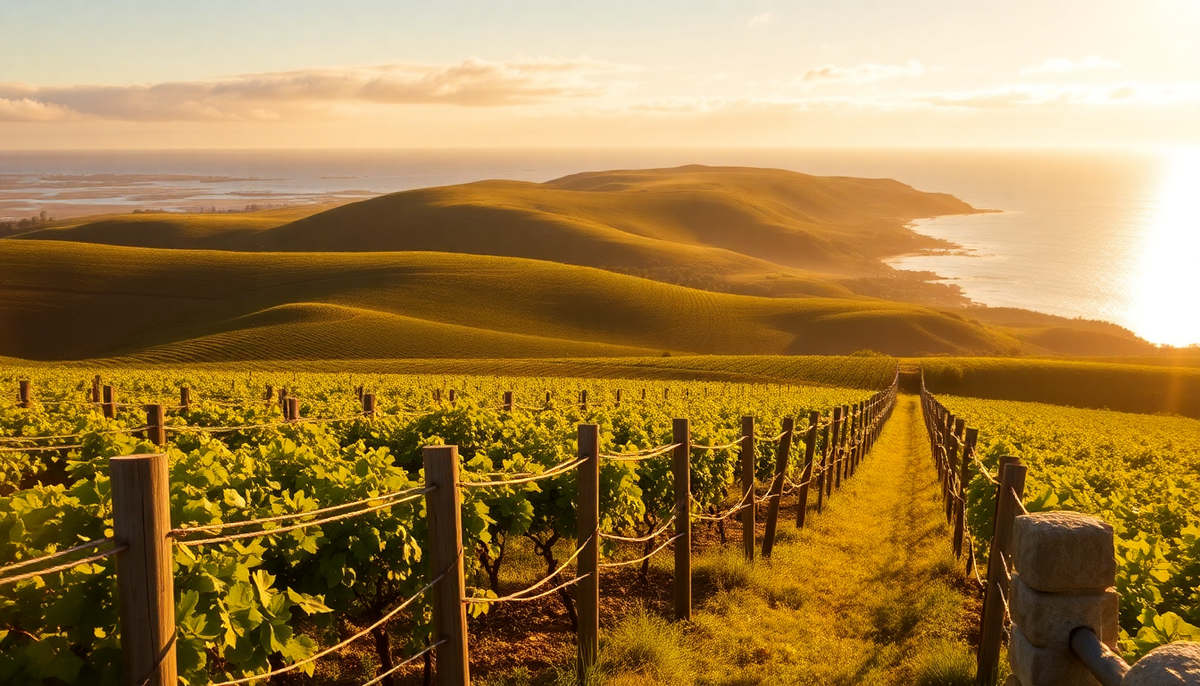
The relationship between climate and wine is one of the most fundamental aspects of viticulture that every winemaker must understand and respect. At Curtis Family Vineyards, we have spent decades studying, learning, and adapting to the unique coastal climate of McLaren Vale, one of Australia's most prestigious wine regions. The climate here doesn't just influence our wines—it fundamentally shapes every decision we make, from the varieties we plant to the harvest timing we choose. This blog post explores the intricate ways that McLaren Vale's coastal climate creates the distinctive character that makes our wines truly special.
Understanding McLaren Vale's Geographic Position
McLaren Vale is located approximately 40 kilometers south of Adelaide, South Australia, positioned on the Fleurieu Peninsula. This geographic location is crucial to understanding the climate that defines our region. The peninsula juts into the Southern Ocean, creating a unique microclimate that is distinctly different from inland Australian wine regions. The proximity to the ocean means that our vineyards benefit from maritime influences that moderate temperatures and create ideal conditions for growing premium wine grapes.
The region sits at approximately 35 degrees south latitude, which places it in the temperate zone ideal for wine production. This latitude is similar to renowned wine regions in the Northern Hemisphere, such as Bordeaux in France and Napa Valley in California. However, the Southern Hemisphere location means our seasons are reversed, with harvest occurring in late summer and early autumn from February to April. This timing allows us to take advantage of the region's natural cooling patterns as we approach the end of the growing season.
The Maritime Influence: Ocean Breezes and Temperature Moderation
The most significant factor shaping McLaren Vale's climate is the influence of the Southern Ocean. The ocean acts as a massive thermal regulator, moderating temperature extremes that would otherwise make viticulture challenging in this part of Australia. During the hot summer months, cool ocean breezes flow inland, providing relief from excessive heat that could damage grape vines or cause grapes to ripen too quickly and lose their complexity.
At Curtis Family Vineyards, we have observed that these ocean breezes typically arrive in the afternoon, just when temperatures reach their peak. This natural cooling effect is invaluable for preserving the acidity in our grapes, which is essential for creating wines with balance and aging potential. Without these maritime influences, our wines would likely be overly ripe and lacking the freshness that characterizes the best McLaren Vale wines.
The ocean also influences humidity levels throughout the growing season. The moisture-laden air from the Southern Ocean creates a more humid environment than inland regions, which affects how grapes develop and how diseases spread through the vineyard. We have learned to manage this humidity carefully, using canopy management techniques that allow air circulation while protecting grapes from excessive moisture that could promote fungal diseases.
Temperature Patterns Throughout the Growing Season
Understanding the specific temperature patterns in McLaren Vale is essential for successful viticulture. The region experiences a Mediterranean climate, characterized by warm, dry summers and mild, wet winters. However, the coastal location creates temperature patterns that are more moderate than typical Mediterranean climates found in other parts of Australia or the world.
Spring temperatures in McLaren Vale are generally mild, typically ranging from 15 to 20 degrees Celsius. This allows for a gradual bud break without the risk of late spring frosts that can devastate vineyards in cooler regions. The gradual warming through spring ensures that vines develop steadily, and flowering occurs under favorable conditions. At Curtis Family Vineyards, we monitor spring temperatures carefully because they set the tone for the entire growing season.
Summer temperatures in McLaren Vale are warm but not excessively hot, typically ranging from 25 to 30 degrees Celsius during the day, with cooler nights dropping to 15 to 18 degrees Celsius. This diurnal temperature variation—the difference between day and night temperatures—is crucial for wine quality. The cool nights allow grapes to rest and consolidate the flavors and colors they develop during the day. This temperature swing is one of the key factors that gives McLaren Vale wines their distinctive character.
Autumn temperatures gradually cool as we approach harvest, typically ranging from 20 to 25 degrees Celsius in early autumn, dropping to 15 to 20 degrees Celsius by late autumn. This gradual cooling is ideal for the final stages of grape ripening, allowing flavors to develop fully while maintaining acidity. The timing of this cooling is particularly important for varieties like Shiraz and Cabernet Sauvignon, which benefit from extended ripening periods in moderate temperatures.
Rainfall Patterns and Water Management
McLaren Vale receives approximately 650 to 700 millimeters of rainfall annually, with most precipitation occurring during the winter months from May to August. This rainfall pattern is crucial for vineyard management because it means that most of the growing season from September to April is relatively dry. This dry period is ideal for grape production because it reduces disease pressure and allows grapes to develop concentrated flavors.
The winter rainfall is essential for replenishing soil moisture and groundwater reserves that sustain the vines through the dry growing season. At Curtis Family Vineyards, we have invested in understanding our soil's water-holding capacity and how to manage irrigation efficiently. The combination of winter rainfall and strategic irrigation during the growing season allows us to maintain consistent vine vigor and grape quality throughout the year.
However, rainfall variability is a challenge we must manage carefully. Some years bring abundant rainfall, while others are drier than average. This variability requires flexibility in our vineyard management practices. In wetter years, we focus on canopy management to ensure adequate air circulation and disease prevention. In drier years, we adjust irrigation schedules to ensure vines have sufficient water for optimal grape development.
Sunshine Hours and Ripening Conditions
McLaren Vale enjoys approximately 2,400 to 2,500 hours of sunshine annually, which is substantial and ideal for grape ripening. This abundant sunshine ensures that grapes receive sufficient light energy for photosynthesis and flavor development. The long daylight hours during the growing season, particularly during the Australian summer, provide extended periods for grapes to accumulate sugars and develop complex flavors.
The quality of sunlight in McLaren Vale is also important. The region's latitude and coastal location mean that the sun's angle is optimal for grape ripening without causing excessive heat stress. The UV radiation levels are moderate, which helps develop the phenolic compounds that give red wines their color and tannin structure. At Curtis Family Vineyards, we have learned to appreciate how the specific light conditions in our region contribute to the unique character of our wines.
The abundance of sunshine also influences our canopy management decisions. We carefully balance the need for sun exposure on the fruit with the need to protect grapes from excessive heat stress during the hottest parts of the day. Leaf positioning and shoot positioning are managed to optimize light penetration while maintaining adequate shade during peak summer heat.
Wind Patterns and Their Effects on Viticulture
Wind is another important climatic factor that shapes viticulture in McLaren Vale. The region experiences prevailing westerly winds that bring cool air from the Southern Ocean. These winds are generally beneficial, providing the cooling effect that moderates summer temperatures. However, strong winds can occasionally cause stress to vines and affect flowering and fruit set.
At Curtis Family Vineyards, we have learned to work with the wind patterns rather than against them. Our vineyard layouts are designed to take advantage of natural wind corridors that provide cooling breezes while minimizing wind damage. We also use windbreaks strategically placed around the vineyard to protect vulnerable areas while allowing beneficial air circulation.
The wind patterns also influence disease management. Good air circulation reduces humidity around the grapes and helps prevent fungal diseases like powdery mildew and botrytis. The natural ventilation provided by McLaren Vale's wind patterns is one of the reasons why disease pressure is generally lower here than in more sheltered regions.
Soil Composition and Climate Interaction
While climate is the primary focus of this discussion, it's important to recognize that soil and climate interact to create the complete terroir of McLaren Vale. The region's soils are diverse, ranging from sandy loams to clay loams, with varying levels of limestone and iron oxide. These soil types interact with the climate to influence water availability, nutrient cycling, and vine vigor.
The sandy loam soils common in many parts of McLaren Vale have good drainage, which is important given the region's winter rainfall. These soils warm quickly in spring, promoting early bud break, and they allow roots to penetrate deeply in search of water and nutrients. The interaction between these soil types and the region's climate creates conditions ideal for producing wines with good structure and aging potential.
At Curtis Family Vineyards, we have conducted extensive soil analysis to understand how our specific soil types interact with the local climate. This knowledge allows us to make informed decisions about irrigation, fertilization, and variety selection for different vineyard blocks.
Grape Variety Selection Based on Climate
The coastal climate of McLaren Vale has influenced which grape varieties we choose to grow. While the region is famous for Shiraz, the climate actually supports a diverse range of varieties, each responding differently to the specific conditions we experience.
Shiraz thrives in McLaren Vale's climate, producing wines with ripe fruit flavors, good structure, and aging potential. The warm days and cool nights create ideal conditions for developing the complex flavors and tannins that characterize great McLaren Vale Shiraz. The moderate temperatures prevent the grapes from becoming overripe, which would result in overly alcoholic wines lacking freshness.
Cabernet Sauvignon also performs exceptionally well in our climate. The extended ripening period provided by our moderate autumn temperatures allows Cabernet grapes to develop full phenolic ripeness while maintaining good acidity. The result is wines with excellent structure and aging potential.
Grenache, Mourvèdre, and other Mediterranean varieties also thrive in McLaren Vale's climate. These varieties appreciate the warm, dry conditions during the growing season and the moderate temperatures that prevent excessive ripeness. At Curtis Family Vineyards, we have experimented with various varieties to understand how each responds to our specific climate.
White varieties also perform well in McLaren Vale. Chardonnay benefits from the cool nights that preserve acidity, while Sauvignon Blanc and Semillon appreciate the moderate temperatures that allow for complex flavor development without excessive ripeness.
Vintage Variation and Climate Patterns
One of the most important aspects of understanding McLaren Vale's climate is recognizing that vintage variation is significant. While the region has a consistent overall climate pattern, year-to-year variations in temperature, rainfall, and sunshine hours create different conditions for grape ripening each year.
Some vintages are warmer and drier than average, resulting in riper grapes and wines with higher alcohol content and richer flavors. Other vintages are cooler and wetter, producing wines with higher acidity and more elegant, refined characteristics. At Curtis Family Vineyards, we embrace this vintage variation as part of the natural expression of our terroir.
Understanding vintage patterns allows us to make informed decisions about harvest timing and winemaking techniques. In warmer vintages, we might harvest slightly earlier to preserve acidity. In cooler vintages, we might wait longer to ensure full ripeness. These decisions are guided by our deep understanding of how McLaren Vale's climate varies from year to year.
Frost Risk and Spring Weather Challenges
While McLaren Vale's coastal climate is generally favorable for viticulture, spring weather can occasionally present challenges. Late spring frosts are relatively rare in the region compared to cooler wine areas, but they do occur occasionally and can cause significant damage to young buds and shoots.
At Curtis Family Vineyards, we monitor spring temperatures carefully and have frost protection measures in place for our most vulnerable vineyard blocks. The maritime influence generally protects us from severe frosts because the ocean moderates temperature extremes, but we remain vigilant during the critical period from September to November when buds are breaking and young shoots are developing.
Spring rainfall can also present challenges. Excessive rain during flowering can reduce fruit set, resulting in lower yields. However, the generally dry conditions during flowering in McLaren Vale mean that this is rarely a significant problem. The region's climate typically provides ideal conditions for successful flowering and fruit set.
Harvest Timing and Climate Considerations
The timing of harvest is one of the most critical decisions we make each year at Curtis Family Vineyards, and it is fundamentally influenced by McLaren Vale's climate. Our harvest typically occurs from February to April, taking advantage of the region's natural cooling as we move into autumn.
We monitor grape ripeness carefully throughout the ripening period, assessing sugar levels, acidity, and phenolic ripeness. The moderate temperatures in McLaren Vale allow for a gradual ripening process that develops complex flavors while maintaining good acidity. This extended ripening period is one of the key advantages of our coastal climate.
The timing of harvest is also influenced by weather forecasts. We monitor predictions for rainfall and temperature changes, trying to harvest at the optimal moment when grapes have achieved full ripeness but before any adverse weather events. The relatively predictable autumn weather in McLaren Vale generally allows for successful harvests, though we remain flexible and ready to adjust our plans if conditions change unexpectedly.
Climate Change and Future Considerations
Like all wine regions, McLaren Vale is experiencing the effects of climate change. Over the past few decades, we have observed gradual warming trends, with average temperatures increasing and growing seasons becoming slightly earlier. These changes have implications for viticulture in our region.
At Curtis Family Vineyards, we are actively monitoring climate trends and considering how to adapt our practices for the future. We are exploring varieties that might perform better in warmer conditions, investigating irrigation strategies that will be important as water availability potentially becomes more variable, and considering how to maintain the balance and freshness that characterizes our wines.
The good news is that McLaren Vale's coastal climate provides some natural protection against extreme warming. The maritime influence will continue to moderate temperatures, and the region's latitude means we are not at risk of becoming too warm for quality wine production. However, we recognize that adaptation and innovation will be necessary to maintain our wine quality in the face of changing climate conditions.
The Role of Microclimate Variation Within McLaren Vale
While we have discussed McLaren Vale's overall climate, it's important to recognize that significant microclimate variation exists within the region. Different vineyard blocks experience different conditions based on their elevation, aspect, proximity to the ocean, and local topography.
Vineyard blocks closer to the coast experience more pronounced maritime influence, with cooler temperatures and stronger ocean breezes. These blocks are ideal for varieties that benefit from cooler conditions and extended ripening periods. Blocks further inland experience slightly warmer conditions and less maritime influence, making them suitable for varieties that require more heat for ripening.
At Curtis Family Vineyards, we have mapped the microclimate variation across our vineyard holdings and use this knowledge to guide variety selection and vineyard management decisions. Understanding these microclimatic differences allows us to optimize the expression of our terroir and produce wines that reflect the specific conditions of each vineyard block.
Canopy Management and Climate Adaptation
Our canopy management practices are fundamentally shaped by McLaren Vale's climate. We carefully manage leaf area to balance the need for sun exposure on the fruit with the need to protect grapes from excessive heat stress. The moderate temperatures in our region allow for more aggressive canopy management than might be appropriate in hotter regions.
We use techniques like leaf removal, shoot positioning, and canopy thinning to optimize light penetration and air circulation. These practices are adjusted based on the specific conditions of each vintage. In warmer years, we might maintain more leaf cover to protect grapes from heat stress. In cooler years, we might remove more leaves to maximize sun exposure and heat accumulation.
The natural wind patterns in McLaren Vale support good air circulation, which reduces disease pressure and helps maintain optimal canopy conditions. We work with these natural patterns rather than against them, positioning our canopy management to take advantage of the beneficial effects of coastal breezes.
Irrigation Strategy and Climate Patterns
While McLaren Vale receives adequate rainfall during the winter months, irrigation is often necessary during the growing season to maintain consistent vine vigor and grape quality. Our irrigation strategy is informed by our understanding of the region's climate patterns and soil water-holding capacity.
We typically begin irrigation in late spring when soil moisture from winter rainfall has been depleted and vines are entering the critical period of flowering and fruit set. We continue irrigation through summer and early autumn, adjusting application rates based on rainfall, temperature, and vine water status.
The moderate temperatures in McLaren Vale mean that water stress is less severe than in hotter regions, but we still need to manage irrigation carefully to ensure optimal grape development. We use soil moisture monitoring and plant water status assessment to guide our irrigation decisions, ensuring that vines have sufficient water without excessive vigor that could compromise wine quality.
Disease Management in McLaren Vale's Climate
McLaren Vale's climate influences disease pressure and disease management strategies. The moderate temperatures and generally dry conditions during the growing season mean that fungal diseases are less problematic than in cooler, wetter regions. However, the maritime humidity and occasional spring rainfall can create conditions favorable for disease development.
At Curtis Family Vineyards, we use an integrated approach to disease management that takes advantage of our region's natural conditions. Good canopy management and air circulation, supported by natural wind patterns, help prevent fungal diseases. We use targeted fungicide applications when conditions favor disease development, but we generally require fewer interventions than vineyards in cooler, wetter regions.
Powdery mildew and botrytis are the primary disease concerns in our region. The moderate temperatures and good air circulation generally keep these diseases under control, but we remain vigilant and ready to implement management strategies if conditions become favorable for disease development.
Phenological Development and Timing
Phenology—the timing of key developmental stages in the grapevine—is fundamentally influenced by McLaren Vale's climate. The warm spring temperatures promote relatively early bud break, typically occurring in September



Leave a comment
This site is protected by hCaptcha and the hCaptcha Privacy Policy and Terms of Service apply.