

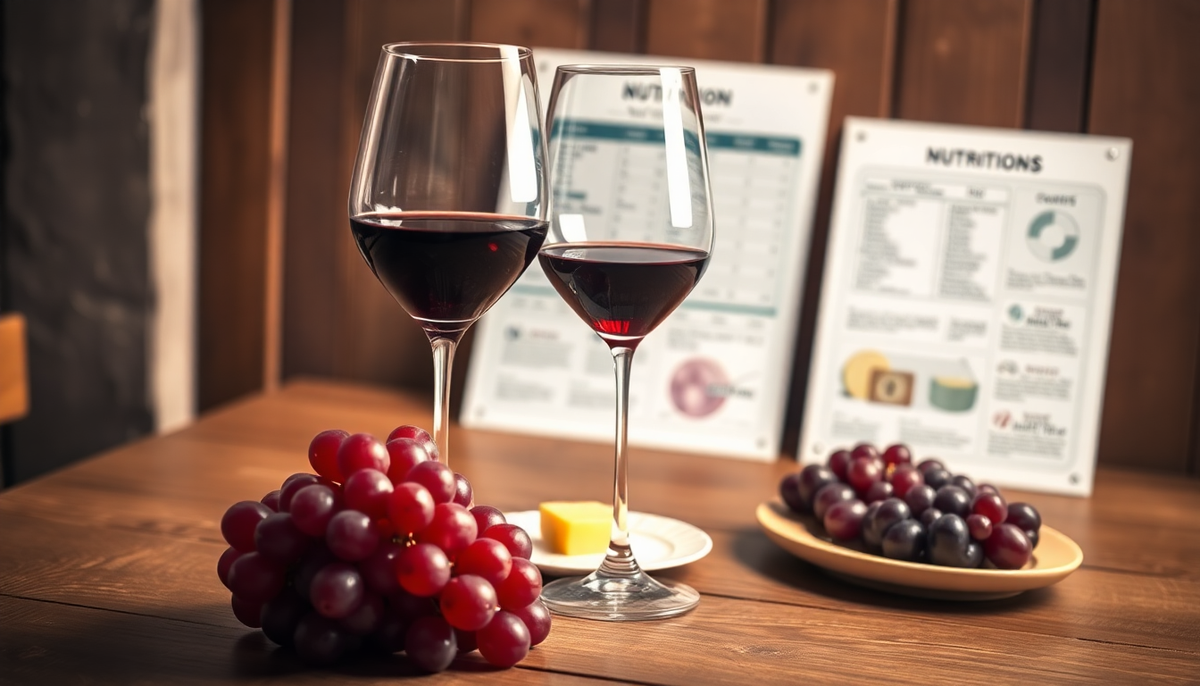
Wine has been enjoyed by civilizations for thousands of years, celebrated not only for its complex flavors and cultural significance but also for its role in social gatherings and culinary experiences. However, in our modern health-conscious society, many wine enthusiasts find themselves asking a fundamental question: does wine have calories? The answer is yes, and understanding the caloric content of wine, along with how it fits into a balanced diet, is essential for anyone who enjoys a glass of wine while maintaining their health and fitness goals.
At Curtis Family Vineyards, we believe that enjoying wine doesn't have to mean compromising your dietary objectives. This comprehensive guide explores the caloric content of wine, how different types of wine compare nutritionally, and practical strategies for incorporating wine into a healthy lifestyle. Whether you're a casual wine drinker or a devoted enthusiast, understanding the relationship between wine and calories will help you make informed decisions about your consumption.
Understanding Wine Calories: The Basics
Wine contains calories primarily from two sources: alcohol and residual sugars. Understanding these components is crucial for anyone tracking their caloric intake. The alcohol content in wine is measured as a percentage by volume, typically ranging from 5% to 20% depending on the type of wine and how it was produced.
Alcohol itself is calorie-dense, containing approximately 7 calories per gram. This is higher than carbohydrates and proteins, which contain 4 calories per gram, but slightly lower than fat, which contains 9 calories per gram. This means that the higher the alcohol content of a wine, the more calories it will contain, all else being equal.
The second source of calories in wine comes from residual sugars—the natural sugars left in the wine after fermentation. During the winemaking process, yeast consumes the sugars in grape juice and converts them into alcohol. However, not all sugars are fermented. In dry wines, very little residual sugar remains, while in sweet wines, significant amounts of sugar can remain, adding considerably to the caloric content.
A standard 5-ounce glass of wine typically contains between 100 and 150 calories, though this can vary significantly based on the type of wine, its alcohol content, and its residual sugar levels. Understanding these variations is important for anyone who wants to enjoy wine while maintaining awareness of their caloric intake.
Calories in Different Types of Wine
Different wine varieties have different caloric profiles, and understanding these differences can help you make choices that align with your dietary goals. Let's examine the most common types of wine and their typical caloric content.
Red Wine Calories
Red wines are produced from dark-colored grape varieties and typically contain between 120 and 150 calories per 5-ounce glass. The caloric content varies depending on the specific variety and alcohol content. For example, a light-bodied Pinot Noir might contain around 120 calories, while a full-bodied Cabernet Sauvignon could contain closer to 150 calories.
The alcohol content in red wines typically ranges from 12% to 15%, which accounts for most of the calories. Red wines are generally dry, meaning they have minimal residual sugar, so the majority of their calories come from alcohol rather than sugar.
Interestingly, red wine has gained attention in recent years for its potential health benefits. Red grapes contain compounds called polyphenols, including resveratrol, which have been studied for their antioxidant and anti-inflammatory properties. While these compounds don't reduce the caloric content of wine, they may provide some health benefits when consumed in moderation.
White Wine Calories
White wines typically contain between 100 and 140 calories per 5-ounce glass, making them slightly lower in calories than red wines on average. This is primarily because white wines tend to have slightly lower alcohol content, typically ranging from 10% to 13%.
However, the caloric content of white wine can vary significantly depending on whether it's a dry or sweet variety. A dry white wine like Sauvignon Blanc might contain around 100 calories per glass, while a sweeter white wine like Riesling could contain 130 calories or more due to higher residual sugar content.
White wines are often perceived as lighter and more refreshing, and their lower average caloric content makes them a popular choice for those watching their calorie intake. However, it's important to remember that individual bottles can vary, so checking the label or doing a quick calculation based on alcohol content can help you make informed choices.
Rosé Wine Calories
Rosé wines fall somewhere between red and white wines in terms of both flavor profile and caloric content. A typical 5-ounce glass of rosé contains between 100 and 130 calories. Rosé wines are produced from red grape varieties but are fermented with minimal skin contact, giving them their characteristic pink color and lighter flavor profile.
The alcohol content in rosé wines typically ranges from 11% to 13%, similar to white wines. Most rosé wines are dry or off-dry, meaning they have low residual sugar content. This makes rosé wines a good choice for those looking for a lighter option without sacrificing flavor complexity.
Sparkling Wine and Champagne Calories
Sparkling wines, including Champagne, Prosecco, and Cava, typically contain between 90 and 120 calories per 5-ounce glass, making them among the lowest-calorie wine options. This is primarily because sparkling wines tend to have lower alcohol content, typically ranging from 10% to 12%.
The carbonation in sparkling wines doesn't add calories—carbon dioxide is calorie-free. However, some sparkling wines, particularly those labeled as "demi-sec" or "doux," contain higher residual sugar and therefore more calories. Brut and extra-brut sparkling wines, which are very dry, tend to be on the lower end of the caloric spectrum.
Dessert Wine Calories
Dessert wines, including Port, Sherry, and sweet fortified wines, are significantly higher in calories than table wines. A typical 2-ounce serving of dessert wine contains between 90 and 150 calories, which translates to approximately 225 to 375 calories per 5-ounce glass if consumed in the same quantity as table wine.
Dessert wines are high in calories for two reasons: they typically have higher alcohol content (often 15% to 20%) and they contain substantial amounts of residual sugar. These wines are traditionally served in smaller portions, which helps moderate caloric intake. A typical serving of dessert wine is 2 to 3 ounces rather than the standard 5-ounce pour for table wines.
How Alcohol Content Affects Calories
The relationship between alcohol content and calories is direct and predictable. Since alcohol contains 7 calories per gram, a wine with higher alcohol content will have more calories. This relationship is so consistent that you can estimate the caloric content of a wine if you know its alcohol percentage.
A general rule of thumb is that a 5-ounce glass of wine contains approximately 25 calories per percentage point of alcohol. So a wine with 12% alcohol content would contain approximately 300 calories per bottle (750 ml), or about 60 calories per ounce, which translates to roughly 120 calories per 5-ounce glass.
This calculation assumes minimal residual sugar. If a wine contains significant residual sugar, the actual caloric content will be higher than this estimate. However, for most dry wines, this formula provides a reasonably accurate estimate.
Understanding this relationship is particularly useful when comparing wines. If you're trying to reduce caloric intake, choosing wines with lower alcohol content is one of the most effective strategies. Light wines, which typically have alcohol content between 8% and 10%, can contain as few as 80 to 100 calories per 5-ounce glass.
The Role of Residual Sugar in Wine Calories
While alcohol is the primary source of calories in most wines, residual sugar plays an important role in determining the total caloric content, particularly in sweeter wines. Residual sugar is measured in grams per liter, and wines can range from completely dry (less than 1 gram per liter) to very sweet (over 50 grams per liter).
For every gram of residual sugar per liter, a wine adds approximately 4 calories per 5-ounce glass. This means that a wine with 10 grams per liter of residual sugar would contain about 40 additional calories compared to a completely dry wine of the same alcohol content.
This is why sweet wines, particularly dessert wines and some off-dry wines, can contain significantly more calories than dry wines. A sweet Riesling with 20 grams per liter of residual sugar could contain 80 additional calories compared to a dry Riesling of the same alcohol content.
For those tracking calories, understanding the residual sugar content of wines you enjoy can help you make informed choices. Many wine labels now include this information, and it's also available from wine retailers and online wine databases. If you prefer sweeter wines but want to minimize caloric intake, choosing wines with lower alcohol content and moderate residual sugar can help you enjoy the flavors you love while keeping calories in check.
Wine and Weight Management: Practical Strategies
Enjoying wine while maintaining a healthy weight is entirely possible with the right approach. The key is understanding how wine fits into your overall caloric intake and making conscious choices about consumption.
Portion Control
One of the most effective strategies for managing wine calories is portion control. A standard serving of wine is 5 ounces, which is considerably smaller than many people pour at home. Using a wine glass with measurement marks or using a standard wine glass (which typically holds about 5 ounces when filled to the widest part of the bowl) can help you maintain appropriate portion sizes.
If you enjoy wine regularly, being mindful of portion size can significantly reduce your overall caloric intake. Reducing your average pour from 6 ounces to 5 ounces saves approximately 25 calories per glass, which adds up to 175 calories per week if you drink wine daily, or nearly 9,000 calories per year.
Choosing Lower-Calorie Options
Selecting wines with lower alcohol content is one of the most straightforward ways to reduce caloric intake. Light wines, which typically have 8% to 10% alcohol content, can contain 80 to 100 calories per 5-ounce glass compared to 120 to 150 calories for standard wines.
Dry wines are also generally lower in calories than sweet wines of the same alcohol content. If you enjoy white wine, choosing a dry Sauvignon Blanc or Pinot Grigio over a sweeter Riesling can save you 20 to 40 calories per glass.
Sparkling wines are another excellent choice for those watching calories. With their lower alcohol content and typically dry profile, sparkling wines often contain fewer calories than still wines while still providing an enjoyable drinking experience.
Pacing and Mindfulness
How quickly you drink wine affects not only your alcohol consumption but also your overall caloric intake. Sipping wine slowly allows you to enjoy it more fully and gives your body time to register satiety signals. This can help prevent overconsumption.
Pairing wine with food also affects how your body processes it. Drinking wine with a meal, particularly one containing protein and healthy fats, slows alcohol absorption and helps you feel fuller longer. This can help prevent excessive consumption and reduce overall caloric intake.
Tracking and Awareness
For those seriously tracking calories, keeping a record of wine consumption can help you stay within your daily or weekly caloric goals. Many food tracking apps include wine in their databases, making it easy to log your consumption and see how it fits into your overall diet.
Being aware of the caloric content of wines you regularly enjoy can help you make informed decisions. If you have a favorite wine, looking up its caloric content and alcohol percentage can help you understand how it fits into your dietary goals.
Wine and Metabolism: Does Alcohol Affect How Your Body Processes Calories?
Beyond the simple question of how many calories wine contains, there's a more complex issue: how does alcohol affect your body's metabolism and caloric processing? This is an area where science provides some interesting insights.
When you consume alcohol, your body prioritizes metabolizing it over other nutrients. This is because alcohol is toxic in high concentrations, and your body treats it as a priority for elimination. This means that when you drink wine with a meal, your body focuses on metabolizing the alcohol first, which can delay the metabolism of other nutrients.
This doesn't mean that the calories from alcohol are somehow "free" or don't count toward your total caloric intake. Rather, it means that the presence of alcohol can affect how efficiently your body processes other nutrients. Some research suggests that moderate alcohol consumption may slightly increase overall caloric expenditure, but this effect is modest and shouldn't be relied upon as a weight management strategy.
Additionally, alcohol can affect appetite regulation. While moderate amounts of alcohol might not significantly impact appetite, excessive consumption can impair judgment about food choices and portion sizes, potentially leading to overconsumption of food calories.
The bottom line is that while wine does contain calories that count toward your total intake, the relationship between wine consumption and weight management is more nuanced than simple calorie counting. Moderate consumption as part of a balanced diet and healthy lifestyle is unlikely to significantly impact weight management for most people.
The Health Aspects of Wine Beyond Calories
While this article focuses on the caloric content of wine, it's worth noting that wine contains compounds beyond just alcohol and sugar that may have health implications. Understanding these aspects can help you make more informed decisions about wine consumption.
Antioxidants and Polyphenols
Wine, particularly red wine, contains various polyphenolic compounds including resveratrol, quercetin, and catechins. These compounds have antioxidant and anti-inflammatory properties and have been the subject of numerous health studies.
Some research suggests that moderate wine consumption, particularly red wine, may be associated with certain health benefits, including improved cardiovascular health and reduced risk of certain chronic diseases. However, it's important to note that these benefits are associated with moderate consumption—typically defined as one glass per day for women and up to two glasses per day for men.
The caloric content of wine doesn't change based on its antioxidant content, but understanding that wine contains these beneficial compounds can help you appreciate it as more than just a source of calories.
Wine and Heart Health
The relationship between moderate wine consumption and cardiovascular health has been extensively studied. Some research suggests that the polyphenols in wine, particularly red wine, may help improve cholesterol levels and reduce inflammation, potentially benefiting heart health.
However, it's crucial to understand that these potential benefits are associated with moderate consumption. Excessive alcohol consumption has the opposite effect and can increase the risk of cardiovascular disease and other health problems.
Nutritional Content
Beyond calories, wine contains various minerals and nutrients. Red wine, in particular, contains iron, potassium, and magnesium. While the amounts are relatively small, they do contribute to overall nutrient intake.
Wine also contains B vitamins, though again in modest amounts. These nutritional components don't significantly offset the caloric content, but they do mean that wine is more than just empty calories.
Wine Pairing and Caloric Considerations
For those who enjoy wine with meals, understanding how wine pairs with different foods can help you make choices that support your dietary goals. Wine pairing isn't just about flavor—it can also be about creating a balanced meal from a nutritional perspective.
Pairing with Protein
Pairing wine with protein-rich foods can help slow alcohol absorption and promote satiety. A glass of red wine with a lean protein like grilled chicken or fish creates a satisfying meal that's less likely to lead to overconsumption.
The tannins in red wine, which come from grape skins and oak aging, pair particularly well with protein. These compounds can enhance the perception of fullness and satisfaction from a meal.
Pairing with Vegetables
Lighter wines pair beautifully with vegetable-based dishes. A crisp white wine with a salad or vegetable-forward meal creates a light, refreshing combination that's naturally lower in overall calories while still being satisfying.
Avoiding High-Calorie Pairings
While wine pairs well with many foods, being mindful of what you pair it with can help manage overall caloric intake. Pairing wine with high-calorie appetizers or desserts can quickly add up calorically. Instead, consider pairing wine with lower-calorie options like cheese and fruit, or enjoying it as part of a balanced meal.
Reading Wine Labels for Caloric Information
While wine labels in many countries are not required to list caloric content, this information is increasingly available from other sources. Understanding how to find and interpret this information can help you make informed choices.
Alcohol Content
The alcohol content, listed as a percentage by volume (ABV), is always listed on wine labels. Using this information, you can estimate the caloric content using the formula mentioned earlier: approximately 25 calories per percentage point of alcohol per 5-ounce glass.
Residual Sugar
Some wine labels include information about residual sugar content, though this is not universally required. If available, this information can help you understand the total caloric content more accurately.
Online Resources
Many wine retailers and online wine databases include caloric information for specific wines. Websites dedicated to wine information often have searchable databases where you can look up the caloric content of wines you enjoy.
Contacting Wineries
If you can't find caloric information for a specific wine, contacting the winery directly is often an option. Many wineries, including Curtis Family Vineyards, are happy to provide nutrit



Leave a comment
This site is protected by hCaptcha and the hCaptcha Privacy Policy and Terms of Service apply.